
Auto manufacturer recalls are a common, necessary, and, for most automakers, unavoidable part of selling vehicles in the modern era. When companies are shipping out millions of vehicles with increasingly complex, computerized components, even the most trusted and reliable brands or models are not immune to needing the occasional recall. These issues can range from minor software glitches to serious, and potentially deadly, mechanical and safety defects.
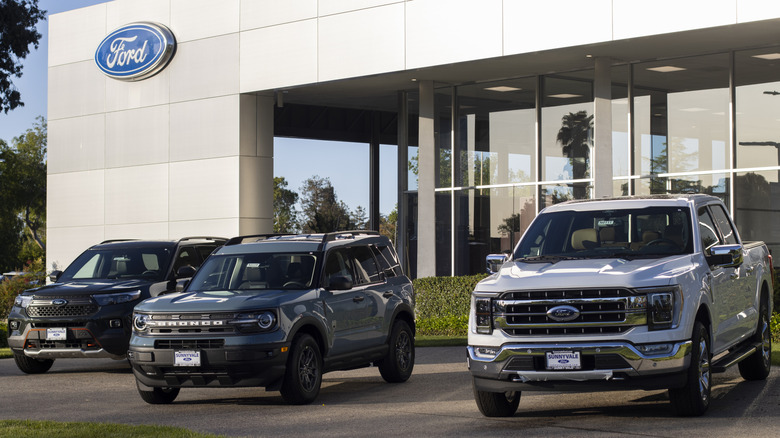
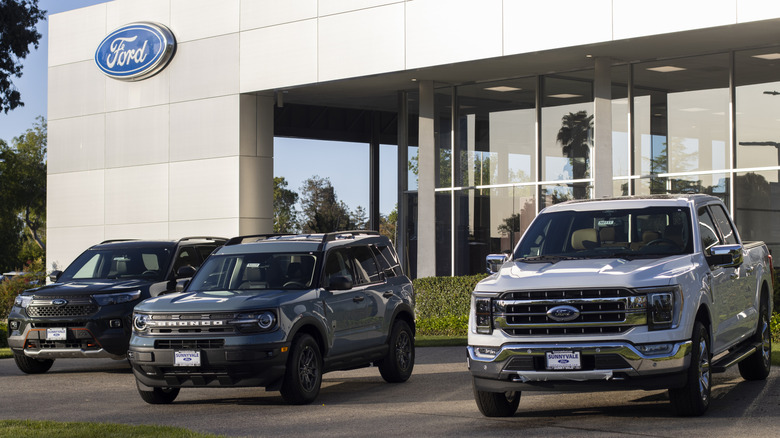
Fortunately for car owners, many big recalls in the modern era are less substantial than they might sound, with an increasing number of vehicles able to fix issues via over-the-air updates — or at worst, a quick software update at the dealership. There is, however, one American automaker that’s been hit especially hard by recalls over the last several years, and not just for simple software glitches. That automaker is Ford, and since 2020, nearly every model that Ford makes has been hit with at least one large recall.
With 152 different recalls issued in 2025 alone, Ford set a new record for recalls by an automaker in a single year, and did so by a huge margin. Indeed, many of these recalls were for fairly minor, easily fixed issues, but unfortunately for the company and its customers, some problems were far more serious than simple software issues, including potential battery fires on Ford hybrid SUVs.
Recalls big and small
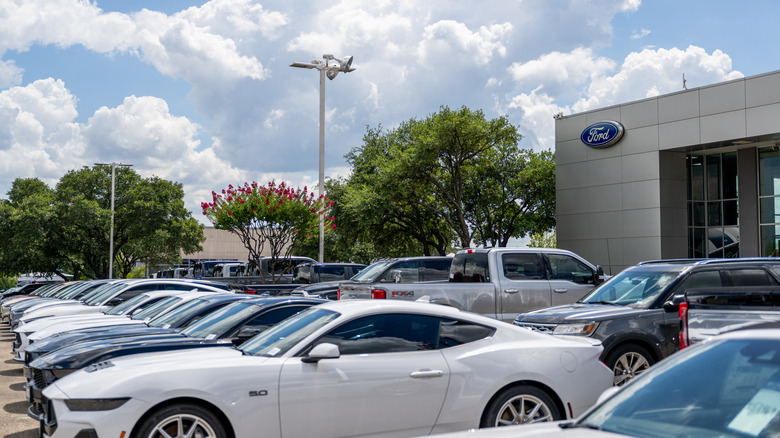
Over the last six years, millions of Ford vehicles have been recalled, with 16 different models being subject to recalls of varying severity. Apart from one strange exception, which we’ll talk about in a moment, every model that Ford makes has been hit with a major recall of some sort during the 2020s, from performance cars and EVs, to pickups and commercial vans.
One of the largest Ford recalls by volume was a 2025 recall that covered nearly 1.5 million vehicles for rearview camera safety issues. Rearview camera recalls are common these days for many automakers, but Ford’s problem was significant in that it required physically replacing defective cameras themselves rather than just a software update. Naturally, this makes it more costly both in terms of owner inconvenience and for Ford’s monetary bottom line.
An even larger recall is currently out for over four million Ford pickup trucks and SUVs for tow module issues that can stop trailer brake lights and turn signals from functioning. Fortunately, Ford says it should be able to address this particular issue through over-the-air software updates. Another substantial recall was put out in 2025 for bad low-pressure fuel pumps, which can cause engine stalling on affected vehicles. It covers more than 850,000 Ford models, including the Mustang, Bronco, and F-250 pickup.
The Ford GT has been almost recall-free
Some of Ford’s quality issues have actually gone beyond recalls and into class action lawsuits, including one high-profile lawsuit over potentially catastrophic engine defects in EcoBoost V6 engines made during 2021 and 2022. Looking at the grander scope of the auto industry and Ford’s overall reputation, what does this historically high number of recalls actually mean? Is Ford’s vehicle quality truly getting worse, or are they just better at addressing issues?
The company argues it’s the latter. While no automaker wants to put out massive, public recalls for its vehicles, Ford points out that it has doubled its safety and technical teams in recent years. This has resulted in what Ford says is a more proactive approach in identifying and addressing software and hardware issues before they lead to larger problems. However, even if that’s the case, setting a record for recalls issued is probably not ideal from a brand reputation standpoint.
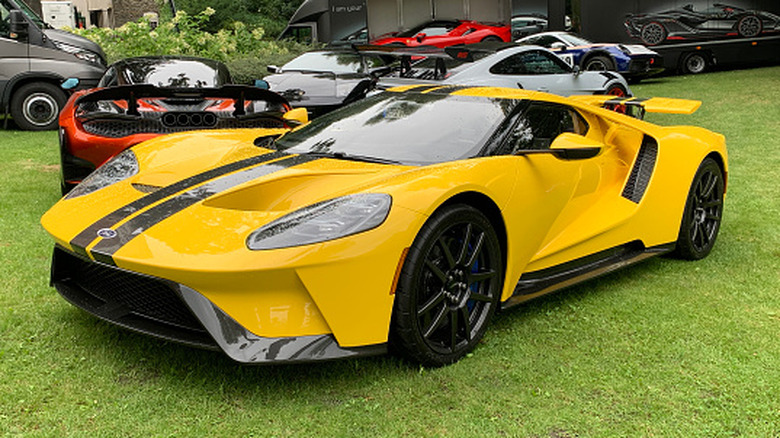
If you want to buy a modern Ford vehicle that hasn’t been affected by widespread recalls, you do have an option. The only problem is that the option is the discontinued, ultra-limited Ford GT supercar that currently sells for about $800,000. With just one small exception for a rear wing valve recall that affected just two cars total, a stellar recall record is just one more feather in this American supercar’s cap.

Stephan is the sports journalist for the Maple Grove Report.