What Is Goodyear’s Longest-Lasting Tire?


Goodyear started out back in 1898, when F.A. “Frank” Seiberling bought two factories located in Akron, Ohio. Today, Goodyear has grown to become an international producer of tires, as well as non-tire products made of rubber and many other materials. In fact, Goodyear currently owns 12 different tire brands sold around the world, including Kelly, Dunlop, and Cooper, and the company has a reputation for quality tires that offer good longevity.

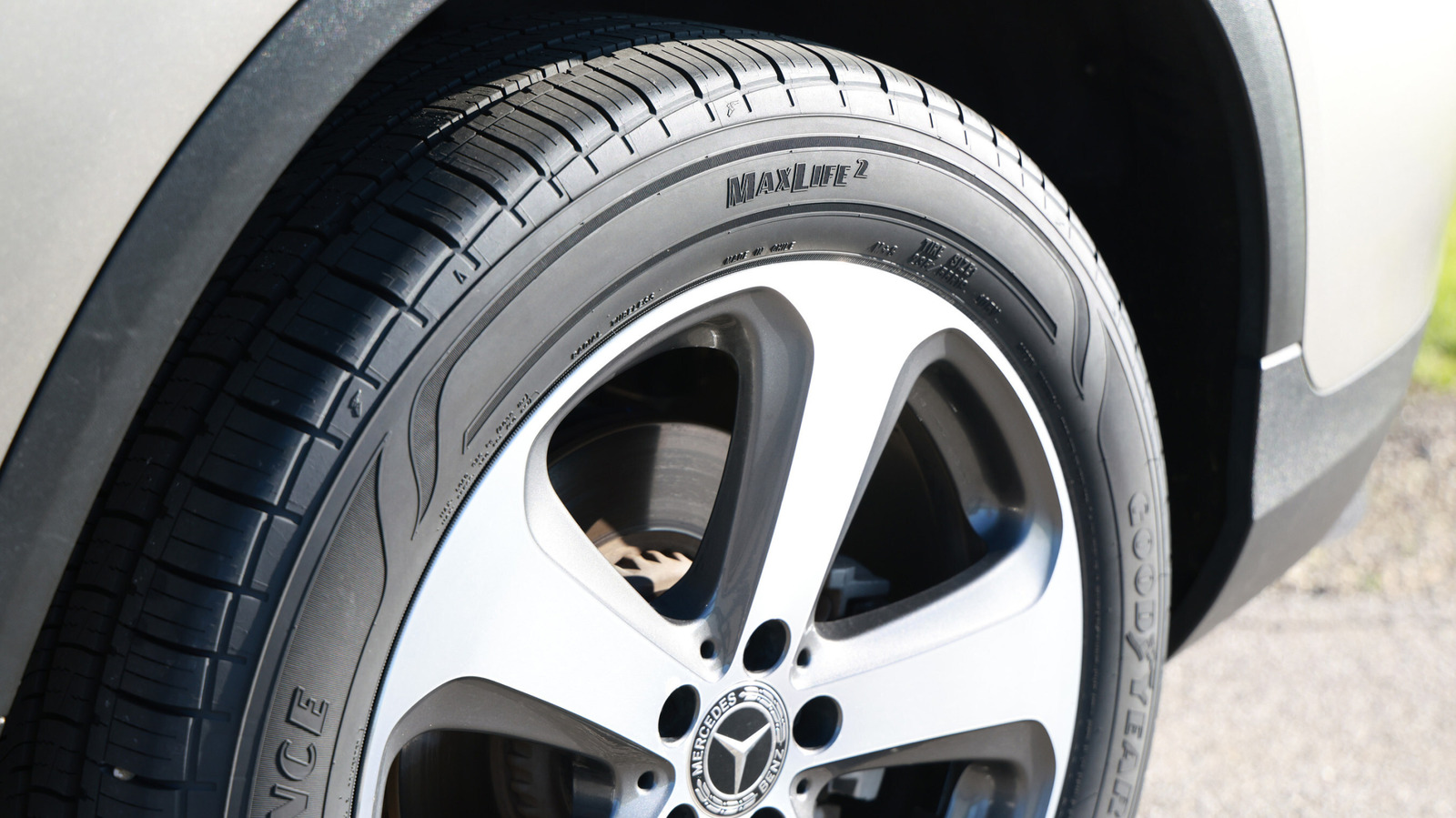
Out of its entire lineup, the company’s longest-lasting tire is the Goodyear Assurance MaxLife 2. Goodyear makes the Assurance MaxLife 2 in 58 different sizes, which are designed to fit just about all of the most popular cars on the road today. The tire manufacturer calls it a “next generation premium all-season tire designed to deliver more miles, more confidence and more comfort for drivers.” While you would be forgiven if this might just sounds like marketing copy to you, Goodyear is putting its money where its mouth is, backing up its longest-lasting claim with an 85,000-mile limited treadlife warranty on every Assurance MaxLife 2 tire.

 The Goodyear Assurance MaxLife 2 represents the second generation of this tire. In our initial review of which car tires lasted the longest the original Goodyear Assurance MaxLife ranked well, as we found that the company pulled out all the stops when it came to durability. The Assurance MaxLife 2 continues this tradition, with Goodyear claiming it to be the longest-lasting tire that the company makes. The features that justify this claim start with Goodyear’s proprietary TredLife technology, which delivers all-weather grip and long-term performance characteristics based on the tire’s unique tread pattern as well as with the specific makeup of its rubber compound.

What else you should know about the Goodyear Assurance MaxLife 2

The Goodyear Assurance MaxLife 2 is available in sizes to fit wheels with rim diameters of 15 inches through 21 inches, with prices ranging from $155.00 to $418.00, according to the Goodyear website. Starting with the smallest 195/65R15 size, the Assurance MaxLife 2 tops out with the largest, the 275/45R21. 

The Goodyear Assurance name has been applied to a wide variety of different tires, such as the Assurance All-Season, the Assurance ComfortDrive, the Assurance Fuel Max, and the Assurance WeatherReady. However, you should be aware that only the Goodyear Assurance MaxLife 2 carries the highest 85,000-mile limited treadlife warranty; all the other Goodyear Assurance tires have warranties of between 60,000 and 65,000 miles. If you want the longest-lasting Goodyear tire, your best bet is going to be the Assurance MaxLife 2, which also happened to make SlashGear’s list of the all-season tires with the best treadwear ratings

That 85,000-mile limited treadlife warranty on the Goodyear Assurance MaxLife 2 does have some limitations. The warranty will only last until the tires have either worn down to 2/32-inch of tread depth of they reach 6 years of age after the purchase date, as they are then considered by Goodyear to have provided their “full original tread life.” Within those limits, covered tires that fail will be replaced free of charge within 12 months or their initial 2/32-inch of tread wear. Those tires that exceed these limits will be prorated, based on the percentage of the tire’s original tread that has been worn down. 


Source link

Leave a Reply

Subscribe to Our Newsletter

Get our latest articles delivered straight to your inbox. No spam, we promise.

Recent Reviews


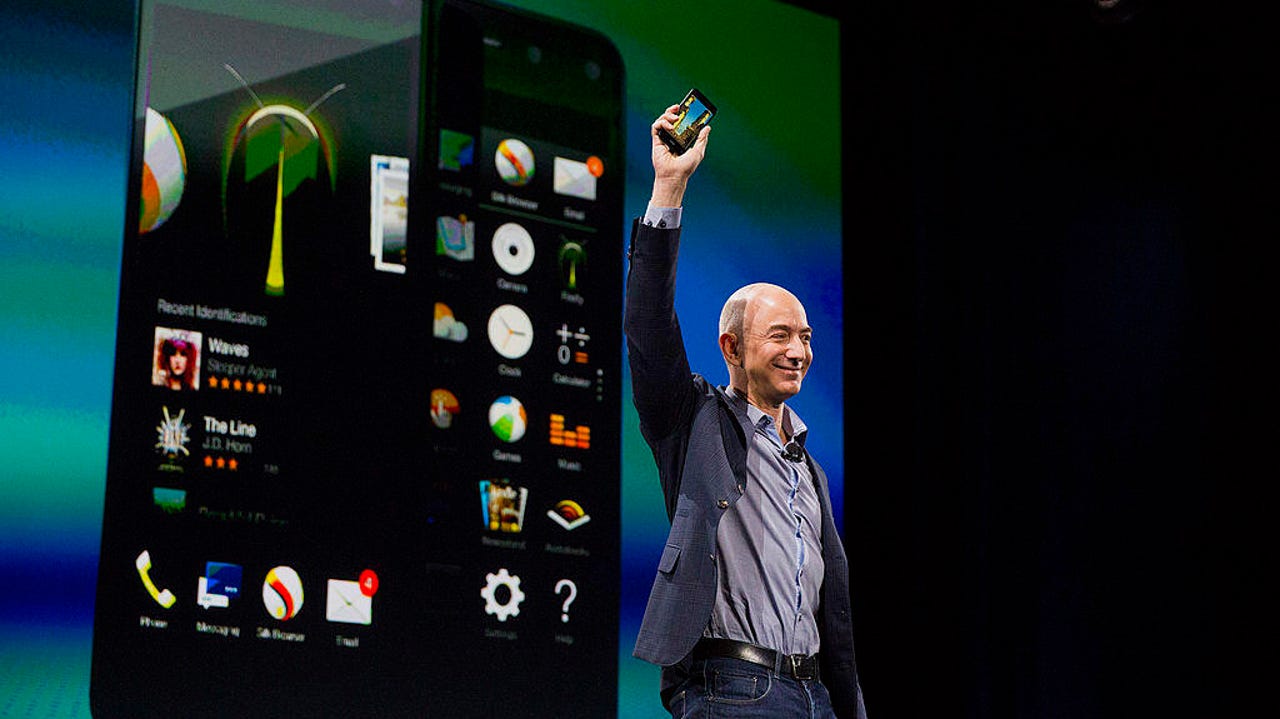
Amazon Fire Phone Jeff Bezos

Bloomberg / Getty Images

Follow ZDNET: Add us as a preferred source on Google.


ZDNET’s key takeaways

  • Amazon is reportedly developing a new Fire Phone.
  • The previous model had several issues, including an inferior app store experience.
  • Under new supervision (and with more experience), Amazon can do better this time.

Well, I don’t know about you, but I certainly didn’t have “new Amazon smartphone” on my 2026 bingo card. As it turns out, according to Reuters, the retailer may be developing a new smartphone, internally known as “Transformer.” 

Those familiar with the industry will instantly draw parallels to Amazon’s previous smartphone effort, the Fire Phone from 2014. Appropriately, that phone ended up as part of a fire sale about a year later.

Now, in 2026, with no fewer than five phone brands in the US — Apple, Samsung, Google, Motorola, and OnePlus — Amazon faces a lot of competition. In fairness, it also has two fewer platforms to compete against. In 2014, Windows Phone and BlackBerry were still very much part of the smartphone conversation; these days, not so much.

The AppStore problem

But there’s one mistake Amazon made in its first effort that will absolutely torpedo its chances at succeeding — the Amazon AppStore and specifically the decision to forego Google Play services. Google is simply too valuable in too many lives to not support the platform. Oh, and the Amazon AppStore is terrible.

Also: What’s right (and wrong) with the Amazon Fire Phone

It has admittedly been a few years since I last inventoried the Amazon AppStore, but when I last checked, the Amazon AppStore was a wasteland of half-supported or unsupported apps, with two notable exceptions. Finance, home control, and communication apps were either absent or had not received updates for years prior.

The only apps in the Amazon AppStore that remained up to date were productivity apps (largely powered by Microsoft) and streaming apps. Those two categories work very well on the cheap, underpowered hardware that Amazon usually launches, and that’s fine. A coffee-table tablet is a nice thing to have lying around.

A spark of hope

Amazon Fire Phone

Liam Tung/ZDNET

But a phone is another animal entirely. If a tablet is a device to entertain, a phone is a device for everything else. One of the key reasons Windows Phone failed was its lack of an app ecosystem. The Senior Vice President of Devices and Services,  Panos Panay, is very familiar with that saga, so I’m hopeful that he will make the same arguments to the powers that be at Amazon. 

Honestly, if there is anyone who I think can pull off an Amazon phone revival, it’s probably Panay, who understands design and product development better than most, and to be perfectly honest, he’s my absolute favorite product presenter.

Also: Amazon Fire Phone review: Not a great smartphone

Of course, all of this is early days. This phone is being worked on internally, and even Reuters reports that it could get the axe long before it sees the light of day. Personally, I’m intrigued by the idea, but I sincerely hope that Amazon doesn’t make this the shopping phone it tried to build in 2014. 

If Amazon just wants to make a nice, well-built smartphone, with a skin that pushes Amazon content to the fore, I’m fine with that. But leaving Google behind is a mistake that Amazon cannot afford to make again. Fool me once, and all that.

So, if this phone is to have a chance at success, it needs to embrace Google services so it can be a phone that everyone can use. Amazon has the brand power to make a phone like this work, even up against juggernauts like Apple and Samsung, but it needs to approach this correctly, lest it end up in yet another Fire phone fire sale.


Source link