
We may receive a commission on purchases made from links.
There was a time when the cheapest way to acquire your dream PC was to build your own. With this approach, you could source the perfect hardware, build in futureproofing, and work on it as a continuous project that could be upgraded as your budget allows.
In 2026, however, the balance seems to have shifted, and now it appears that buying a PC off-the-shelf is the most economical way forward. While building your own PC still offers you far more in the way of customization over hardware choices, it isn’t necessarily the money-saving option it used to be. The problem is that core components have become noticeably more expensive, which has pushed prices up. One of the main drivers of this change has been increased demand from AI infrastructure and large-scale data centers. This has put pressure on the supply and price of key components like RAM and SSDs.
Ultimately, it’s this supply vs. demand situation that’s behind the price hikes. For the DIY PC builder, this change is more pronounced as they are more susceptible to market fluctuation when compared to commercial builders who have stock set aside and can negotiate bulk-buying prices. This means that building your own PC is no longer a guaranteed way to save money. Let’s have a closer look at why the price of PC components is on the increase, and just what it means for anyone considering building their own PC.
The prices of components nowadays
To see how these changes have affected the pre-built vs. DIY market, a useful exercise is to compare the cost of an off-the-shelf PC with the cost of a similar set of components.
For the pre-built, we’ve chosen a reasonably specced CyberpowerPC Gamer Xtreme that currently sells on Amazon for just shy of $1,400. It comes with a keyboard and mouse, and it features an Intel Core Ultra 5 225F processor, 8GB NVIDIA GeForce RTX 5060 graphics, 32GB of DDR5 RAM, 2TB SSD, and Windows 11 Home.
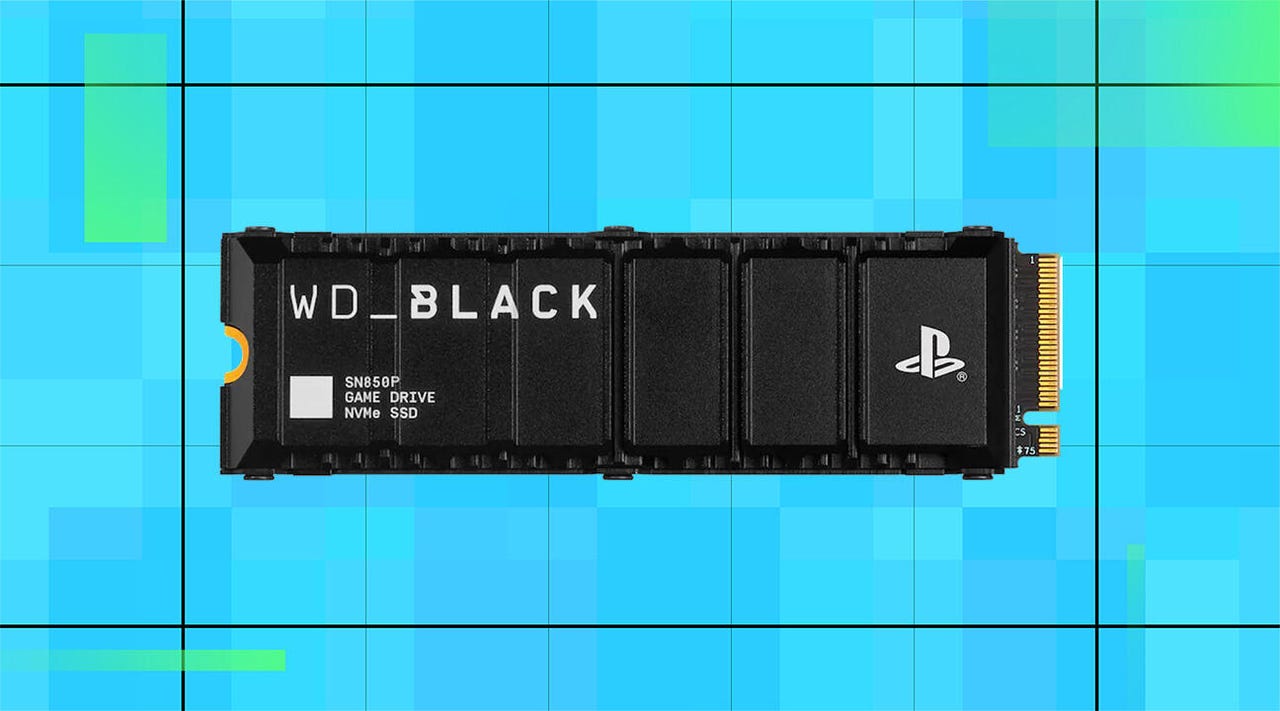
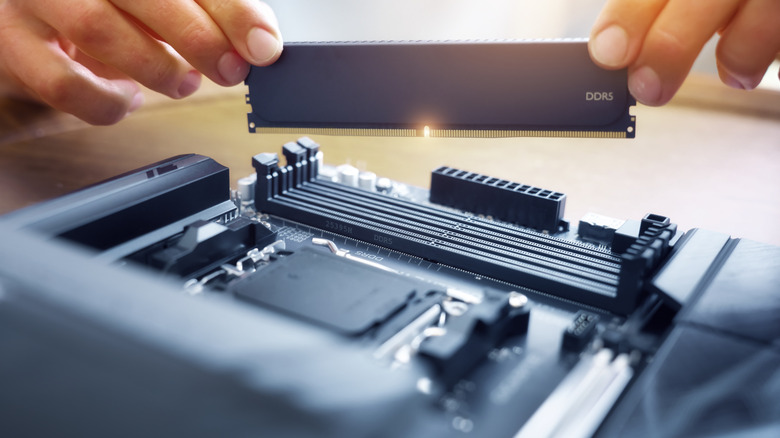
Next, we’ll source a similar set of components for a home build. To keep the playing field as level as possible, we’ll also select the hardware from Amazon. Starting with the RAM, 32GB of Crucial desktop gaming memory comes in at $369. For a similar 8GB Nvidia RTX 5060 graphics card, you’ll pay around $350, with the price for the SSD adding about another $330 to the equation. Not so expensive is the Intel processor, which, depending on the precise spec, will cost upwards of $140.
With components like PSU, motherboard, and case, the prices can vary significantly and offer some degree of flexibility. However, assuming a half-decent motherboard ($100) and affordable case and PSU options, we can assume about $150. Add the cost of a Windows 11 license ($139 from the Microsoft store), and the final total is $1,478. This is already bad enough, and you’ll still have to factor in other gaming PC components and peripherals you need, like a keyboard and mouse.
Why rising demand is pushing prices higher
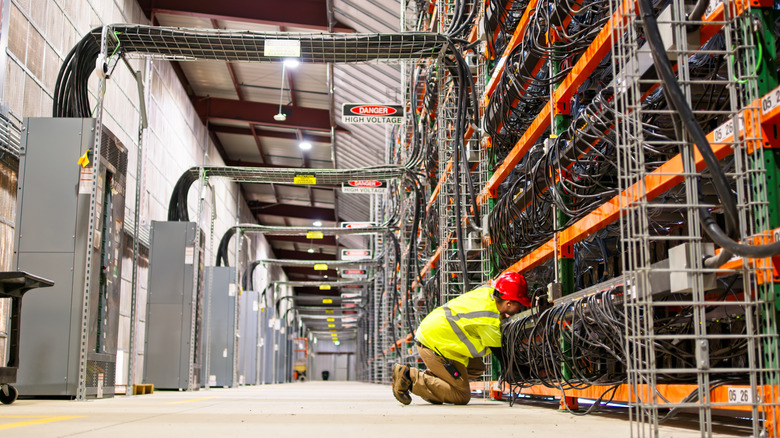
The debate about the disruptiveness of AI has normally been focused on how it affects employment, data privacy, and intellectual property infringement, to name a few. However, for the consumer, another point of disruption is PC hardware prices.
As mentioned, increased demand from AI infrastructure and large-scale data centers is the main culprit. These systems rely heavily on the same type of memory and storage found in typical consumer PCs, particularly DRAM and NAND, the latter being the memory type found in SSDs. This demand has had a particularly noticeable impact, although to be clear, these are not trivial rises either. Market analysis company TrendForce estimates that DRAM prices in the first quarter of 2026 will rise by a staggering 90-95%. The price of NAND memory is forecasted to rise by 55-60% in the same period.
The problem is that these are core components that are an essential part of any PC build, and they have a direct impact on the total cost of even a modest build. For DIY builders purchasing parts individually, these price hikes are reflected immediately at the retail level, with little opportunity to offset them. While manufacturers aren’t immune to the price hikes, they are in a stronger position and can negotiate pricing and hold large inventories. This explains why prebuilt systems are now far more competitively priced and why matching them with a like-for-like DIY build is no longer as straightforward as it once was.

Stephan is the sports journalist for the Maple Grove Report.