

The East Coast of the United States is complex in the best way.
It isn’t just one vibe. It’s a massive, shifting landscape of natural beauty, complicated history, and some of the most interesting cities on the planet. I travel constantly, and while I love exploring the West Coast and hopping international borders, I firmly believe that to truly understand the fabric of America, you have to spend serious time on the Eastern Seaboard.
With the U.S. celebrating its 250th anniversary in 2026, the energy on the East Coast right now is absolutely electric. There are massive festivals, international naval reviews, and historical celebrations happening everywhere.
If you are trying to figure out where to spend your travel budget this year, I’ve narrowed it down. Out of everywhere I’ve been, these are the 5 East Coast destinations I believe every single person needs to visit at least once. (PLUS an interactive quiz at the end of this article so you can find out which one is calling your name this year!)
1. New York City, New York
The Global Hub
I know it’s obvious, but New York City is the quintessential American metropolis. You simply cannot talk about the East Coast without talking about NYC. It is such a diverse city that it can feel like 50 trips in one, and every time I visit, it is a totally new experience.
My Take: Most people make the mistake of only staying in Manhattan. Yes, you need to see Central Park, the 9/11 Memorial, and the museums along Fifth Avenue. But to feel the actual pulse of the city today, you have to cross the river into Brooklyn.
The Strategy: I highly recommend spending a day in the DUMBO neighborhood (Down Under the Manhattan Bridge Overpass). It’s an old industrial waterfront that has been completely transformed. Grab a slice at Grimaldi’s, walk through Brooklyn Bridge Park, and take in the iconic skyline views.
Why 2026 is Special: If you visit in July, you are going to catch Sail4th 250. Over 30 massive, historic tall ships and naval vessels from around the world are going to parade right through New York Harbor and up the Hudson River to celebrate the nation’s 250th birthday.
Safety Check: NYC currently sits at a 67/100 on our travel safety index. It can absolutely be a safe trip depending on the neighborhoods you visit, but you just need to be smart and always stay aware of your surroundings.
2. Washington, D.C.
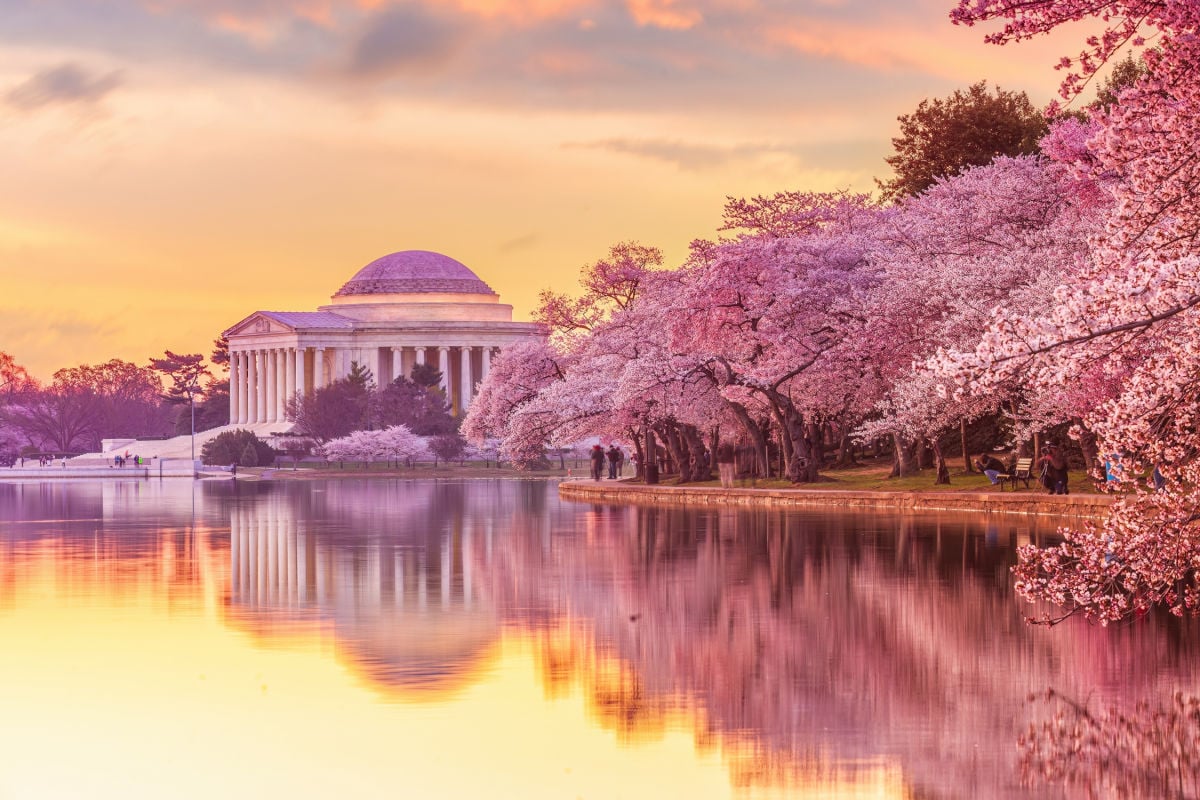
More Than Just Politics
A lot of people write off D.C. as just a sterile place for 8th-grade field trips (my first visit lol) and political arguments. I am telling you, they are completely wrong. D.C. is a deeply cosmopolitan city with an incredible food scene and profound history. One of my favorite things to do is visit in the tail end of spring and ride scooters around downtown, visiting free museums.
My Take: Of course, you should walk the National Mall and see the monuments, but you must explore the U Street Corridor. Before the Harlem Renaissance, U Street was known as “Black Broadway.” It was the absolute epicenter of African American culture, music, and business. The music and the nightlife here is top-notch, and the food is to DIE for.
The Strategy: Take a walking tour of U Street to learn about native son Duke Ellington, and you absolutely must stop at Ben’s Chili Bowl. It has been serving its famous half-smoke sausages since 1958 and famously stayed open during the 1968 riots to feed the community.
Why 2026 is Special: The famous Yoshino cherry trees around the Tidal Basin just hit their peak bloom this week, but the National Cherry Blossom Festival is still in full swing through April 12th! If you can get here quickly, do not miss the massive parade down Constitution Avenue on the 11th. Even if you miss the flowers this spring, the city is currently undergoing a massive $113 million restoration project to rebuild the Tidal Basin seawalls and protect the area ahead of the nation’s 250th anniversary.
Safety Check: D.C. is incredibly secure for tourists, boasting a massive 90/100 on our safety index. I always feel completely comfortable walking around the monumental core and historic neighborhoods.
3. Boston, Massachusetts
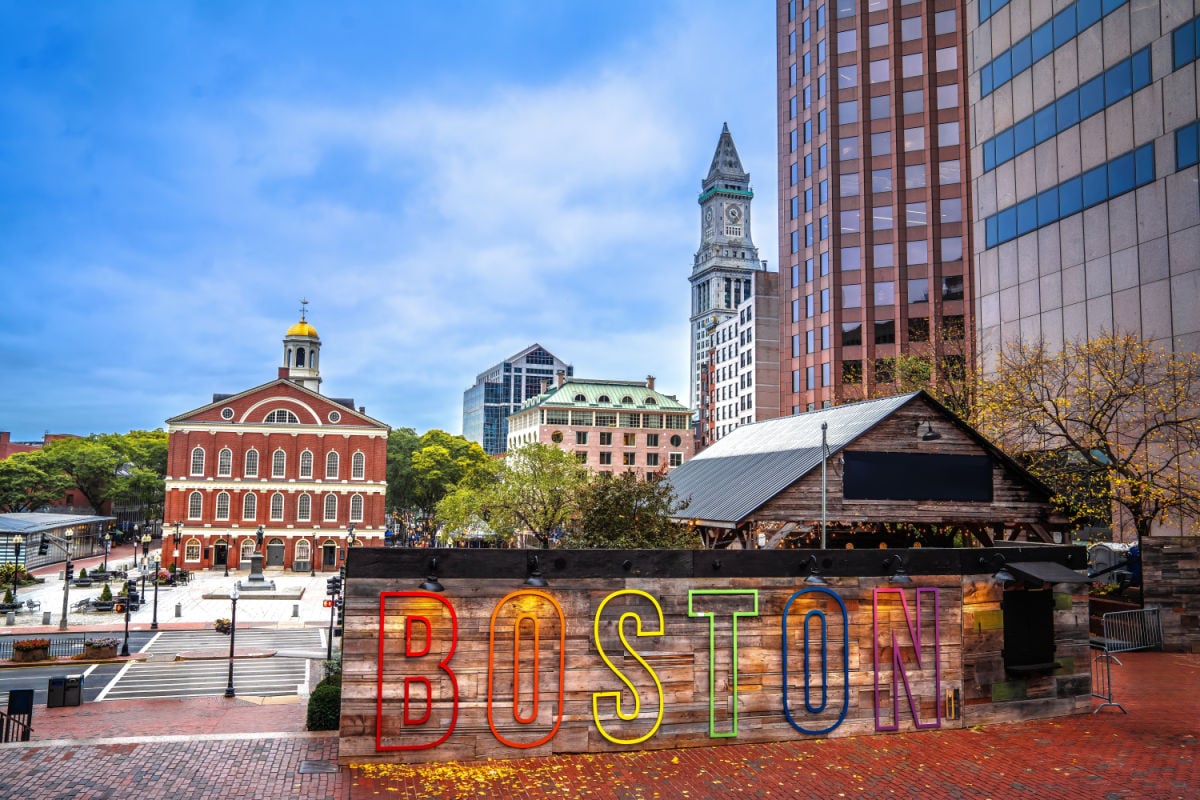
The Crucible of the Revolution
Boston is the historical anchor of the United States. Its winding, labyrinth-like streets feel distinctly European, and it is the best place in the country to tangibly interact with the history of the American Revolution.
My Take: I love Boston because history here isn’t just in a museum; it is literally beneath your feet. You can walk the exact cobblestones where the Sons of Liberty argued and planned. The city perfectly balances this intense history with the cutting-edge energy of Harvard and MIT right across the river in Cambridge.
The Strategy: The easiest and best way to see the city is to simply follow the Freedom Trail. It is a 2.5-mile red-brick path that takes you past 16 incredibly significant sites, including the Old North Church and the site of the Boston Massacre.
Why 2026 is Special: Boston is going to be wildly busy this year. Not only are they hosting massive Evacuation Day 250 celebrations, but Gillette Stadium is also hosting seven international matches for the FIFA World Cup.
Safety Check: With a very solid 80/100 on our safety index, Boston is a highly walkable and secure city. I never hesitate to explore the historic districts on foot.
4. Charleston, South Carolina
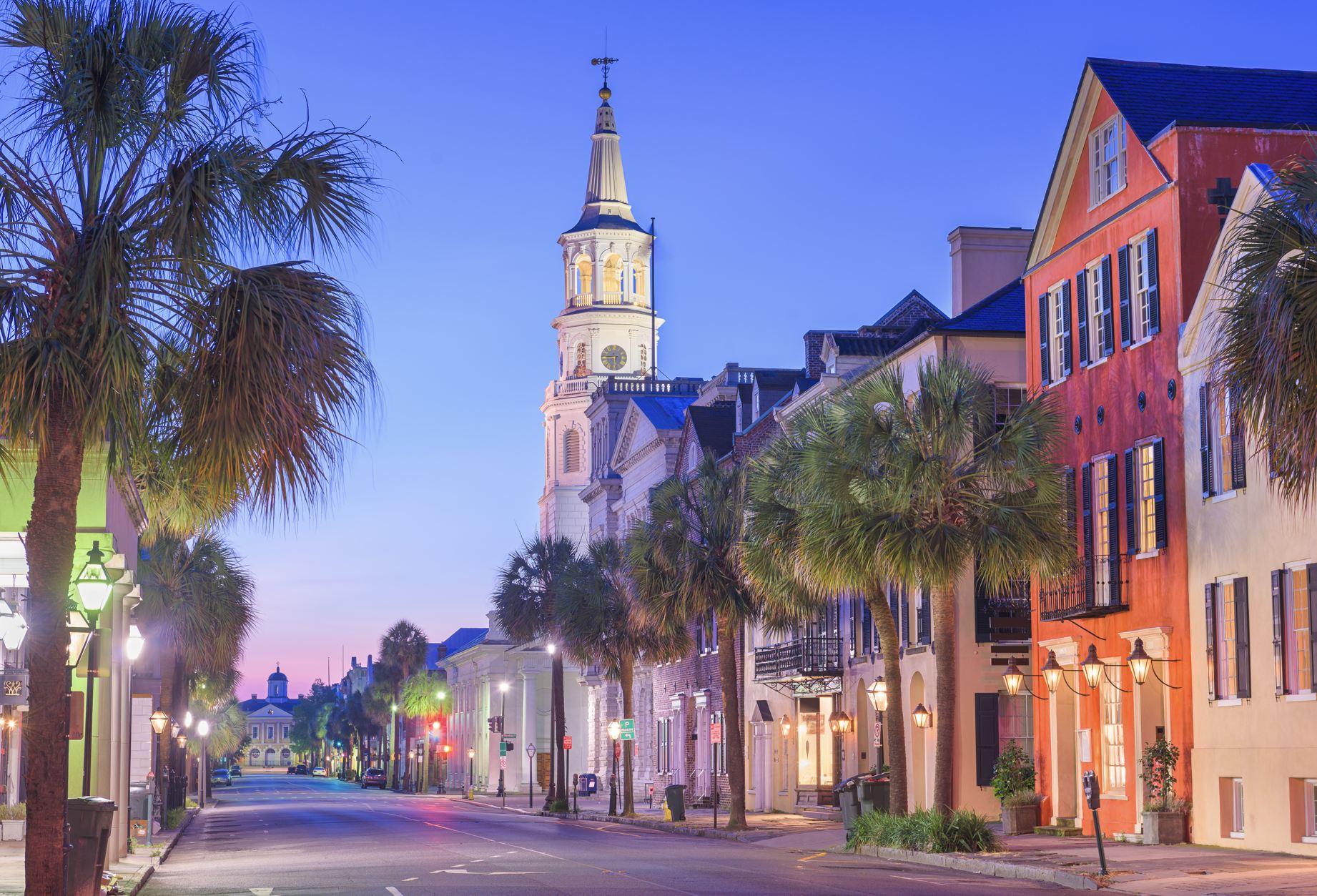
The Lowcountry Heavyweight
If Boston is the austere north, Charleston is the opulent, highly stratified South. It is widely considered the pinnacle of Southern coastal sophistication, defined by incredible architecture, maritime forests, and world-class food.
My Take: The historic downtown peninsula, specifically the French Quarter and the Battery, is breathtaking. But to truly understand Charleston, you cannot just look at the pretty mansions; you have to confront the history of the enslaved West Africans who built that wealth.
The Strategy: Book a tour to learn about the Gullah Geechee culture—the descendants of enslaved Africans who preserved their incredible linguistic, agricultural, and artistic heritage in the isolated Sea Islands. Their influence is the literal foundation of Lowcountry cuisine (think shrimp and grits and okra gumbo).
Why 2026 is Special: If you love the arts, you have to be here between May 22 and June 7 for the Spoleto Festival USA. The entire city transforms into a massive stage for world-class opera, theater, jazz, and dance.
Safety Check: You can feel great about exploring the Lowcountry. Charleston holds a strong 80/100 on our safety index, making it a very relaxed and secure coastal getaway.
5. Acadia National Park, Maine
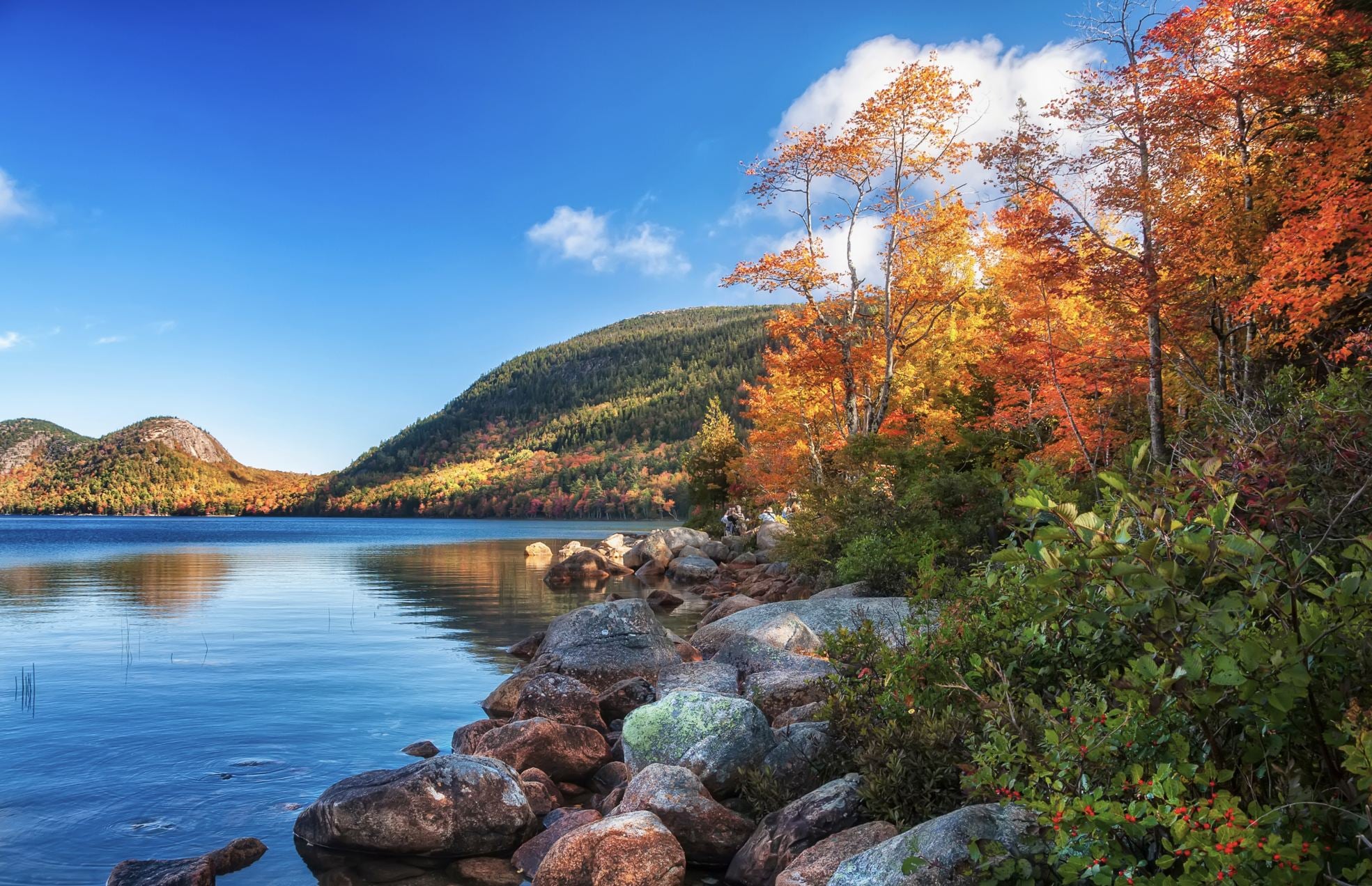
The Crown Jewel of the North Atlantic
I had to include a true wilderness destination. Situated way up in Maine, where glacially carved granite mountains plunge directly into the freezing Atlantic Ocean, Acadia is one of my favorite places on earth.
My Take: Acadia offers a rugged, wild counterpoint to the massive East Coast cities. I love the sheer diversity of it—you can be listening to the booming ocean waves at Thunder Hole one minute, and then hiking through deep, silent pine forests the next.
The Strategy: You must rent a bike and ride the Carriage Roads. They are 45 miles of crushed-stone paths and beautiful stone bridges financed by John D. Rockefeller Jr., and they are completely closed to motorized vehicles.
Why 2026 is Special: Acadia has become insanely popular, so you have to be strategic. If you want to drive to the top of Cadillac Mountain (the highest peak on the Eastern Seaboard) to see the sunrise, you now absolutely must book a timed-entry vehicle reservation on Recreation.gov in advance. Do not show up without one!
Now take this quiz to find out which one is perfect for you!


Stacie Harris is a local resident and reporter of the Maple Grove area. Stacie reports on medicine and science for the Maple Grove Report.