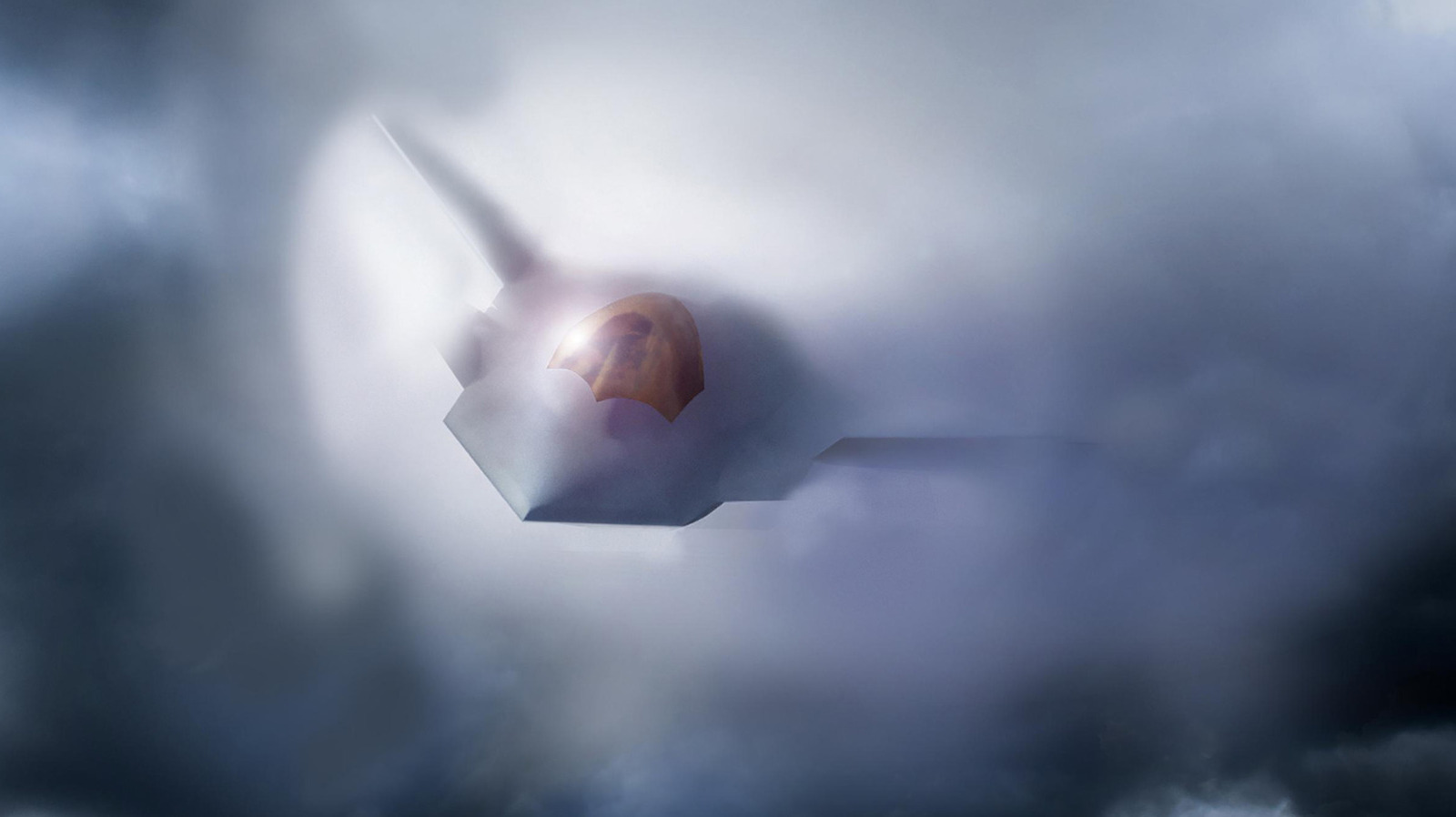
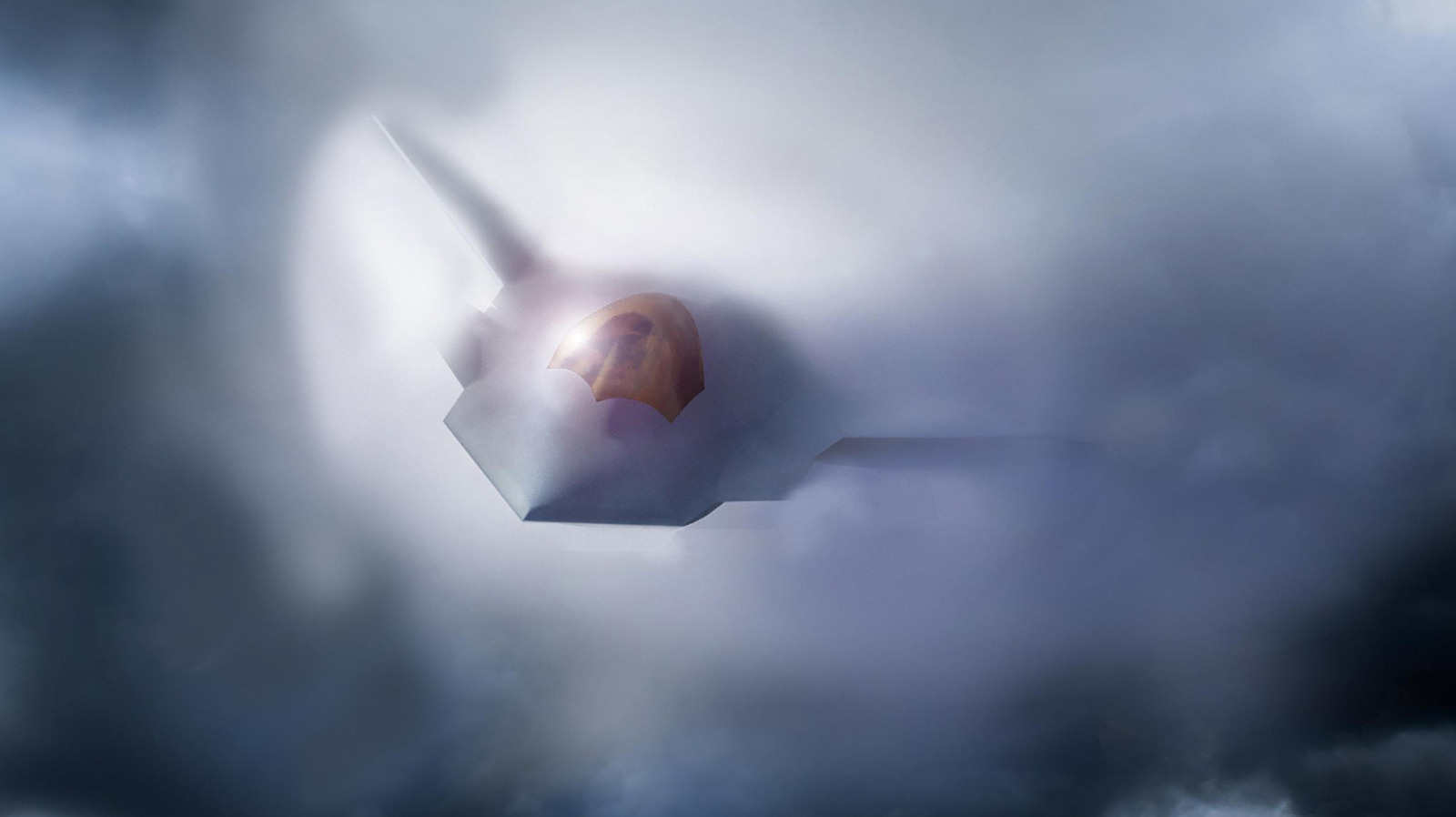
The US Air Force’s F-47 Fighter Jet Timeline Has Changed, And That’s A Problem


The U.S. Air Force utilizes some of the military’s most technologically advanced and capable aircraft. This is thanks in large part to America’s push to stay ahead of the curve, which is why the Air Force may spend up to $16 billion on new advanced engine tech. However, one new program has fallen a bit behind, as the F-47 isn’t expected to enter service until the mid-2030s. This timeframe is later than the original 2030 operational window.

The problem with this delay is that while the new F-47 remains in development, the Air Force has to depend on existing fighter jets to carry the load. This means current fighter planes will act as a bridge until the new fighters are ready to go. For example, the F-22 Raptor is receiving upgrades intended to extend its service life. At the same time, the Navy is expected to keep the F/A-18 Super Hornet in service longer than originally planned as it waits for its own next-generation replacement.

As the Air Force works to improve these fighters just to keep up, the F-47 is expected to incorporate some seriously advanced electronics and networking functions when it does go into production. This will allow it to work as part of a broader, connected combat system instead of just a standalone fighter. This approach shows how the Air Force is stepping up its efforts to improve its fighter jet design, while also opening the door for future upgrades.

What features will the F-47 likely have?

The F-47 was first announced in March 2025. It would be the U.S. Air Force’s sixth-generation fighter and would be part of the Next Generation Air Dominance (NGAD) program. The development and eventual production of the new jet is being handled by Boeing, and not longtime military contractor Lockheed Martin. The F-47 is set to become the USAF’s primary combat jet, replacing the F-22 Raptor in that operational capacity.

The F-47 is expected to be a fast supersonic fighter that will heavily depend on semi-autonomous systems. This means it will incorporate AI, allowing its systems to quickly manage data to analyze threats and identify targets. This is also expected to help alleviate some of the workload during live missions, as the pilot will be able to maintain focus in tense situations. This could allow the F-47 to react faster than traditional fighters, thus giving it an edge over enemy aircraft.

Also, this new fighter jet will be stealthy, with the capability of penetrating deep inside enemy airspace. This will be possible thanks to its ability to avoid radar detection, which means it can fly with less exposure than other planes. But what really sets the F-47 apart from the rest is its modern versatility. With its built-in AI and advanced tech, it could become one of the most effective Air Force fighter planes in the sky.


Source link

Leave a Reply

Subscribe to Our Newsletter

Get our latest articles delivered straight to your inbox. No spam, we promise.

Recent Reviews


A new class-action lawsuit, filed on Monday by three teenage girls and their guardians, alleges that Elon Musk’s xAI created and distributed child sexual abuse material featuring their faces and likenesses with its Grok AI tech.

“Their lives have been shattered by the devastating loss of privacy, dignity, and personal safety that the production and dissemination of this CSAM have caused,” the filing says. “xAI’s financial gain through the increased use of its image- and video-making product came at their expense and well-being.”

From December to early January, Grok allowed many AI and X social media users to create AI-generated nonconsensual intimate images, sometimes known as deepfake porn. Reports estimate that Grok users made 4.4 million “undressed” or “nudified” images, 41% of the total number of images created, over a period of nine days. 

X, xAI and its safety and child safety divisions did not immediately respond to a request for comment.

The wave of “undressed” images stirred outrage around the world. The European Commission quickly launched an investigation, while Malaysia and Indonesia banned X within their borders. Some US government representatives called on Apple and Google to remove the app from their app stores for violating their policies, but no federal investigation into X or xAI has been opened. A similar, separate class-action lawsuit was filed (PDF) by a South Carolina woman in late January.

The dehumanizing trend highlighted just how capable modern AI image tools are at creating content that seems realistic. The new complaint compares Grok’s self-proclaimed “spicy AI” generation to the “dark arts” with its ease of subjecting children to “any pose, however sick, however fetishized, however unlawful.”

“To the viewer, the resulting video appears entirely real. For the child, her identifying features will now forever be attached to a video depicting her own child sexual abuse,” the complaint reads.

AI Atlas

The complaint says xAI is at fault because it did not employ industry-standard guardrails that would prevent abusers from making this content. It says xAI licensed use of its tech to third-party companies abroad, which sold subscriptions that led abusers to make child sexual abuse images featuring the faces and likenesses of the victims. The requests ran through xAI’s servers, which makes the company liable, the complaint argues.

The lawsuit was filed by three Jane Does, pseudonyms given to the teens to protect their identities. Jane Doe 1 was first alerted to the fact that abusive, AI-generated sexual material of her was circulating on the web by an anonymous Instagram message in early December. The filing says she was told about a Discord server by the anonymous Instagram user, where the material was shared. That led Jane Doe 1 and her family, and eventually law enforcement, to find and arrest one perpetrator.

Ongoing investigations led the families of Jane Does 2 and 3 to learn their children’s images had been transformed with xAI tech into abusive material.


Source link