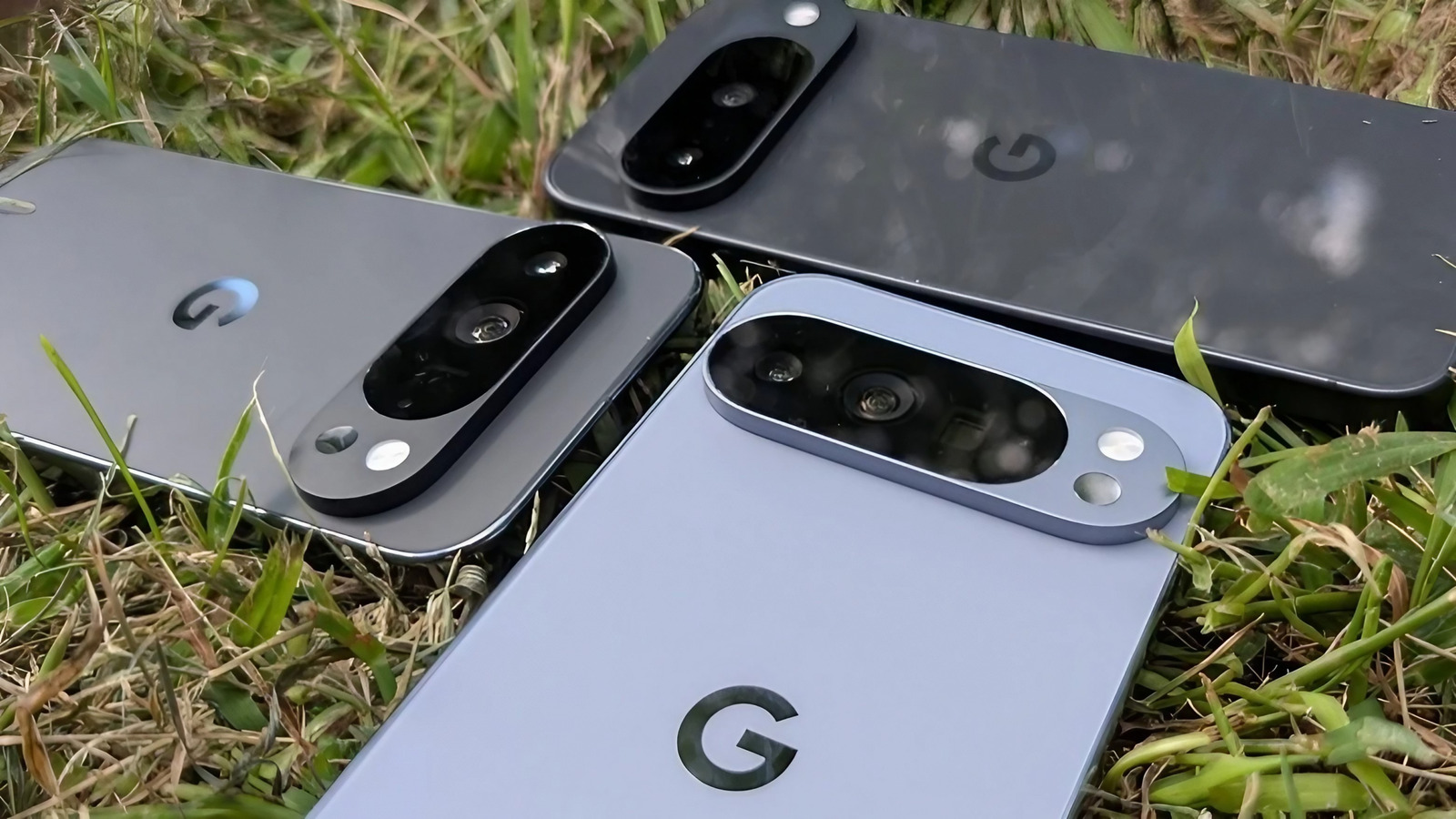

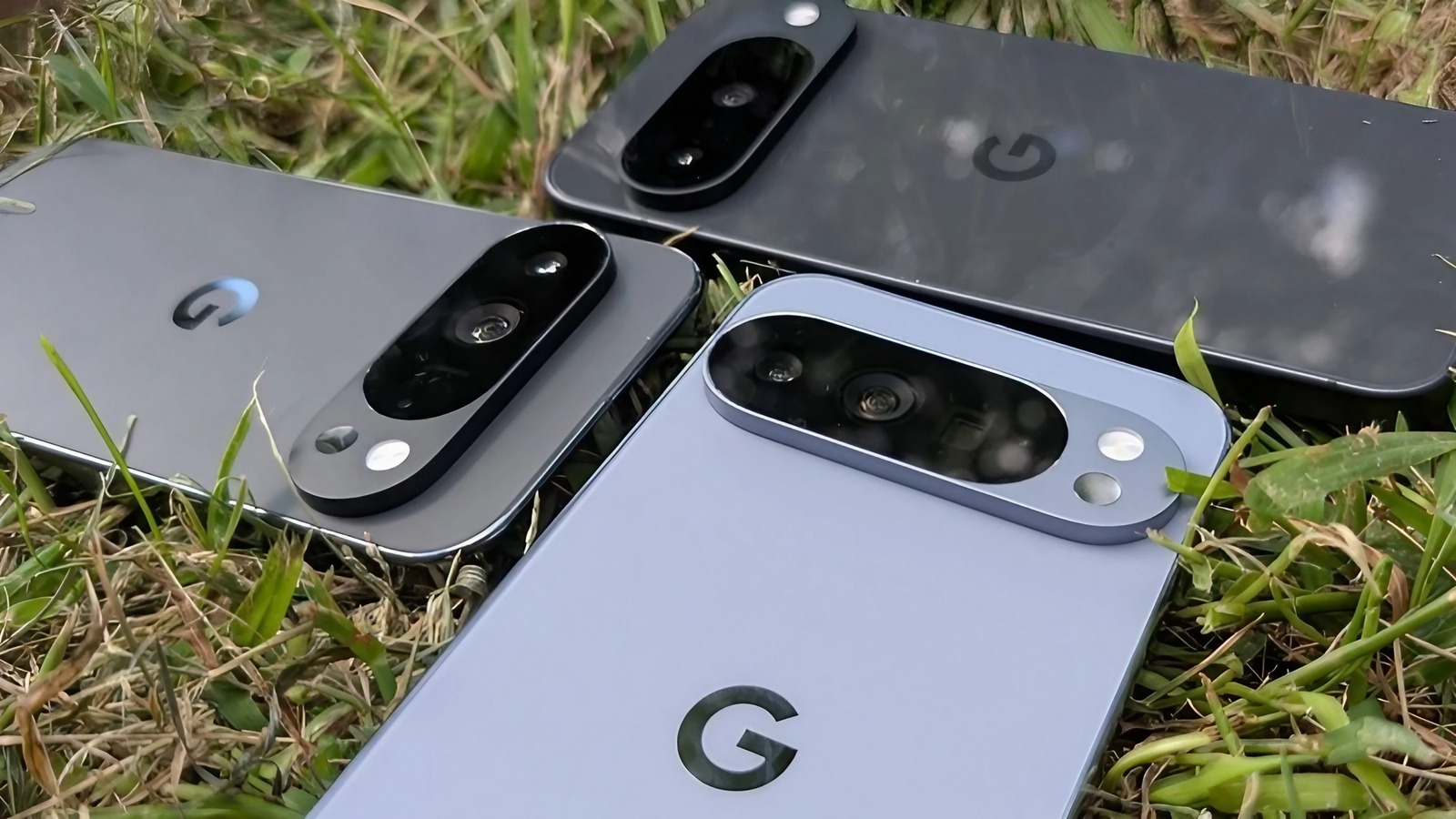
Flashlights are just one of those things that every smartphone today is simply expected to have and isn’t really talked about much. Conversations about smartphones are mostly about stuff like the camera or the processor. Unfortunately for Google Pixel 10 Pro and Pro XL users, flashlights are more than that, and not in a good way. A growing number of them have been posting on Reddit about an issue over the past few months. They claim the flashlight is generating so much heat that it basically melts and burns through the plastic lens covering the LED module. This isn’t the first time Pixel phone users have reported major problems with basic functionality this year, either, though the previous ones were software-related.
The new one is hardware. As you can see in the image below, shared by one of the users on Reddit, there is a charred, dark hole right in the middle of the flashlight, even as the rest of the diffuser looks intact. Normally, the whole flashlight has a more uniform whitish color, certainly with no deep black spot in the middle. The same user also stated they could literally burn paper by holding it against the flashlight, with it producing a visible trail of smoke.
The Redditor wasn’t alone, although not every report is that dramatic. Several users have described the light as simply getting uncomfortably hot during longer use. But that heat turns into a problem when it is mistakenly left on too long, as some users learned the hard way when they fell asleep with the flashlight on or kept it that way in their pocket for extended periods.
So what’s actually going on?
Obviously, with reports like these making the rounds, other Pixel owners are getting a little concerned about their flashlights doubling as ray guns, too. Several users have noticed a small orange or yellow dot sitting in the center of the lens and assumed the worst. However, that’s nothing to worry about, as it’s just the LED emitter showing through the diffuser. It looks like that in every unit. That said, the darker, more irregular marks from some photos don’t look normal at all.
Now, this problem could’ve been prevented with thermal safeguards that dim or shut off the flashlight before temperatures get too high, or simply by turning it off automatically after a fixed period. But the Pixel 10 Pro doesn’t appear to have something like this. Also worth noting is that Google, with the Android 16 QPR3 update, added an adjustable brightness slider for the flashlight, allowing users to crank the intensity higher than the default. But there’s no confirmed connection between that and these reports.
So far, Google hasn’t made any official statement about these claims. The PixelCommunity account on Reddit has reached out to individual users via DM, but some owners say their warranty claims have been denied. For now, it’s better to be safe than sorry, so don’t leave your flashlight on for extended periods, especially in enclosed spaces like a pocket or bag. But if you do spot a dark mark on the lens that definitely wasn’t there before, contact Google support and try to get it fixed under warranty. All in all, the problem isn’t as major as the worst smartphone recall in history, but the optics aren’t great for a flagship either.

Stephan is the sports journalist for the Maple Grove Report.