What Makes China’s New Type 055 Destroyers So Dangerous?


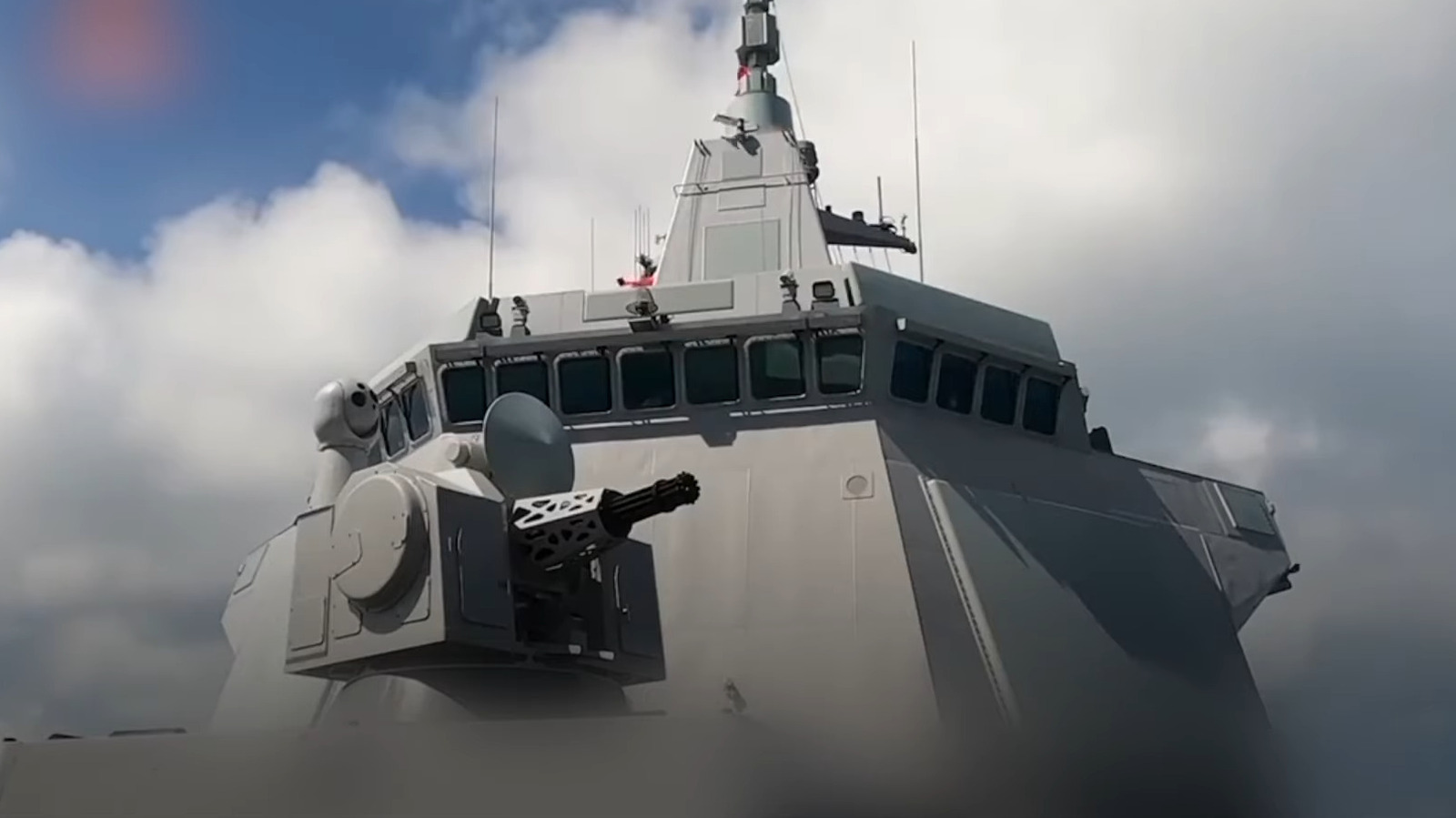
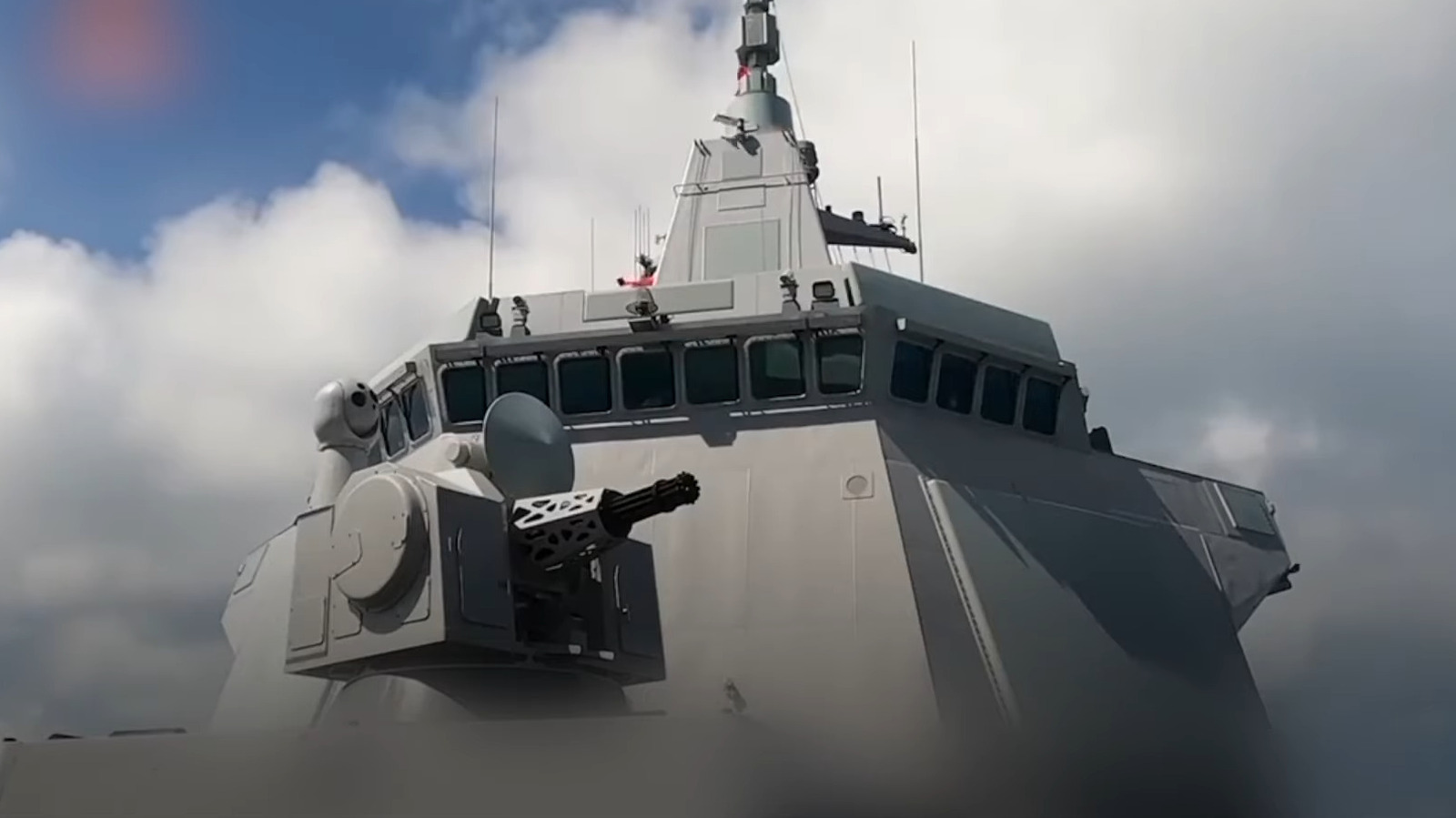
In late March 2026, the Chinese People’s Liberation Army Navy sent two new Type 055 class destroyers, the Anging and Dongguan, to their first combat training exercises, putting China’s fleet at 10 total Type 055 class destroyers. The Anging and Dongguan feature a lot of improvements over the previous batch of ships in regards to reconnaissance and onboard weapons, although many specific technical details have not been publicly shared. 

What we do know is that this class of destroyer includes some of China’s most powerful warships. At 10,000 tons each, they are some of the largest and most heavily armored vessels in the world. Designed with anti-submarine warfare in mind, they can carry up to 112 vertical launching systems for improved air defense. They are also capable of implementing a hypersonic anti-ship ballistic missile called the YJ-20. Not only is it full of a wide range of missile types, but these destroyers also have dual-band radar systems that allow these destroyers to track hundreds of aerial targets simultaneously.

According to the U.S. Naval Institute, the Anging and Dongguan could be the first of this new batch of Type 055 class destroyers, with more on the way. Chinese Military Affairs Expert Zhang Junshe told the Global Times that any future editions would be even more advanced, with these new destroyers still being “insufficient” for all of China’s far-seas defense operations.

How the U.S. Navy’s vessels compare to China’s destroyers

Previously, the Chinese People’s Liberation Army Navy only used its Type 055 destroyers in its northern and southern fleets, but the Anging and Dongguan are the first to be assigned to the East Sea Fleet facing Japanese and U.S. forces in the East China Sea. There is some debate over whether the Anging and Dongguan are actually classified as destroyers, but nevertheless these ships are comparable to the U.S. Navy’s Zumwalt-class destroyers and Ticonderoga-class cruisers. 

Designed to launch missiles against aircraft, ships, land targets, and submarines, China’s two new vessels were touted the “world’s two most powerful destroyers” by Military Watch Magazine. However, that title somewhat depends on what specs you are looking at. Anging and Dongguan have over 100 launchers, whereas the Zumwalt has a total of 80 cells. Meanwhile Ticonderoga-class cruisers have 112. 

In terms of stealth, the U.S. Navy previously attempted — but failed — to integrate a dual-band radar system that was very similar to what was installed on China’s Anging and Dongguan ships. Instead, the Zumwalts were designed with a tumblehome hull and composite deckhouse that, paired with other technology, makes them appear no larger than a fishing boat on radar. Still, the Zumwalt-class destroyers mainly focus on land-based targets closer to shore, which makes any sort of advanced stealth design a bit useless. Overall, the U.S. Navy’s plan for its new fleet of Zumwalt-class destroyers was riddled with missteps, and the program was ultimately cut from 32 to just three ships.


Source link

Leave a Reply

Subscribe to Our Newsletter

Get our latest articles delivered straight to your inbox. No spam, we promise.

Recent Reviews


A new class-action lawsuit, filed on Monday by three teenage girls and their guardians, alleges that Elon Musk’s xAI created and distributed child sexual abuse material featuring their faces and likenesses with its Grok AI tech.

“Their lives have been shattered by the devastating loss of privacy, dignity, and personal safety that the production and dissemination of this CSAM have caused,” the filing says. “xAI’s financial gain through the increased use of its image- and video-making product came at their expense and well-being.”

From December to early January, Grok allowed many AI and X social media users to create AI-generated nonconsensual intimate images, sometimes known as deepfake porn. Reports estimate that Grok users made 4.4 million “undressed” or “nudified” images, 41% of the total number of images created, over a period of nine days. 

X, xAI and its safety and child safety divisions did not immediately respond to a request for comment.

The wave of “undressed” images stirred outrage around the world. The European Commission quickly launched an investigation, while Malaysia and Indonesia banned X within their borders. Some US government representatives called on Apple and Google to remove the app from their app stores for violating their policies, but no federal investigation into X or xAI has been opened. A similar, separate class-action lawsuit was filed (PDF) by a South Carolina woman in late January.

The dehumanizing trend highlighted just how capable modern AI image tools are at creating content that seems realistic. The new complaint compares Grok’s self-proclaimed “spicy AI” generation to the “dark arts” with its ease of subjecting children to “any pose, however sick, however fetishized, however unlawful.”

“To the viewer, the resulting video appears entirely real. For the child, her identifying features will now forever be attached to a video depicting her own child sexual abuse,” the complaint reads.

AI Atlas

The complaint says xAI is at fault because it did not employ industry-standard guardrails that would prevent abusers from making this content. It says xAI licensed use of its tech to third-party companies abroad, which sold subscriptions that led abusers to make child sexual abuse images featuring the faces and likenesses of the victims. The requests ran through xAI’s servers, which makes the company liable, the complaint argues.

The lawsuit was filed by three Jane Does, pseudonyms given to the teens to protect their identities. Jane Doe 1 was first alerted to the fact that abusive, AI-generated sexual material of her was circulating on the web by an anonymous Instagram message in early December. The filing says she was told about a Discord server by the anonymous Instagram user, where the material was shared. That led Jane Doe 1 and her family, and eventually law enforcement, to find and arrest one perpetrator.

Ongoing investigations led the families of Jane Does 2 and 3 to learn their children’s images had been transformed with xAI tech into abusive material.


Source link