5 Tools And Gadgets That May Die In Storage


We may receive a commission on purchases made from links.

Garages, attics, and storage units are full of equipment, electronics, and supplies waiting to be used again. Unfortunately, you shouldn’t assume that putting your items away means they are safe. The truth is, storing many common items is actively killing them. The conditions in your typical storage environment, like fluctuating temperatures, humidity, and chemical exposure, can trigger a slow but irreversible self-destruction in various materials and mechanisms.

While simple dust and dirt are issues, the bigger cause of destruction is chemical degradation, physical stress, and corrosion that permanently ruins your property. Keep in mind that many items can’t just be forgotten; some will actively degrade faster when they’re kept in those environments.

The best thing to do is figure out what tools or gadgets will deteriorate and get damaged while in storage, and then actively avoid leaving them there. While storage and putting things away are convenient, it’s not worth the damage you could do to your items. Instead, you should learn about the best ways to store those particular items or sell them if you realistically don’t have a good idea of when you will use them again.

Bungee cords

Bungee cords have many uses, which is why it seems smart to store them when you don’t need them. However, a bungee cord’s core consists of bundled elastic rubber strands. Over time, exposure to oxygen and UV rays causes these strands to lose their elasticity. Rubber naturally undergoes physical and chemical changes during storage, which often lead to hardening, softening, cracking, or crazing. These issues are driven by environmental stressors like heat, humidity, ozone, and light.

Ozone is especially aggressive because even small amounts will attack the unsaturated double bonds in the rubber’s molecular chains. This causes them to break and form dangerous surface cracks. UV radiation from sunlight speeds up this decay through photo-oxidation, further breaking down molecules and reducing the material’s mechanical strength. Commercial bungee jumping regulations require that cords be destroyed after only six months from their manufacture date, or if they’ve had more than 250 hours of daylight exposure.

If your storage area is too dry, the inner rubber core will dry-rot; if it’s too damp, the outer protective cover may rot. To prevent your bungee cords from degrading prematurely in storage, store them in a cool, dark, and dry environment. Ideally, temperatures should be below 100 degrees Fahrenheit with less than 75% relative humidity. So before you use a bungee cord to tie anything down in your truck, make sure you haven’t accidentally compromised its integrity.

Lithium-ion battery devices

Smartphones, tablets, and cordless power tools are at high risk in storage. Heat or physical pressure can cause the battery cells to off-gas and swell. This expansion can crack screens, bend frames, or even lead to a thermal runaway fire. This deterioration is caused by aging, which is when a lithium-ion battery degrades over time. This is true even when it’s completely inactive and has no current flow, which is a huge problem with these batteries.

When these batteries get hot while they’re stored, they experience some unwanted side reactions. A major structural problem during this inactive time is that the solid electrolyte interphase layer on the anode keeps growing. This permanently uses up lithium that could be cycled and makes the cell’s internal resistance higher.

Even if you only expose a battery to moderate heat for a short time, like leaving your gadget in a warm room or garage, it leaves a permanent thermal history inside it. This starts an oxidative reaction that hurts the cathode surface. It also creates an internal, unwanted source of lithium that makes the battery lose its charge faster, even after it’s back at room temperature. As the electrolyte breaks down during storage, it creates toxic and flammable gases, like hydrogen, carbon monoxide, and ethylene. This gas builds up internal pressure, which makes the battery swell.

Record players (belt-driven)

There are many record players you should avoid for many reasons, but one is that a lot of vintage turntables use a rubber drive belt to spin the platter, running from the motor pulley to the inner rim. This design is great for isolating motor vibration and giving you that analog sound; however, the rubber belt can get damaged over time. When it’s packed away in a closet or attic, the turntable is exposed to changing temperatures, humidity, dust, and much more.

The main thing that causes stored record players to break down is chemical degradation called chain scission or reversion. You might think old rubber just dries out and snaps; however, the synthetic rubber compounds and plasticizers in vintage audio belts often break down in the opposite way. Environmental stress makes the long polymer chains, which give the material its elasticity, separate and break apart, destroying its structural integrity.

What went into storage as a taut, flexible band eventually turns into an oily, liquid mess. This process changes the belt into a black, tar-like goo that sticks to the motor pulley and the inner rim of the platter. Since the belt was left wrapped tightly around the drive mechanisms, this sticky mess melts directly onto important contact points.

Air compressor and receiver

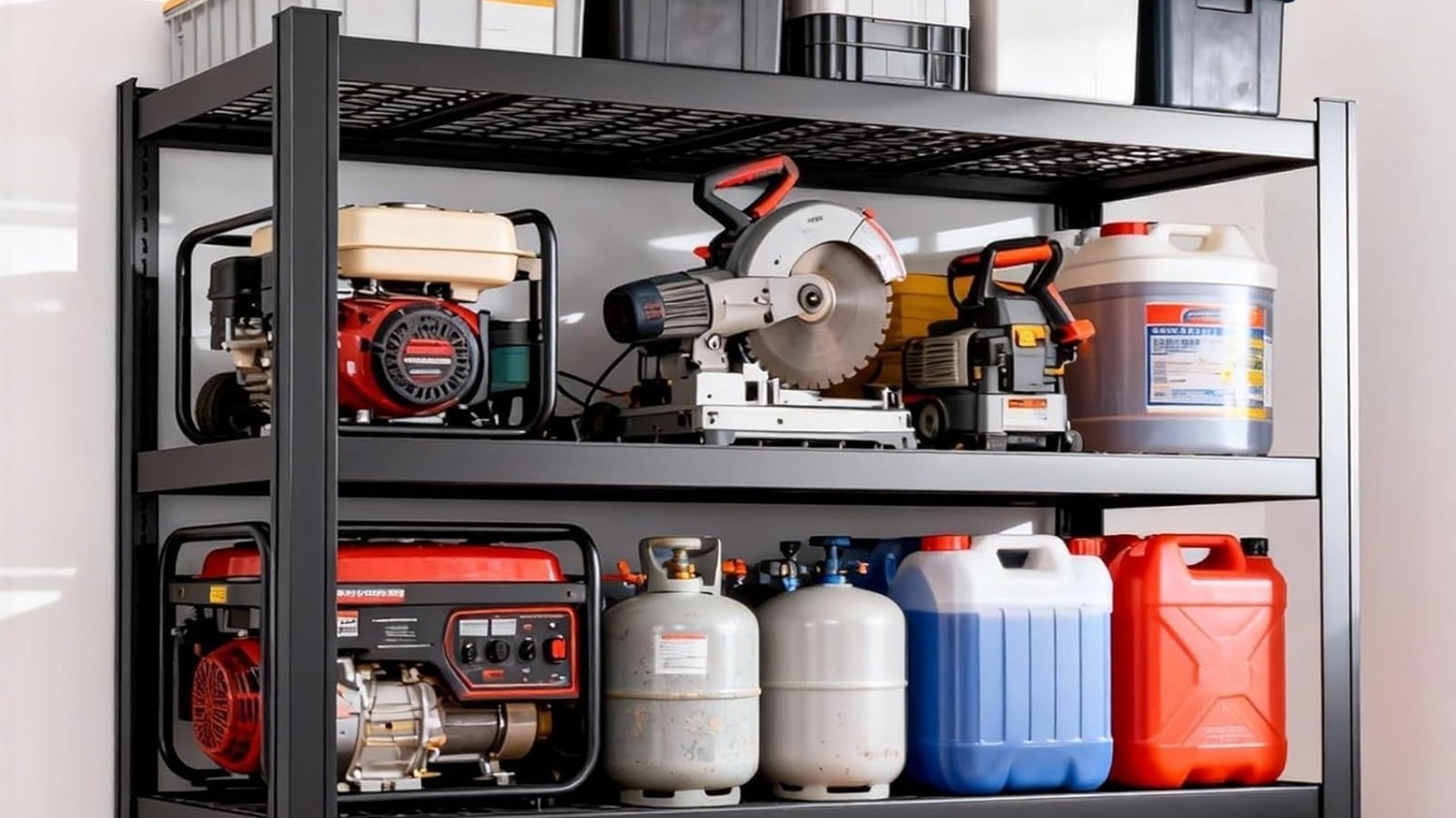
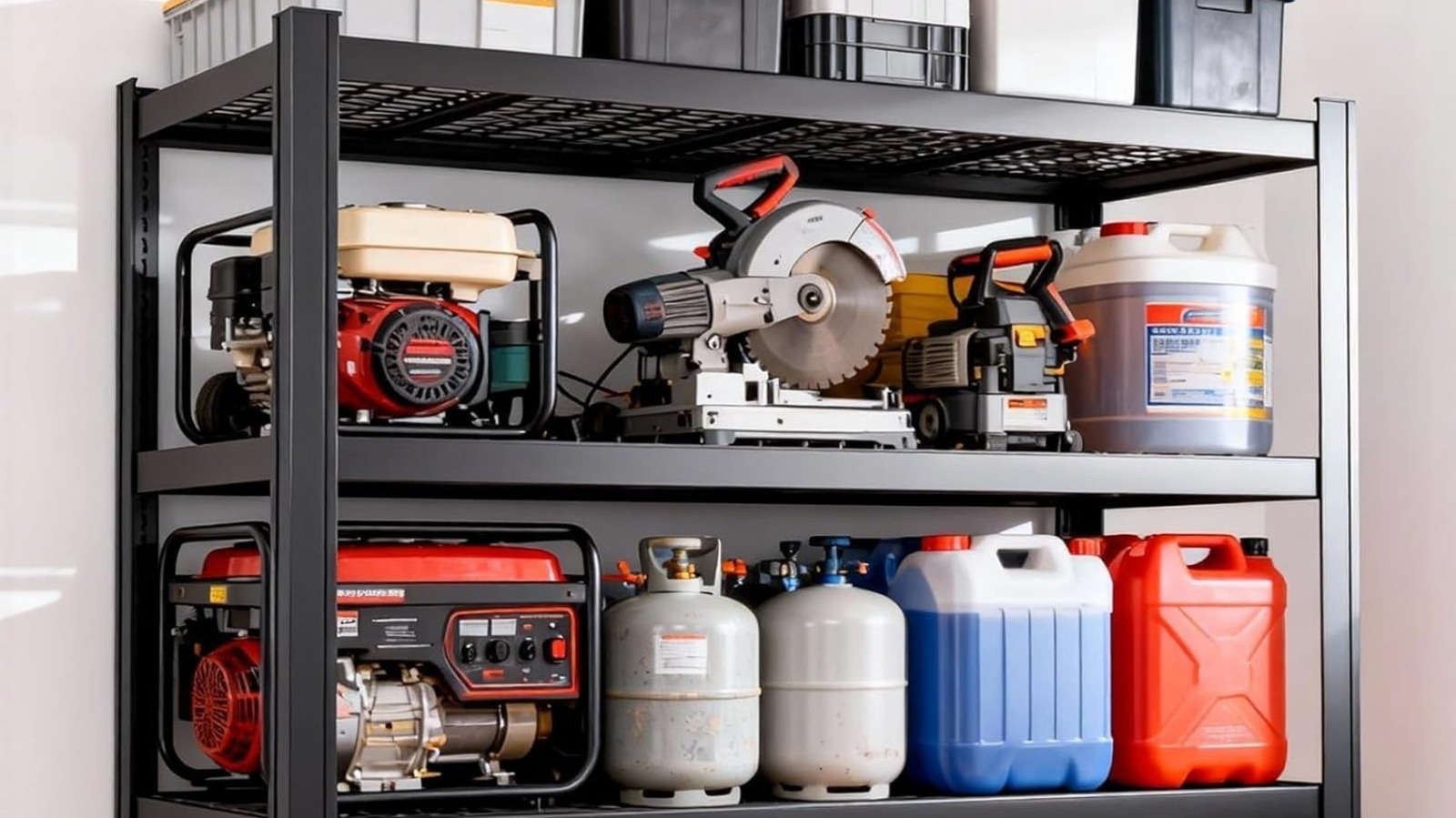
When you store an air compressor without draining it, you’re setting yourself up for a big problem. During compression, moisture leaves the air and settles right at the bottom of its steel tank. This happens since the air around us naturally has water vapor, and when a compressor squeezes a lot of air, that humidity gets really concentrated. Then, as the air cools inside the system, it hits the dew point and turns into a liquid that just collects at the base.

If you don’t drain this water using the release valve, it’ll start eating away at the metal from the inside out. That collected liquid isn’t just pure water either. It often mixes with old lubricants, carbon residue, and pollutants to make an acidic liquid. This fluid acts like a catalyst, speeding up corrosion and rust on the tank’s inner carbon steel surfaces.

Since you can’t see inside, the tank wall can get so thin that it’s no longer safe to hold high pressure. An air receiver actually stores a huge amount of potential energy. If hidden pitting and corrosion have thinned the steel walls, the tank could fail. So make sure to store it properly, and you should also get one from a good brand either way.

Almost empty gas-powered tools

Leaving gasoline in a lawnmower, chainsaw, or leaf blower can lead to a clogged engine. The problem is the fuel’s chemical makeup. Today’s gas has ethanol, and it pulls moisture right out of the air. When you store your equipment for a long time, this water vapor absorption causes a chemical reaction inside its fuel tank.

After a few months, the fuel separates and becomes a thick varnish or gum as it oxidizes. That’s when hydrocarbon chains break down, turning into a sticky, tar-like goo. That acidic water-ethanol mix can also corrode metal fuel lines and internal aluminum or zinc parts, creating a crystalline buildup called white rust. Untreated modern fuel also attacks flexible parts. It makes rubber fuel lines, gaskets, and plastic primer bulbs degrade, turning them brittle and making them crack.

Some owners might think draining the fuel tank completely before winter is the smartest thing to do. However, leaving the carburetor and tank empty actually lets in a lot of oxygen and moist air. This speeds up condensation inside and lets residual fuel droplets quickly oxidize into stubborn varnish. Instead of leaving the system dry, fill the fuel tank full with fresh gas that has a good fuel stabilizer in it. This is a good reason why you may want to stick to electric tools instead of gas.


Source link

Leave a Reply

Subscribe to Our Newsletter

Get our latest articles delivered straight to your inbox. No spam, we promise.

Recent Reviews


Complex-sounding medical procedures are notorious for creating feelings of anxiety in those who face them, and a cystoscopy is no exception. The name itself can sound intimidating, and the idea of a procedure that involves the bladder and urethra might even create additional worry. However, while the term might sound intimidating, a cystoscopy is a relatively quick and straightforward procedure frequently performed right in your doctor’s office.

Learn more about cystoscopies and what you can expect from this common procedure.

What Is a Cystoscopy?

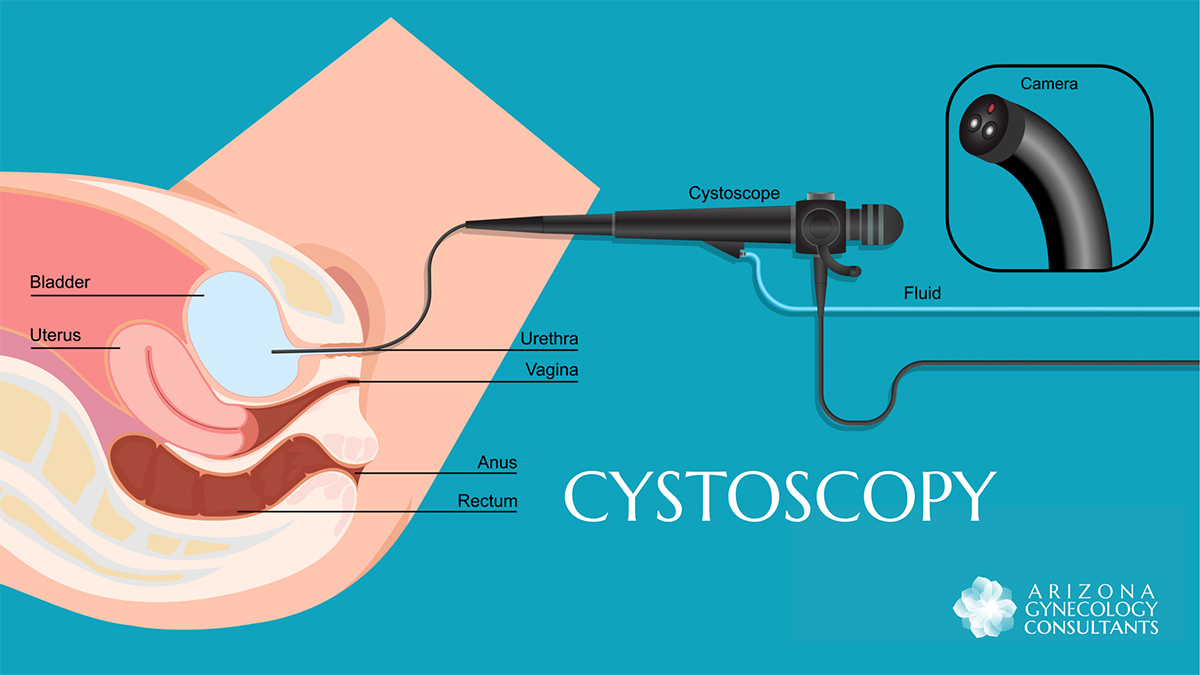
A cystoscopy is a minimally invasive medical procedure performed with the purpose of examining a person’s urethra and bladder for abnormalities. During a cystoscopy, a physician uses a thin, telescope-like tube equipped with a light and a camera called a cystoscope. As the thin tube is gently inserted through the urethra and into the bladder, the camera transmits to a monitor, providing your doctor with a clear view.

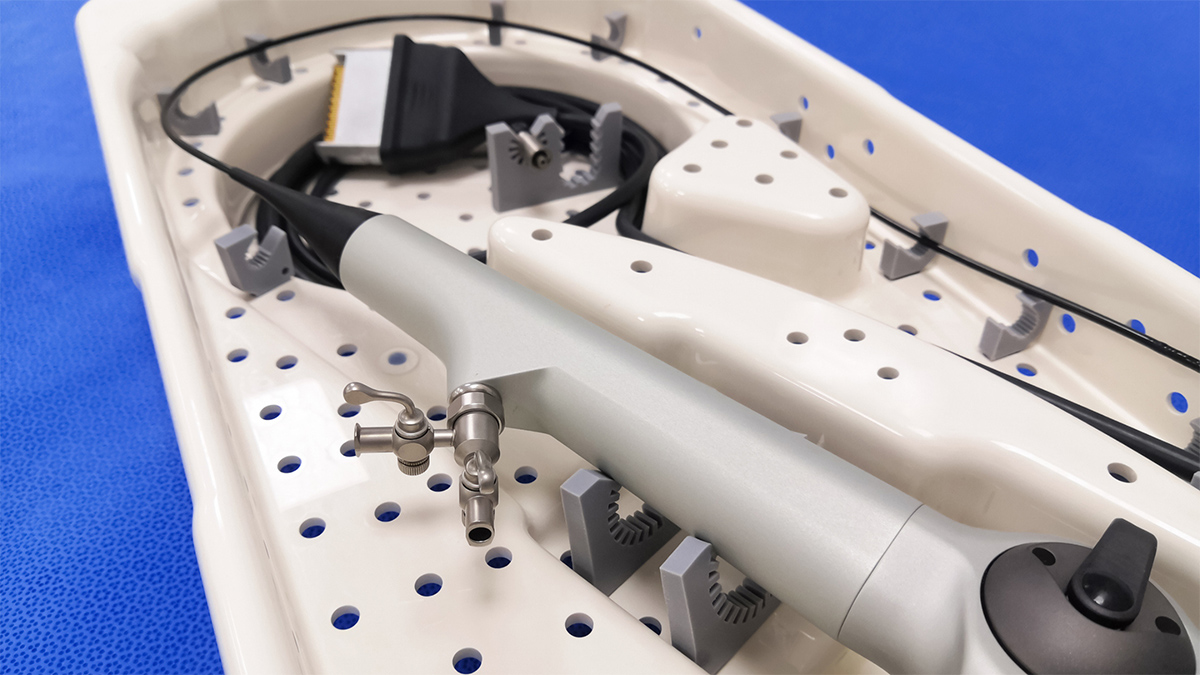
There are two types of cystoscopes: rigid and flexible. As its name suggests, a rigid cystoscope is a straight, relatively firm tube often preferred for its clear images and its ability to enable the smoother passage of other medical instruments for biopsies. A flexible cystoscope is made of thinner, bendable materials that can more easily navigate the curves of the urethra. This can be more comfortable for patients.

Cystoscopy may identify several issues related to the urinary tract

Why Is a Cystoscopy Performed?

Cystoscopy may identify several issues related to the urinary tract.

These can include: 

  • Blood in the Urine (Hematuria) – Identifying the source of blood in the urine is a common reason for performing a cystoscopy. The procedure can reveal infections, bladder stones, tumors, or other abnormalities.
  • Painful Urination (Dysuria) – Cystoscopy can help determine the cause of pain or burning during urination, such as inflammation, infection, or structural issues.
  • Frequent Urination or Urinary Urgency – These symptoms may indicate bladder irritation, an overactive bladder, or other underlying conditions. A cystoscopy can help providers reach a diagnosis.
  • Urinary Incontinence – This procedure can help providers evaluate the bladder and urethra to identify potential cases of incontinence, such as structural problems or nerve issues.
  • Difficulty Starting or Stopping Urination – Cystoscopy could help identify blockages that are creating problems with urination.
  • Recurrent Urinary Tract Infections (UTIs) – If UTIs are frequent, the procedure could help identify contributing factors.
  • Incomplete Voiding – People experiencing the feeling of incomplete bladder emptying may need a cystoscopy to identify the cause.
  • Chronic Pelvic Pain – In some cases, a cystoscopy may be performed to investigate urinary tract involvement in chronic pelvic pain.

In general, cystoscopies give medical providers the opportunity to identify and diagnose bladder, urethral, and urinary tract conditions.

Identify and diagnose bladder, urethral, and urinary tract conditions

A cystoscopy can be used to diagnose:

  • Bladder cancer
  • Bladder stones
  • Bladder inflammation (cystitis)
  • Urethral strictures
  • Congenital abnormalities
  • Foreign bodies
  • Interstitial cystitis/painful bladder syndrome

Other bladder and urethral conditions can be treated using a cystoscopy camera and a tube to guide medical instruments.

Procedures and interventions may include:

  • Removal of small bladder tumors or polyps
  • Removal of bladder stones
  • Widening narrowed areas of the urethra through urethral dilation
  • Overactive bladder injections
  • Placement or removal of stents (small tubes) to relieve blockages
  • Repairing small fistulas, which are abnormal connections between the bladder and other structures.

Early detection and diagnosis are key to avoiding the serious and life-altering complications that can come with bladder and urinary tract issues. Prompt intervention prevents worsening symptoms and the development of chronic conditions, creates the opportunity for more effective treatment, improves outcomes, and boosts survival rates for conditions like urinary tract cancers.

Preparing for the Procedure

If your physician has recommended a cystoscopy, it is crucial that you ask questions and review cystoscopy information so that you are comfortable and informed. Your physician will explain the details of the test to you, including what to expect before, during, and after the procedure.

They will discuss:

  • The purpose of the test
  • Whether it will occur in the office or another outpatient setting
  • How it will be performed
  • Whether local or general anesthesia will be used
  • Any potential risks or discomforts you can expect
  • When and how you can expect to receive the results

Before the procedure, you’ll be asked to sign a consent form. This indicates your agreement to undergo the test. Make sure you review this form thoroughly and ask your healthcare team to clarify anything you may not understand.

Physician has recommended a cystoscopy

If the cystoscopy is used as a diagnostic tool, you’ll likely only need local anesthesia to numb the urethra. However, if the cystoscopy is used to perform a procedure or biopsy, you may require general anesthesia, though this is extremely rare. If so, there will likely be specific fasting guidelines you’ll need to follow before the test. Be sure to carefully follow any instructions you receive about when to stop eating and drinking, or what you might be allowed to drink. You might also receive instructions about following a special diet for one to two days before the test.

Remember:

  • It is crucial to inform your healthcare provider if you are pregnant or suspect that you might be.
  • Let your healthcare provider know if you have any sensitivities or allergic reactions to medications, latex, iodine, tape, or any type of anesthesia.
  • Be sure to inform your healthcare provider of all the prescription and over-the-counter medications you take, including any vitamins, supplements, and herbal remedies.
  • You will need someone to drive you home after receiving sedation or anesthesia.

What to Expect During a Cystoscopy

A cystoscopy is a standard and generally well-tolerated procedure. However, getting informed about what to expect can ease some anxieties you may have.

The process typically begins with your physician positioning you comfortably, which usually  means lying on your back with your knees bent. The medical staff will ensure your privacy and maintain a professional and discreet environment throughout the procedure.

Before the cystoscope is gently inserted, a local anesthetic gel is typically applied to the urethra to numb the area and minimize any discomfort. In some cases, depending on your medical history or anxiety levels, your doctor might recommend light sedation. If another procedure is scheduled, you may receive general anesthesia.

Cystoscope

The cystoscope is then carefully passed through the urethra and into the bladder. Your physician may allow sterile saline to flow into your bladder to help expand it and make the lining of the bladder easier to see. You may feel some pressure or a mild urge to urinate, but the procedure should not be painful. The cystoscopy procedure is generally relatively quick, often taking about 5 to 15 minutes to complete.

After the Cystoscopy: Recovery and Side Effects

Following the procedure, if you received sedation or anesthesia, you will be moved to a recovery area for monitoring. The specifics of this recovery will depend on the type of sedation you received. Once your blood pressure, heart rate, and breathing are consistent and you are awake, you will either be transferred to another room or allowed to go home. You can typically return to your regular diet and activities unless your healthcare provider advises otherwise.

Important Post-Cystoscopy Notes

  • It is important to increase your fluid intake after a cystoscopy to help dilute your urine and ease urinary discomfort.
  • To ease any remaining discomfort, you can apply a warm, damp washcloth over your urethral opening or take a warm bath.
  • It is normal to see some blood in your urine, pink urine, or experience mild burning during urination for the first day or two.
  • Take pain medication for soreness or discomfort only as recommended by your healthcare provider. Avoid aspirin and NSAID medications like ibuprofen and naproxen that may increase bleeding risk.
  • Your doctor may prescribe an antibiotic; be sure to take it as instructed.
  • You should contact your healthcare provider if you experience fever or chills, frequent or urgent need to urinate, inability to urinate, lower back pain, or continued burning or blood in your urine.

Answering Frequently Asked Questions about Cystoscopies

If you are facing a cystoscopy, you may have questions about what to expect before, during, and after the procedure.

Here are some of the most frequently asked questions our patients have about cystoscopy:

Is a Cystoscopy Painful?

For most women, a cystoscopy only causes mild discomfort rather than significant pain. You might feel some pressure or a temporary stinging sensation during insertion. This pressure may feel strange due to the sensitive nature of your urinary system, but cystoscopies are generally a quick process.

At Arizona Gynecology Consultants, we prioritize your comfort and your health. Our experienced team is committed to using only the most gentle, non-invasive techniques during your procedure. We understand that even mild discomfort can be a source of anxiety, and we take every measure to ensure the procedure goes smoothly while you are as comfortable as possible.

Will I Need to Take Time Off Work?

If your cystoscopy will require general anesthesia, you should plan to take the next day off work, but you should likely be able to return on the second day. You should also avoid driving for 24 hours after general anesthesia. If your physician recommends only local anesthesia, you should be able to return to work the next day if you feel well enough.

Do Cystoscopies Have Any Side Effects?

Experiencing a mild, temporary burning sensation during urination after a cystoscopy is not uncommon. The majority of individuals undergoing cystoscopies will have minimal to no side effects. However, if you notice a fever or chills or ongoing painful urination, it is crucial to call your doctor.

What Are The Risks of a Cystoscopy?

While infection is the primary risk associated with a cystoscopy, it is quite uncommon. Introducing bacteria into the urinary tract during the procedure is what causes infections, and infections that occur after cystoscopy are very rare. The only other potential risk is a minimal chance of urethral scar tissue formation due to scope irritation, but this is most common with patients who receive frequent cystoscopies.

When Should I Know the Results of the Cystoscopy?

For a diagnostic cystoscopy, your provider will likely know the results during the procedure. If a biopsy is taken, the results typically take up to two weeks. Please ask your healthcare team when you can expect your results in your records or if you will hear from them directly.

Cystoscopy at Arizona Gynecology Consultants

If you are facing a cystoscopy at Arizona Gynecology Consultants, you can trust our experienced team to provide exceptional care and genuine compassion. Our dedicated physicians and staff have performed many cystoscopies. We approach each unique case with a deep understanding and refined technique.

We believe in clear communication and strive to ensure you feel informed and empowered. Before your cystoscopy, the procedure will be explained to you thoroughly, and any questions or anxieties you may have will be addressed. We understand the personal nature of gynecological health, and our staff is trained to guide you through each step.

If you would like to learn more about AZGYN cystoscopy or have specific questions, we encourage you to visit our services page for more detailed information.

AZGYN_Surgeons

Please do not hesitate to call our office to speak with a member of our caring team. We are here to support your health journey.

Schedule Your Consultation at AZGYN

Urinary issues can be disruptive to your life and lead to additional health concerns. Understanding the root cause of your symptoms is the first step towards finding relief and regaining control over your health. Take the first steps to address your concerns by consulting with a specialist who can ensure you receive an accurate diagnosis and personalized treatment options. Book a consultation with a women’s health specialist at AZGYN today.

The post What Is a Cystoscopy? appeared first on AZGyn.


Source link