This Truck Tire Brand Gets JD Power’s Lowest Customer Satisfaction Score In 2026


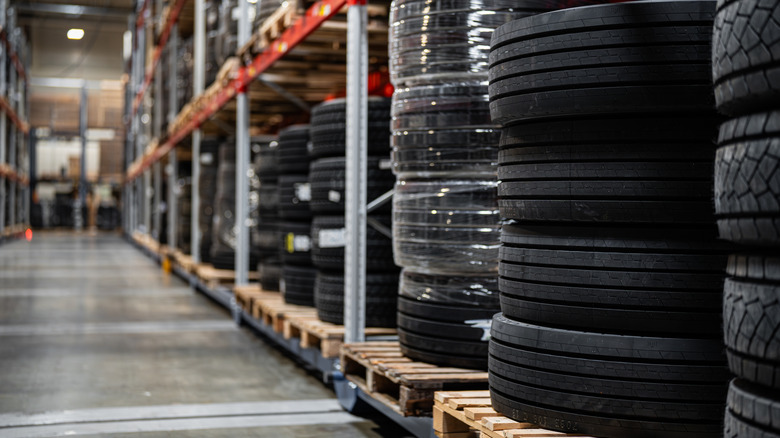
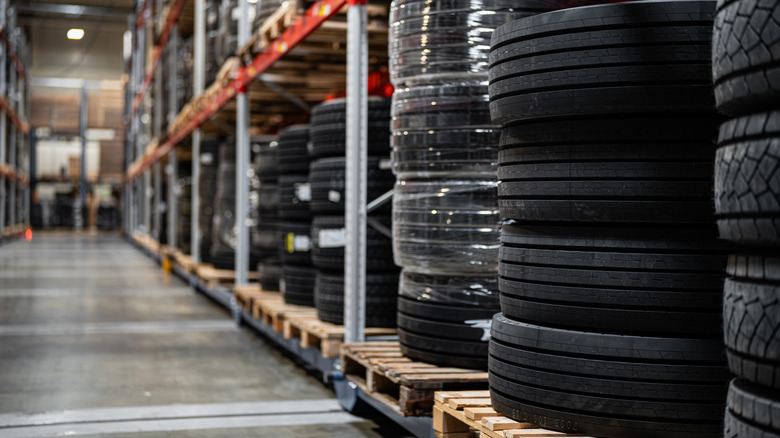
If there’s one thing that most car, truck, or SUV owners can agree on, it’s that outfitting those vehicles with new tires is frequently prohibitively expensive. That is, perhaps, more true for trucks and utility vehicles than your run-of-the-mill sedan, however, if only because most truck tires tend to be larger and require a different level of toughness than an average everyday driver.

Given the fact, most truck owners no doubt consider price point one of the primary deciding factors when it is time for a new set of tires. The quality of the tires themselves is surely high on most lists of qualifiers too, particularly when you account for the sheer number of brands now available to consumers. If, however, you are considering a truck tire from one of the major tire manufacturers, a recent J.D. Power study contends that there is a well-known brand that you should probably avoid — Hankook. J.D. Power shows that consumers have made it clear that truck tires from the South Korean manufacturer are among the worst on the market.

In total, consumers awarded Hankook’s truck tires just 750 points of the 1,000 available in the satisfaction survey. If you’re curious, said survey focuses primarily on four areas of customer satisfaction, with J.D. Power ranking ride quality, tire wear, traction and handling, and tire appearance in order of importance. Almost 40,000 consumers were surveyed overall, focusing on owners of vehicles from the 2023 to the 2025 model year.

How other brands fared in the JD Power Truck Tire ranking

For point of reference, that 750-point score placed Hankook’s truck tires behind nine other manufacturers in the J.D. Power study. It also rated the brand well below the segment average of 775 points. Hankook was, however, not the only notable tire brand whose truck and utility models were rated below that average by consumers, with General Tires, Continental, Falken, and, Goodyear also failing to breach that threshold, scoring 758, 763, 771, and 773 points respectively.

Goodyear — one of the world’s oldest tire makers — is perhaps the most surprising brand to place in the lower end of the truck and utility vehicle tire market, as it has long held a strong reputation in that particular market. Still, it would seem plenty of real world customers are less than satisfied with their truck’s Goodyear tires.

Which brands fared better in this survey? As you’d expect, there are some very recognizable brand names listed in the top five, with Bridgestone, Firestone, Michelin and BFGoodrich placing fifth, fourth, third and second in the J.D. Power study. They did so with scores of 776 points, 781 points, 788 points, and 790 points in that order. Topping the list is, perhaps, another surprise for truck tire consumers, with Pirelli taking customer satisfaction honors in the truck tire market segment. In fact, the Italian tire maker was the only brand to crack the 800-point barrier, doing so narrowly with a total of 801.


Source link

Leave a Reply

Subscribe to Our Newsletter

Get our latest articles delivered straight to your inbox. No spam, we promise.

Recent Reviews


In the ever-shifting geopolitical sphere, China’s growing military presence and the ongoing tensions over Taiwan and the South China Sea continue to be a closely watched topic — particularly in regard to China’s ambition for naval power. In recent years, much speculation has been made over the country’s rapid military development, including the capabilities of the newest Chinese amphibious assault ships.

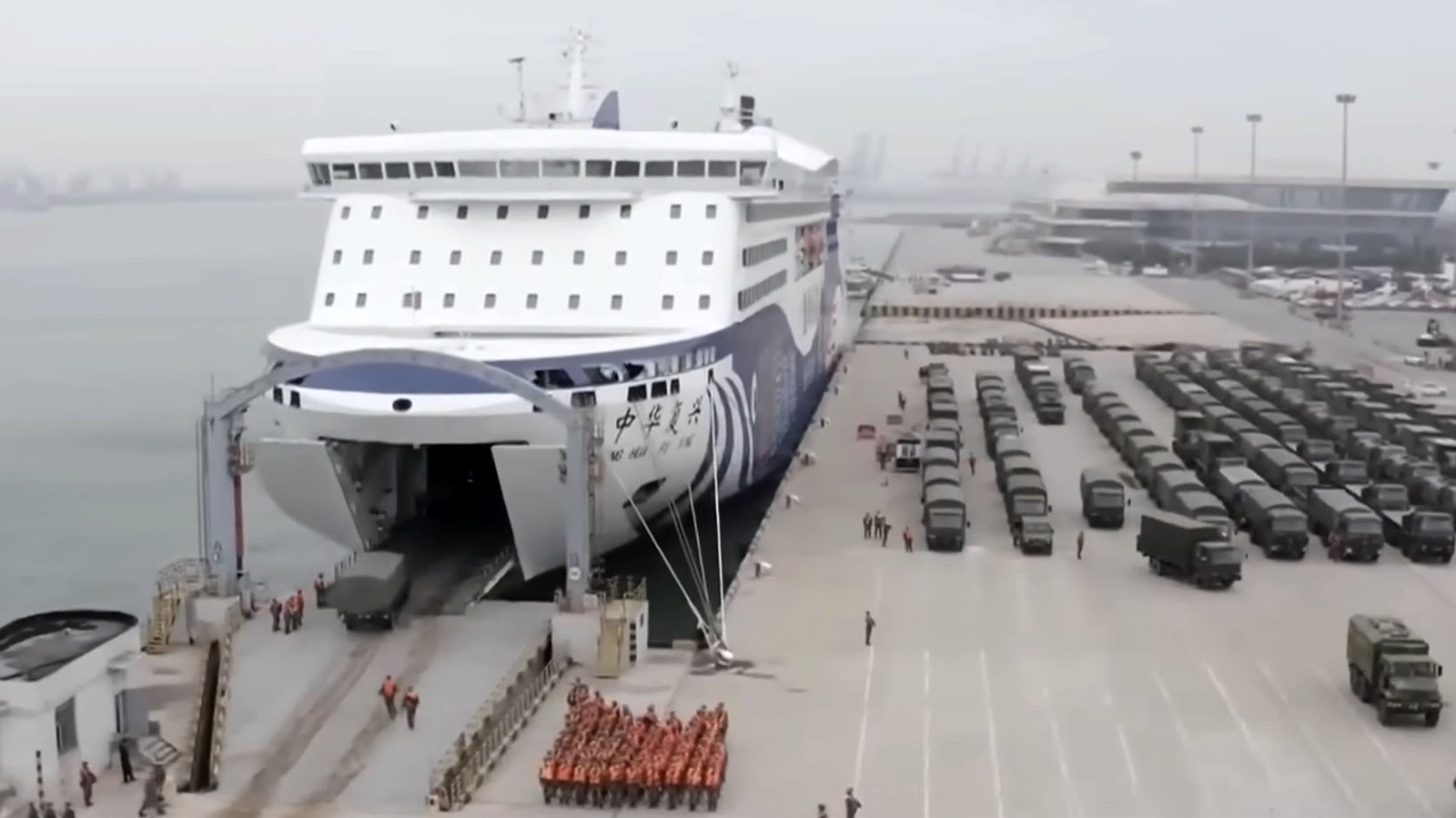
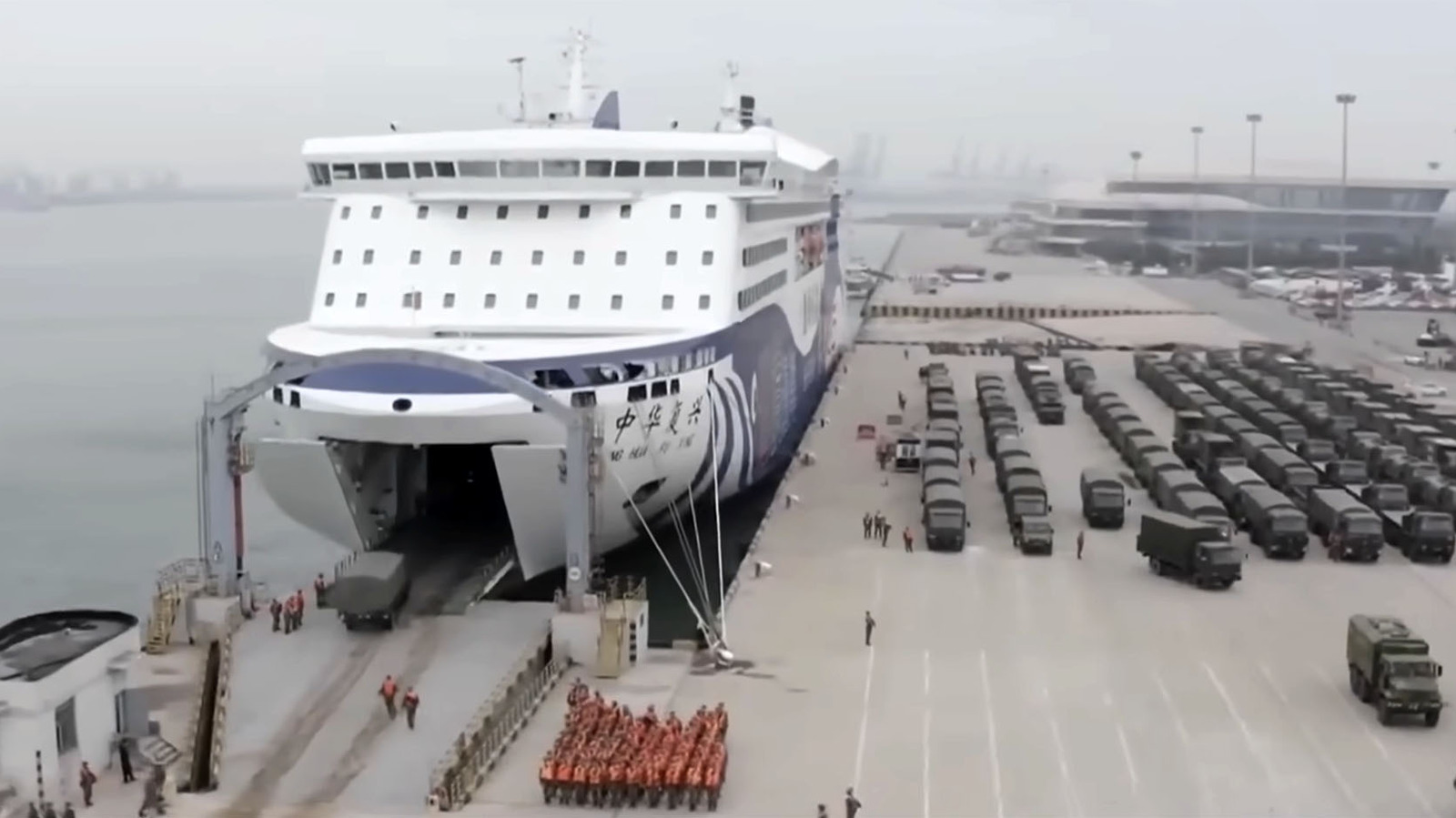
While there’s no denying its military advancements and buildup, much has been made about the logistical and military difficulties that China’s People’s Liberation Army (PLA) would face if it launched an amphibious invasion of Taiwan. However, there’s growing concern that if a Taiwan invasion were to happen, it wouldn’t just be military vessels taking part in the action, but a fleet of commercial vessels, too — including a massive new car ferries that could quickly be repurposed into valuable military transports.

While the possibility of the PLA using commercial vessels for military operations has always been on the table for a potential Taiwan invasion, the scale with which China has been expanding its commercial shipbuilding industry has become a big factor in the PLA’s projection of logistical and military power across the Taiwan Strait. It’s also raised ethical concerns over the idea of putting merchant-marked ships into combat use.

From car ferry to military transport

The rapid growth of modern Chinese industrial capacity is well known, with Chinese electric vehicle factories now able to build a new car every 60 seconds. Likewise, China has developed a massive shipbuilding industry over the last 25 years, with the country now making up more than half of the world’s shipbuilding output. It’s from those two sectors where China’s latest vehicle-carrying super vessels are emerging. 

With a capacity to carry over 10,000 new vehicles for transport from factories in Asia to destinations around the world, these ships, known as roll-on/roll-off (Ro-Ro) ferries, are now the biggest of their type in the world. The concept of the PLA putting civilian ferries into military use is not a new one, or even an idea China is trying to hide. Back in 2021, China held a public military exercise where a civilian ferry was used to transport both troops and a whole arsenal of military vehicles, including main battle tanks.

The relatively limited conventional naval lift capacity of the PLA is something that’s been pointed out while game-planning a Chinese amphibious move on Taiwan, and it’s widely expected that the PLA would lean on repurposed civilian vessels to boost its ability to move soldiers and vehicles across the Taiwan Strait. With these newer, high-capacity Ro-Ro ferries added to the fleet, the PLA’s amphibious capacity and reach could grow significantly.

A makeshift amphibious assault ship

However, even with the added capacity of these massive ferries, military analysts have pointed out that Ro-Ro ships would not be able to deploy vehicles and soliders directly onto a beach the way a purpose-built military amphibious assault ship can. Traditionally, to deploy vehicles from these ships, the PLA would first need to capture and then repurpose Taiwan’s existing commercial port facilities into unloading bases for military vehicles and equipment.

However, maybe most alarming is that satellite imagery and U.S. Intelligence reports show that, along with increasing ferry production output, the PLA is also working on a system of barges and floating dock structures to help turn these civilian ferries into more efficient military transports. With this supporting equipment in place, ferries may not need to use existing port infrastructure to bring their equipment on shore.

Beyond the general military concern over China’s growing amphibious capability, there are also ethical concerns if China is planning to rapidly put a fleet of civilian merchant vessels into military service. If the PLA were to deploy these dual-purpose vessels into direct military operations, the United States and its allies would likely be forced to treat civilian-presenting ships as enemy combatants. On top of all the other strategic challenges a Taiwan invasion would bring, the U.S. having to navigate the blurred legal lines between military and merchant vessels could potentially give China a strategic advantage amidst the fog of war.


Source link