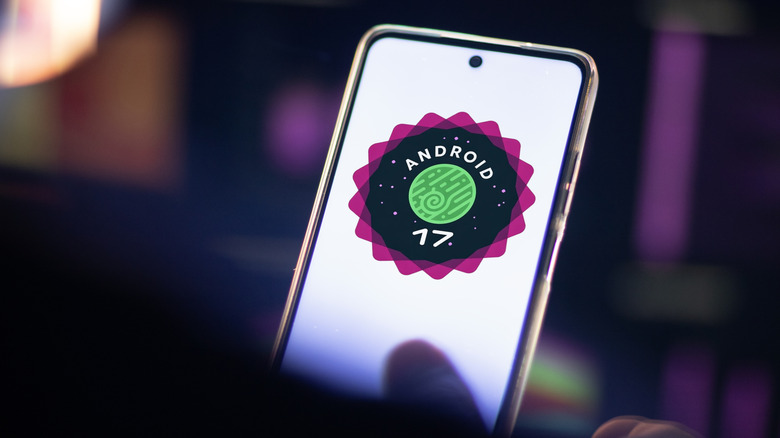

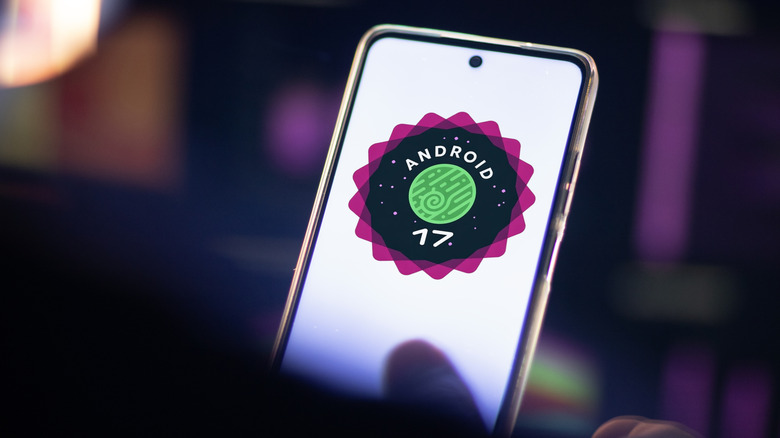
Android 17, the next major version of Google’s mobile operating system, is currently undergoing beta testing and is expected to be released to the general public in June 2026. Naturally, Google’s Pixel lineup will be first in line to receive this update. Unlike iOS, which is exclusive to iPhones, Android is an operating system used by countless manufacturers worldwide, and most of them like to add a little fluff of their own. This means your smartphone may get the Android 17 update anywhere from a few days to a few months after Google’s official release.
Of course, this is assuming your phone is set to receive the update in the first place. If your Android phone was released in the past two or three years, there’s a good chance that it will. The Ecodesign Requirements laid out by the European Union require every manufacturer to push operating system updates to its smartphone models for at least five years. Major Android vendors that operate in the U.S. adhere to these guidelines, with certain manufacturers like Google and Samsung going above and beyond to deliver up to seven years of major Android updates.
This means the Galaxy S26, S25, S24, and S23 series are very likely to receive the Android 17 update. This is also probably true of the Galaxy Z Fold 5 and Z Flip 5 and newer, and recent models of the Galaxy A and M-series. As for Google, the company has confirmed every phone and foldable going back to the Pixel 6a will be updated to Android 17.
What about other Android manufacturers?
Plenty of other smartphone manufacturers exist besides Samsung and Google in the Android space. However, not all of them seem to play by the EU’s rulebook — or may have found loopholes. For instance, Nothing currently promises only up to four years of major updates to its recent flagship phones. The Nothing Phone (3) and Phone (4a) series should receive Android 17. The Nothing Phone (1), Phone (2), and the CMF Phone 1 are likely to be skipped.
Motorola’s update policy is all over the place, too. The company’s website does list a software upgrade guide tool, but in our experience, it hasn’t been very helpful in displaying exactly how many years of updates a phone is set to receive. That said, newer models of the Razr and Edge series should get an Android 17 update.
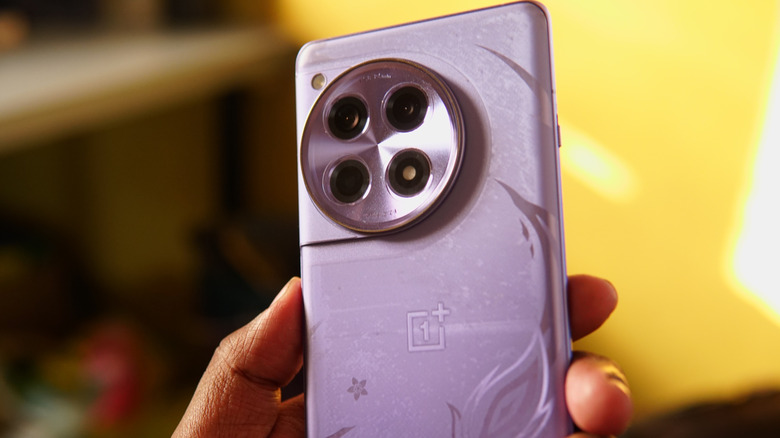
Then there are the likes of OnePlus and Oppo — fortunately they do have clearer software upgrade policies. The former has a community post that details which of its phones will receive new Android updates. OnePlus offers four years of Android updates for its flagship models — so the OnePlus 11, 12, 13, and 15 should get the latest update. Its Nord series gets a little less love, though. Oppo’s flagships also get up to four years of Android updates, while its mid-range and budget-oriented smartphones get fewer. If you own an Oppo Find or Reno-series smartphone from the past two years, you should receive Android 17.
Staying up-to-date with the latest Android version
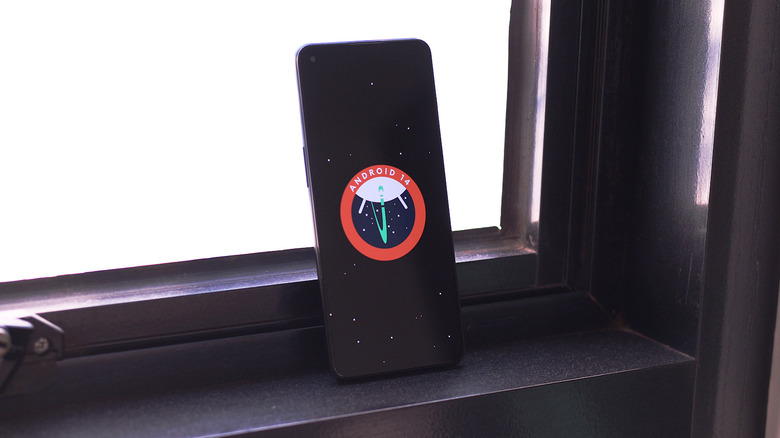
The sheer number of Android smartphones that are released each year by dozens of manufacturers has led to unavoidable fragmentation. A quick litmus test to see if your phone is eligible for the Android 17 update is to first check if it’s sitting on a newer build of Android 16. If it’s falling behind already, there’s a good chance it won’t see Android 17 either. You can check for updates on your Android smartphone, usually by navigating to Settings > System > Software Update. The exact menu names will differ from smartphone to smartphone.
Some key new features in Android 17 include a way to hide app labels on the home screen, a better way to record your screen, and the ability to use any app in a floating bubble. It’s worth noting that these are all features we’ve seen Google release in the developer builds of Android 17 so far, and the final release may treat these additions differently.
Most Android vendors also slap their own aesthetics on top of stock Android. This means the version of Android 17 on a OnePlus phone running OxygenOS will look very different from what a Pixel smartphone running Google’s Android experience will offer. On a side note, even if your phone isn’t due for the Android 17 upgrade, it likely will continue to receive security updates that are essential for patching exploits.

Stephan is the sports journalist for the Maple Grove Report.