How Do The Family Of Michelin Defender Tires Differ From One Another?


If you’re in the market for a new set of tires, Michelin is a brand that you will almost certainly consider for your car, truck, or SUV. The iconic manufacturer is, after all, regularly ranked among the best of the major tire brands. Perhaps more importantly, in recent customer satisfaction surveys, Michelin was also tabbed as one of the best options in the market.

Reputation aside, even if you manage to narrow your options down to Michelin when you are shopping for new tires, there are still quite a few more decisions to make, as there are several product lines and models bearing the brand’s distinctive logo. One option that seems well worth a look is the Michelin Defender, though even looking at that tire will require a little extra sleuthing. That’s because Michelin now features an entire family of tires under the greater Defender banner.

If you’re unfamiliar with the Defender family, Michelin touts them as a cutting-edge addition to their lineup, claiming they are designed and manufactured to be more durable and longer-lasting than some other tires on the market. If the testimonials on Michelin’s Defender product page ring true, those claims may be for real. At present, there are three variations of Defender in the family, including the standard Defender2, the Defender LTX M/S 2, and the Defender LTX Platinum, and yes, they are all designed for use on different types of vehicles. Here’s how Michelin’s Defender tires differ from each other. 

Different Defenders are for different styles of vehicle

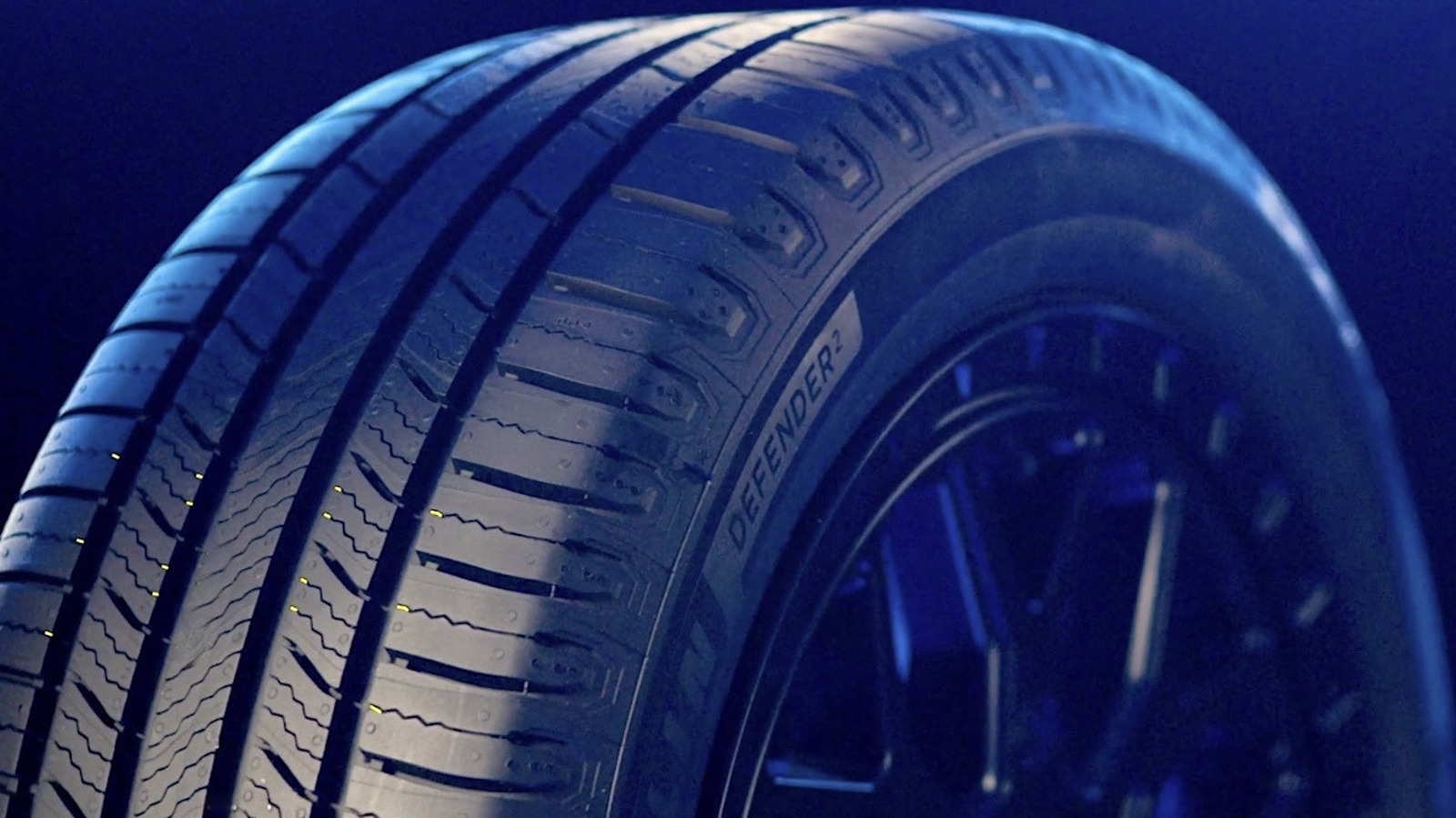
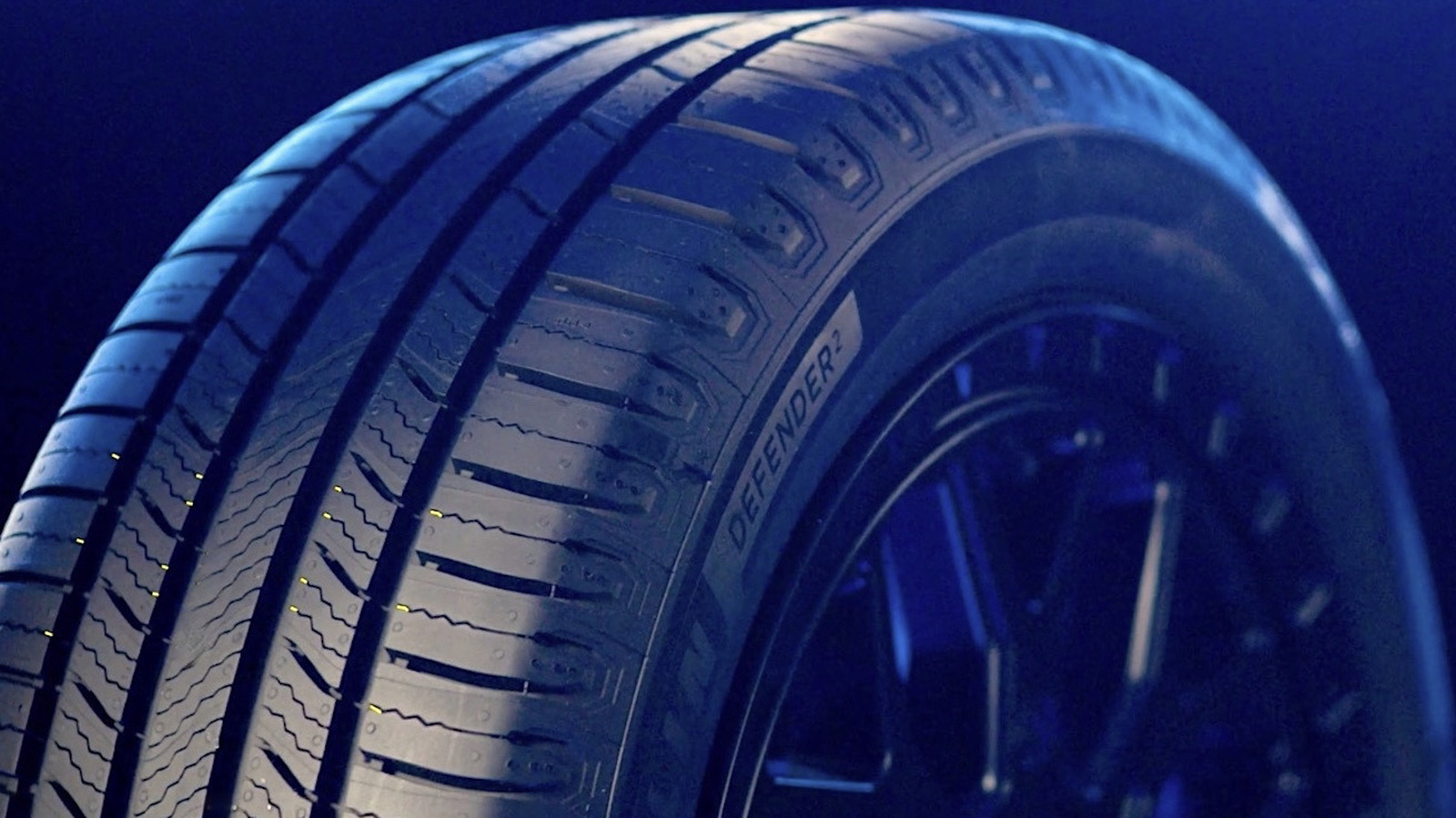
As for Michelin’s claims about its Defender tires, the French tire manufacturer says the Defender2 is actually its longest-lasting model and outlasted several competitors by more than 25,000 miles during testing. As such, Michelin backs them with an impressive 80,000-mile treadwear warranty. The brand also posits the Defender2 — made with Michelin’s  MaxTouch 2.0 and EverTread 2.0 compounds — as a versatile all-season on-road tire capable of delivering a smooth, quiet ride on wet or dry roads to most sedans, CUVs, and smaller SUVs.

If you’re driving a larger vehicle that regularly encounters muddy or snowy conditions, the Defender2 may not suffice. Thankfully, Michelin leveled up the Defender style with the Defender LTX M/S 2. While that LTX designation doesn’t mean quite what you might assume, the tires are intended for use on smaller pickup trucks, vans, and larger SUVs. Backed by a 75,000-mile treadwear warranty, Michelin claims the tires offer “best-in-class” performance, with its full-depth SipeLock sipes providing optimal traction and performance in wet and snowy conditions, along with a quiet, comfortable ride. 

Yes, Michelin also makes a Defender tire for that luxury, heavy-duty pickup you drive to the job site every morning, and the warranty on the Defender LTX Platinum is still impressive, 70,000 miles. Like its siblings, the LTX Platinum is an all-season tire designed with advanced compounds to deliver a smooth, quiet on-road driving experience. Michelin also gave the LTX Platinum a distinctive tread pattern and full-ring velour sidewall design to ensure they’re as stylish as they are tough. For what it’s worth, some customers even claim these tires improved their pickup’s fuel economy.


Source link

Leave a Reply

Subscribe to Our Newsletter

Get our latest articles delivered straight to your inbox. No spam, we promise.

Recent Reviews


In the ever-shifting geopolitical sphere, China’s growing military presence and the ongoing tensions over Taiwan and the South China Sea continue to be a closely watched topic — particularly in regard to China’s ambition for naval power. In recent years, much speculation has been made over the country’s rapid military development, including the capabilities of the newest Chinese amphibious assault ships.

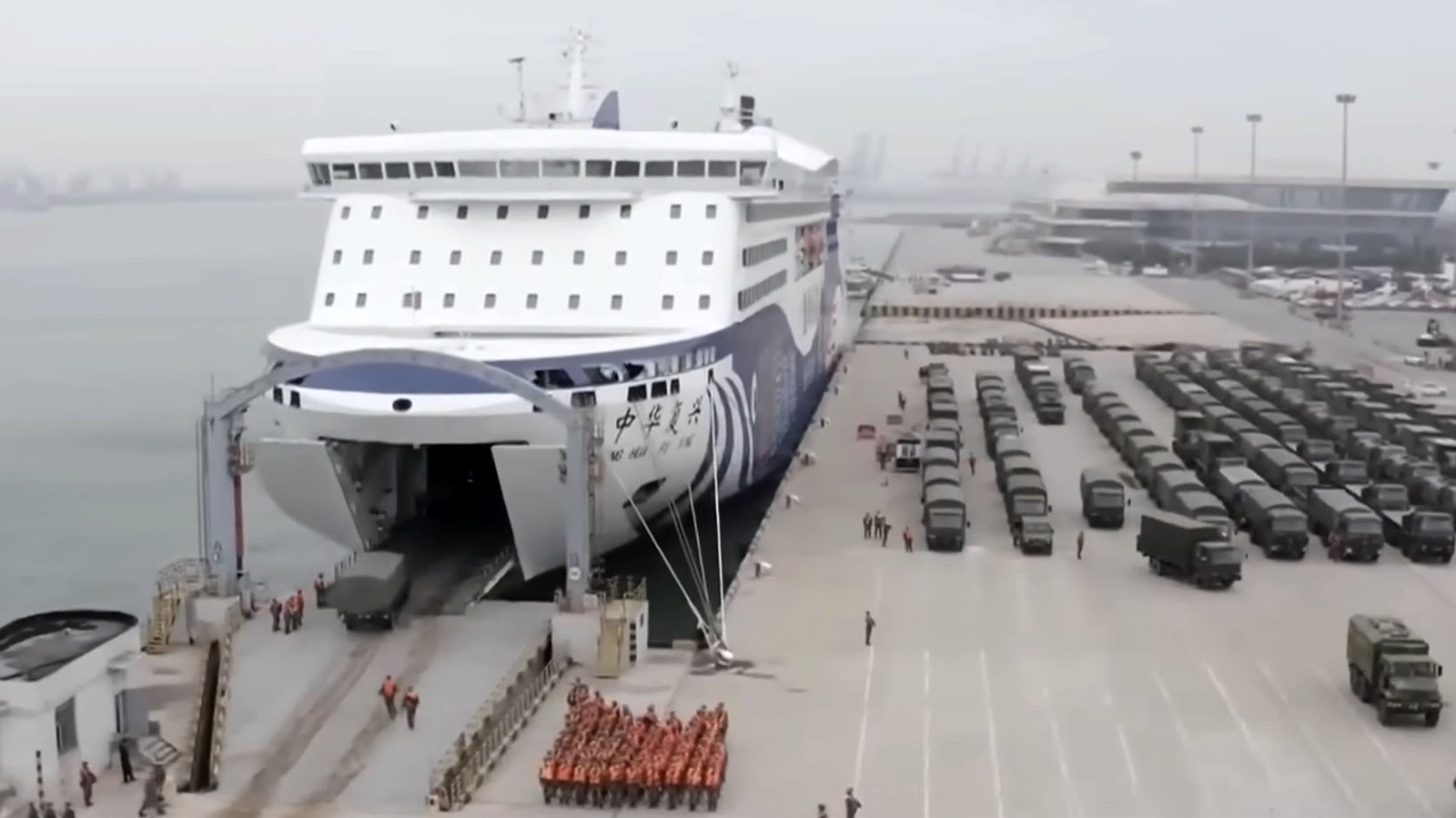
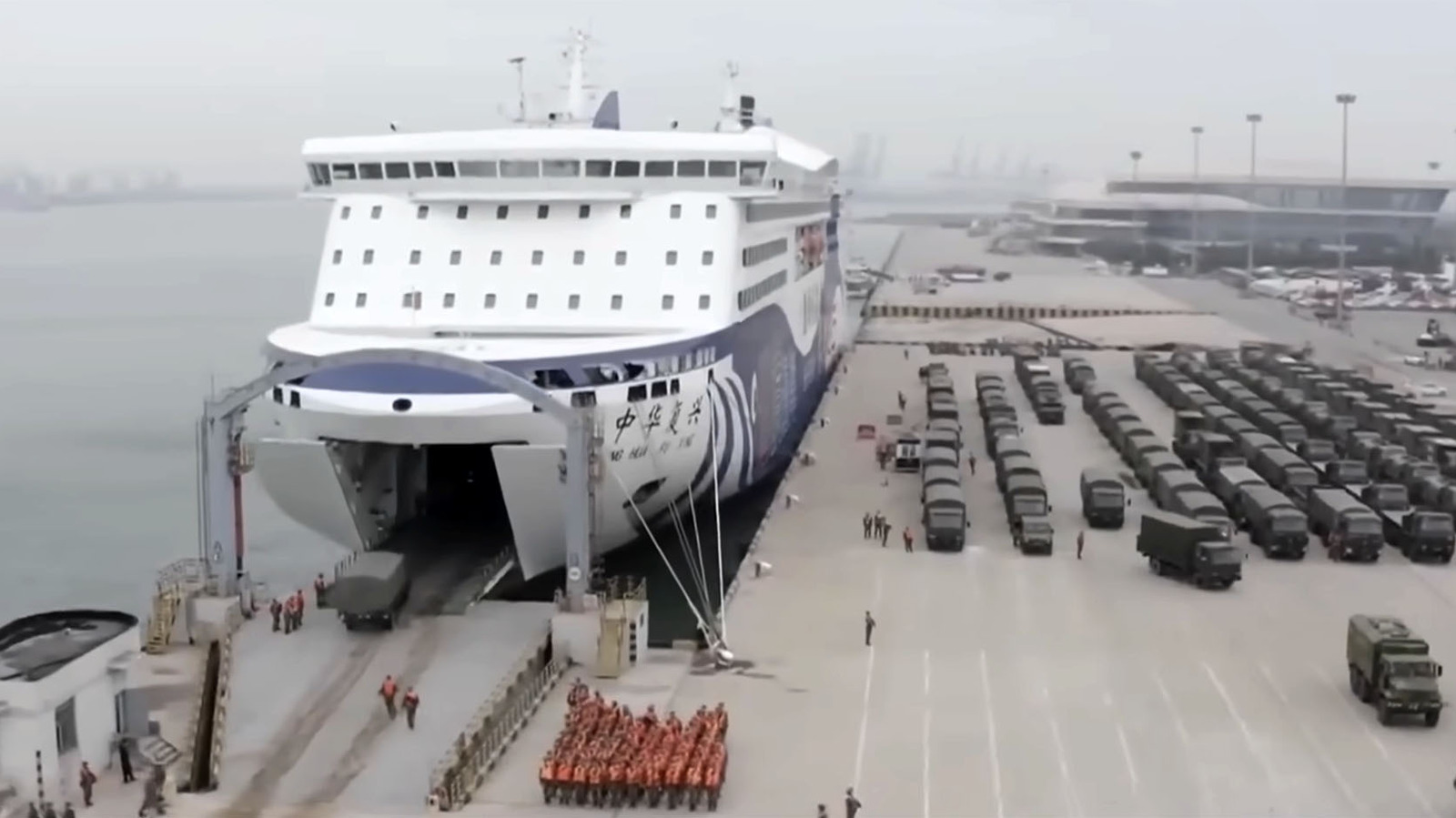
While there’s no denying its military advancements and buildup, much has been made about the logistical and military difficulties that China’s People’s Liberation Army (PLA) would face if it launched an amphibious invasion of Taiwan. However, there’s growing concern that if a Taiwan invasion were to happen, it wouldn’t just be military vessels taking part in the action, but a fleet of commercial vessels, too — including a massive new car ferries that could quickly be repurposed into valuable military transports.

While the possibility of the PLA using commercial vessels for military operations has always been on the table for a potential Taiwan invasion, the scale with which China has been expanding its commercial shipbuilding industry has become a big factor in the PLA’s projection of logistical and military power across the Taiwan Strait. It’s also raised ethical concerns over the idea of putting merchant-marked ships into combat use.

From car ferry to military transport

The rapid growth of modern Chinese industrial capacity is well known, with Chinese electric vehicle factories now able to build a new car every 60 seconds. Likewise, China has developed a massive shipbuilding industry over the last 25 years, with the country now making up more than half of the world’s shipbuilding output. It’s from those two sectors where China’s latest vehicle-carrying super vessels are emerging. 

With a capacity to carry over 10,000 new vehicles for transport from factories in Asia to destinations around the world, these ships, known as roll-on/roll-off (Ro-Ro) ferries, are now the biggest of their type in the world. The concept of the PLA putting civilian ferries into military use is not a new one, or even an idea China is trying to hide. Back in 2021, China held a public military exercise where a civilian ferry was used to transport both troops and a whole arsenal of military vehicles, including main battle tanks.

The relatively limited conventional naval lift capacity of the PLA is something that’s been pointed out while game-planning a Chinese amphibious move on Taiwan, and it’s widely expected that the PLA would lean on repurposed civilian vessels to boost its ability to move soldiers and vehicles across the Taiwan Strait. With these newer, high-capacity Ro-Ro ferries added to the fleet, the PLA’s amphibious capacity and reach could grow significantly.

A makeshift amphibious assault ship

However, even with the added capacity of these massive ferries, military analysts have pointed out that Ro-Ro ships would not be able to deploy vehicles and soliders directly onto a beach the way a purpose-built military amphibious assault ship can. Traditionally, to deploy vehicles from these ships, the PLA would first need to capture and then repurpose Taiwan’s existing commercial port facilities into unloading bases for military vehicles and equipment.

However, maybe most alarming is that satellite imagery and U.S. Intelligence reports show that, along with increasing ferry production output, the PLA is also working on a system of barges and floating dock structures to help turn these civilian ferries into more efficient military transports. With this supporting equipment in place, ferries may not need to use existing port infrastructure to bring their equipment on shore.

Beyond the general military concern over China’s growing amphibious capability, there are also ethical concerns if China is planning to rapidly put a fleet of civilian merchant vessels into military service. If the PLA were to deploy these dual-purpose vessels into direct military operations, the United States and its allies would likely be forced to treat civilian-presenting ships as enemy combatants. On top of all the other strategic challenges a Taiwan invasion would bring, the U.S. having to navigate the blurred legal lines between military and merchant vessels could potentially give China a strategic advantage amidst the fog of war.


Source link