FBI Arrests Teen Hacker After Massive PowerSchool Breach


“I’ve been hacked” is a more and more common refrain these days. You may be talking about a simple hack, like a compromised Facebook or email account, or a more critical breach into your bank account or credit card. The numbers illustrate the frightening reality for our personal information. In 2025, the Identity Theft Resource Center reported 3,322 data breaches, a new record, affecting more than 278 million people.

If you sometimes feel like your data is never safe, well, you may not be that far off the mark. Even our kids aren’t immune — in 2024, a major breach involving a company called PowerSchool exposed the personal details of about 60 million children and 10 million teachers. The culprit? A 19-year-old college student named Matthew Lane.

PowerSchool is a provider of cloud-based software that helps schools manage data, including attendance, grades, schedules, records, and more. It offers parent/student portals along with tools for both administrative functions and student life. Lane gained access to PowerSchool using credentials swiped from a contractor who worked with the company and stole sensitive records, including grades, discipline records, and personally identifiable information. And he didn’t stop there. He then demanded about $3 million from PowerSchool to delete the information, which the company paid because it thought it was the best way to keep the data private. Lane was caught mere months later — where is he today, and what implications does this breach have for the future?

More than just a youthful transgression

While many of his peers were skipping class, Matthew Lane launched what’s been called an unprecedented breach of student personal information. About 80% of school districts in the U.S. use PowerSchool, and leaked data included social security numbers, birth dates, medical information, and more. Lane, who later stated that he was addicted to hacking, was sentenced to four years in federal prison and three years of supervised release. He later told ABC News he was thankful to the FBI for catching him and agreed with the punishment.

The incident was not the first for Lane, who allegedly targeted other companies and even foreign governments when he was only in high school. He also enjoyed the spoils of his crimes, spending money on clothing, jewelry, vehicles, and more. And while it’s easy to make jokes about the mischief that teenagers typically get into, the average age of cybercriminals is only 19 years old, the same age as Lane when he gained access to PowerSchool.

In response to the breach, PowerSchool offered a complimentary identity protection service to affected individuals, but many individual school districts received ransom demands months after the initial breach. In addition to prison time, Lane was ordered to pay $14.1 million in restitution and a $25,000 fine. PowerSchool is facing multiple lawsuits, and the breach is yet another example of how vulnerable our personal information is online. Lane hopes to one day work with kids to help them avoid the same mistakes he made, but as we move further into the digital age, experts recommend using strong, unique passwords; using two-factor authentication, even if it’s not foolproof; and freezing accounts when necessary.


Source link

Leave a Reply

Subscribe to Our Newsletter

Get our latest articles delivered straight to your inbox. No spam, we promise.

Recent Reviews


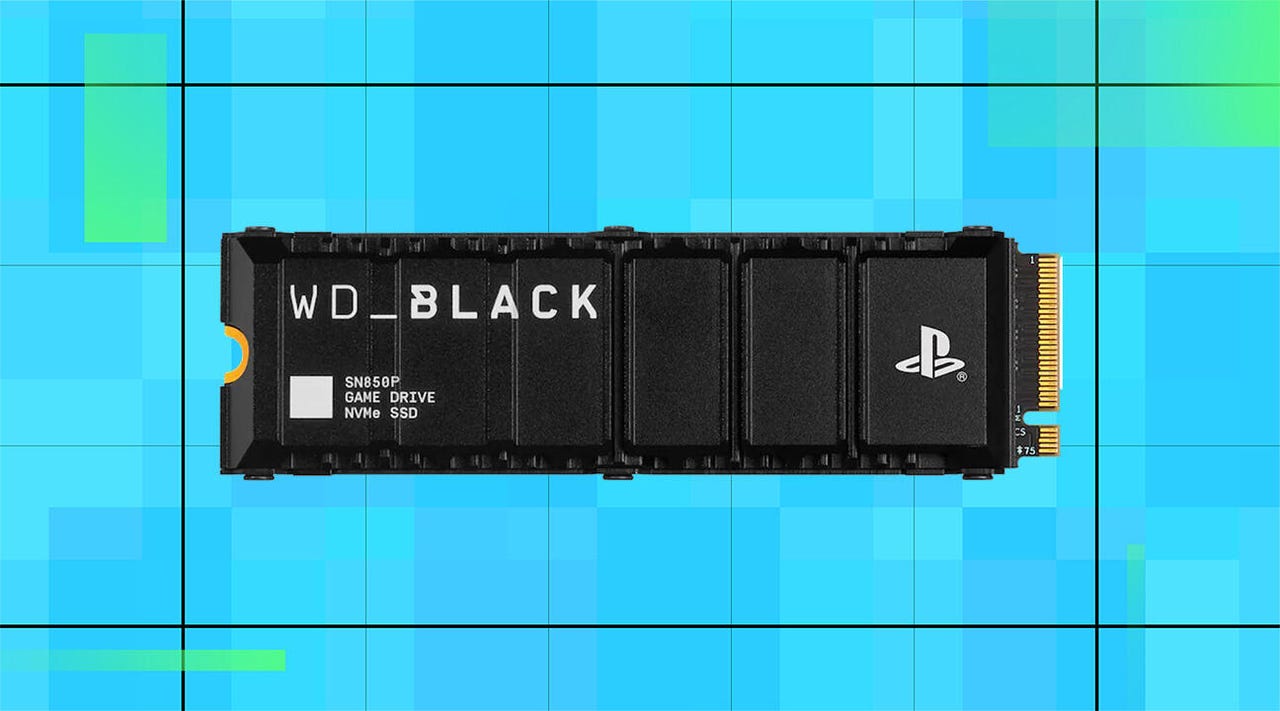
A WD Black SN850P SSD on a blue background

WD/ZDNET

High SSD prices got you down? Right now during Best Buy’s Tech Fest sale, you can save up to $2,800 on the WD Black SN850P storage drive. And while it’s officially licensed for use with PlayStation 5 consoles, it’s easy to reconfigure for use in gaming laptops and desktops for a boost in storage capacity. 

Also: The best Amazon Spring Sale deals: Save on streaming, Apple, Samsung, and more

Available in capacities from 1TB to 8TB, the WD Black SN850P can double, or even quadruple, your available storage space, giving you plenty of room for large game downloads, save files, screenshots, highlight reels, and more. With read and write speeds up to 7300 and 6600 MB/s, respectively, you’ll get much faster loading times than traditional HDDs as well as quicker access to your favorite apps, games, and programs.

Also: SSD vs HDD: What’s the difference, and which should you buy?

The integrated heatsink helps keep everything running at optimal temperatures to prevent data loss or corruption due to overheating. It can also be removed for easier installation in smaller PCs. 

By using flash memory rather than traditional mechanical platters, the WD Black SN850P can provide you with years of reliable data access with much less risk of internal damage due to shocks and bumps.

How I rated this deal 

Prices for RAM and SSD storage drives have skyrocketed as AI companies buy up available stock to power LLMs. And while this particular model is licensed for use with the PS5, you can quickly reconfigure it for use in laptops and desktop PCs. The 2TB model is marked down to $400, bringing it closer to pre-AI pricing, and the 8TB version is almost $2,800 off. While it’s still very expensive, it’s the lowest price I’ve seen on a high-end SSD in a long time. That’s why I gave this deal a 5/5 Editor’s rating.

Deals are subject to sell out or expire anytime, though ZDNET remains committed to finding, sharing, and updating the best product deals for you to score the best savings. Our team of experts regularly checks in on the deals we share to ensure they are still live and obtainable. We’re sorry if you’ve missed out on this deal, but don’t fret — we’re constantly finding new chances to save and sharing them with you at ZDNET.com


Show more

We aim to deliver the most accurate advice to help you shop smarter. ZDNET offers 33 years of experience, 30 hands-on product reviewers, and 10,000 square feet of lab space to ensure we bring you the best of tech. 

In 2025, we refined our approach to deals, developing a measurable system for sharing savings with readers like you. Our editor’s deal rating badges are affixed to most of our deal content, making it easy to interpret our expertise to help you make the best purchase decision.

At the core of this approach is a percentage-off-based system to classify savings offered on top-tech products, combined with a sliding-scale system based on our team members’ expertise and several factors like frequency, brand or product recognition, and more. The result? Hand-crafted deals chosen specifically for ZDNET readers like you, fully backed by our experts. 

Also: How we rate deals at ZDNET in 2026


Show more


Source link