
The Apple Watch is known for its workout tracking accuracy and being an extension of the iPhone. But over the past few years, it’s also established itself as something of a lifeline for when people go missing. A growing number of cases have proven the watch’s knack for this. For instance, back in 2020, during a kidnapping in Selma, Texas, the victim managed to call her daughter through her Apple Watch. While the call got cut short, it was still enough for the police — they used an emergency cellular ping to track the watch’s location and got her out.
The real reason why all this is on our radar right now, though, is the disappearance of Nancy Guthrie, the 84-year-old mother of NBC Today co-anchor Savannah Guthrie. She went missing from her Tucson home on February 1, and as of writing, she’s yet to be found. Investigators are treating it as a suspected abduction. Her Apple Watch was found left behind, and once again, it’s proven helpful. Her implanted pacemaker had been syncing with the watch, and using that synced data, the police were able to determine that the connection dropped at roughly 2 a.m. on February 2. A WPBF report states that more details could still be revealed, since the Apple Watch monitors movement and tracks heart rate with great accuracy. So while Guthrie hasn’t been found, the data the watch collected has helped investigators narrow down when things went wrong.
How your Apple Watch can actually help keep you safe
Now, obviously, none of us has abduction on our minds when we strap on a smartwatch every morning. But the stories make a pretty good case that this thing on your wrist can do more than count steps. The Apple Watch actually has a number of safety features that are worth knowing about.
The most immediately useful one in an emergency is probably Emergency SOS. You just press and hold the side button, and the watch calls local emergency services while sharing your location with them automatically. Once the call ends, it also texts your location to your emergency contacts. In fact, the feature helped a group of backcountry skiers who got stranded near Stevens Pass in Washington’s Cascade mountains. One of them had fallen roughly 1,000 feet and broken his leg. But another skier triggered an SOS signal from his Apple Watch, and rescue helicopters were eventually able to arrive on the scene and locate everyone using heat sensors.
Then there’s Fall Detection. If the watch senses a hard fall and you don’t respond for about a minute, it automatically calls emergency services and sends your location to your emergency contacts. If you’re 55 or older, this is turned on by default. If you’re younger, you’ll want to enable it manually. There’s also Crash Detection on Apple Watch Series 8 and later, which does something similar but for car accidents. It uses the accelerometer and gyroscope to detect severe impacts, and if you don’t cancel within 30 seconds, the watch auto-dials emergency services.
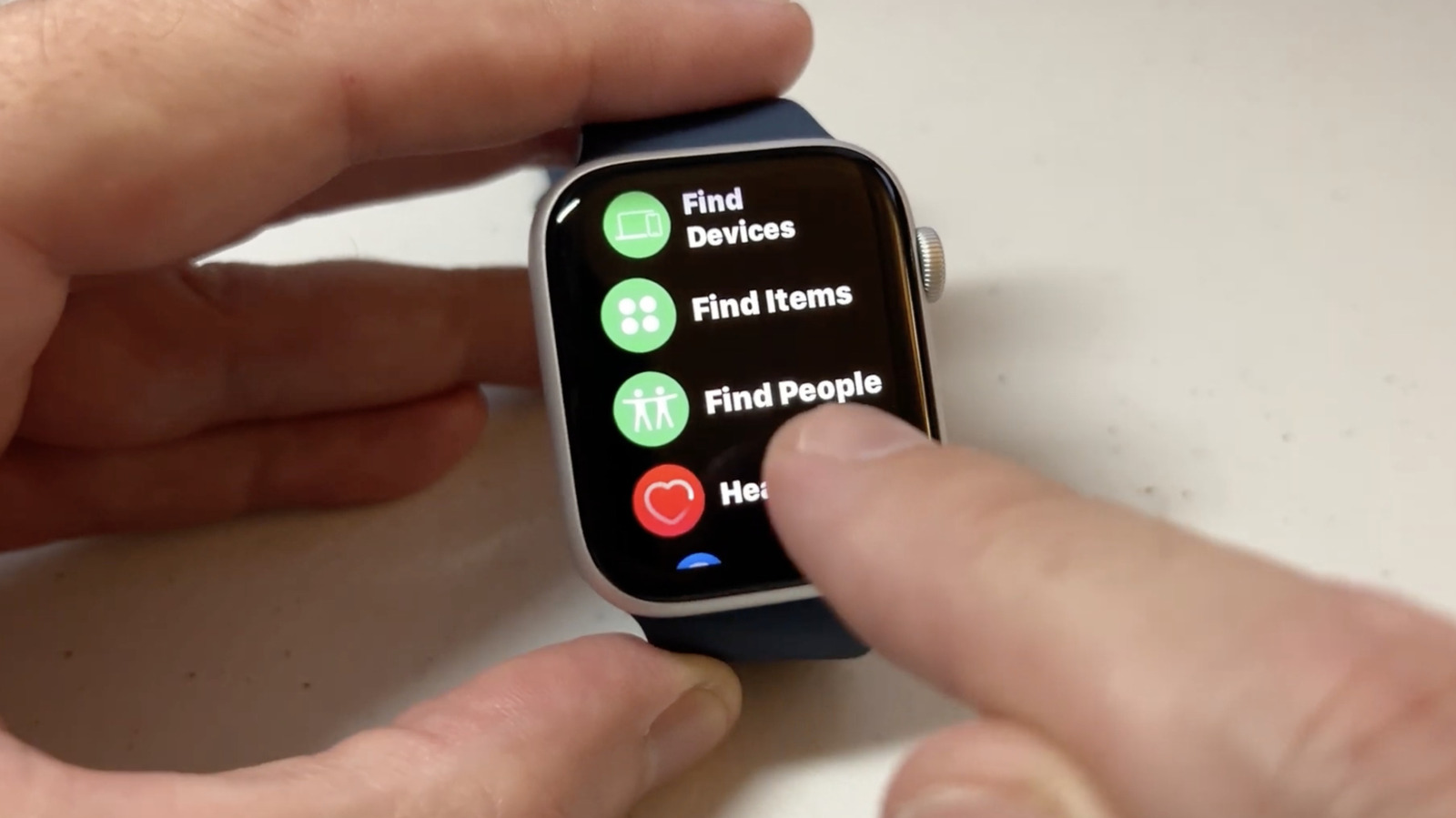
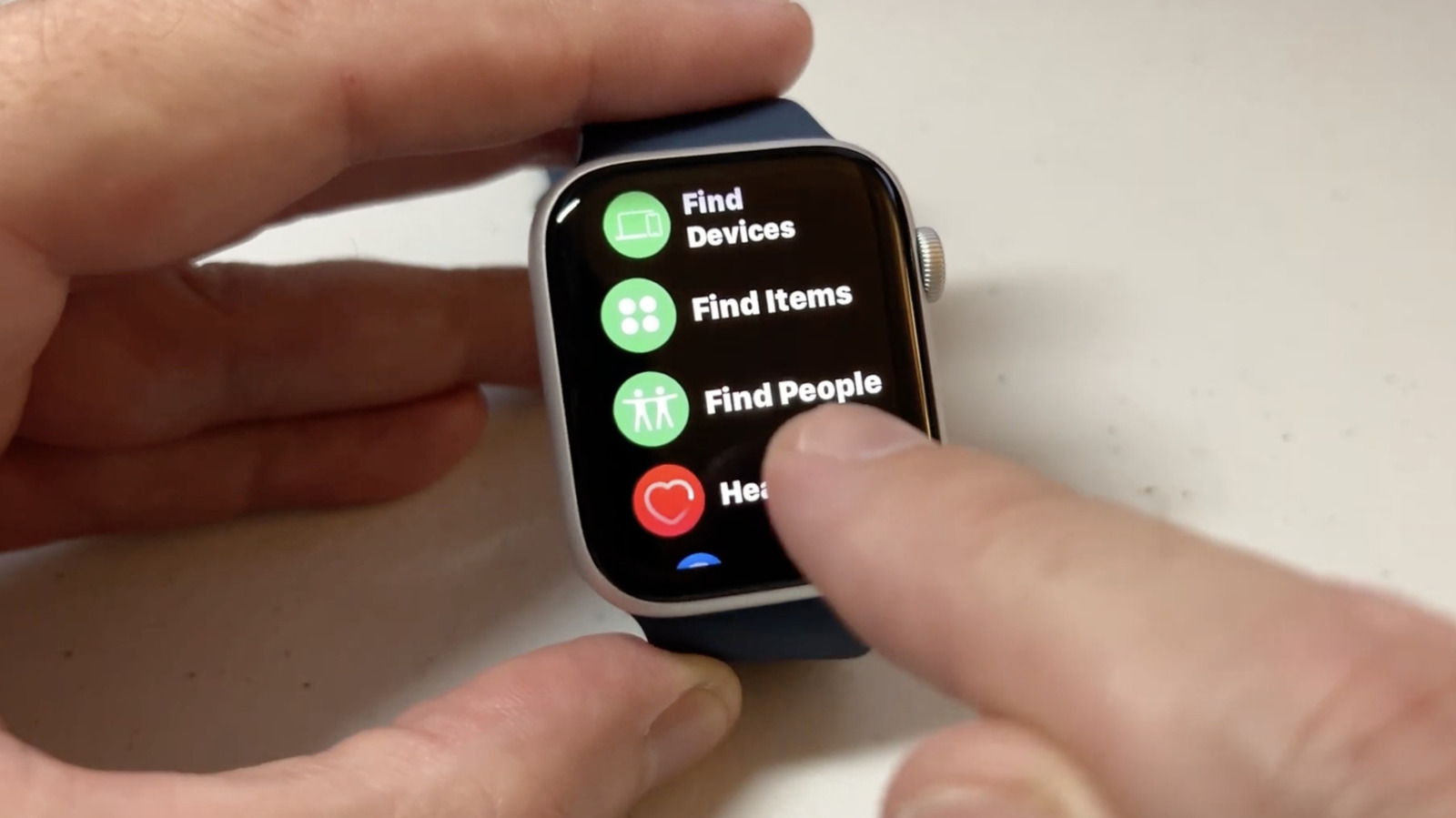
For everyday peace of mind, the Find People app lets you share your real-time location with friends and family. You can configure notifications so someone gets an alert when you leave or arrive at a specific place.

Stephan is the sports journalist for the Maple Grove Report.