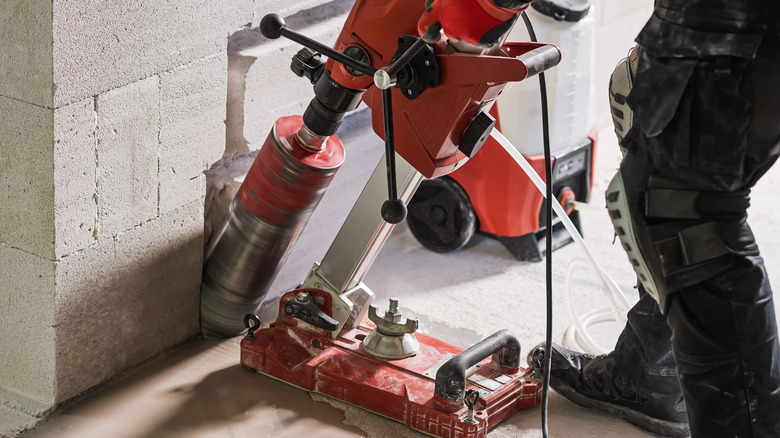

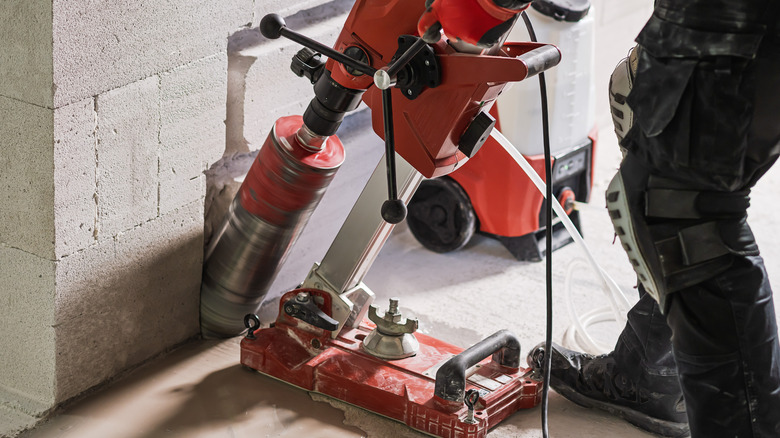
Once concrete is mixed, poured, and cured, it may need to be drilled into for one reason or another. Given its solid, brittle nature, it’s no surprise that specific tools are needed to drill into concrete. Though concrete drill bits have some common problems, they’re pretty much essential for these kinds of tasks. With that said, a few quality bits aren’t enough to get your concrete drilling done. You need to have the right type of power tool behind them so you can actually break through the material quickly and effectively, and meet the needs of the job.
For frequent concrete drilling, you want to add a rotary hammer to your tool arsenal. These are large, powerful drills that are specifically designed to plow through concrete, stone, and similar materials. They pack an added punch by simultaneously drilling and applying a striking, jackhammer-like force to break through harder materials. A hammer drill is also a solid choice for concrete drilling, as it utilizes a similar vibrational force in conjunction with drilling. However, it is a less powerful option than a rotary hammer, and is best reserved for occasional, light-duty concrete work. If you need larger, cleaner holes through dense concrete, and prioritize precision, a core drill could serve you well.
So long as you have one of these heavy-duty, concrete-intended tools, you should have no trouble drilling through concrete. That’s to say these are your best case, as opposed to traditional drills and impact drivers that are sorely ill-equipped for concrete work.
Why regular drills and drivers won’t work with concrete
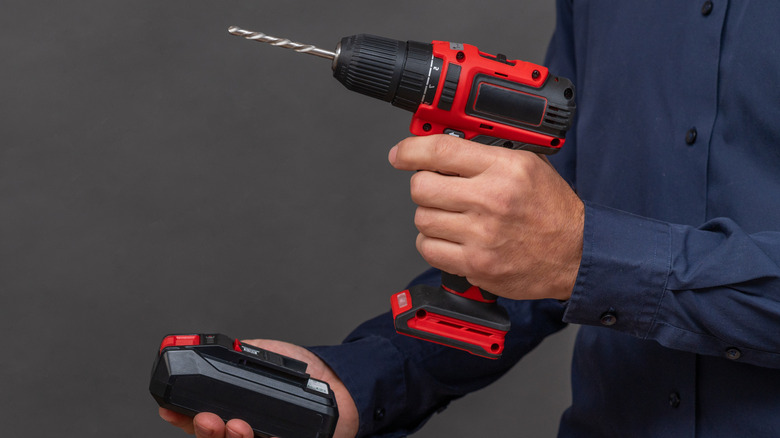
There may be some hesitation around using a designated concrete-drilling tool. They can get expensive, and the rotary hammer in particular is one of the tools beginners can have trouble using. The fact is, though, you’ll need their power and durability for concrete jobs. For instance, using a regular drill won’t do you any good. Even with masonry bits, regular drills lack the power and percussive force to push through concrete. You may be able to make a hole or two, but you run the risk of wearing out your bits and overworking your drill to the point of damage or total motor failure. Power tools do have their limits after all.
Meanwhile, there’s the matter of the impact driver: a more powerful tool than a drill that uses hammer-like force to drive fasteners into material. This tool is also capable of drilling into concrete, and some prefer it as a relatively lightweight, powerful option to put fasteners into concrete constructs. With that said, it is noticeably less powerful than a hammer drill or rotary hammer, so you’re likely to spend more time running it to get your work done. For jobs that require repeated drilling, once again comes the increased risk of dulling or breaking bits or damaging the tool due to excessive use.
Concrete work is not for the faint of heart, but the right tools can make it as easy as possible. So long as you leave this work to the correct arsenal of power tools, you’ll accomplish your latest concrete drilling endeavor in no time.

Stephan is the sports journalist for the Maple Grove Report.