
Scanning government safety warnings isn’t exactly the most exciting part of trip planning.
But if you’re heading abroad in 2026, skipping the latest State Department updates is a rookie mistake.
A lot has shifted this year. We’re seeing surprising safety downgrades in the Caribbean and sudden alerts in the Middle East.
These advisories aren’t here to kill your buzz or convince you to stay home; they’re just the facts on the ground… because the best way to actually relax on vacation is knowing exactly what to expect before you even pack your bags.
Advisories run on a super simple scale:
- Level 1: Exercise Normal Precautions (Basically, the green light—just be aware of your surroundings as you would anywhere).
- Level 2: Exercise Increased Caution (Yellow light—be extra vigilant due to specific heightened risks).
- Level 3: Reconsider Travel (Orange light—serious risks are involved, maybe rethink that trip for now).
- Level 4: Do Not Travel (Red light—significant danger to life, best to stay away).
Let’s take a whirlwind tour through 12 popular destinations and see where they stand according to recent State Department updates for 2026. Plus, for the latest safety data, be sure to check our real-time Traveler Safety Index.
Level 1: Standard Precautions
For these five fan favorites, it is “business as usual.” You can generally explore with ease, provided you stick to the same common-sense safety rules you’d use in any major city.
- Hungary (Level 1): Reconfirmed as a safe harbor on April 15, 2026. Hungary remains one of the more secure spots in Europe, though we always recommend keeping a close watch on your belongings at major transit hubs like Budapest’s Keleti station.
- Barbados (Level 1): This Caribbean classic holds its Level 1 status into mid-April 2026. It is still the perfect spot for a low-stress getaway, but as always, we suggest keeping your valuables in a hotel safe and staying aware of your surroundings after dark.
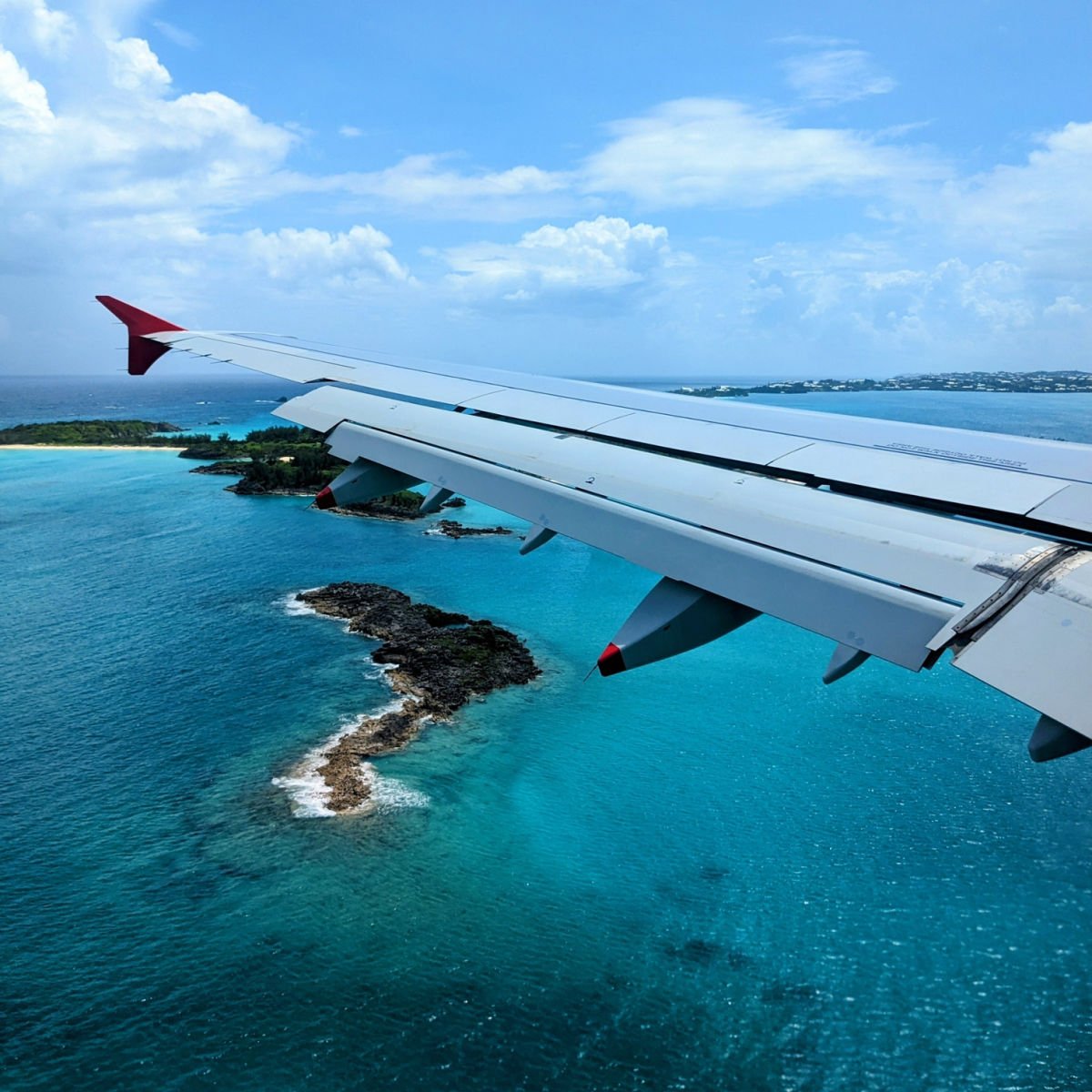
- Bermuda (Level 1): Updated on April 10, 2026, Bermuda is smooth sailing. The main “precaution” here isn’t crime—it’s actually health-related. Officials are simply reminding us to be mindful of mosquito-borne risks like Dengue fever during the warmer months.
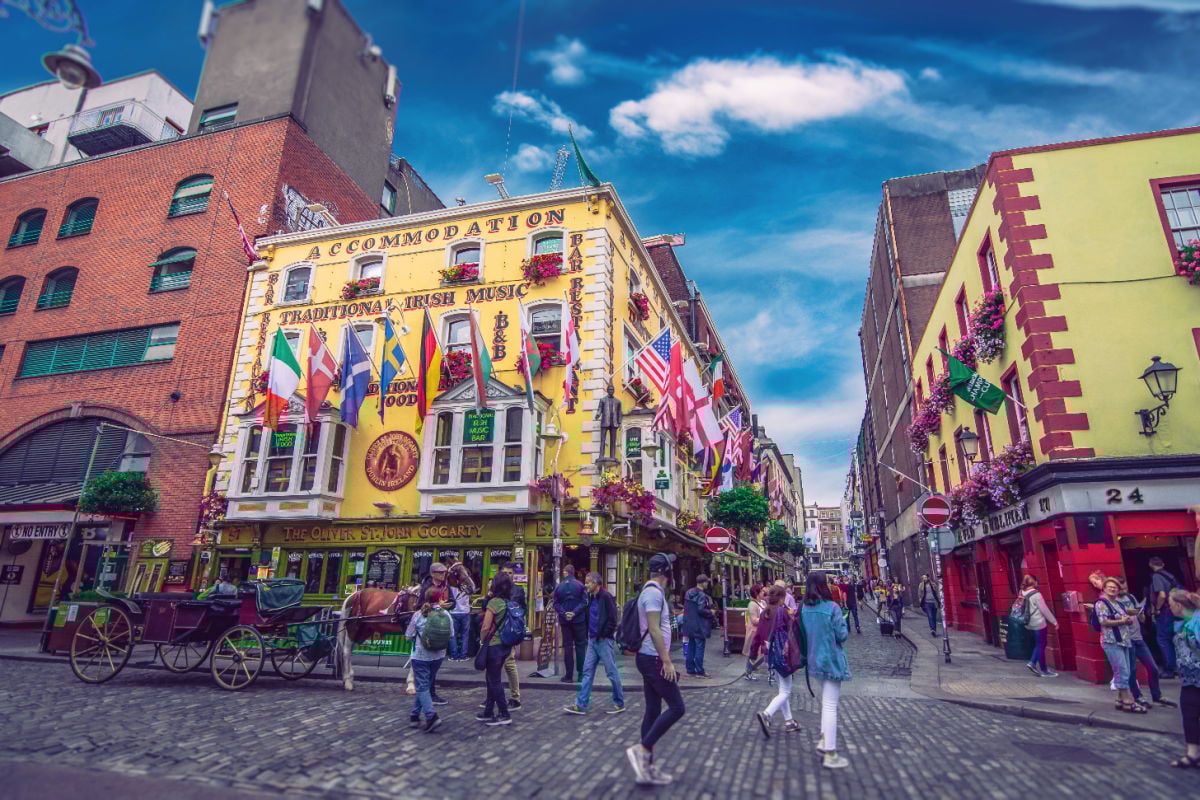
- Ireland (Level 1): The Emerald Isle stays green on the safety map. Beyond the usual warnings about Dublin pickpockets and the learning curve of driving on the left side of the road, the State Department considers Ireland one of the safest bets for 2026.
- Finland (Level 1): Consistently ranked as the world’s happiest (and one of the safest) countries, Finland remains at Level 1. Just stay alert in crowded public venues in Helsinki during the peak summer tourist season.
Level 2: Increased Caution
These spots require a bit more vigilance. You don’t need to cancel your plans, but you should definitely be more aware of specific neighborhood risks or local conditions.
- Belize (Level 2): Updated on March 12, 2026, Belize stays at Level 2. Most of us will have a pristine experience in Caye Caulker or San Pedro, but the State Department specifically advises avoiding Southside Belize City due to higher crime rates.
- Jamaica (Level 2): In a major win for Caribbean travelers, Jamaica was downgraded to Level 2 in early 2026. While crime is still a factor in specific communities, the overall security environment has shown enough improvement for the State Department to lower the warning level.
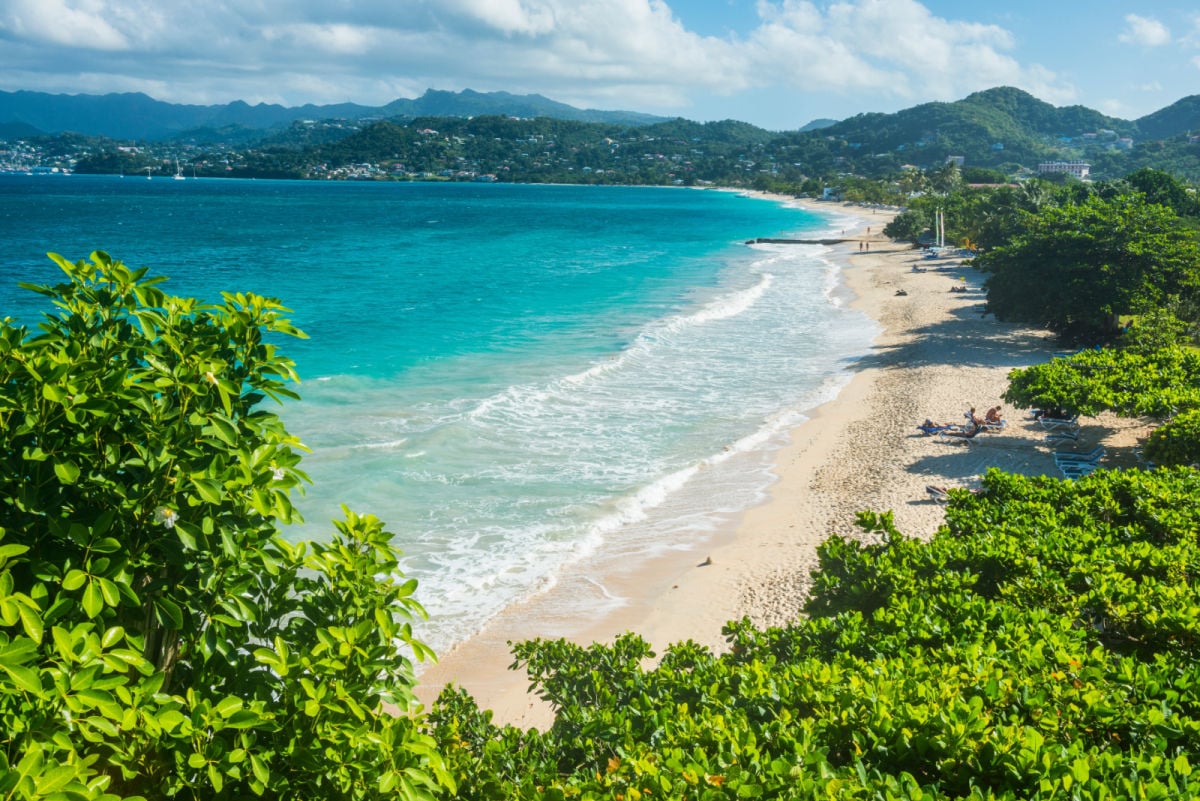
- Grenada (Level 2): As of January 2026, Grenada moved to Level 2. This is largely due to a slight uptick in reported burglaries and petty theft. We recommend staying at reputable resorts and avoiding isolated beaches once the sun goes down.
Level 3 & 4: High-Alert Designations
These four destinations are currently facing serious security spikes. If you have these on your radar for summer 2026, you need to read the full advisory and have a robust safety plan in place.
- Trinidad and Tobago (Level 3): Reissued on April 13, 2026, this remains a “Reconsider Travel” zone. A nationwide State of Emergency was declared in March due to a spike in violent crime. The U.S. has designated specific “no-go” areas in Port of Spain, including Laventille and Beetham.
- Colombia (Level 3): Reissued on March 31, 2026, Colombia stays at Level 3. Beyond street crime, the State Department has issued a specific warning about the use of sedative drugs to incapacitate tourists in bars or through dating apps. Stay extra vigilant in nightlife districts.
- United Arab Emirates (Level 3): While ground safety in Dubai is incredible, the UAE was recently bumped to Level 3. This is due to increased regional tensions and the potential risk of drone or missile strikes targeting aviation hubs. Expect periodic, unannounced flight disruptions.
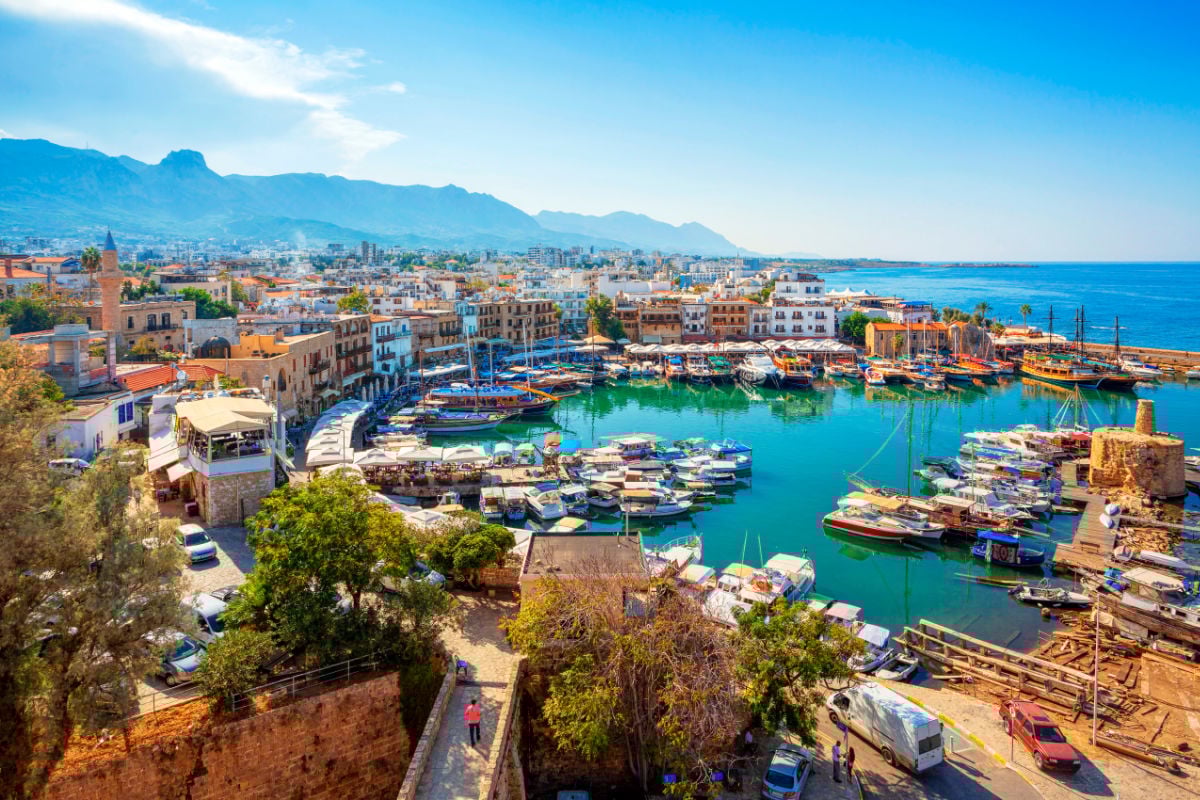
- Cyprus (Level 3): On March 3, 2026, the advisory was raised to Level 3 following regional hostilities. The U.S. even authorized the departure of diplomatic families earlier this year. We strongly advise entering only through official airports in the south, as consular help in the north is very limited.
Master Your 2026 Strategy
The world moves fast, and these rankings can shift in the time it takes to clear security. To stay ahead of the curve, make these three steps part of your pre-flight ritual:
- Check the Source: Don’t rely on old headlines. Always verify the current status of your specific region on the official U.S. State Department website.
- Get on the Radar: Use the Smart Traveler Enrollment Program (STEP). It’s a free service that connects you with the local U.S. Embassy, ensuring you receive critical security alerts in real-time and helping the government locate you during a crisis.
- Respect the Ground Rules: Every destination has its own playbook. Research local customs and legal boundaries before you land—situational awareness is your best travel companion.
Plan with purpose, stay vigilant, and embrace the adventure. Safe travels to all!

Stacie Harris is a local resident and reporter of the Maple Grove area. Stacie reports on medicine and science for the Maple Grove Report.