How to Choose the Best Inflatable Sofa for Outdoor Lounging?


Outdoor relaxation has never been more popular. From weekend beach trips to spontaneous park gatherings, people are increasingly seeking ways to bring comfort into the open air — without hauling heavy, cumbersome furniture. The challenge? Finding seating that’s genuinely comfortable, easy to transport, and tough enough to handle sand, sun, and the occasional rocky surface.

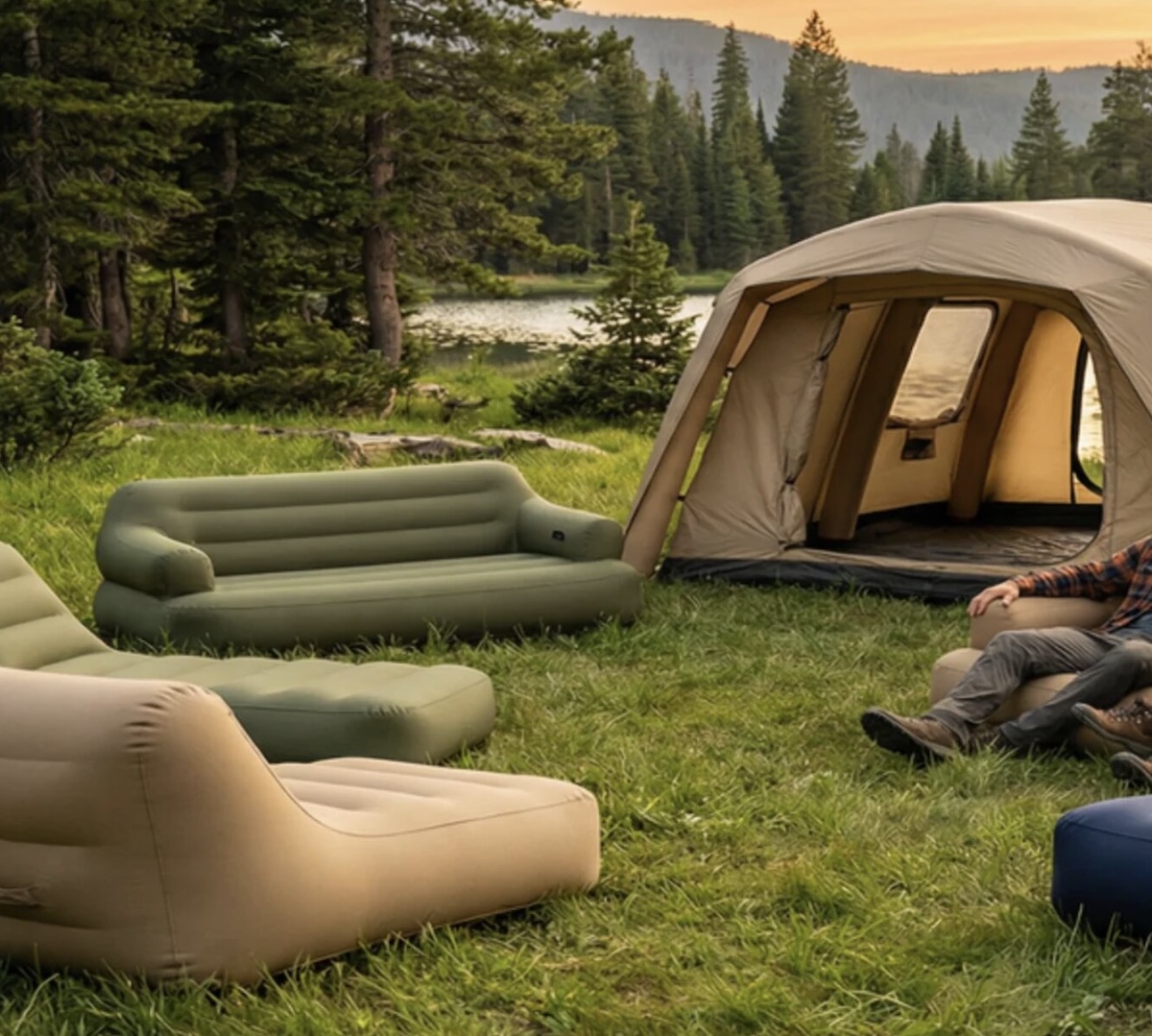
Best Inflatable Sofa for Camping

Best Inflatable Sofa for Camping

That’s where the inflatable sofa comes in. For beachgoers, families, and friend groups who want to kick back without the hassle, these lightweight loungers strike a compelling balance between portability and relaxation. But not all inflatable sofas are created equal — and choosing the wrong one can leave you wrestling with a leaky cushion halfway through your vacation.

This guide breaks down everything you need to know: the key features that separate a quality inflatable sofa from a frustrating one, practical solutions for transport and comfort challenges, and a clear step-by-step selection process to help you make a confident, informed choice before your next outdoor adventure.

Why Inflatable Sofas are Ideal for Outdoor Adventures?

Whether you’re sprawled out on a sandy beach, setting up camp in the woods, or claiming a patch of grass at the local park, comfort shouldn’t be an afterthought. Traditional outdoor furniture — folding chairs, heavy benches, bulky loungers — demands significant effort to transport and store. Inflatable sofas flip that equation entirely, offering a genuinely relaxing seat that fits into a backpack when deflated and sets up in minutes once you arrive.

The versatility of an inflatable sofa is one of its strongest selling points. These loungers transition effortlessly between environments: they float on calm water, sit stably on packed sand, and work just as well on a grassy festival lawn. 

Unlike rigid furniture, they conform slightly to uneven ground, which makes a surprising difference in comfort. Inflatable loungers also pack down to a fraction of their expanded size, meaning you’re not sacrificing trunk space or straining your back just to bring decent seating along.

Beyond portability, the setup experience matters. Most modern inflatable sofas require no pump — a few scooping motions through the air fill them up. That kind of quick, tool-free inflation makes spontaneous outings far more practical. For families juggling coolers, towels, and kids, or friend groups who want to move freely between spots, that simplicity is genuinely valuable. 

The sections ahead will dig into the specific features — materials, weight, and inflation systems — that determine whether an inflatable sofa delivers on its promise or disappoints when you need it most.

Essential Features to Evaluate in an Inflatable Sofa

Durability and Material: Focusing on Puncture-resistant Furniture

The material your inflatable sofa is made from determines how well it holds up against real outdoor conditions. High-quality options typically use reinforced PVC or ripstop nylon fabrics, both of which offer meaningful resistance against punctures from sharp rocks, shells, and rough terrain. 

When evaluating a model, look for double-layered seams, thickness ratings above 0.4mm for PVC, and any manufacturer certifications around abrasion resistance. A genuinely puncture-resistant design won’t just survive one trip — it’ll hold up across an entire season of regular outdoor use.

Portability: The Advantage of a Lightweight Camping Sofa

A lightweight camping sofa should disappear into your pack when you’re not using it. The best models deflate into a compact roll or stuff sack weighing under two pounds, making them easy to carry alongside your other gear without strain. 

For remote hikes or crowded beach days where every ounce counts, that weight difference is real. Look for models that include a dedicated carry bag and compress to roughly the size of a water bottle — portability that doesn’t compromise lounging comfort once you arrive.

Inflation Technology: Embracing an Easy-inflation System

Modern inflatable sofas have largely moved beyond hand pumps. The most convenient designs use an air-scoop method — you sweep the open bag through the air two or three times, then seal it shut, and the sofa holds its shape without any pump at all. 

Some models, including options from brands like SunnyFeelOutdoor, include a built-in valve compatible with standard electric pumps for faster inflation in car-accessible settings. For spontaneous outings, the air-scoop system wins on speed and simplicity, getting you from packed bag to comfortable seat in under a minute.

Addressing Beachgoers’ Specific Needs: Comfort and Transport

Solving Transport Challenges: Easy-to-Carry Options for the Beach

Getting your inflatable sofa from the car to the shoreline — especially when your hands are already full — comes down to smart design choices. Start by looking for models that pack into an integrated stuff sack rather than a loose bundle, keeping everything contained and easy to grab. 

Shoulder straps or a top carry handle make a genuine difference when you’re crossing soft sand with a cooler in one hand and a beach bag in the other. Aim for a deflated package no larger than a small backpack, and confirm the total weight stays under two pounds. 

A lightweight camping sofa that checks these boxes disappears effortlessly into your beach kit, leaving you free to focus on actually enjoying the day rather than managing your gear.

Ensuring Comfort: Ergonomic Support for Outdoor Lounging

Comfort on an inflatable sofa isn’t just about having something soft to sit on — it’s about how well the design supports your body over an extended afternoon. Look for models with a raised, angled backrest that keeps your spine in a natural position rather than forcing you to hunch forward. 

Some inflatable loungers feature a segmented-chamber design, where the seat and back inflate separately, allowing you to adjust the firmness in each zone independently. Breathable fabric on the seating surface also matters more than most buyers expect: on a hot beach day, a non-porous material traps heat quickly and becomes genuinely uncomfortable. 

When possible, test the sofa on a flat surface before committing — sit in it for a few minutes and pay attention to whether your lower back feels supported and your legs rest at a comfortable angle.

Step-by-Step Guide to Choosing Your Inflatable Sofa

Step 1: Assess Your Outdoor Activities and Environment

Before comparing models, get specific about where and how you’ll actually use your inflatable sofa. Beach trips expose furniture to salt water, sand abrasion, and intense UV conditions that demand tougher materials and UV-resistant coatings. 

Camping in wooded terrain means sharper hazards underfoot, making puncture resistance a priority. Festival lawns and park outings are more forgiving, where weight and pack size matter most. Knowing your primary environment narrows the field significantly and prevents you from paying for features you’ll never need.

Step 2: Prioritize Key Features Based on Needs

Once you’ve identified your use case, rank the three core features — durability, portability, and inflation ease — in order of importance for your situation. Frequent beach users should prioritize puncture-resistant materials and UV protection first. Hikers and backpackers need the lightest, most compact option available. 

For casual weekend outings, a fast air-scoop inflation system may matter most. Building this personal priority list before browsing helps you avoid being distracted by marketing claims that don’t align with your actual needs.

Step 3: Compare Brands and Read Reviews

Focus your research on verified buyer reviews rather than product descriptions. Look specifically for feedback from users who share your environment — beachgoers commenting on sand performance, campers noting how the material held up against rough ground. Pay attention to recurring complaints about air retention and seam durability, as these issues appear consistently across lower-quality models. 

Outdoor-focused brands such as SunnyFeelOutdoor tend to attract detailed long-term reviews from repeat buyers, which are especially valuable since they reveal how well the inflatable sofa holds up beyond the first few outings.

Step 4: Test for Setup and Comfort Before Purchase

If you have the opportunity to handle a model in person, run through the full inflation and deflation cycle before committing. Time the inflation process and check whether the sealed valve holds air firmly without slow leakage. 

Sit on the sofa for several minutes and assess whether the backrest angle feels natural, your lower back feels supported, and the seating surface stays comfortable without excessive heat buildup. Confirm the deflated package fits easily into your intended carry bag or backpack before finalizing your decision.

Make the Right Choice for Outdoor Comfort

Choosing the right inflatable sofa comes down to matching the right features to your specific outdoor lifestyle. A puncture-resistant material keeps your lounger intact across rocky beaches and rough terrain. A lightweight, compact design means you’ll actually bring it along rather than leaving it in the garage. And a fast, tool-free inflation system removes the friction that turns spontaneous outings into logistical headaches.

For beachgoers especially, these features aren’t abstract selling points — they’re the difference between a sofa that earns its place in your kit and one that frustrates you on the first trip. Ergonomic support and breathable fabric make extended afternoons genuinely comfortable, while smart transport features like integrated carry bags and shoulder straps mean the walk from car to shoreline stays effortless.

Use the four-step selection guide in this article as your starting point: identify your environment, rank your priorities, dig into verified reviews, and test the setup process before committing. That approach cuts through the noise and puts you in a position to make a confident, informed decision. Your next outdoor adventure deserves seating that actually works — so take the time to choose well, and the relaxation will take care of itself.

Follow and subscribe to OutofTownBlog.com  on  Facebook Twitter Instagram, Pinterest, and YouTube  for more Travel-related updates.

Read: The Ultimate Guide to Choosing the Best Cruise for Your Next Trip


Source link

Leave a Reply

Subscribe to Our Newsletter

Get our latest articles delivered straight to your inbox. No spam, we promise.

Recent Reviews


We arrived in Salt Lake City for what is usually our favorite Deer Valley window: post-Sundance calm, lighter crowds, and long, groomed mornings. When Jenn was teaching at Alta, this was her secret season to slip over to Deer Valley for perfectly manicured corduroy without peak-week chaos.

This year, however, winter had other plans. It was the driest season in Deer Valley’s recorded history, and we found ourselves standing outside in short sleeves waiting for our Uber. Brown hills flanked I-80, and the air felt more like April than February.

So instead of chasing powder, we shifted gears. This became a spring-skiing weekend, built around smart terrain choices, strategic timing, and Deer Valley’s newly expanded East Village. What followed was a three-day itinerary that proved you don’t need fresh snow to have a memorable ski weekend. All you need is infrastructure, grooming, and a plan.

Arrival and Check-In: East Village and the Grand Hyatt

Grand Hyatt Deer Valley Utah

We avoided Sundance traffic by taking US-189 toward the newly developed Deer Valley East Village. Construction cranes still punctuate the skyline, but the Grand Hyatt Deer Valley stands fully finished and confidently modern at the base.

From the road, we could see thin white ribbons of groomed runs streaking down the hills above a mostly snowless base area. The sidewalks were dry, but the mountain itself told a different story.

The expansion more than doubles Deer Valley’s footprint to 4,300 skiable acres and includes 10 new lifts, among them a 10-person gondola. This side of the resort is supported by roughly 80 miles of new snowmaking pipe and over 1,200 high-efficiency snow guns. Water is drawn from Jordan Reservoir, with only 1% of available allocation used, and approximately 80% returning to the reservoir by season’s end.

In a drought year, those numbers matter.

Gear Made Easy: Ski Butlers at the Grand Hyatt

Ski Butlers-Grand Hyatt Deer Valley Utah

We’ve used Ski Butlers in Park City before, but the integration at the Grand Hyatt makes the process especially seamless. Instead of trekking to a ski shop, we met our representative in the hotel’s lower-level ski locker room for fitting and locker assignment.

At the end of each ski day, we left our skis at the shuttle drop-off. Adjustments and tuning tweaks between days were handled without friction. For a spring weekend where conditions change throughout the day, having that flexibility made a real difference.

Luxury on a ski trip often comes down to eliminating hassle. This setup does exactly that.

Dinner Close to Home: Remington Hall

Short rib appetizer Remington Hall at Grand Hyatt Deer Valley Utah

Our first evening stayed close to the hotel with dinner at Remington Hall, the Grand Hyatt’s signature restaurant. The space feels polished but relaxed, an elevated mountain steakhouse without the stiffness.

The menu leans into regional flavors with bison, Mountain River elk, and Niman Ranch steaks. The braised bison short rib, served over fresh polenta in a rich red wine sauce, was deeply satisfying after travel. Our steak with béarnaise and spicy rigatoni held their own, but the starters and dessert rounded out the experience. The tiramisu was light enough to justify finishing it, even after a full meal.

It set the tone for a weekend where dining would be as intentional as skiing.

Day One on Snow: Exploring the East Village Expansion

Deer Skiers sign Deer Valley

While the base area looked dry, conditions on the mountain were impressively maintained. Deer Valley’s grooming is legendary for a reason, and in a low-snow year, it becomes the defining factor of the experience.

The East Village expansion introduces two new peaks into the Deer Valley footprint. Keetley Express climbs 1,400 feet to Keetley Point, while the 10-person East Village Gondola ascends 1,800 feet to its midstation on Big Dutch Peak before continuing to Park Peak at 9,350 feet. From there, it’s easy to connect toward Baldy Mountain at 9,400 feet.

New signature routes are already establishing themselves. Green Monster is a 4.8-mile green run that weaves between Park Peak and Baldy Mountain, nearly 40% longer than Park City Mountain’s Home Run. Its blue counterpart, Age of Reason, parallels most of the route, allowing skiers to alternate between mellow cruising and more engaging terrain.

For stronger skiers, Redemption Ridge delivers three miles of double-blue skiing off Park Peak. On a warm spring day, this is terrain you want to time carefully, hitting it once the surface has softened but before it turns firm again.

Spring Strategy: How to Ski It Right

Groomed slope Deer Valley Ski Resort Utah

With warm temperatures and limited natural snowfall, we approached each day as we would in late March.

We started on east-facing slopes early, allowing the sun to soften the surface before moving to south-facing terrain mid-morning. By afternoon, west- and north-facing runs provided a more consistent snow texture.

Much of the new terrain faces east, making it ideal for the first chair. However, as the day progresses, some exposed sections can firm up. We used Carbonite as a testing ground before committing to Redemption Ridge, which is steeper and more exposed. If Carbonite feels off, Green Monster offers an easy bailout option. There’s only black bailouts for the first two miles of Redemption Ridge.

One standout feature is Corduroy Lunch. Each day at noon, a curated selection of freshly groomed runs near the East Village Gondola midstation opens after being held untouched all morning. It’s a clever way to enjoy first tracks without the early alarm.

You should always check the grooming report. In spring conditions, it’s the difference between silky corduroy that was groomed overnight and frozen boilerplate.

Finally, elevation is very important for spring skiing, as lower slopes warm up faster than the upper mountain but can get slushy more quickly. We have always loved Deer Valley’s inclusivity for beginner skiers, with green connectors throughout the resort and green runs off almost every lift, but the Pinyon Express opens the peaks to everyone. The Park Peak expansion allows skiers of all levels to experience high-mountain skiing, especially as the lower runs slush out.

Midday Indulgence: Chute Eleven Yurt

Chute Eleven Deer Valley Resort Utah
Seafood tower Chute Eleven Yurt Deer Valley Resort Utah

When the skiing gets tough, the not-so-tough après-ski. Mid-afternoon, we pivoted from vertical to culinary elevation at Chute Eleven Yurt in Empire Canyon. Dining at Deer Valley has always been part of the culture, and the yurt leans fully into that ethos.

We opted for the seafood tower, red king crab, Maine lobster, oysters, jumbo shrimp, and caviar, paired with champagne. It was technically lunch, though it felt like an occasion. A live DJ added energy, creating an atmosphere that was both celebratory and distinctly Deer Valley.

Pro-Tip for skiing Utah: Always carry your ID on the mountain. All 21+ venues scan identification, regardless of how seasoned you may appear.

Afternoon Energy: The Vintage Room at St. Regis

Apres ski The Vintage Room St Regis Deer Valley Utah

Is second après-ski a thing like second breakfast? If not, it should be! We celebrated our après-après-ski at the St. Regis Vintage Room. There was a little skiing in between, as we had to ski back to the Grand Hyatt first, but that only took two lifts and two runs. Getting to Snow Park was a breeze with the Hyatt shuttle, and then it was only a funicular ride up to the St. Regis.

I would describe Chute Eleven as pure decadence, and the Vintage Room as pure energy. The place was packed with beautiful people rocking out to a high-octane DJ. I never would have thought that you could mash up Dolly Parton with Kanye, but it worked. Of course, we had to try their signature drink, 7452 Bloody Mary, so named for the bar’s elevation.

Fireside Dining at Empire Canyon

Melting raclette cheese fireside

We observed some integration issues between classic Deer Valley and the new East Village when we wanted to get to dinner. We are accustomed to Deer Valley’s complimentary on-demand ride services, but the Hyatt shuttle only runs between the hotel, downtown Park City, and Snow Park. As such, there were no shuttles available to get us to Fireside Dining at Empire Canyon.

In retrospect, we might have been better served going to the Cast and Cut seafood buffet at Snow Park. We learned that Uber can pick you up from the St. Regis front door, so we didn’t need to take the funicular down and wait in the parking lot. They also offer complimentary valet parking at Fireside Dining in the evening if we had rented a car.

Once we got there, Fireside dining was as magical as we remembered, with an alpine-inspired menu featuring four courses served and cooked around four fireplaces. Of course, we opened with raclette cheese paired with special touches we recognized from Chute Eleven’s charcuterie like the sweet and spicy fig mustard.

Luckily, we scheduled a sleigh ride after the first course, so we had room for delicious cheese soup, and then the dual main dishes of lamb and roast beef. Dessert was challenging, but we were able to try everything with prodigious sharing and small plates.

Ski With a Champion: A Smarter Way to Spring Ski 

Fuzz Federson Ski with a champion - Deer Valley Ski Resort Utah
Fuzz_Ski_with_a_Champion

Another pro-tip for spring skiing on new mountains is to ski with a local. They know from experience which runs are in good shape and how they change throughout the day. Deer Valley has an excellent ski school and free guided ski tours with mountain hosts. We wanted to try something extraordinary, so we opted for their Ski With a Champion program, where we were paired for half-day with a world-class snowsport athlete.

We met Fuzz Feddersen, a freestyle skier who competed in the 1994 Olympics, at the East Village Gondola at 9:00. He could tell my skiing aptitude after my first turn, and we were back on legacy Deer Valley terrain after the first run.

Fuzz explained that every Ski With a Champion day is different. “People all show up with their own idea of what they want,” he told us. “So I try to customize it—whether that’s helping them ski a little better, finding the best snow on the mountain, or just giving them an experience where all they have to do is follow me. I wear a bright coat so they don’t have to think about crowds or lifts or where to go next. If the snow’s right and they’re up for it, I’ll even take them to spots they’d probably never find on their own.”

Fuzz could use the ski-school lane, which didn’t really matter on a low-snow Monday. However, his knowledge of the mountain enabled me to have my best day skiing yet. Sure, I had one day of skiing under my belt, and it was five degrees colder, but I was comfortably carving (or at least Wedge Christying) down a wide variety of blues that intimidated me last season. That, plus some truly entertaining lift conversations, made for a memorable morning.

Lunch at The Sticky Wicket, Silver Lake Lodge

Midday refueling brought us to The Sticky Wicket, tucked upstairs inside Silver Lake Lodge and leaning fully into nostalgic ski culture. If you remember peeling lift-ticket stickers off your jacket in the ‘90s and being left with that stubborn “sticky wicket,” you’ll appreciate the playful retro vibe. Our friend’s old-school one-piece ski suit didn’t just fit in, it felt like a featured exhibit.

The Wicket serves Royal Street Café’s full menu alongside a proper bar program, which means you’re not choosing between quality and convenience. After a full morning skiing with a champion, we weren’t interested in a rushed protein bar situation. We settled in for real food, craft cocktails, and the kind of easy mountain conversation that stretches lunch longer than intended.

Fortified and unhurried, we clipped back in for the return to East Village. From mid-mountain, it’s an easy flow: McHenry’s 2.6-mile green, often paired with Homeward Bound for a 4.5-mile cruise, delivers a scenic, confidence-building glide. A quick spin up Aurora, and we were back at the new base area with just enough time to make our afternoon appointment at the Grand Hyatt without feeling rushed.

It’s the kind of lunch stop that fits neatly into a well-paced ski day: fun, flavorful, and logistically smart.

High Chocolate at the Grand Hyatt Deer Valley

High Hot Chocolate-Grand Hyatt Deer Valley Utah

Après shifted from spirited to sweet with High Chocolate at the Grand Hyatt, and this may be one of the most unexpectedly indulgent rituals of the weekend. Think high tea, but with serious cocoa credentials.

The chocolate begins with beans sourced from Ecuador and processed locally in Park City. A thick, velvety 70% cocoa base is poured dramatically over airy cotton candy, which dissolves into the cup before fresh cream is added to taste. The result is deeply rich without tipping into cloying, a grown-up hot chocolate that feels entirely worthy of the setting.

Like traditional high tea, the presentation includes an array of sweet and savory bites substantial enough to blur the line between dessert and meal. Flaky puff pastry with brie immediately caught my attention, and the lobster rolls made a compelling argument for staying longer than planned.

It’s decadent without being kitschy, and exactly the kind of elevated detail that rounds out a spring ski itinerary. After long groomer laps and strategic sun-chasing, ending the day with something this thoughtfully crafted felt less like excess and more like proper pacing.

Crystal Balance DAO at St. Regis Deer Valley

Stairs St Regis Spa Deer Valley Utah
Relaxation room St Regis Spa Deer Valley Utah
Setup for Crystal Balance Dao Treatment

Late afternoon brought us back up the funicular to the St. Regis Spa for the Crystal Balance DAO treatment, a well-timed reset after two full spring ski days

The treatment blends targeted bodywork with CBD oil and a sound bath component, striking that balance between physical recovery and mental decompression. After navigating firm morning corduroy and softer afternoon terrain, our legs and hips were ready for focused attention.

Jenn’s massage therapist, Brodie, was excellent. He asked thoughtful questions about how and where we had been skiing and tailored the pressure accordingly, working deliberately through fatigued quads and tight lower back without turning the session into a punishment. The CBD oil added subtle muscle relief, while the sound bath element created a surprisingly effective mental reset.

We left feeling noticeably lighter and looser, restored but not sedated. On a spring itinerary where conditions demand a little more from your body, building in recovery like this isn’t indulgent. It’s smart planning.

Dinner in the Alpenglobes at Stein Eriksen Lodge

Stein Alpenglobes at Stein Eriksen Lodge Deer Valley Utah
Farmer Jones’ baby beets Stein Alpenglobes at Stein Eriksen Lodge Deer Valley Utah

Dinner at Stein Eriksen Lodge unfolded inside their signature Alpenglobes, private, snow-globe-like dining structures that feel equal parts cozy and celebratory. Yes, it felt slightly ironic settling into a “snow globe” without fresh snowfall outside, but that thought disappeared as soon as the first course hit the table.

We began with Farmer Jones’ baby beets, artfully plated with hazelnut emulsion, kumquat, goat cheese, and maple vinaigrette, a dish that was as balanced as it was beautiful. For mains, we chose Parisienne gnocchi layered with wild mushrooms and vegetable bordelaise, and Rocky Mountain elk tenderloin finished with macadamia nut relish and bordelaise. Both dishes leaned refined without losing their alpine grounding.

Service here is where Stein Eriksen quietly separates itself. Our sommelier guided us through selections from what is widely regarded as Utah’s largest wine cellar, offering pairings that elevated each course without overpowering it. Our server knew the menu intimately, pacing the meal with precision, while the bell staff seamlessly coordinated a shuttle into Park City proper so we could reconnect with the Hyatt transfer.

It was polished, thoughtful, and effortlessly handled, exactly the kind of dining experience that anchors a well-built ski itinerary.

Final Morning Spa Time at the Grand Hyatt Deer Valley

Agaci Spa Grand Hyatt Deer Valley Utah
Massage room at Agaci Spa Grand Hyatt Deer Valley Utah

We reserved our final morning for Agaci Spa at the Grand Hyatt, easing out of ski mode and into departure mode with intention. After two full days of vertical, and one very effective DAO session at the St. Regis, this felt like the final polish on a well-built trip.

Agaci’s design leans modern and serene, with clean lines, soft lighting, and mountain views that keep you connected to where you’ve just been. It’s not over-the-top opulent; it’s calm, grounded, and thoughtfully executed.

The massage therapists were skilled and high quality, confident in technique, attentive without hovering, and clearly experienced in working with active bodies. This wasn’t a generic relaxation rubdown. It was precise, professional bodywork that targeted lingering tightness while still allowing space to unwind. Pressure was adjusted intelligently, transitions were seamless, and the pacing felt intentional from start to finish.

We left feeling reset rather than sleepy; loose, aligned, and ready to travel. Afterward, packing was effortless, especially knowing Ski Butlers would handle gear pickup. It was exactly the kind of quiet, restorative send-off that makes a ski trip feel complete instead of rushed.

Final Thoughts: A Spring Itinerary That Works

Après ski at Deer Valley Resort via Deer Valley Resort
Grand Hyatt mascot Deer Valley Utah

This was not a powder weekend. It was a spring ski weekend; built around timing, grooming reports, infrastructure, and intentional pacing.

Deer Valley’s East Village expansion delivers meaningful terrain, serious snowmaking investment, and seamless lift integration. Add in the resort’s culinary depth and service standards, and the result is an itinerary that feels polished and complete—even in the driest winter on record.

Snow helps. Strategy helps more.

And with the right plan, a spring weekend at Deer Valley can be just as memorable as a storm cycle, especially when you build it thoughtfully.

Disclosure: A big thank you to Deer Valley Resort and Visit Park City for hosting us, setting up a fantastic itinerary, and usage of some of the images throughout (image credit in hover text).

For more travel inspiration check out Deer Valley Resort’s InstagramFacebookTwitter, and YouTube accounts; and Visit Park City’s InstagramFacebookTwitter, and YouTube accounts

As always, the views and opinions expressed are entirely our own, and we only recommend brands and destinations that we 100% stand behind.

Ready to Book Your Trip? These Links Will Make It Easy:

Airfare:

Insurance:

  • Protect your trip and yourself with Squaremouth and Medjet


  • Safeguard your digital information by using a VPN. We love NordVPN as it is superfast for streaming Netflix


  • Stay safe on the go and stay connected with an eSim card through AloSIM

Our Packing Favs:

  • We LOVE Matador Equipment for their innovative products and sustainability focus. Their SEG45 is a game changer when you need large capacity while packing light.
  • Travel in style with a suitcase, carry-on, backpack, or handbag from Knack Bags
  • Packing cubes make organized packing a breeze! We love these from Eagle Creek

Like it? Pin it for later on Pinterest!


Hi! We are Jenn and Ed Coleman aka Coleman Concierge. In a nutshell, we are a Huntsville-based Gen X couple sharing our stories of amazing adventures through activity-driven transformational and experiential travel.


Source link