The Smartest Way To Upgrade Your Car Interior Without Replacing Everything


We may receive a commission on purchases made from links.

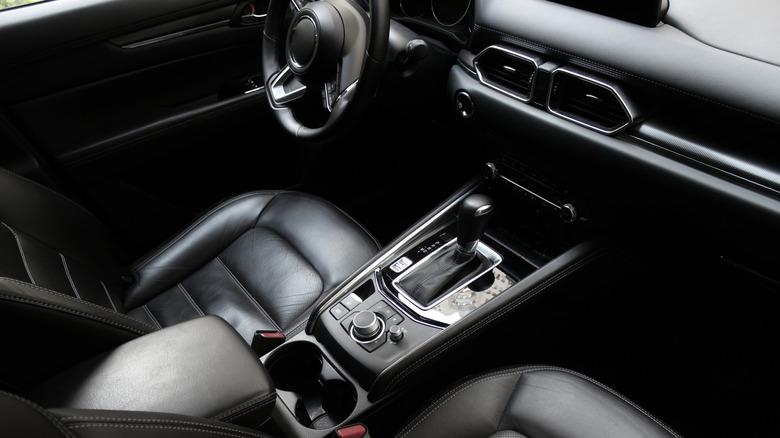
Most drivers want cars with nice interiors. After all, the average American driver spends at least 60 minutes per day driving. But if you’re bored with the same regular look, you might be tempted to do a complete car interior restoration. Before you shell out cash on a major rework, you should know that there are many cosmetic upgrades you can make to your car to give it a new lease on life. The good news is that these upgrades won’t be hard on your wallet, and you will not have to replace everything.

One of the smartest ways to add an aesthetic touch to your car’s interior is to install seat covers. If you’re a regular driver, sooner or later, your seats will age over time due to sun rays and stains from food and drink. To protect your original upholstery from wear and tear, it’s wise that you invest in the best seat covers. They will transform a boring interior into a snazzy one, keep things springy clean, and even hide seat damage.

However, while seat covers are cheap car accessories that users say will instantly improve comfort, it’s best that you spend extra money on premium options. Unlike cheap options that only protect your seats from wear and spills, premium seat covers offer more comfort, better protection, a full coverage fit, and airbag compatibility.

Keep the underneath looking good and protected with floor mats
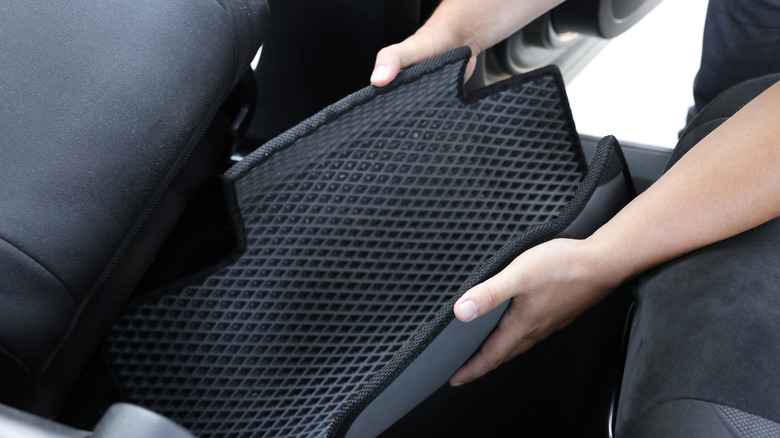
Floor mats designed by the original car manufacturer will match your car’s interior and fit perfectly. The only major problem is that they can feel a bit more boring. A good floor mat set doesn’t just protect your car from rust; it preserves resale value and makes cleaning a bit easier. With that said, while cheap rubber and plastic floor mats will do all this, if you want to turn up the mood of your car in an instant, you’ll want to install vinyl car floor mats.

Tuxmat custom floor mats, for instance, will shield your floorboards and carpets from spilled coffee and stand up to muddy boots and messy footprints. While they are quite expensive, they’ll definitely enhance your car’s aesthetics and comfort. They’re also waterproof and designed for specific vehicles, meaning they fit just right and adapt to all kinds of weather. However, if you can’t find a Tuxmat for your vehicle, ask the company for one, and they will seriously consider your request.

When shopping for non-OEM floor mats, whether for comfort or style, we highly recommend choosing models that fit your vehicle perfectly. Each car has unique dimensions and specifications for floor mats, and you risk interfering with the brake or accelerator pedal if you choose one that doesn’t fit your car perfectly.

Turn up the mood of your car’s interior with LED Lights

If you want to make your old car feel new, you’ll probably focus more on the seats and dashboard, and the interior lighting will just come as an afterthought. But colorful custom interior car lights can make a cheap-looking interior feel more luxurious. Standard car lights are often designed for function, not to create an ambiance. Installing RGB interior lights, like these Goove Car LED Strip Lights, available on Amazon for $29, in your door pockets, dashboard edges, center console, footwells, and cupholders adds a unique and decidedly high-end look to your cabin.

On top of that, the customizable nature of these versatile strips – you can adjust their brightness, hue, and color temperature remotely — allows you to create a personalized ambiance. Whether you want a soothing glow for a romantic night drive or a fun color mix for a night out with friends, these lights will turn up the mood in an instant.

Unlike standard lights that can be super distracting while driving at night, with these LED strips, you can dim them and set them to a subtler color to reduce eye strain. As a bonus, these strips have music-sync functionality that pulses the lights to the beat and rhythm of the song you’re playing in your car.


Source link

Leave a Reply

Subscribe to Our Newsletter

Get our latest articles delivered straight to your inbox. No spam, we promise.

Recent Reviews


NordVPN Google Chrome browser plugin unblocking Netflix in a browser window

Screenshot/CNET

Based on our years of testing and using VPNs across operating systems and browsers, these are the top factors you should consider when choosing a VPN for Chrome:

Chrome compatibility

If you’re looking for a VPN for Chrome, your primary consideration will be whether the VPN offers a Chrome extension. Most of the top VPN providers offer plugins for Chrome and other browsers, but some do not. Check that the VPN you’re considering offers a Chrome extension before purchasing. Alternatively, you can use your VPN provider’s native device app for platforms such as Windows, MacOS, Android, iOS/iPadOS and Linux, which works with an installed Chrome browser.

Privacy

A VPN’s Chrome extension doesn’t deliver the same level of privacy that a full VPN app does, but you’ll still get basic privacy protections through the plugin because it provides browser encryption and hides your IP address from the websites you visit. A VPN’s browser extension generally acts as a proxy and only protects traffic going through the browser itself, whereas the full VPN app protects all of the traffic running through your entire device. An important privacy feature to look out for in your VPN’s browser extension is WebRTC blocking, which can help prevent your IP address (and, therefore, general location) from leaking to the websites you’re visiting. Because a VPN browser extension operates essentially as a proxy, it’s fine for streaming and keeping your IP address hidden, but you shouldn’t rely on it for airtight privacy beyond browsing securely via HTTPS. For full privacy protection on your entire device with robust AES 256-bit or ChaCha20 encryption standards, you should use the full VPN app.  

We recommend a VPN with an audited no-logs policy — while a VPN company’s no-logging claims are impossible to completely verify, it’s still an important trust signal.

You should also look for modern encryption (AES-256 or ChaCha20, depending on the protocol, like WireGuard or OpenVPN) in your full VPN app. A reliable VPN app should have a kill switch, which shuts off your internet if your VPN unexpectedly disconnects. Split tunneling is a feature that lets you selectively use a VPN connection for some apps but not others, such as routing your Google Chrome web browser through a VPN while excluding your Steam games client for faster download speeds.

Specialty VPN servers can improve your privacy. Double hop or multi-hop uses two VPN connections to make it even more difficult to trace your traffic back to its source. Tor over VPN servers (or Onion over VPN) similarly add an extra layer of privacy by routing your traffic through the VPN as well as the Tor network. Obfuscated servers try to hide the fact that you’re using a VPN, which can be handy in situations like on school Wi-Fi, where a VPN may not work properly, or when traveling to countries where VPNs are frowned upon.

Speed

Because they’re lightweight versions of their respective VPN apps, VPN browser extensions can offer faster speeds than the full VPN app. If you’re streaming, video conferencing or gaming, and only need basic browser privacy, then using the browser extension can be a great way to get faster speeds.

Server network

A large network of servers can be beneficial, especially if you’re looking to unblock streaming content from around the world. Check the VPN provider’s list of servers to ensure that it offers servers in locations from which you want to stream content. The best VPN providers offer from 90 to 100-plus countries to choose from, but even among the top-tier VPNs, it’s likely that their coverage in Africa, the Middle East and Asia will vary wildly from provider to provider. You should also make sure that your VPN provider actually unblocks the streaming sites you expect. The best way to check is to take advantage of a money-back guarantee and test the VPN during the refund period. If you can’t get access to the streaming sites you want, you can always get your money back and try another VPN.

Cost

If you’re on a budget, then the price of your VPN will be an important consideration. Most VPNs cost about $10 to $15 per month but you can enjoy greater savings and an overall better value if you choose a yearly subscription plan. You can get a budget-friendly VPN for about $40 to $80 a year, but more expensive options can run up to $150 a year.

Customer support

Most of the best VPNs have helpful customer support options that are available around the clock. If you prefer getting answers from a real human, look for a provider that offers live chat or email support. If you prefer to find help on your own, look for a provider that has an extensive help section/knowledge base on its website that includes FAQs, troubleshooting guides and setup instructions.


Source link



