US Navy Brings 7,800-Ton Nuclear Sub Back Into Service After Upgrades


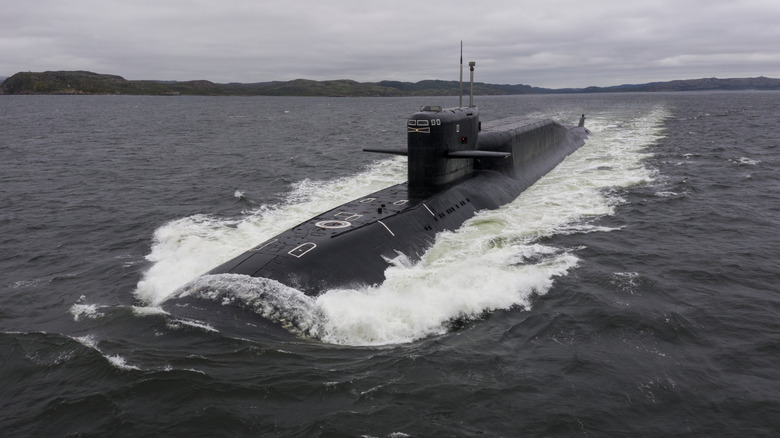
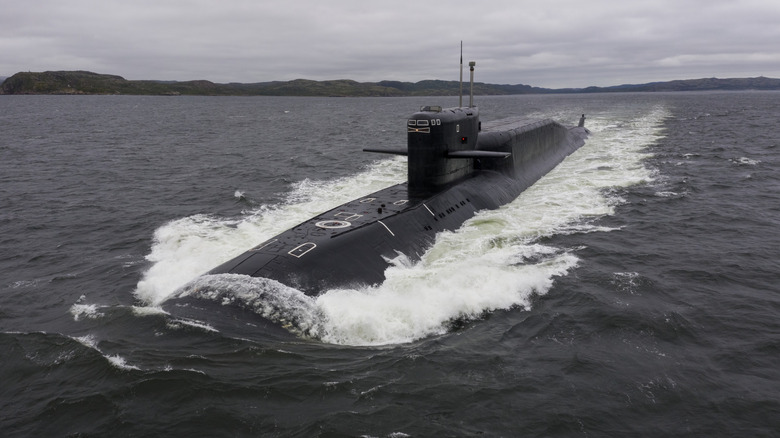
The U.S. military works to keep vehicles and aircraft operational and ready to go at all times. It’s the only way to ensure that each branch of the armed forces has what it needs in order to properly carry out missions, both in peacetime and during war. This also applies to U.S. Navy vessels, including the USS New Jersey, which was returned to active service in early April 2026. Belonging to the advanced nuclear-powered Virginia-class, this submarine recently completed its Post-Shakedown Availability (PSA) at Newport News Shipbuilding.

PSA is a scheduled shipyard maintenance period and without it, any issues the New Jersey had would likely not be identified and addressed until much later. In this case, the PSA also consisted of upgrading the New Jersey’s combat systems and electronics. Once the work was done, the fast-attack sub underwent sea trials to ensure full operational capability. At that point, the New Jersey, which shares its name with the most decorated U.S. battleship, was returned to the Navy. Thanks to its upgrades, the vessel should strengthen the Navy’s attack submarine fleet.

The USS New Jersey was originally delivered to the Navy in April 2024. It was built as part of the long-standing agreement between Newport News Shipbuilding and General Dynamics Electric Boat. It was the 11th Virginia-class boat delivered by Newport News Shipbuilding and the 23rd built under that partnership. Designed to support a modern crew structure, the New Jersey’s production included the efforts of thousands of shipbuilders and suppliers.

The USS New Jersey’s advanced capabilities explained

The USS New Jersey was commissioned by the Navy on September 14, 2024, marking the submarine’s official entry into active service. The New Jersey operates under Submarine Squadron 8, a force that maintains and keeps vessels ready for global undersea missions. With a crew of about 135, the submarine was introduced as a highly advanced and fully integrated platform. It was designed to carry out a wide range of operations including anti-submarine and anti-ship warfare, strike missions, and more.

As a Virginia-class submarine, the New Jersey is built with complex systems that can process data, support tactical awareness, and enable command decisions during operations. Perhaps more advanced than the Seawolf-class, Virginia-class subs can launch a variety of weapons, including cruise missiles, torpedoes, and unmanned vehicles. But not only does the New Jersey engage in warfare, it can also gather intelligence, perform surveillance, and reconnaissance. This is what makes the Virginia-class one of the most flexible classes of vessels in the U.S. Navy’s fleet.

The New Jersey also stands out because it’s built to support an integrated crew, carrying both men and women onboard. In fact, it’s the first sub of its class with that capability, and is part of the U.S. Navy’s more modern approach to submarine design. In addition to its design features, the New Jersey measures 377 feet long, has a 34-foot beam, and can reach speeds over 25 knots, or just under 29 miles per hour.


Source link

Leave a Reply

Subscribe to Our Newsletter

Get our latest articles delivered straight to your inbox. No spam, we promise.

Recent Reviews


NordVPN Google Chrome browser plugin unblocking Netflix in a browser window

Screenshot/CNET

Based on our years of testing and using VPNs across operating systems and browsers, these are the top factors you should consider when choosing a VPN for Chrome:

Chrome compatibility

If you’re looking for a VPN for Chrome, your primary consideration will be whether the VPN offers a Chrome extension. Most of the top VPN providers offer plugins for Chrome and other browsers, but some do not. Check that the VPN you’re considering offers a Chrome extension before purchasing. Alternatively, you can use your VPN provider’s native device app for platforms such as Windows, MacOS, Android, iOS/iPadOS and Linux, which works with an installed Chrome browser.

Privacy

A VPN’s Chrome extension doesn’t deliver the same level of privacy that a full VPN app does, but you’ll still get basic privacy protections through the plugin because it provides browser encryption and hides your IP address from the websites you visit. A VPN’s browser extension generally acts as a proxy and only protects traffic going through the browser itself, whereas the full VPN app protects all of the traffic running through your entire device. An important privacy feature to look out for in your VPN’s browser extension is WebRTC blocking, which can help prevent your IP address (and, therefore, general location) from leaking to the websites you’re visiting. Because a VPN browser extension operates essentially as a proxy, it’s fine for streaming and keeping your IP address hidden, but you shouldn’t rely on it for airtight privacy beyond browsing securely via HTTPS. For full privacy protection on your entire device with robust AES 256-bit or ChaCha20 encryption standards, you should use the full VPN app.  

We recommend a VPN with an audited no-logs policy — while a VPN company’s no-logging claims are impossible to completely verify, it’s still an important trust signal.

You should also look for modern encryption (AES-256 or ChaCha20, depending on the protocol, like WireGuard or OpenVPN) in your full VPN app. A reliable VPN app should have a kill switch, which shuts off your internet if your VPN unexpectedly disconnects. Split tunneling is a feature that lets you selectively use a VPN connection for some apps but not others, such as routing your Google Chrome web browser through a VPN while excluding your Steam games client for faster download speeds.

Specialty VPN servers can improve your privacy. Double hop or multi-hop uses two VPN connections to make it even more difficult to trace your traffic back to its source. Tor over VPN servers (or Onion over VPN) similarly add an extra layer of privacy by routing your traffic through the VPN as well as the Tor network. Obfuscated servers try to hide the fact that you’re using a VPN, which can be handy in situations like on school Wi-Fi, where a VPN may not work properly, or when traveling to countries where VPNs are frowned upon.

Speed

Because they’re lightweight versions of their respective VPN apps, VPN browser extensions can offer faster speeds than the full VPN app. If you’re streaming, video conferencing or gaming, and only need basic browser privacy, then using the browser extension can be a great way to get faster speeds.

Server network

A large network of servers can be beneficial, especially if you’re looking to unblock streaming content from around the world. Check the VPN provider’s list of servers to ensure that it offers servers in locations from which you want to stream content. The best VPN providers offer from 90 to 100-plus countries to choose from, but even among the top-tier VPNs, it’s likely that their coverage in Africa, the Middle East and Asia will vary wildly from provider to provider. You should also make sure that your VPN provider actually unblocks the streaming sites you expect. The best way to check is to take advantage of a money-back guarantee and test the VPN during the refund period. If you can’t get access to the streaming sites you want, you can always get your money back and try another VPN.

Cost

If you’re on a budget, then the price of your VPN will be an important consideration. Most VPNs cost about $10 to $15 per month but you can enjoy greater savings and an overall better value if you choose a yearly subscription plan. You can get a budget-friendly VPN for about $40 to $80 a year, but more expensive options can run up to $150 a year.

Customer support

Most of the best VPNs have helpful customer support options that are available around the clock. If you prefer getting answers from a real human, look for a provider that offers live chat or email support. If you prefer to find help on your own, look for a provider that has an extensive help section/knowledge base on its website that includes FAQs, troubleshooting guides and setup instructions.


Source link