
Chevrolet makes a truly wide variety of SUVs for the U.S. market, which makes sense given the widespread popularity of the SUV among today’s vehicle buyers. You can buy Chevy SUVs with internal combustion engines and EV powertrains. There are small Chevy SUVs, medium-sized ones, and some truly gargantuan models, too.
But with such a wide range of products, there will be winners and losers, and not every Chevrolet SUV can be a sales success. The worst-selling Chevy SUV in 2025, according to GoodCarBadCar.net, is the Chevrolet Blazer EV, with 13,943 sales. This makes sense, since EVs had a rough time in 2025, especially with the elimination of the $7,500 federal tax credit on September 30, 2025. The next-worst-selling Chevy SUV for 2025 was Chevy’s other electric SUV, the Equinox EV, which shifted 31,156 units between January and December. This potentially reflected the somewhat unexciting design we pointed out in our review of a 2026 Equinox EV.
Other lesser-selling SUVs from the Chevrolet corral include the gasoline Blazer with 52,002 units sold, the Suburban with 53,303 sales, and the TrailBlazer with 92,600 sales. All other Chevrolet SUVs in the company’s lineup sold more than 100,000 examples each in 2025. They include the top-selling gasoline Equinox with 275,850 sales, followed by the Trax with 192,030 units sold, the Traverse with 133,396 sales, and the Tahoe with 104,694 sales.
All about the Chevrolet Blazer EV
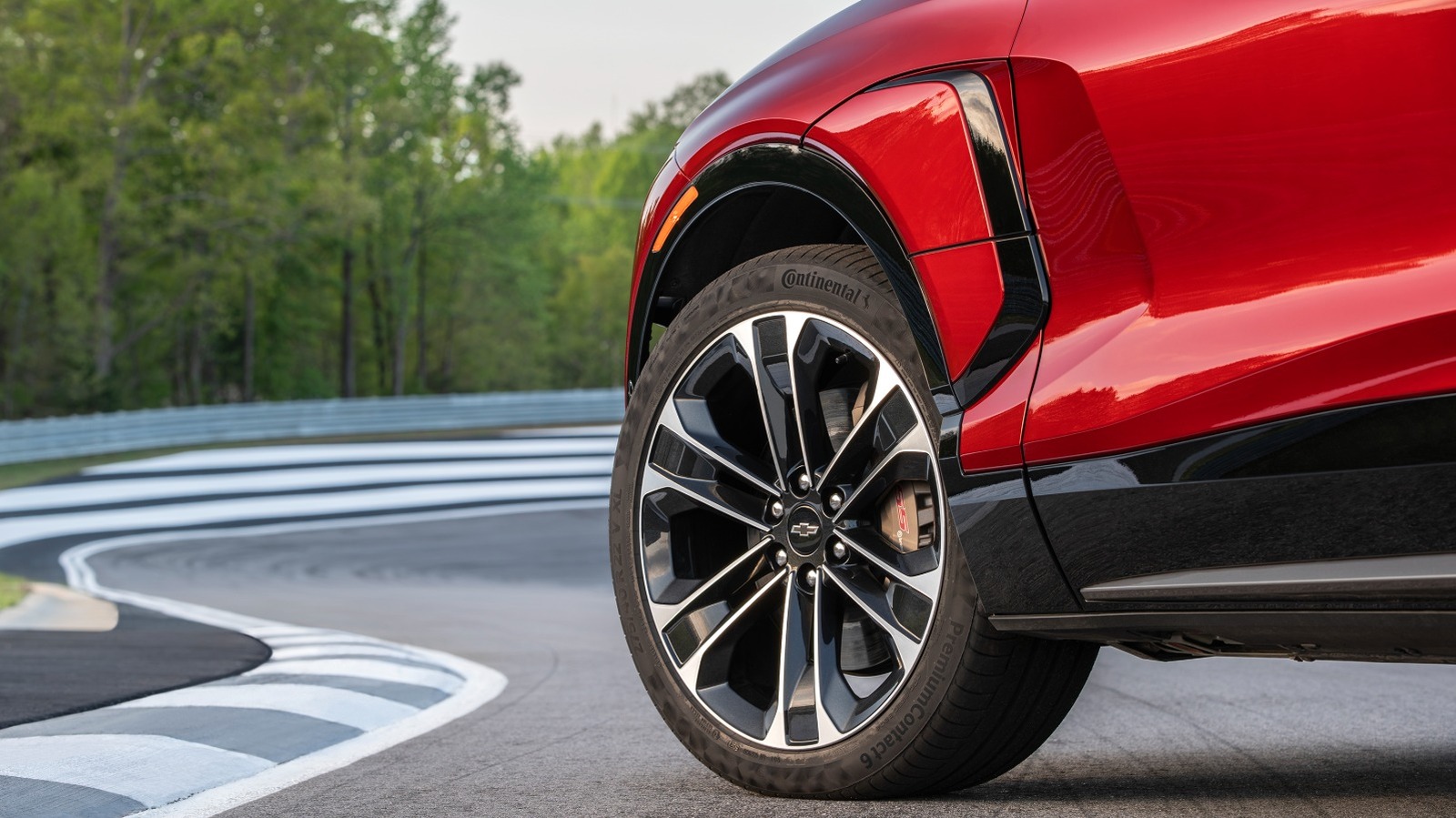
The Chevrolet Blazer EV is a two-row electric SUV available with either front- or all-wheel drive. The various powertrains on the Blazer EV start with the 220-hp front-drive setup, continue with the dual-motor 300-hp AWD system, and max out with the SS model’s 615-hp AWD powertrain. The best range numbers go to the front-wheel drive models, which can go an EPA-rated 312 miles on a charge. This is reduced to 283 miles with the AWD system, while the SS, with its larger battery, has a range of 303 miles. This range is one of the best things about the Blazer EV, impressing us when we spent some time with a 2025 Blazer EV.
In Car and Driver’s testing, the md-range Blazer EV RS AWD produced a 0-60 mph time of 6.0 seconds and a quarter-mile time of 14.8 seconds at 93 mph. The much more powerful, full-fat SS did the 0-60 mph run in a much quicker 3.3 seconds, while the quarter zoomed by in 11.8 seconds at 117 mph. The outlet measured the cargo capacity of the Chevrolet Blazer EV at 26 cubic feet behind the second row, expanding to 60 with the second row folded. Chevy’s entry-level FWD Blazer EV LT starts at $46,495 including destination, while the top-level Blazer EV SS AWD begins at $62,495 before any options are added.

Stephan is the sports journalist for the Maple Grove Report.