MINNEAPOLIS (AP) — Federal agents executed multiple searches in Minnesota on Tuesday, seizing records and other evidence in an ongoing fraud investigation by the Trump administration of publicly funded social programs for children, authorities said.
Few details were released, though armed agents were seen at childcare centers in the Minneapolis area. KSTP-TV said one crew even had a battering ram.
Democratic Gov. Tim Walz, who has been on the defensive amid Trump administration claims that he hasn’t done enough to root out fraud, welcomed the raids. The state child welfare agency said it shared key information with law enforcement to “hold bad actors accountable.”
“We catch criminals when state and federal agencies share information. Joint investigations work, and securing justice depends on it,” Walz said.
The searches were being conducted at daycares, businesses and some residences, according to a person familiar with the matter who spoke to The Associated Press on the condition of anonymity because they were not authorized to publicly discuss the investigation.
Before that crackdown, the government had brought fraud charges against dozens of people, many of them Somali Americans, who were accused of fleecing a federal program that was meant to provide food to children. The investigation began during the Biden administration. More than 60 people have been convicted.
Various state and federal agencies, including the Department of Homeland Security, participated in searches Tuesday. Officers from Minnesota’s Bureau of Criminal Apprehension were removing boxes at some sites.
“The American people deserve to know how their taxpayer money was abused. … No stone will be left unturned,” said DHS, which also noted the cooperation of local and state authorities.
On social media, FBI Director Kash Patel said Walz didn’t deserve much credit “while we smoke out the fraud plaguing Minnesota under your governorship.”
Jason Steck, an attorney who represents childcare centers, said the names of targeted businesses that were shared with him show they’re operated by Somali immigrants. They were not his clients.
“A few childcare centers, a few autism centers, a few healthcare agencies of some type,” Steck said, adding that it appeared to be a “particular sweep for fraud.”
The executive director of Child Care Aware of Minnesota, a nonprofit that serves childhood educators, said the publicity will be unflattering.
“The majority are in business to do good business. You’re going to come across individuals who try to capitalize on systems that are broken and need to be fixed,” Candace Yates said.
Right-wing influencer Nick Shirley posted a video in December that caught the attention of the Trump administration. He alleged that members of Minnesota’s Somali community were running fake child care centers so they could collect federal subsidies, fueling suspicions on top of the food aid scandal. The claims were disproven by inspectors.
President Donald Trump, meanwhile, has used dehumanizing rhetoric, calling Somali immigrants “garbage” and “low IQ.”
In February, Vice President JD Vance said the government would temporarily halt $243 million in Medicaid funding to Minnesota over fraud concerns. Minnesota sued in response, warning it may have to cut healthcare for low-income families, but a judge on April 6 declined to grant a restraining order.
Walz told Congress in March that he wanted to work with the federal government in fraud investigations, but that the immigration surge had made it more difficult.
“The people of Minnesota have been singled out and targeted for political retribution at an unparalleled scale,” he said at the time.
___
Durkin Richer reported from Washington. AP reporters Steve Karnowski in Minneapolis and Corey Williams and Ed White in Detroit contributed to this story.
Complex-sounding medical procedures are notorious for creating feelings of anxiety in those who face them, and a cystoscopy is no exception. The name itself can sound intimidating, and the idea of a procedure that involves the bladder and urethra might even create additional worry. However, while the term might sound intimidating, a cystoscopy is a relatively quick and straightforward procedure frequently performed right in your doctor’s office.
Learn more about cystoscopies and what you can expect from this common procedure.
What Is a Cystoscopy?
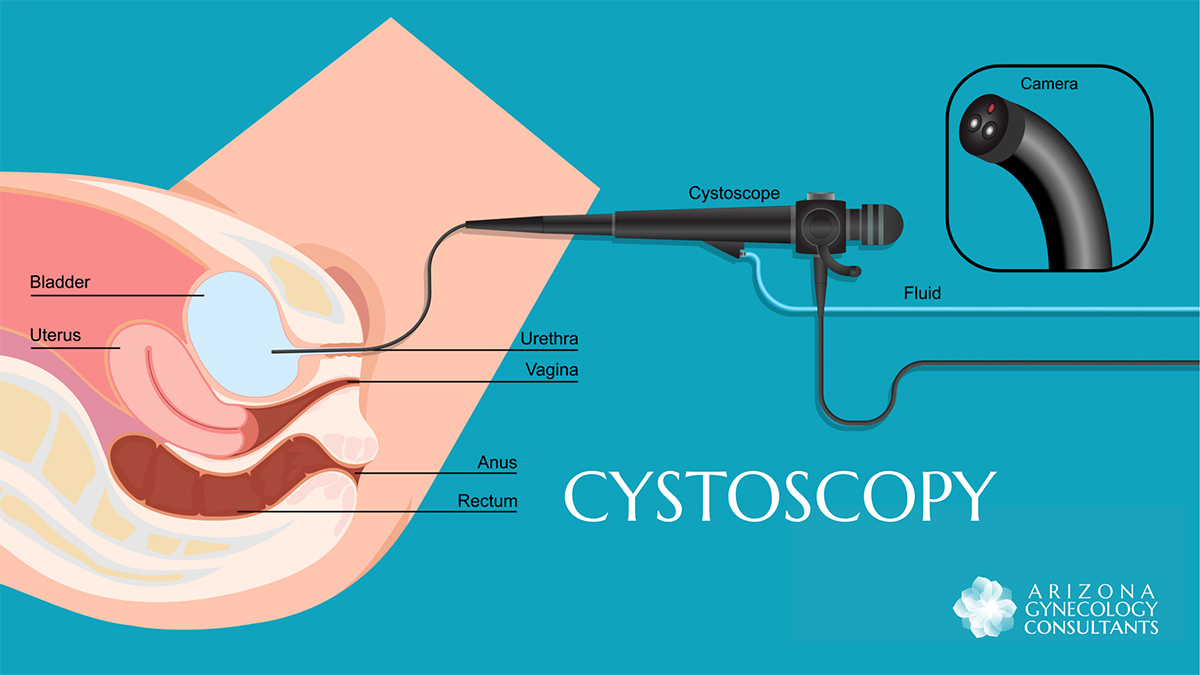
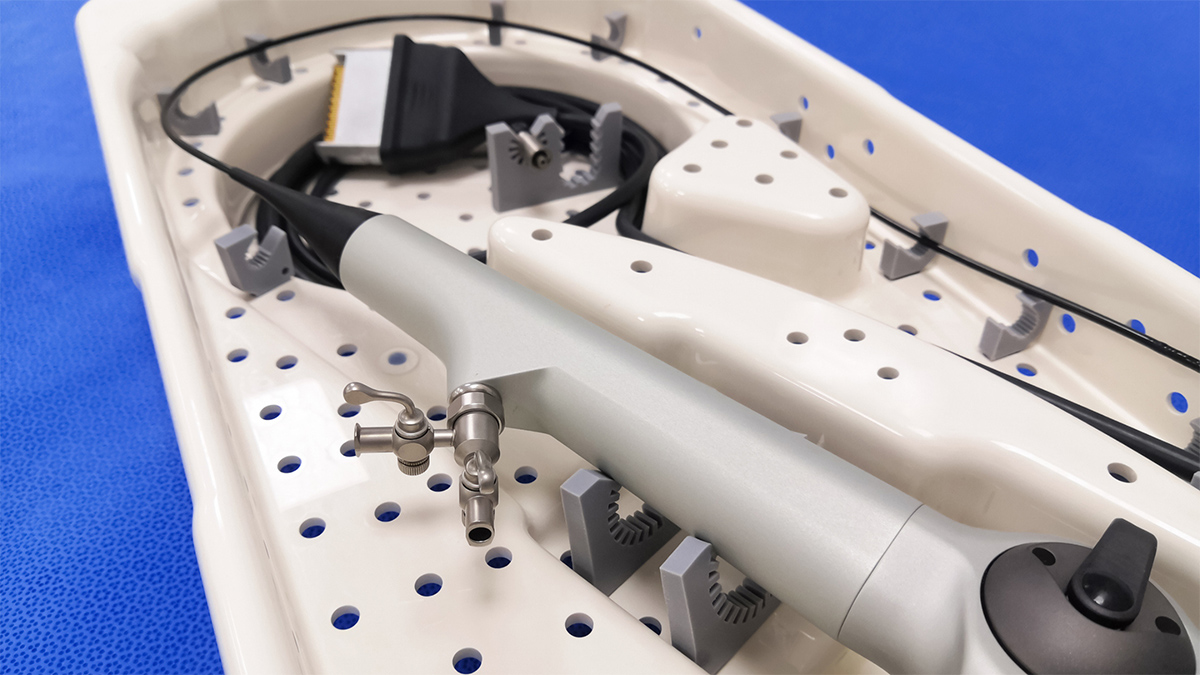
A cystoscopy is a minimally invasive medical procedure performed with the purpose of examining a person’s urethra and bladder for abnormalities. During a cystoscopy, a physician uses a thin, telescope-like tube equipped with a light and a camera called a cystoscope. As the thin tube is gently inserted through the urethra and into the bladder, the camera transmits to a monitor, providing your doctor with a clear view.
There are two types of cystoscopes: rigid and flexible. As its name suggests, a rigid cystoscope is a straight, relatively firm tube often preferred for its clear images and its ability to enable the smoother passage of other medical instruments for biopsies. A flexible cystoscope is made of thinner, bendable materials that can more easily navigate the curves of the urethra. This can be more comfortable for patients.
Why Is a Cystoscopy Performed?
Cystoscopy may identify several issues related to the urinary tract.
These can include:
Blood in the Urine (Hematuria) – Identifying the source of blood in the urine is a common reason for performing a cystoscopy. The procedure can reveal infections, bladder stones, tumors, or other abnormalities.
Painful Urination (Dysuria) – Cystoscopy can help determine the cause of pain or burning during urination, such as inflammation, infection, or structural issues.
Frequent Urination or Urinary Urgency – These symptoms may indicate bladder irritation, an overactive bladder, or other underlying conditions. A cystoscopy can help providers reach a diagnosis.
Urinary Incontinence – This procedure can help providers evaluate the bladder and urethra to identify potential cases of incontinence, such as structural problems or nerve issues.
Difficulty Starting or Stopping Urination – Cystoscopy could help identify blockages that are creating problems with urination.
Recurrent Urinary Tract Infections (UTIs) – If UTIs are frequent, the procedure could help identify contributing factors.
Incomplete Voiding – People experiencing the feeling of incomplete bladder emptying may need a cystoscopy to identify the cause.
Chronic Pelvic Pain – In some cases, a cystoscopy may be performed to investigate urinary tract involvement in chronic pelvic pain.
In general, cystoscopies give medical providers the opportunity to identify and diagnose bladder, urethral, and urinary tract conditions.
A cystoscopy can be used to diagnose:
Bladder cancer
Bladder stones
Bladder inflammation (cystitis)
Urethral strictures
Congenital abnormalities
Foreign bodies
Interstitial cystitis/painful bladder syndrome
Other bladder and urethral conditions can be treated using a cystoscopy camera and a tube to guide medical instruments.
Procedures and interventions may include:
Removal of small bladder tumors or polyps
Removal of bladder stones
Widening narrowed areas of the urethra through urethral dilation
Overactive bladder injections
Placement or removal of stents (small tubes) to relieve blockages
Repairing small fistulas, which are abnormal connections between the bladder and other structures.
Early detection and diagnosis are key to avoiding the serious and life-altering complications that can come with bladder and urinary tract issues. Prompt intervention prevents worsening symptoms and the development of chronic conditions, creates the opportunity for more effective treatment, improves outcomes, and boosts survival rates for conditions like urinary tract cancers.
Preparing for the Procedure
If your physician has recommended a cystoscopy, it is crucial that you ask questions and review cystoscopy information so that you are comfortable and informed. Your physician will explain the details of the test to you, including what to expect before, during, and after the procedure.
They will discuss:
The purpose of the test
Whether it will occur in the office or another outpatient setting
How it will be performed
Whether local or general anesthesia will be used
Any potential risks or discomforts you can expect
When and how you can expect to receive the results
Before the procedure, you’ll be asked to sign a consent form. This indicates your agreement to undergo the test. Make sure you review this form thoroughly and ask your healthcare team to clarify anything you may not understand.
If the cystoscopy is used as a diagnostic tool, you’ll likely only need local anesthesia to numb the urethra. However, if the cystoscopy is used to perform a procedure or biopsy, you may require general anesthesia, though this is extremely rare. If so, there will likely be specific fasting guidelines you’ll need to follow before the test. Be sure to carefully follow any instructions you receive about when to stop eating and drinking, or what you might be allowed to drink. You might also receive instructions about following a special diet for one to two days before the test.
Remember:
It is crucial to inform your healthcare provider if you are pregnant or suspect that you might be.
Let your healthcare provider know if you have any sensitivities or allergic reactions to medications, latex, iodine, tape, or any type of anesthesia.
Be sure to inform your healthcare provider of all the prescription and over-the-counter medications you take, including any vitamins, supplements, and herbal remedies.
You will need someone to drive you home after receiving sedation or anesthesia.
What to Expect During a Cystoscopy
A cystoscopy is a standard and generally well-tolerated procedure. However, getting informed about what to expect can ease some anxieties you may have.
The process typically begins with your physician positioning you comfortably, which usually means lying on your back with your knees bent. The medical staff will ensure your privacy and maintain a professional and discreet environment throughout the procedure.
Before the cystoscope is gently inserted, a local anesthetic gel is typically applied to the urethra to numb the area and minimize any discomfort. In some cases, depending on your medical history or anxiety levels, your doctor might recommend light sedation. If another procedure is scheduled, you may receive general anesthesia.
The cystoscope is then carefully passed through the urethra and into the bladder. Your physician may allow sterile saline to flow into your bladder to help expand it and make the lining of the bladder easier to see. You may feel some pressure or a mild urge to urinate, but the procedure should not be painful. The cystoscopy procedure is generally relatively quick, often taking about 5 to 15 minutes to complete.
After the Cystoscopy: Recovery and Side Effects
Following the procedure, if you received sedation or anesthesia, you will be moved to a recovery area for monitoring. The specifics of this recovery will depend on the type of sedation you received. Once your blood pressure, heart rate, and breathing are consistent and you are awake, you will either be transferred to another room or allowed to go home. You can typically return to your regular diet and activities unless your healthcare provider advises otherwise.
Important Post-Cystoscopy Notes
It is important to increase your fluid intake after a cystoscopy to help dilute your urine and ease urinary discomfort.
To ease any remaining discomfort, you can apply a warm, damp washcloth over your urethral opening or take a warm bath.
It is normal to see some blood in your urine, pink urine, or experience mild burning during urination for the first day or two.
Take pain medication for soreness or discomfort only as recommended by your healthcare provider. Avoid aspirin and NSAID medications like ibuprofen and naproxen that may increase bleeding risk.
Your doctor may prescribe an antibiotic; be sure to take it as instructed.
You should contact your healthcare provider if you experience fever or chills, frequent or urgent need to urinate, inability to urinate, lower back pain, or continued burning or blood in your urine.
Answering Frequently Asked Questions about Cystoscopies
If you are facing a cystoscopy, you may have questions about what to expect before, during, and after the procedure.
Here are some of the most frequently asked questions our patients have about cystoscopy:
Is a Cystoscopy Painful?
For most women, a cystoscopy only causes mild discomfort rather than significant pain. You might feel some pressure or a temporary stinging sensation during insertion. This pressure may feel strange due to the sensitive nature of your urinary system, but cystoscopies are generally a quick process.
At Arizona Gynecology Consultants, we prioritize your comfort and your health. Our experienced team is committed to using only the most gentle, non-invasive techniques during your procedure. We understand that even mild discomfort can be a source of anxiety, and we take every measure to ensure the procedure goes smoothly while you are as comfortable as possible.
Will I Need to Take Time Off Work?
If your cystoscopy will require general anesthesia, you should plan to take the next day off work, but you should likely be able to return on the second day. You should also avoid driving for 24 hours after general anesthesia. If your physician recommends only local anesthesia, you should be able to return to work the next day if you feel well enough.
Do Cystoscopies Have Any Side Effects?
Experiencing a mild, temporary burning sensation during urination after a cystoscopy is not uncommon. The majority of individuals undergoing cystoscopies will have minimal to no side effects. However, if you notice a fever or chills or ongoing painful urination, it is crucial to call your doctor.
What Are The Risks of a Cystoscopy?
While infection is the primary risk associated with a cystoscopy, it is quite uncommon. Introducing bacteria into the urinary tract during the procedure is what causes infections, and infections that occur after cystoscopy are very rare. The only other potential risk is a minimal chance of urethral scar tissue formation due to scope irritation, but this is most common with patients who receive frequent cystoscopies.
When Should I Know the Results of the Cystoscopy?
For a diagnostic cystoscopy, your provider will likely know the results during the procedure. If a biopsy is taken, the results typically take up to two weeks. Please ask your healthcare team when you can expect your results in your records or if you will hear from them directly.
Cystoscopy at Arizona Gynecology Consultants
If you are facing a cystoscopy at Arizona Gynecology Consultants, you can trust our experienced team to provide exceptional care and genuine compassion. Our dedicated physicians and staff have performed many cystoscopies. We approach each unique case with a deep understanding and refined technique.
We believe in clear communication and strive to ensure you feel informed and empowered. Before your cystoscopy, the procedure will be explained to you thoroughly, and any questions or anxieties you may have will be addressed. We understand the personal nature of gynecological health, and our staff is trained to guide you through each step.
If you would like to learn more about AZGYN cystoscopy or have specific questions, we encourage you to visit our services page for more detailed information.
Please do not hesitate to call our office to speak with a member of our caring team. We are here to support your health journey.
Schedule Your Consultation at AZGYN
Urinary issues can be disruptive to your life and lead to additional health concerns. Understanding the root cause of your symptoms is the first step towards finding relief and regaining control over your health. Take the first steps to address your concerns by consulting with a specialist who can ensure you receive an accurate diagnosis and personalized treatment options. Book a consultation with a women’s health specialist at AZGYN today.
To provide the best experiences, we use technologies like cookies to store and/or access device information. Consenting to these technologies will allow us to process data such as browsing behavior or unique IDs on this site. Not consenting or withdrawing consent, may adversely affect certain features and functions.
Functional
Always active
The technical storage or access is strictly necessary for the legitimate purpose of enabling the use of a specific service explicitly requested by the subscriber or user, or for the sole purpose of carrying out the transmission of a communication over an electronic communications network.
Preferences
The technical storage or access is necessary for the legitimate purpose of storing preferences that are not requested by the subscriber or user.
Statistics
The technical storage or access that is used exclusively for statistical purposes.The technical storage or access that is used exclusively for anonymous statistical purposes. Without a subpoena, voluntary compliance on the part of your Internet Service Provider, or additional records from a third party, information stored or retrieved for this purpose alone cannot usually be used to identify you.
Marketing
The technical storage or access is required to create user profiles to send advertising, or to track the user on a website or across several websites for similar marketing purposes.