5 Cooler European Destinations To Survive The Heat This Summer


Share The Article

Pistacchio gelato sitting on a pier overlooking a pastel-hued port in Croatia.

Vespa rides along Italy’s winding coastal roads, passing cliffside houses and imposing Renaissance palaces. Lounging on an exclusive beach club in Nice, France, spritz in hand and not a care in the world.

Sounds dreamy, alright, until you factor in the buzzing crowds, jammed traffic leading to most beach spots, and the AC-equipped room budget alone.

Yep, there’s no way you can survive in the Southern European heat without it, and those don’t come cheap in all of the trendiest coastal destinations.
5 Cooler European Destinations To Survive The Heat This Summer

If melting under 95 degrees, spraying sunscreen all over yourself every 2 hours, and gasping for air every 10 steps up the next hilltop panorama doesn’t sound like your idea of fun this year, we have good news for you: there’s a cooler, much-milder European summer in Central and Northern Europe.

Here are 5 alternatives to the Mediterranean humdrum that won’t leave you fried, dehydrated, and facing an imminent skin cancer risk in your early 40s:

PLUS: We’ve created an interactive quiz for you at the end of this article to find which destination is perfect for you!

Inverness, Scotland
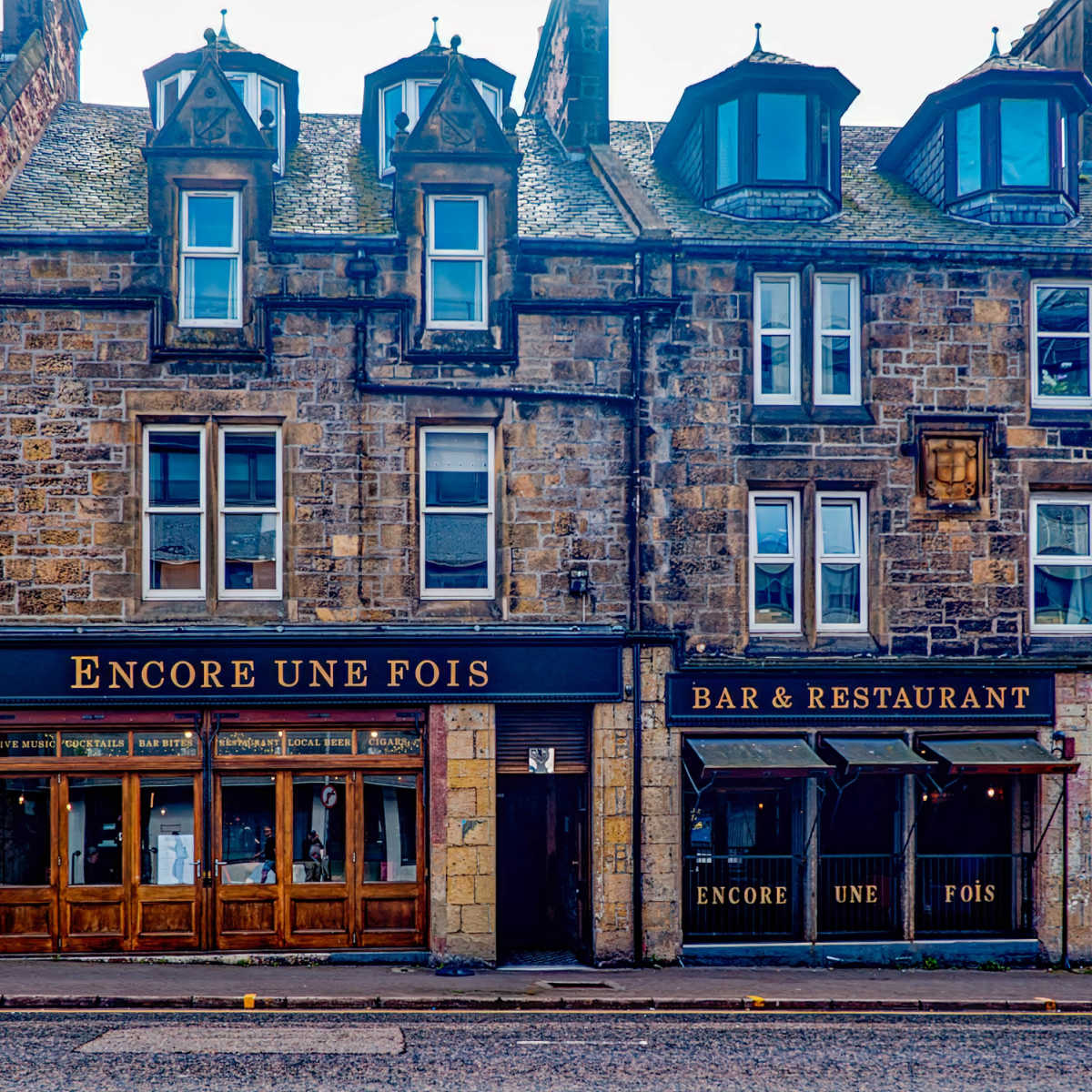
Stone-built Victorian storefronts and buildings housing Encore Une Fois Bar and Restaurant in Inverness, UK

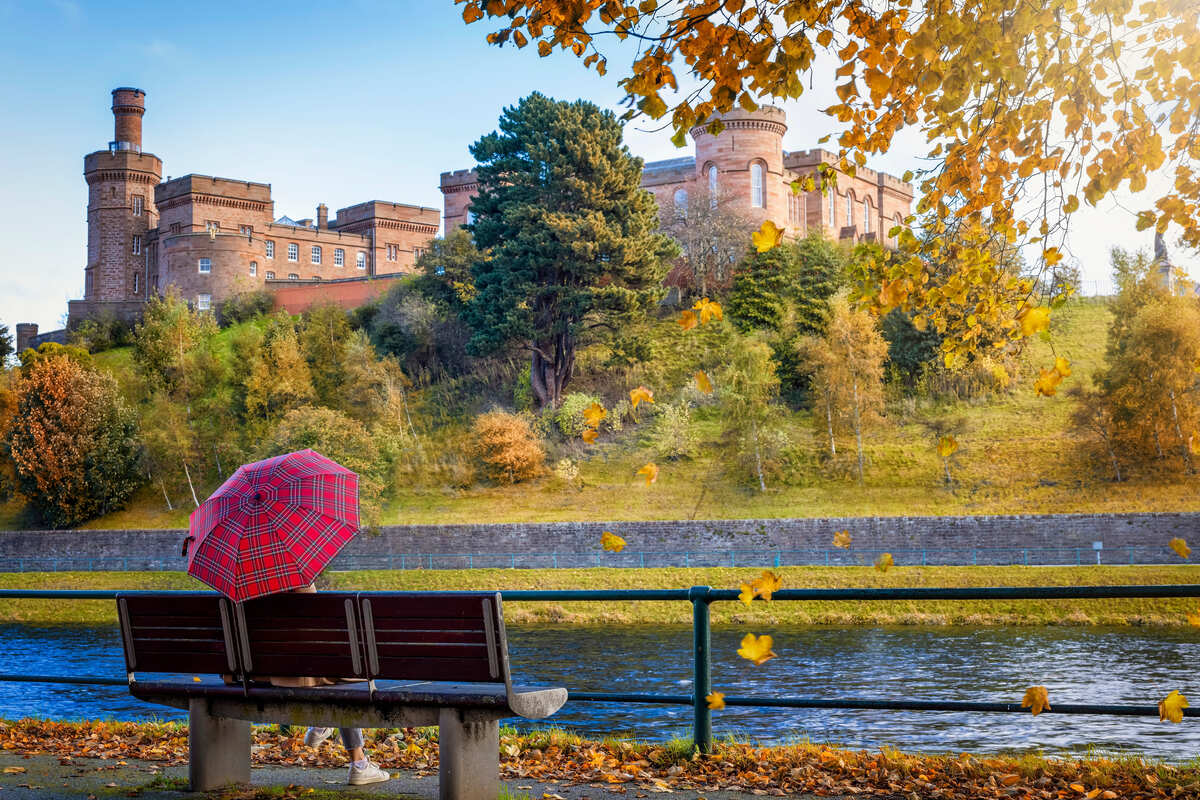
The quiet, unassuming capital of the Scottish Highlands, Inverness is still largely undiscovered by most UK-bound tourists, which is a shame, because it could easily step right out of a storybook.

Perched on the northern shores of Loch Ness, the mystical lake said to harbor a serpent-like monster, the city boasts a gorgeous historic castle overlooking a café-lined waterfront, lively shopping streets flanked by Georgian buildings, and charming little corners made for wandering.

Inverness is rather rainy and breezy year-round, even in summer, so pack a light rain jacket. But the good news? Even if it starts “pissing down,” as the Scots say, it’s rarely for long. Sunshine, and often a beautiful rainbow is likely to follow the Northerly downpour.
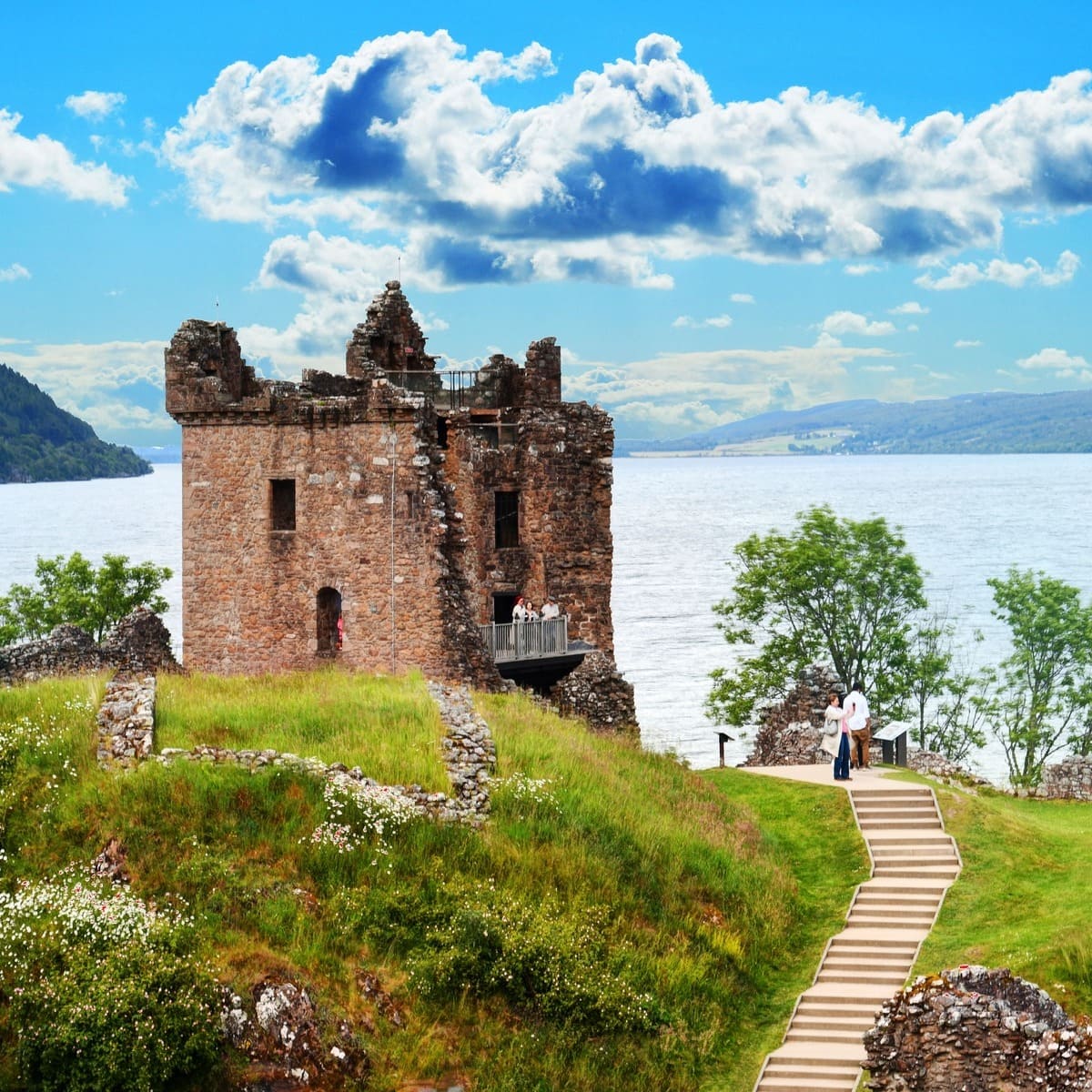
Urquhart Castle On Loch Ness, Scotland, Great Britain, United Kingdom

The hottest it usually gets this far north in Britain is around 65°F, dropping to 50°F in the evenings.

A short 30-minute drive brings you to Urquhart Castle, one of Britain’s most scenic castle ruins, right on Loch Ness’ shores. Even closer, just 15 minutes out of town, the Culloden Battlefield marks the historic 1746 Jacobite uprising.

Venture a bit further, and the Cairngorms offer hiking paths and stunning forested scenery. For a full-day adventure, roughly 3 hours each way, the Isle of Skye is Scotland’s ultimate island escape, complete with fairy pools, towering waterfalls plunging into the ocean, and romantic castles.

The U.K. and Europe in general have recently changed their entry rules for American tourists, and this includes Scotland. Bringing a valid passport to the airport is no longer sufficient to be allowed boarding in UK-bound flights.

Check the latest Entry Requirements here.

Tignes, France
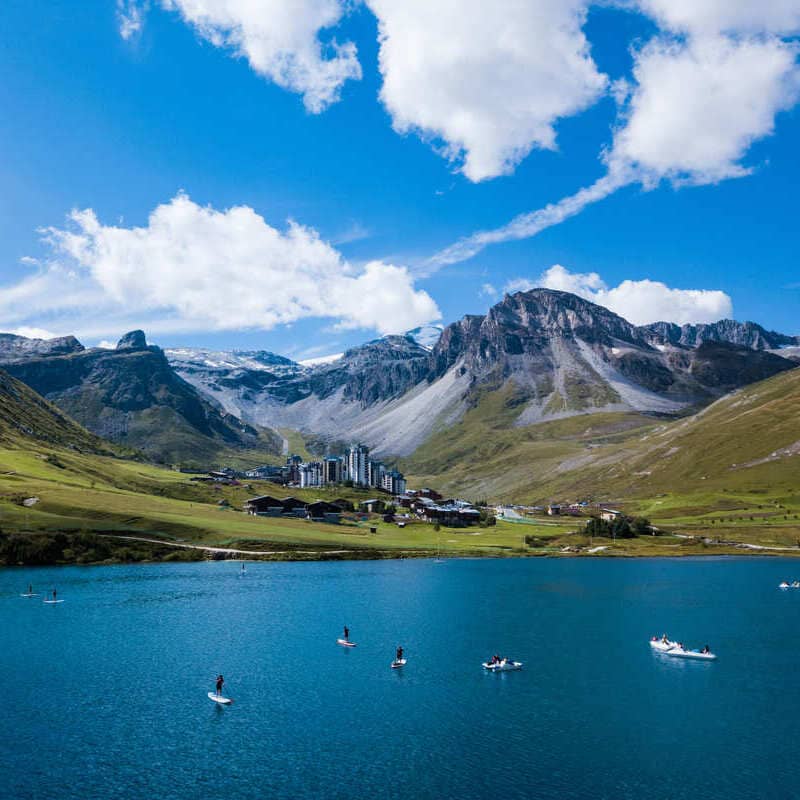
View Of Tignes Val Claret, French Alps, France

One of the highest settlements in Europe, perched on a glacial plateau about 3,030 meters above sea level, Tignes is basically the top move if you want to escape the summer heat in July. Think daytime highs around 62°F and nighttime lows near 40°F.

Aka perfect “I can finally wear a jacket again” weather.

It’s best known in winter for its winding red pistes and reliable snow, but in summer, the whole place flips into a hiker’s and biker’s paradise. You’ve got well-marked trails leading to uncrowded, crystal-clear lakes, wildflower-covered slopes, and ridiculous views of snow-capped peaks in every direction.

The Vanoise area is packed with 40+ bike trails, ridgelines, and alpine routes, and honestly, that’s probably the main reason to go in summer. Riding through all that lush green scenery with the Alps looming in the background is kind of unreal.
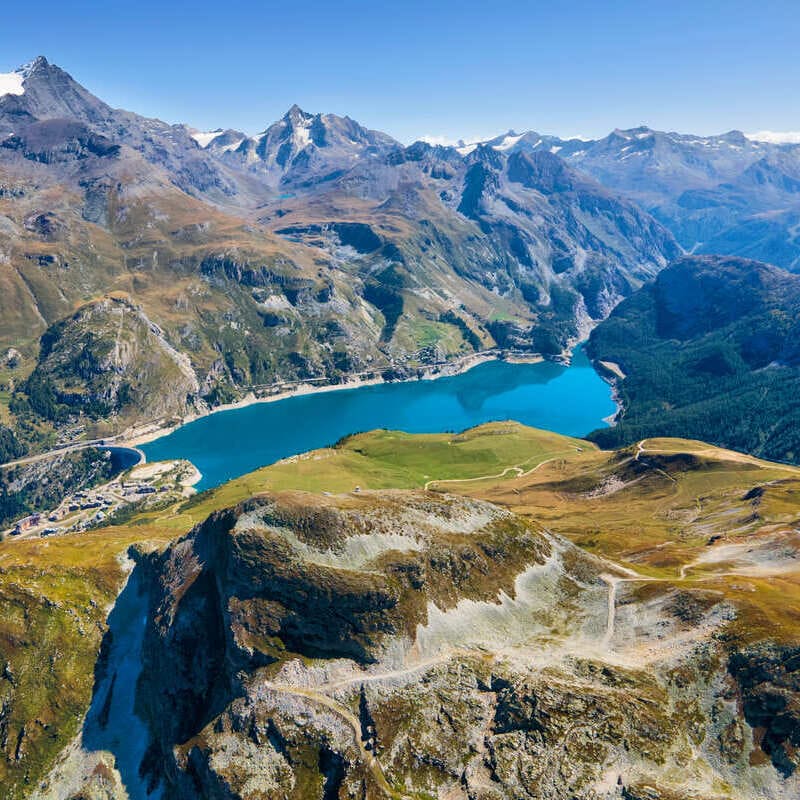
Panoramic View Of The French Alps Near Tignes, France

And even if you’re not exactly trying to break a sweat, you can still get the full alpine experience. Just hop on the “Snowpiercer” funicular from Val Claret, the highest part of Tignes, up toward the Grande Motte glacier.

The views are straight-up magical, and there’s a very deserved apéro waiting for you at the top.

My favorite part about Tignes? It’s considerably safer, more family-oriented, and a higher-trust society than what Paris, Marseille, Lyon, and most French powerhouse cities have become. None of the scamming, street violence, or low security levels.

You’re not just breathing fresh, crisp mountain air. You’re actually breathing unbothered.

How Dangerous Is Paris Right Now?

Currently, our Traveler Safety Index shows Paris sitting at an 81/100 based on recent travelers’ votes.

Åland

Autonomous Territory Of Finland
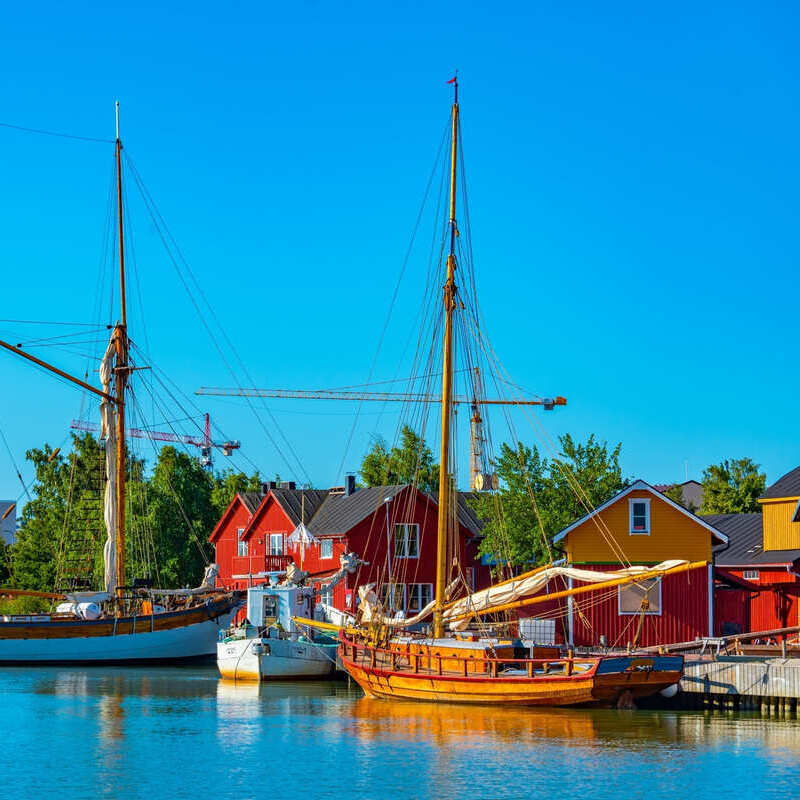
Picturesque Harbor In Aland

If you’ve read our recent article 4 Of The Weirdest But Also Coolest Places To Visit In Europe, you probably know by now we have a soft spot for the odd geopolitical anomaly.

Åland is an island that lies off the coast of Sweden, and given a majority of the residents proudly identify as, and speak Swedish as their mother language, you’d expect it to be part of the Scandinavian kingdom… right?

Wrong answer. Finland is the sovereign power here.

Though Åland enjoys a high degree of autonomy, being responsible for its own government, education, and internal affairs, it’s officially part of Finland, and Finnish citizenship applies.
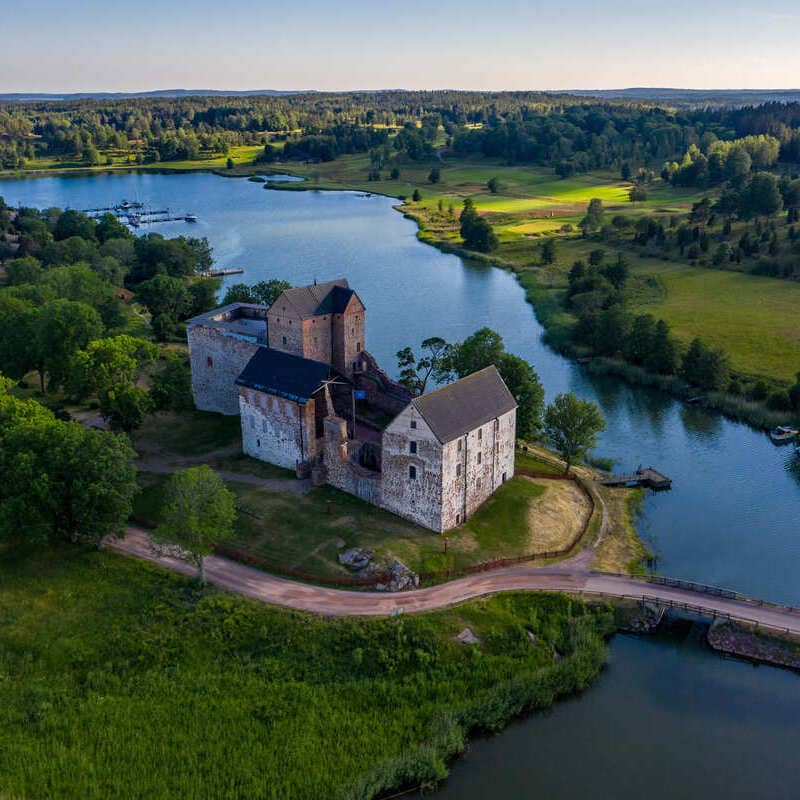
Historic Castle In Aland

It’s also an island in the middle of the icy Baltic Sea, so you might want to give it a miss right now if you hate strong winds and gray, moody weather; this probably isn’t the right time to go.

In summer, though? Completely different story: when the sun shines, it turns into a paradise for biking, with flat, easy cycling routes, and it’s probably Europe’s most underrated natural getaway, from the red granite shores to the castle-dotted pine forests inland.

Mariehamn, the small but charming capital, is ridiculously cute, with its colorful, chalet-style wooden townhouses, and that classic sea-then-sauna combo that’s just the ultimate Nordic flex.

Weather-wise, you’ll still want to pack at least a few sweaters, because even in July, the hottest it usually gets is around 67°F.

Kristiansand, Norway
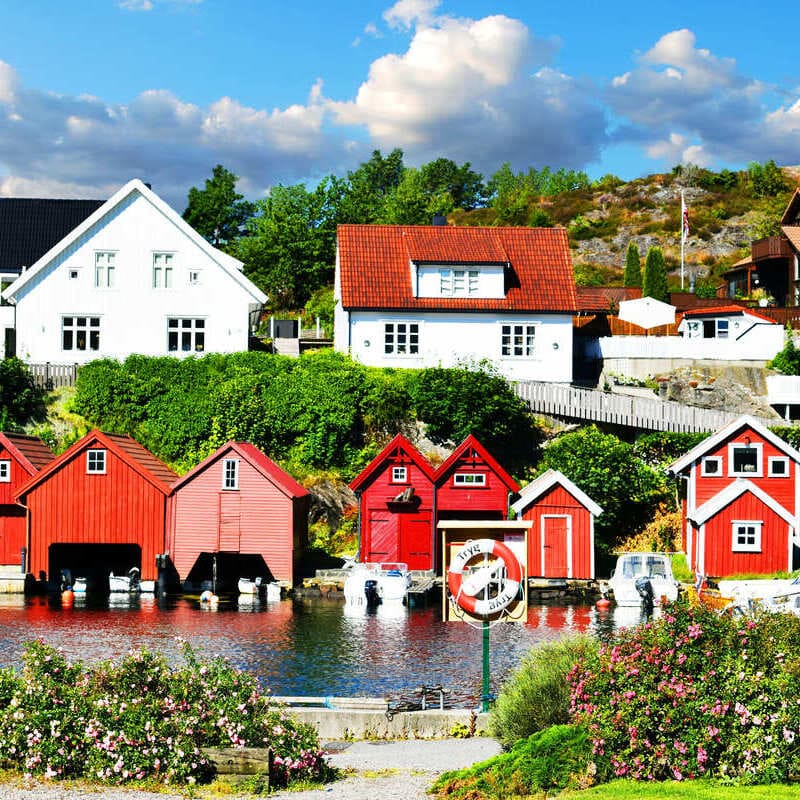
Picturesque Harbor Front Houses In Kristiansand, Norway

Sticking to the Nordics, you probably know by now that Norway is the go-to destination for escaping the heat, but tourists usually flock to Oslo, Bergen, and the Ålesund fjords up north. Let’s face it: you don’t want Italy’s blazing sun, but you also don’t want to be freezing cold on your one year summer getaway.

In that case, the picture-perfect Kristiansand is the top pick. Highs: 66–72°F. Lows: 52–57°F.

It has the postcard-ready harbor, the white wooden houses flanking narrow cobbled streets, particularly around the Posebyen district, and the unrivaled café culture you can only dream of in America. Craving those fluffly, sugar-sprinkled Norwegian cinnamon buns?

Check out Raccoon right in the heart of town.
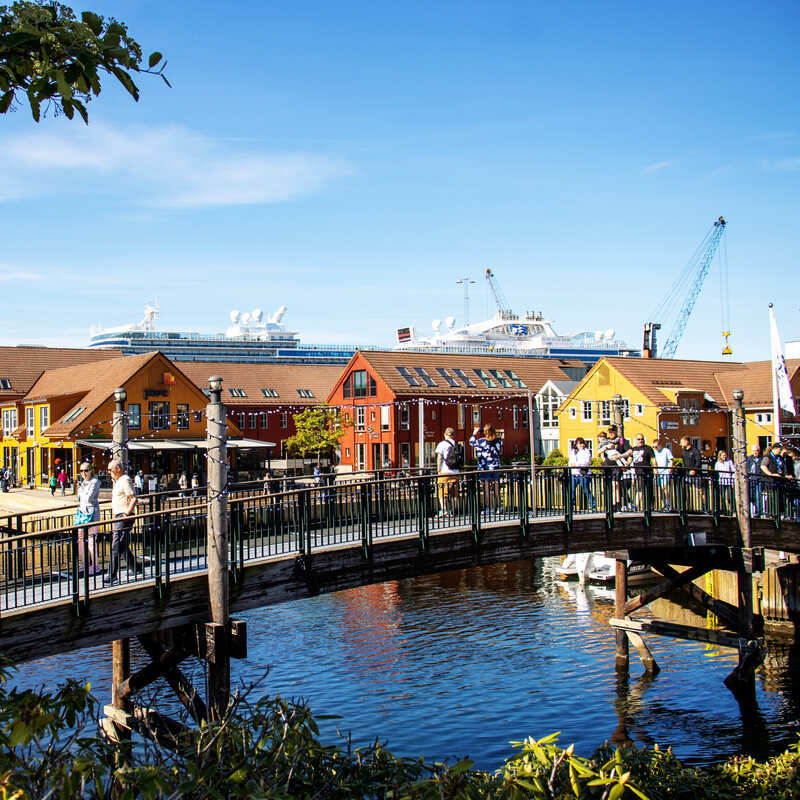
Bridge Spanning A Canal In Kristiansand In Summer, Norway

In sum, Kristiansand is one of the easiest, prettiest, most chill summer cities in Norway, and the fact it straddles the southern coast makes it that much sunnier than your average Norwegian port town. Brits have Brighton, the French have Nice, Norwegians have Kristiansand.

Additionally, it is a perfect gateway to the Sørlandet Coast, known for its coastal skerries and little islands, sandy beaches, and laid-back coastal charm…

But no tall, epic fjords like Sognefjord or Geirangerfjord.

For that, you might want to head farther north.

Check Travel Rules Before Flying To Europe This Summer
An older man holding a blue American passport while sitting on a bench

By the way, if you’ve been reading the news lately, you probably know Americans will start getting fingerprinted when traveling to Europe this summer.

A big misconception among tourists is that this only applies to the European Union, of which Norway is not a member.

Wrong. It applies to all countries within the Schengen Zone, in which Norway participates.

If you’re heading to the Scandinavian country in the near future, make sure you double-check the latest entry requirements that apply on the date of your arrival here.

Groningen, Netherlands
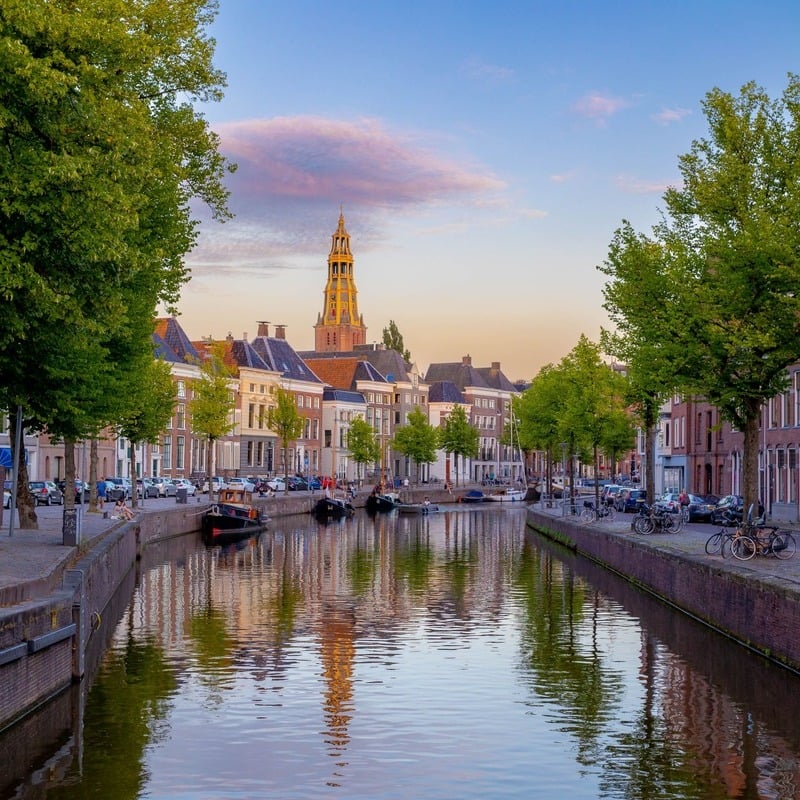
Picturesque Canal In Groningen, The Netherlands, Northern Europe

What most travelers don’t know is that they don’t necessarily need to go to the ‘Dam, and elbow their way through the maddening crowds, or choke in a haze of skunk smoke, to experience Dutch culture… nor suffer through the Paris and Rome heat.

Groningen, in the north of the Netherlands, is a much better pick.

Still big enough of a city, with a thriving uni student scene, your usual mix of downtown bars and nightclubs, yet at the same time, quieter, more local, and definitely not as tourist-saturated as Amsterdam’s Red Light District or packed museums.
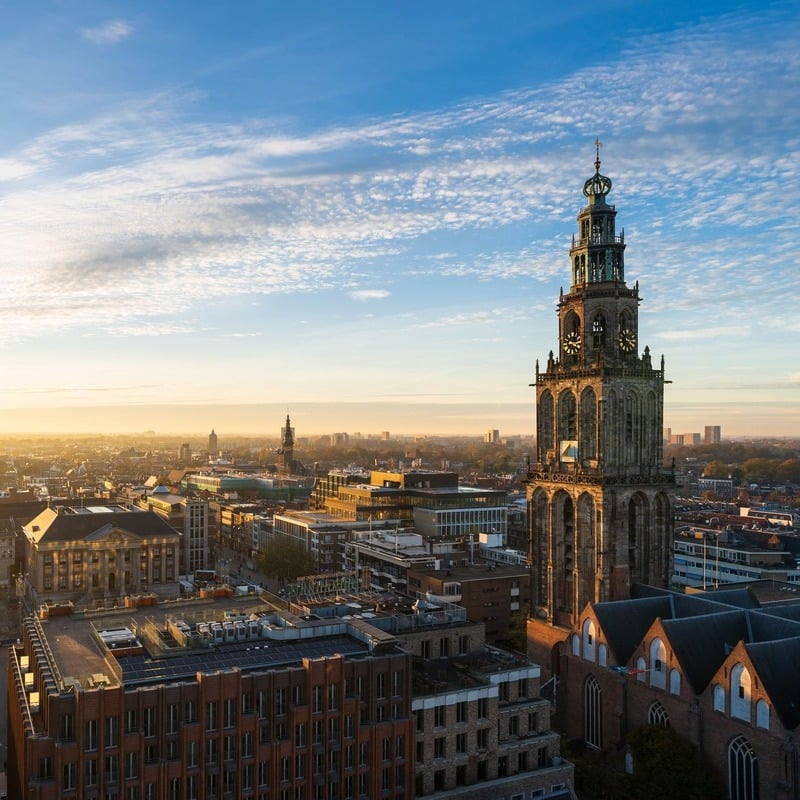
Martinitoren In Groningen, Netherlands, Northern Europe

You’ll be wandering in short shorts and a light jacket along gorgeous canals, admiring traditional Northern Mannerist houses, with their slender figures and stepped roofs, and hidden courtyards, and it will rarely ever be warmer than 70°F, or colder than 55°F.

It’s definitely not hot enough for beach-level sunbathing, but ideal for cycling, Old Town strolls, and chill café terrace moments.

Don’t miss Martini Tower, the big, medieval bell tower towering above the maze-like center: you can climb it for panoramic views of town and its verdant countryside.

On April 6, 2026, Amsterdam Centraal experienced delays due to overcrowding and operational restrictions. Travelers were urged to allow extra time for train connections.

Before flying, make sure to check the latest Travel Alerts for the Netherlands.


Now take this quiz to find your perfect match!

Question 1 of 3

What landscape is calling your name?


Question 2 of 3

What is your ideal “Cool” summer vibe?


Final Question

Which activity tops your 2026 itinerary?


🏴󠁧󠁢󠁳󠁣󠁴󠁿

Inverness, Scotland

The Storybook Highland Escape

Highlight: Mystical lakes and 1746 history.

Tip: Pack a rain jacket for the “Northerly downpour” and visit Urquhart Castle for iconic Loch Ness photos.

🇫🇷

Tignes, France

The High-Trust Alpine Sanctuary

Highlight: Crisp air and 40+ mountain bike trails.

Tip: Take the funicular to the Grande Motte glacier for a high-altitude apéro with zero “tourist chaos.”

🇦🇽

Åland, Finland

The Geopolitical Island Gem

Highlight: Red granite shores and flat coastal cycling.

Tip: Don’t miss the sea-then-sauna combo in Mariehamn—it’s the ultimate Nordic summer flex.

🇳🇴

Kristiansand, Norway

The “Nice” of the Nordics

Highlight: White wooden houses and sunny skerries.

Tip: Wander the Posebyen district and grab a sugar-sprinkled cinnamon bun at Racoon.

🇳🇱

Groningen, Netherlands

The Uncrowded Dutch Alternative

Highlight: Mannersist architecture and student-led energy.

Tip: Climb the Martini Tower for views of the countryside, away from the haze of Amsterdam.


Source link

Leave a Reply

Subscribe to Our Newsletter

Get our latest articles delivered straight to your inbox. No spam, we promise.

Recent Reviews


The McCarthy Road opened as a passage to the greatest copper strike the world has ever known. More than one billion pounds of copper once traveled down this corridor from the Kennecott Mines to the coast. Today, travelers head the opposite direction—up the road—to experience staggering scenery, deep wilderness, and some of Alaska’s most authentic adventures inside America’s largest national park.

The road is as notorious as it is remote, with some sources recommending satellite phones as routine safety gear. We’re here to share not only what we learned firsthand from driving the McCarthy Road ourselves, but also insights from Neil Darish, McCarthy’s outspoken statesman and longtime steward of the area. He told us that from the 1970s until about 2006 McCarthy Road was a real struggle for most people. It’s simply not like that anymore but the old stories abound. We wanted to find out for ourselves.

Wilderness adventures always carry some level of risk. But understanding what you’re getting into—and how to prepare—can turn the McCarthy Road from an intimidating unknown into one of Alaska’s most rewarding journeys.

How Long Is the McCarthy Road?

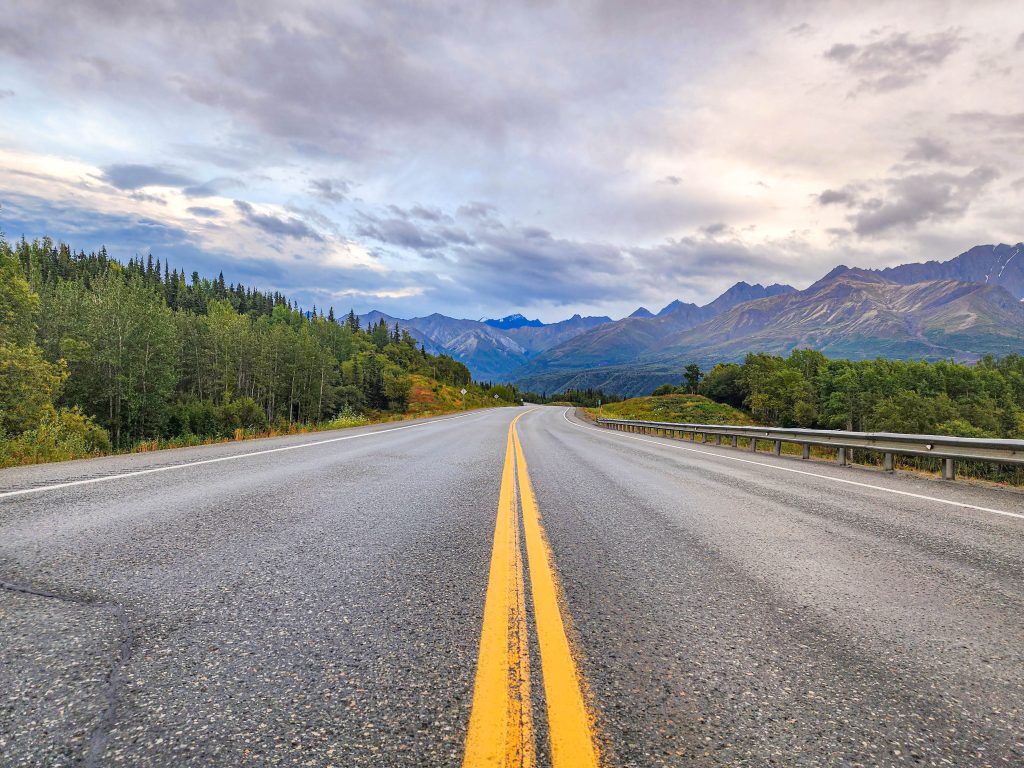
Yellow line on highway on the way to Road to McCarthy Alaska
Photo Credit: Jenn Coleman.

The McCarthy Road runs 59.4 miles from the State Wayside in Chitina (pronounced “Chit-na”) to the McCarthy Footbridge across the Kennicott River. It follows the route of the former 196-mile Copper River & Northwestern Railway, which once connected the mines to the port of Cordova.

When the mines closed in 1938, much of the track was salvaged for scrap. Floods, earthquakes, and time itself took out many bridges, leaving Kennecott and McCarthy isolated—preserved in a kind of remote time capsule that still defines the experience today.

Is the McCarthy Road Paved?

Signage on Road to McCarthy Alaska
Photo Credit: Jenn Coleman.

Mostly, no.

The McCarthy Road is primarily gravel, but for travelers willing to leave the pavement behind, it provides access to some of the most dramatic natural and historic landscapes in Wrangell–St. Elias National Park, including McCarthy and Kennecott.

Reconstruction began in earnest in the 1970s, when modern steel and concrete bridges replaced their wooden predecessors and fresh gravel was laid atop the old rail bed. What remains is rough but intentional, functional enough to reach the end, and wild enough to remind you where you are.

What Are the Road Conditions Like?

Blue bronco driving on Road to McCarthy Alaska
Photo Credit: Jenn Coleman.

The McCarthy Road is narrow and winding but relatively flat. The first few miles from Chitina toward the Copper River are paved, with occasional paved sections on steeper grades to reduce rutting.

Ironically, some of the worst potholes appear in those paved stretches, while the gravel sections are often smoother—albeit dusty and washboarded. According to the National Park Service, “under normal summer conditions, most passenger vehicles can make the trip.” That said, conditions can change quickly with weather.

How Long Does It Take to Get to McCarthy?

Highway on the way to McCarthy - Road to McCarthy Alaska
Photo Credit: Jenn Coleman.

Plan on 2–3 hours to drive from Chitina to the McCarthy Footbridge if you’re moving steadily and traffic is light. Summer weekends, especially around the Fourth of July, bring heavier traffic. It’s not gridlock, but passing opportunities are limited, and you’ll often move at the pace of the slowest vehicle.

Our advice? Drive patiently. Leave space. And when the dust gets thick, it’s often better to pull over for a photo than to white-knuckle it behind a convoy.

From Anchorage, it’s about 4.5 hours to Chitina without stops, but you’ll want to fuel up before committing to McCarthy Road. Once you park at the footbridge, it’s about a 20-minute walk into McCarthy proper.

What Is the Closest Gas Station?

Gas station - Road to McCarthy Alaska
Photo Credit: Jenn Coleman.

The closest gas station to McCarthy is in Chitina. It’s a 24-hour, credit-card-only pump with no additional services.

There is a full service station in Kenny Lake, about 90 miles from McCarthy (180 miles round trip), which offers a more comfortable fuel buffer for most vehicles. Glennallen is the last full-service town, but at 250 miles round trip, it leaves little margin unless you plan carefully, or only use it as one of the mandatory gas stops.

Can I Take a Rental Car on McCarthy Road?

Alaska 4x4 counter at Anchorage Airport
Photo Credit: Jenn Coleman.

Most national rental car companies prohibit driving to McCarthy altogether. We rented from Alaska 4×4 at the Anchorage airport and had no issues.

Not only was it permitted, but we ended up with a sweet Bronco that had excellent clearance and fresh tires. We never needed four-wheel drive, but it was reassuring to have a vehicle built for roads like this. It also made the washboard roll on the gentle cycle.

Darrish said that his guests at McCarthy Lodge Resort get scared by the warning signs at the start of McCarthy Road, but their fear isn’t justified. He said in 2006 the state DOT removed the railroad spikes by using a magnetized trailer behind a grader. When you see or read stories about taking extra tires, it’s based on 2006 and before information.

Also he said, when you see the warning sign at the beginning of McCarthy Road, telling you to take emergency equipment with you; and warning you not to travel this road because it’s “not advised” it’s important to note that’s a winter based sign!! not relevant for summer visitors!!

Is There Cell Service Along the Road?

Big bridge on Road to McCarthy Alaska
Photo Credit: Jenn Coleman.

Officially, coverage is “very limited.” Some sources go so far as to recommend carrying a satellite phone.

In practice, we had surprisingly usable Verizon service during our fall 2025 drive, though we wouldn’t count on it being consistent—or available in an emergency. Treat any cell signal as a bonus, not a plan and pay heed to the sections on car and wilderness emergency kits. Also, be sure to notify somebody you trust that you’re heading out into the wilderness, be it for hiking or driving the McCarthy Road. Darish confirmed that he finds that Verizon works on most of McCarthy Road.

What Can You See Along the Way?

Copper River Rest Area Road to McCarthy Alaska
Photo Credit: Jenn Coleman.

The McCarthy Road isn’t something to endure on the way to a destination—it is the destination.

Almost immediately after leaving Chitina, you pass through the Rock Cut, a former rail tunnel that’s now open to the sky which feels like a threshold between civilization and something wilder. At first, the road hugs the Copper and Chitina Rivers with expansive views, culminating at the Copper River Bridge.

Next, you’ll pass a chain of small lakes before reaching the single-lane Kuskulana River Bridge, often the most nerve-wracking moment for first-time drivers as you pass 238 feet above the raging Kushkulana River. The Chokosna, Gilahina, and Lakina Rivers are especially photogenic, with remnants of historic railroad trestles near the Gilihina Bridge. Long Lake lives up to its name, stretching alongside the road for more than two miles before you get your first views of the rocky Kennicott Glacier.

Darish gave us his best pro tip to truly enjoy McCarthy Road. Leaving the population centers like Anchorage Denali or Fairbanks while everyone is still asleep is a total Alaska Travel pro-tip. You’re far more likely to see wildlife along the way when the roads are empty. In addition, you’ll arrive on the McCarthy Road around 11am instead of 4pm- there’s less traffic – and you’re less likely to be behind another vehicle, even in peak July traffic.

What Services Are Available?

Available services - Road to McCarthy Alaska
Photo Credit: Jenn Coleman.

There are no service stations along the McCarthy Road, so self-sufficiency is key.

A small trading post in Chokosna sells limited snacks and drinks about halfway through the drive. Once you reach the end of the road, you’ll find espresso, food, and parking before the Kennicott River. Along the way, wayside pullouts appear roughly every 10 miles, offering parking, picnic tables, and vault toilets.

What Should You Pack in a Car Emergency Kit?

Blue bronco on Road to McCarthy Alaska
Photo Credit: Jenn Coleman.

The best emergency plan is prevention: drive slowly, check fluids, inspect tires, and make sure you have enough gas and windshield washer fluid to handle 120 dusty miles.

At minimum, you should carry:

  • A full-size spare tire
  • A working jack
  • Knowledge of how to change a tire
  • Phone charger

If you’re traveling Alaska backroads regularly, an expanded kit is wise:

What Should You Pack in a Wilderness Survival Kit?

Wilderness Survival Kit - Road to McCarthy Alaska
Photo Credit: Jenn Coleman.

With regular summer traffic, a true breakdown shouldn’t leave you stranded more than 24 hours, but preparation still matters.

Essentials include:

  • One gallon of water (for you or the vehicle)
  • Warm clothing and blankets (do not idle your car for heat)
  • No unsecured food—bear safety matters even in your vehicle (a good idea for parking too)
  • Toilet paper and a shovel
  • Essential medications
  • First-aid kit

If you’re unsure about how to keep food safe from bears, it’s best to err on the side of no food at all.

Is There an Interactive Map?

Google maps on phone
Photo Credit: Jenn Coleman.

We’re unapologetic map geeks at Coleman Concierge, so we built a custom McCarthy Road map with every stop mentioned here, and then some. We used native Google pins whenever possible for better metadata and crowd-sourced photos.

For next-level planning, open it in Google Earth to explore the terrain in 3D or drop into Street View for snapshots of the road from years past. On your phone, it works as a live navigation companion. Pair it with the National Park Service audio tour for an even deeper experience:
https://www.nps.gov/wrst/learn/photosmultimedia/audio-tours.htm

How Do You Get Into McCarthy?

Road sign on the road to McCarthy Alaska
Photo Credit: Jenn Coleman.

First: Google Maps lies.

You cannot drive directly into McCarthy proper unless you have access to a private bridge. Park at the end of the McCarthy Road and cross the footbridge on foot.

Paid parking is available at Base Camp Kennicott and McCarthy River Tours. McCarthy River Tours is slightly cheaper but farther away. Pro tip: drop passengers and luggage at the bridge first, then park. Carts are available to move bags across the bridge.

Shuttles operate from the far side of the bridge to McCarthy and Kennecott. Some activities include transportation and sometimes parking such as flightseeing with Wrangell Mountain Air, some wilderness adventures with St. Elias Alpine Guides, and stays at the Kennicott Glacier Lodge. McCarthy Lodge offers shuttle service for a fee on a per ride or per day basis. You can also walk the scenic ¾-mile road into town.

How Long Should You Stay?

Dog in McCarthy Alaska
Photo Credit: Jenn Coleman.

Our rule of thumb: stay at least as long as it takes to get there.

From Anchorage, that’s a full day each way, so plan for at least two nights in McCarthy. Fortunately, there’s more than enough to fill that time.

Two days allows for a flightseeing tour paired with rafting or hiking one day, and a glacier hike plus the Kennecott Mill tour the next. Leave time to wander Kennecott, soak up the history, and experience the Golden Saloon, the only saloon located inside a national park.

You can learn more about what to do in McCarthy from our practical guide or our photo heavy inspiration piece. You can even read both. We double dog dare you.

Are There Alternatives to Driving?

McCarthy Airport
Photo Credit: Jenn Coleman.

If the McCarthy Road still doesn’t feel right, you have options.

Flying is the easiest—scheduled service runs from Gulkana and Chitina, with charter flights available from Anchorage. It’s also the most expensive and comes with weight limits. While scenic, it doesn’t replace the experience of a dedicated flightseeing tour.

Shuttles from Chitina are another option and cost less than flying, though you still need to reach Chitina. Still, for travelers willing to leave the pavement behind, driving the McCarthy Road offers the best value—and one of Alaska’s most memorable journeys. It doesn’t just take you somewhere wild. It asks you to meet Alaska on its terms.

Disclosure: A big thank you to Alaska 4×4 for providing our awesome rental! For more Alaska 4×4 travel inspiration, check out their Instagram and Facebook accounts.

As always, the views and opinions expressed are entirely our own, and we only recommend brands and destinations that we 100% stand behind.

Ready to Book Your Trip? These Links Will Make It Easy:

Airfare:

Insurance:

  • Protect your trip and yourself with Squaremouth and Medjet
  • Safeguard your digital information by using a VPN. We love NordVPN as it is superfast for streaming Netflix
  • Stay safe on the go and stay connected with an eSim card through AloSIM

Our Packing Favs:

  • We LOVE Matador Equipment for their innovative products and sustainability focus. Their SEG45 is a game changer when you need large capacity while packing light.
  • Travel in style with a suitcase, carry-on, backpack, or handbag from Knack Bags
  • Packing cubes make organized packing a breeze! We love these from Eagle Creek

Like it? Pin it for later on Pinterest!

Hi! We are Jenn and Ed Coleman aka Coleman Concierge. In a nutshell, we are a Huntsville-based Gen X couple sharing our stories of amazing adventures through activity-driven transformational and experiential travel.


Source link