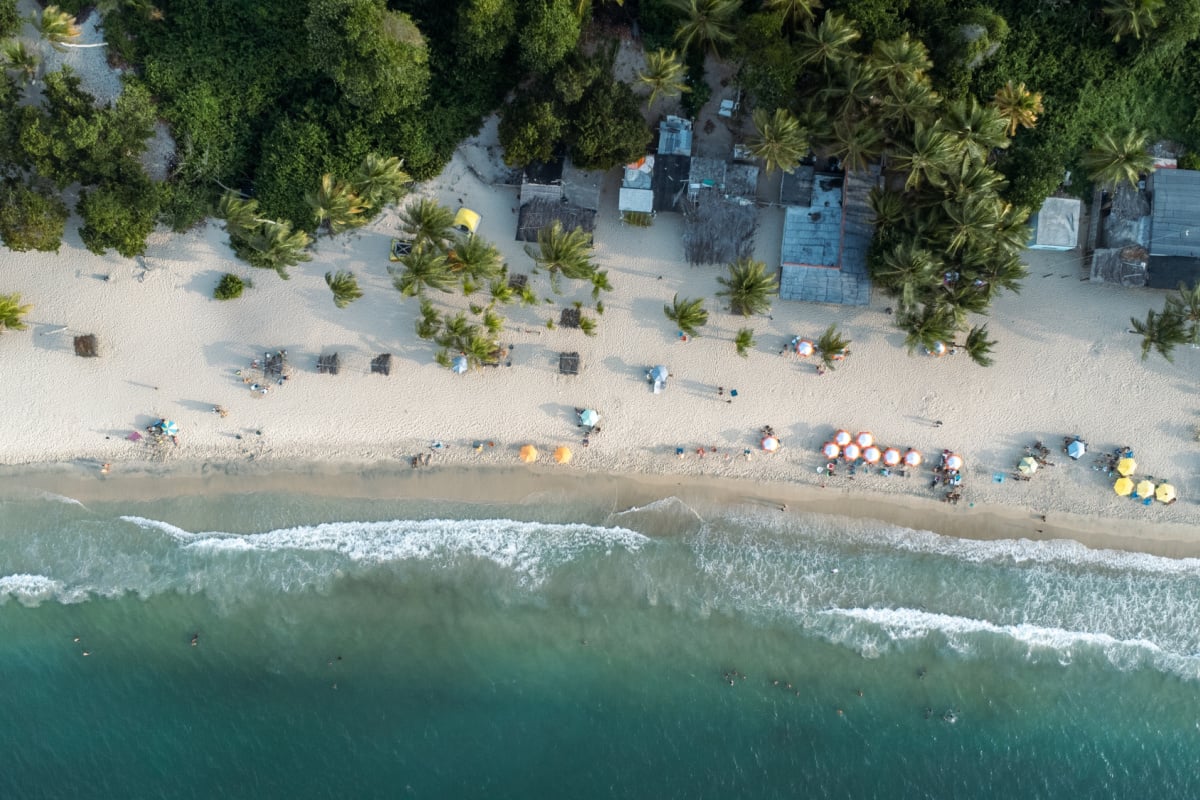

In 2026, global travel is facing a major safety clash. While the travel industry continues to promote tropical vacations, the U.S. State Department has kept—and in some cases expanded—its strictest “Level 4: Do Not Travel” warnings for several popular coastal areas.
A Level 4 alert is the highest possible security warning. It means the local government is highly unstable and the U.S. government likely won’t be able to help you in an emergency. Despite these warnings, millions of tourists still visit these locations, hoping that staying inside resort “bubbles” will keep them safe.
Here are the 4 main beach destinations currently under a Level 4 warning for 2026:
1. The Aragua Coast, Venezuela: The Off-Limits Paradise
One of the most popular beach stretches for locals and former international tourists is the Aragua state coastline, home to legendary spots like Ocumare de la Costa and Choroní. While much of Venezuela was recently downgraded to Level 3, the State Department is crystal clear on this region: Aragua state (outside of Maracay) is Level 4.
I have friends who used to rave about the boat rides from Choroní to hidden beaches like Chuao, where the cocoa plantations meet the Caribbean. The scenery is world-class, but the operational reality in 2026 is grim. Because of the presence of irregular armed groups and the high risk of kidnapping, this entire coastline remains strictly off-limits for U.S. officials and is highly discouraged for private citizens.
- The Reality: There is virtually no consular safety net here. If you are detained or injured on an Aragua beach, the U.S. Embassy in Caracas—which is only just beginning a phased reopening—possesses almost zero capacity to assist you.
- Spring 2026 Intel: As of March 19, 2026, the U.S. has officially retired the “Wrongful Detention” indicator for Venezuela as a whole, but they have simultaneously added Aragua to the “Areas of Increased Risk” list for crime and kidnapping.
2. Manzanillo, Mexico: The Port Conflict
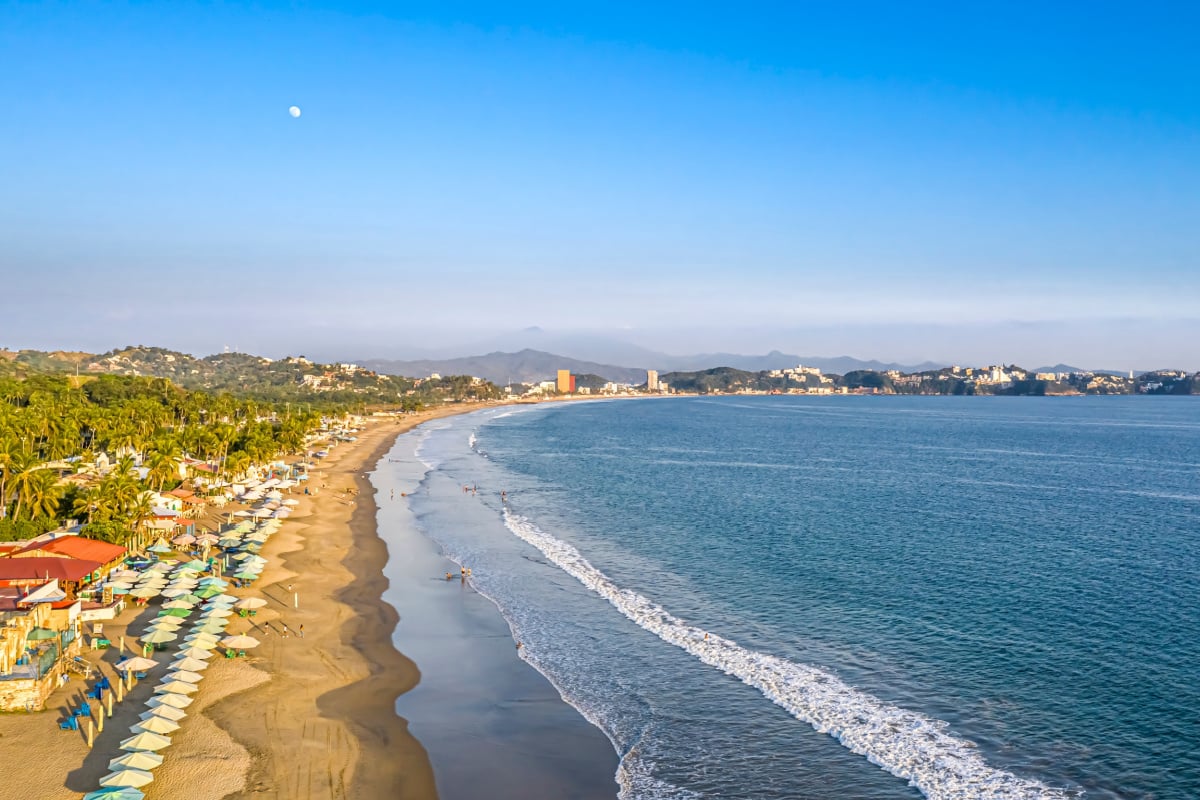
Located in the state of Colima, Manzanillo is internationally recognized as the “Sailfish Capital of the World.” It’s known for its striking, Greek-inspired white architecture and pristine bays. However, Colima carries a strict Level 4 designation due to its strategic maritime infrastructure.
Manzanillo is the busiest cargo port in Mexico, making it the most coveted territory for cartels importing precursor chemicals for synthetic drugs. The turf war over port access has resulted in astronomical homicide rates throughout the state.
- The Workaround: The State Department permits U.S. government employees to travel strictly to the central tourist and port areas, specifically the Peninsula Santiago and the Las Hadas area.
- Logistics & Quirks: You must stay within these resort peninsulas, which act as geographic buffers. All off-resort movement must be confined to daylight hours.
- The Road Rule: If you are driving from Guadalajara, you must use Federal Toll Road 54D during daylight hours only. Secondary and rural roads are notorious for illegal checkpoints and “smash-and-grabs.”
3. Ixtapa-Zihuatanejo, Mexico: The Dual Destination

This “dual destination” pairs the modern, master-planned resort of Ixtapa with the authentic fishing village charm of Zihuatanejo. Both are located in the state of Guerrero, which remains arguably the most fragmented and ungovernable region in southern Mexico.
Because Guerrero is a fractured landscape of warring micro-cartels and self-defense militias, the U.S. State Department has a blanket ban on the entire state. Interestingly, international allies differ here; the Canadian government permits travel to Ixtapa-Zihuatanejo provided you arrive exclusively by air.
- The Air-Bridge: Risk analysts dictate that travelers must fly directly into Ixtapa-Zihuatanejo International Airport (ZIH). Once on the ground, use only official resort transportation or registered taxis.
- The Danger Zone: Absolutely avoid the surrounding state highways. Roadblocks and banditry are common on the routes connecting these resorts to the interior of Guerrero.
- 2026 Intel: While Zihuatanejo remains relatively peaceful compared to the state capital, it is “guilty by association” on the U.S. list. The primary threat vector is the regional highway system, not the resorts themselves.
4. Acapulco, Mexico: The Fallen Star
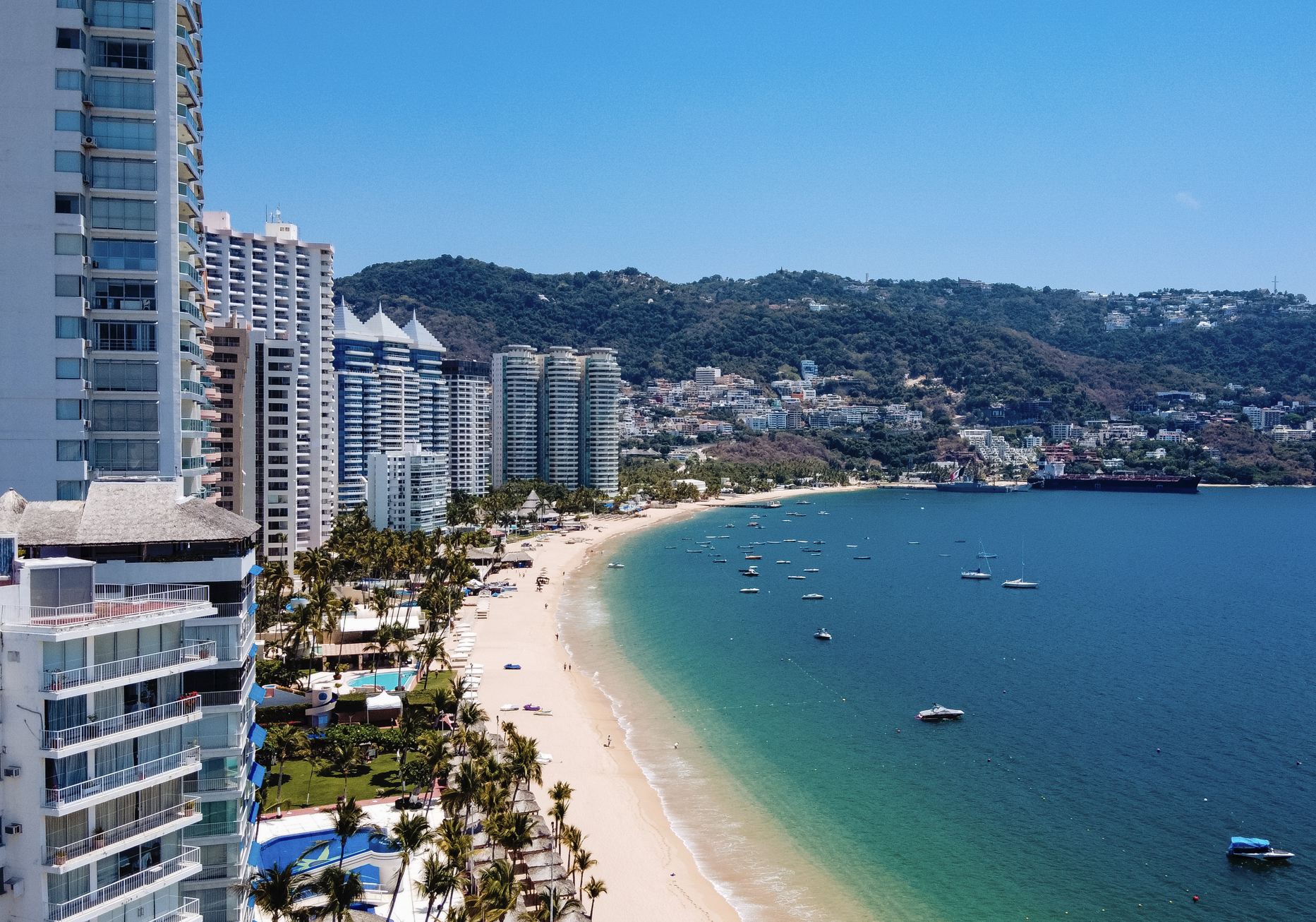
Once the undisputed crown jewel of Mexican tourism, Acapulco is now the epicenter of Guerrero’s security collapse. It has suffered years of high-intensity cartel warfare and targeted extortion. Compounding the security crisis, the city was recently devastated by the consecutive impacts of Hurricane Otis and Hurricane John.
Despite a Level 4 life-threatening security advisory and massive infrastructure damage, Acapulco has seen a staggering domestic recovery. By the spring of 2026, the city had 17,000 hotel rooms back in service, largely filled by the domestic Mexican market.
- The Security Profile: There are no exceptions for U.S. officials here. The city is a strict “no-go” zone, reflecting a total loss of confidence in the local security apparatus.
- The “Acapulco Diamante” Bubble: While domestic tourism is thriving, the State Department warns that violence can spill into tourist areas without warning. If you choose to visit, movement is generally restricted to the heavily guarded Acapulco Diamante area.
- The Military Reality: Recovery has been supported by the infusion of 7,000 military personnel. For many international travelers, the sight of the National Guard patrolling the sand with assault rifles is a stark reminder of the Level 4 status.

The Reality of Medical Extraction in 2026
In a Level 4 zone, “emergency services” is a term used loosely. While the U.S. State Department’s Smart Traveler Enrollment Program (STEP) is your first line of defense for security updates, it is not a rescue service.
In 2026, the cost of a private medical jet from a high-risk Pacific Mexican resort or a Venezuelan coastal enclave to a U.S. trauma center has spiked due to rising fuel costs and “risk premiums” for flight crews.

- The “Bed-to-Bed” Gap: Traditional travel insurance often has a “War and Terror” or “Level 4 Exclusion” clause. If you’re injured in crime-dominated area, your $40 policy might be worthless. You need a Specialty High-Risk Policy (like those from Seven Corners or battleface) that explicitly covers medical evacuation from restricted zones.
- The True Cost: Without valid insurance, a private med-evac flight can cost between $30,000 and $80,000, and many providers require payment upfront. In 2026, med-evac companies have noted that many high-risk flights now require “Security Escorts,” which adds another 15% to the final bill.
- The Medicare Trap: We see this every year: older travelers assume Medicare covers them abroad. It does not. If you have a heart attack in Ixtapa, you are looking at a massive out-of-pocket expense before a plane even takes off.
If you’re heading to a Level 4 destination, you are gambling with both your security and your bank account.
Ensure your insurance provider has seen your itinerary and confirmed in writing that they will respond to an emergency in a Level 4 state.


Stacie Harris is a local resident and reporter of the Maple Grove area. Stacie reports on medicine and science for the Maple Grove Report.