

We may receive a commission on purchases made from links.
Target recently updated its terms and conditions to state that the same rules apply for anything an AI agent buys for you as they do for purchases you make yourself. AI bots — or “Agentic Commerce Agents”, as Target refers to them – are considered to be acting on your behalf. If they order the wrong thing or if an AI agent goes rogue, then that’s very much your problem. Target isn’t saying they will mess up but it can’t guarantee “that an Agentic Commerce Agent will act exactly as you intend”.
According to Target, if you’re using an AI tool to do your shopping, it’s your job to review its actions and make sure it’s not doing anything weird. This doesn’t quite feel quite like the Agentic AI future we were promised, where AI makes decisions and acts entirely independently.
The wording in the T&Cs applies to all approved Agentic Commerce Agents, and Target sternly admonishes you not to use unauthorized agents. However, there’s a reason why Target has made the change to its T&Cs now. Gemini will shortly be rolling out a big upgrade to its agentic AI shopping feature, and Target wants to make sure it has all its bases covered.
Target has partnered with Google Gemini for AI shopping
Google Gemini is adding a new functionality to what it calls the “vibe shopping” experience. It’s called the Universal Commerce Protocol (UCP), and it’s been developed by Google with commerce partners including Target, Walmart, Shopify, Etsy, and Wayfair. The goal is to have one standard underlying platform for AI agents and merchants, where they all speak the same language.
As well as simplifying things for sellers, it should make it more straightforward for users to have Gemini make online purchases for them without needing to leave the Gemini window. Target is very excited about it. Its January 2026 press release calls UCP a “foundation that makes commerce more seamless and helpful for the entire ecosystem” and promises consumers “an experience that feels natural, helpful and built around their needs.”
Beyond excitable marketing announcements, it’s difficult to get a clear idea of how exactly this is going to be better than Google’s existing AI shopping features. At the time of writing, it hasn’t been rolled out to consumers. Still, behind the scenes, participating retailers, like Walmart, are getting ready.
Is it fair to make the customer entirely responsible for AI agents?
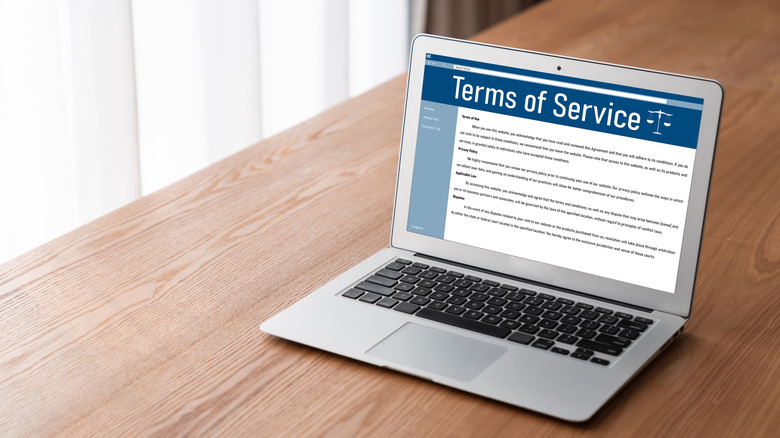
The warning from Target is clear — as far as they’re concerned, there’s no difference between actions carried out by you and those carried out by AI agents on your behalf. Walmart and Etsy haven’t, at time of writing, updated their terms of use to include mention of Agentic Commerce Agents. While Wayfair’s terms include a section on AI Features, it stops short of Target’s explicit position on agent-authorized actions and accountability.
A Target spokesperson confirmed to Business Insider that following integration with Google’s Gemini AI, consumers will still be able to return or exchange purchases. By contrast, Target’s terms certainly seem to be pushing it all onto the buyer and away from the merchant. Obviously, AI itself cannot bear legal responsibility, so responsibility has to land somewhere, but agent-initiated transactions blur what counts as “authorized”.
According to a report by AI policy advocacy group Americans for Responsible Innovation, blaming users for everything their AI agent does ignores how these tools actually work. They can act independently, and sometimes AI can go wrong, which makes responsibility a lot more complicated than just pointing at the person using them. The report says the best way forward is a mix of approaches—holding companies accountable, encouraging stronger safety practices, and creating systems to compensate people when things go wrong – rather than putting all the responsibility on consumers alone.

Stephan is the sports journalist for the Maple Grove Report.