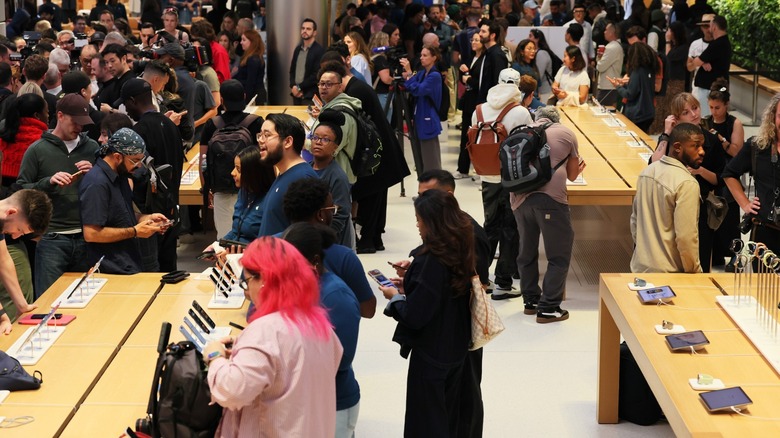

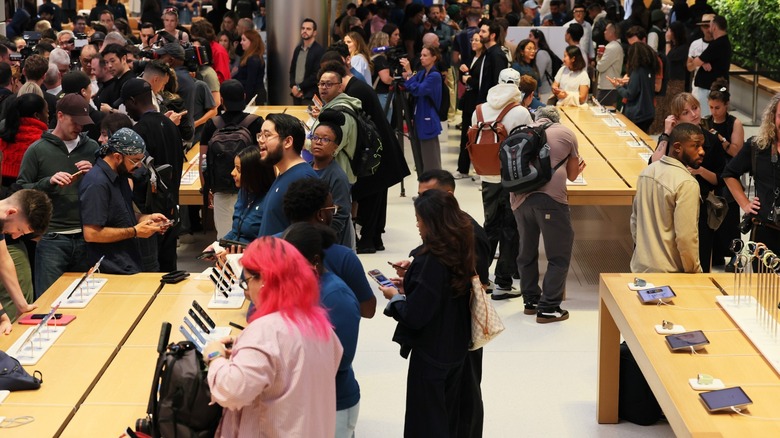
Apple’s iPhone has been a popular smartphone choice since the 3G era, but current sales are dwarfing previous numbers. It looks like Apple’s wild card strategy with the iPhone 17 has paid off, because the 17 is now the most popular iPhone lineup to date. Despite already having a huge chunk of the market, Apple CFO Kevan Parekh believes that iPhone 17 sales have given the company an even larger share. In just the first three months of 2026 alone, iPhone sales went up over 20%, for a total of $57 billion.
Demand in China is one reason the latest line of iPhones is performing so well. Traditionally, iPhone popularity had mostly been confined to the United States and a few other countries, with Android devices dominating the international market share. China’s huge population and growing middle class have long been a target for Apple, and it looks like the company is succeeding. Revenue from the country is up 28% year-on-year and has already totaled $20.5 billion.
Another reason the iPhone 17 lineup may be performing so well is a growing demand in the face of supply chain difficulties, both present and forthcoming. Some users may be trying to get a new phone while they can. However, these same supply chain issues may soon end up hindering sales for Apple.
We may be stuck with the iPhone 17 for a while
Supply chain issues have been in the news recently — especially in 2026. That’s because there aren’t one but several reasons that have slowed down the availability of certain electronics and components important to the manufacturing of popular products like smartphones and computers. Between ever-changing trade policies between the world’s biggest economies, which include costly tariffs, wars in vital shipping lanes, and other factors, certain devices — like Apple’s recently launched MacBook Neo — have become harder to come by. This has affected either wait times between ordering and delivery, price increases, or both.
Perhaps the most relevant factor to supply chain troubles in the tech industry at the moment is the explosion of AI and the need for more massive data centers. Once relatively cheap and ubiquitous components like RAM, SSDs, and GPUs have soared in price or become very difficult to find in stock, affecting the prices of everything from game consoles to modern, semiconductor-dependent cars.
This is also one of the reasons there are rumors that no iPhone 18 will launch in 2026, breaking the tradition of a new lineup each year. No iPhone 18 this fall would likely increase iPhone 17 sales further, as it would remain the newest iteration of the device for a longer period. Those worried about demand becoming even higher in the coming months and buying iPhones while they can are also fueling current sales.
How many iPhone 17 models are there?
Another reason the iPhone 17 has become Apple’s best-selling lineup ever is that it includes more models than Apple traditionally releases for its smartphone. In addition to the standard iPhone 17, there are the iPhone 17 Pro and iPhone 17 Pro Max — larger, more powerful iterations that Apple began including in its yearly iPhone families with the iPhone 11 in 2019. There is also the iPhone 17e, which is the budget-friendly model of the 17 lineup. The 17e, which has a lower cost due to offering fewer features (like a simpler camera and no Wi-Fi 7), is the successor to the iPhone 16e, which itself is an evolution of entry-level iPhone SE models that Apple would release every few years.
The newest addition to the iPhone family is the iPhone Air, which sits between the standard and Pro models when it comes to performance. What makes the Air stand out is its ultra-slim design (at the expense of extra cameras and battery life), making it the most portable and stylish of the lineup. The flashy new model has helped Apple earn buzz and extra sales that have contributed to the 17’s huge success.
These various options allow consumers to more easily find a smartphone that best suits their needs, making the iPhone 17 a more attractive purchase and worth spending a premium cost compared to more affordable Android models. However, Apple’s competitors are constantly advancing the tech and features of their products to win more market share. Between this and the popularity of the 17 lineup, Apple will need to add big upgrades to the iPhone 18 if it wants to stay ahead of the curve — if and when the next-gen iPhone actually hits store shelves.

Stephan is the sports journalist for the Maple Grove Report.