5 NASCAR Drivers Whose Careers Ended Too Soon


For race fans looking to fulfill their need for speed, NASCAR has long served as the sport of choice to scratch that particular itch. The stock car racing series has been around since the late-1940s, and in the decades since its inception, NASCAR has transformed into a billion-dollar business that rivals any racing league in the world. That’s saying a lot for a sport that features little more than really fast cars driving in circles.

In principle, those cars are all meant to adhere to the same rules and specs. But as Robert Duvall’s character famously said in the 1990 classic “Days of Thunder,” “There’s nothing stock about a stock car.” Likewise, there’s nothing stock about the folks at the wheel of those cars either. Over the years, NASCAR drivers have delivered no shortage of pulse-pounding thrills, and along the way, the sport has produced a list of superstars that rivals that from any professional sport.

Like most other sports, however, NASCAR has also seen the dominant runs of a few legitimately elite stars in the sport cut unexpectedly short. Some of those careers were, of course, cut short by tragedy, as NASCAR is one of the more danger-filled sports in existence. Some of those careers were, however, shortened for a myriad of other reasons. Here are a few legendary NASCAR careers that we can’t help but feel ended too soon.  

Dale Earnhardt

In the annals of NASCAR history, there are few names quite as revered as that of Dale Earnhardt. To that end, there are also few who were quite as feared by fellow drivers on a NASCAR racetrack, as Earnhardt’s skill at the wheel and fierce will to win was second to none; a fact that earned him one of the sport’s most memorable nicknames: “The Intimidator.”

Simply put, if you were leading a NASCAR race anytime in the 1980s or 1990s, Earnhardt’s Number 3 car was the last you wanted to see in your rearview mirror. For that matter, it was also the last you wanted to see occupying the spot in front of you. In his hall of fame career, Earnhardt won 76 Winston Cup races, and a total of 7 Cup Series championships, one of the best records in the sport’s history. 

Given his credentials, it almost seems silly to claim his career ended too early, but many-a NASCAR fan would be quick to tell you Earnhardt was still driving at an elite level when his career came to an end in 2001. Alas, that end came in tragic fashion, when Earnhardt’s Number 3 Chevy slammed into the wall on the final lap of the Daytona 500, doing so at speeds exceeding 150 miles-per-hour. Earnhardt reportedly died on impact, marking a tragedy that would not only leave NASCAR without one of its most legit on-track icons, but forever change the face of sport and its approach to driver safety. 

Junior Johnson

On the subject of storied NASCAR legends, some fans might argue that Junior Johnson is an all-timer on that list. One of the sport’s earliest icons, Johnson actually made his living as a moonshiner before he started burning rubber on NASCAR tracks. He made his NASCAR debut in 1953, piloting a souped-up racer around the legendary track in Darlington, South Carolina. He was 22 years old.

Johnson did not win that race. In fact, he didn’t win his first NASCAR event until 1955, but over the course of the next decade, he’d go on to secure 50 total wins and become one of the most respected drivers on the track. Given his win totals, you might be surprised that he never took home a Cup Championship over that span, not even in 1965 when he won a whopping 13 races. That was largely due to the fact that he never competed in a full season of NASCAR events. That might’ve changed if Johnson had continued his career as a driver, but he shocked the racing world in 1966 when he officially retired from that profession.

Johnson stuck with NASCAR, pivoting first to being a pit chief, and eventually starting his own racing team. In that last capacity, Johnson only cemented his Hall of Fame legacy, becoming one of the most successful team owners in history by winning six Cup championships. He officially entered the NASCAR HOF in 2010, though some fans can’t help but wonder what might’ve been if he’d continued driving.

Alan Kulwicki

During his tenure as an owner, Junior Johnson would back rides for some legit NASCAR legends, including Cale Yarborough, Bill Elliott, and Darrell Waltrip. If he’d had his way, Alan Kulwicki reportedly would’ve joined those ranks in the early-1990s. The Hall of Famer had other plans for his NASCAR career, however, and opted instead to continue running his own racing team independently, which he’d already been doing since the 1980s. 

Kulwicki was a bit of a NASCAR outsider, though, hailing not from the South as most drivers did, but from Wisconsin, and arriving on the circuit with a degree in mechanical engineering in hand. The driver was clearly happy enough to wear that outsider badge of honor, carving his own path to dominance on the NASCAR scene and shocking with his 1992 Cup Series championship run.

By then, he had, of course, already secured the 1986 Rookie of the Year honors, and even debuted his famed “Polish Victory Lap” after his first win in 1988. Known as a perfectionist by colleagues, Kulwicki was a veritable one-man show who seemed to just be scratching the surface of what he could do on the track when his career came to a tragic end in 1993. It did not, however, end on a racetrack, with Kulwicki perishing in a plane crash en route to Bristol, Tennessee for that year’s running of the Food City 500. As such, Kulwicki’s career remains one of the great “what could’ve been” stories in the history of the sport.

Davey Allison

Speaking of NASCAR’s biggest “what could’ve beens,” Davey Allison is one name that would no doubt spring to mind for longtime racing fans. That name surely carries some extra weight with diehard fans too, as Davey was the son of another NASCAR legend, Hall of Famer Bobby Allison. Davey looked to be well on his way to matching, and potentially even surpassing Bobby’s career stats early in his career. It began with a bang, as Davey drove his way to two wins, nine top 5 finishes, and Rookie of the Year honors during his first campaign in 1987.

Over the course of the next few years, Allison proved to be one of the fiercest and toughest competitors on the NASCAR circuit, even earning the nickname of “The Unstoppable Man” due to his reputation for bouncing back from crashes. By the end of the 1993 campaign, Davey had won a total of 19 races, including the Daytona 500.

Months before a tragic accident cut short his burgeoning racing career, Allison had nearly won his first Cup Championship, but fell just short after getting wrapped up in a crash in the final race of the season. Like Kulwicki, Allison’s Hall of Fame career was not cut short at the wheel of a race car. He did, however, die on the track, as Allison crashed a helicopter he was piloting on the infield of Alabama’s Talladega Superspeedway. That crash occurred in July 1993, and many in NASCAR circles are still wondering what heights Davey Allison might’ve reached. 

Carl Edwards

While tragedy has brought about the early end of many notable NASCAR careers, it has not always been the reason that some drivers have left the track behind. That is just the case for one of the most successful drivers of the modern era, Carl Edwards. 

Prior to working his way into the NASCAR field, Edwards worked as a substitute teacher. During this period, he frequented racing circles and reportedly handed out business cards that said, “If you’re looking for a driver, you’re looking for me.” The bosses at Roush Fenway Racing ultimately bought into Edwards’ shameless self-promotion, first putting him at the wheel of their Truck Series racer. His dominant run in that arena led to rides in NASCAR’s Xfinity and Cup Series in 2005.

Edwards would finish top 2 in the former series 5 straight years, including a 2007 championship win. In the Cup series, Edwards won a total of 28 races and earned championship runner-up honors twice, losing the 2011 Cup to Tony Stewart via a heartbreaking tie-breaker. After just 13-years in the saddle, Edwards shocked the NASCAR world with his abrupt retirement in 2017. In the end, Edwards decided to prioritize his health and spending more time with his family over his NASCAR championship aspirations, walking away from the driver’s seat. Edwards did not walk away from the sport forever, though, and has been working as a NASCAR commentator for Prime Video since 2025, the same year he was inducted into the sport’s Hall of Fame.


Source link

Leave a Reply

Subscribe to Our Newsletter

Get our latest articles delivered straight to your inbox. No spam, we promise.

Recent Reviews


Bucket list trips for 2026 are shaping up to be bigger, bolder, and more experience-driven than ever. Travelers aren’t just checking off countries; they’re chasing moments—auroras dancing over Arctic fjords, elephants padding through misty savannas, and long, slow dinners in cities where food is practically a religion.

With international tourism up around 5% in 2025 and still growing, demand for “trips of a lifetime” is surging alongside interest in adventure, wellness, and deep cultural immersion. Surveys consistently show that top bucket list dreams include the northern lights, iconic national parks, overwater bungalows, and legendary cities like Tokyo and Paris.

Below is a guide to 15 curated bucket list trips for 2026 that blend classic, once-in-a-lifetime icons with emerging destinations and new travel trends.

How We Chose These Bucket List Trips For 2026

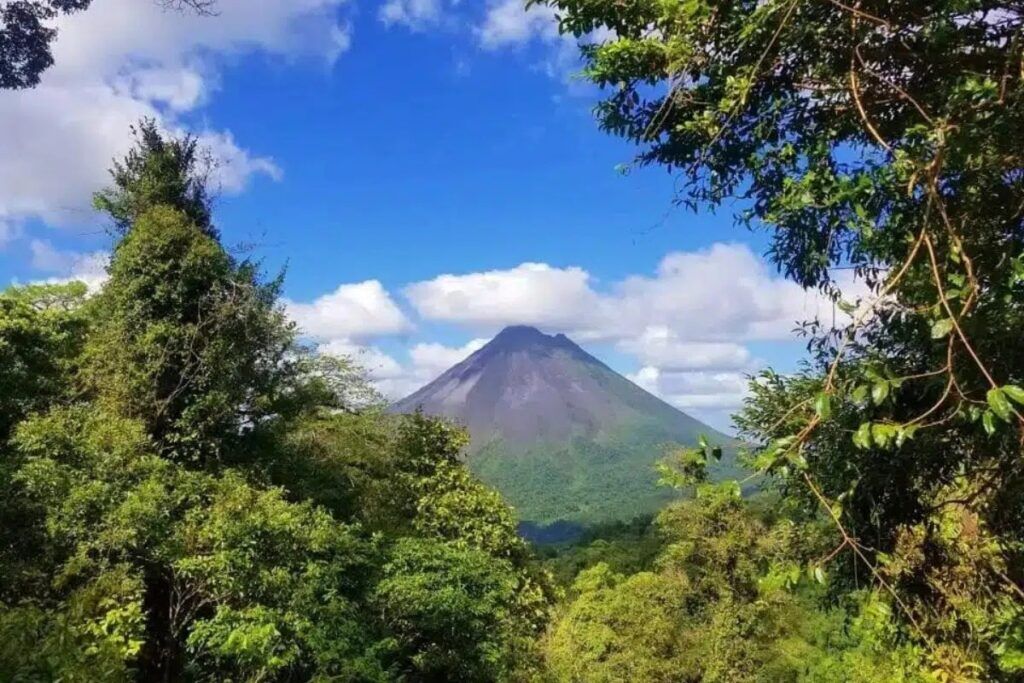
Arenal Volcano Costa Rica
Photo Credit: Jenn Coleman.

To build this list, we pulled from:

  • 2026 “where to go” lists from major travel publications and tour operators.
  • 2026 trend reports highlighting new hotspots from brands like American Express Travel and Four Seasons.
  • Fresh “bucket list experiences” roundups focused on once-in-a-lifetime safaris, rail journeys, and wellness escapes.

You’ll see a mix of:

  • Epic nature: auroras, mountains, deserts, and wildlife
  • Deep culture: food cities, historic routes, and sacred sites
  • Wellness and slow travel: spa breaks, rail journeys, and retreats
  • Responsible choices: places where tourism supports conservation and communities

Use this as your starting point to plan your own bucket list trips for 2026 that actually match how you like to travel.

1. Chase the Northern Lights in Arctic Europe

Northern Lights Iceland
Photo Credit: Deposit Photos.

Seeing the aurora borealis is still one of the most coveted bucket list experiences for Americans—it ranks number one in some recent surveys. For 2026, look to:

  • Tromsø and the Lofoten Islands (Norway) for fjords and cozy fishing villages
  • Lapland (Finland/Sweden) for glass igloos, reindeer safaris, and snowshoeing
  • Iceland for a blend of auroras, waterfalls, hot springs, and easy road-tripping

Why it’s a 2026 must:

  • Peak aurora season (roughly September–March) aligns with strong solar activity cycles.
  • Northern Europe continues to expand winter experiences—ice hotels, Sami culture tours, and wellness-focused saunas are all on the rise.

If “see the northern lights” has been sitting at the top of your list for years, 2026 is an ideal time to finally go.

2. A Classic African Safari with a Conservation Focus

Wandering group of elephants in Ngorongoro Crater Tanzania Africa
Photo Credit: Jenn Coleman.

Safari has always been a hallmark of bucket list travel, but the new trend is going deeper—fewer lodges, longer stays, and a clear link to conservation or community development.

Top 2026 choices:

  • Kenya’s Maasai Mara & conservancies – phenomenal big-cat viewing and community-run conservancies
  • Tanzania (Serengeti & Ngorongoro) – classic migration routes, crater landscapes, and cultural add-ons with Maasai and Hadzabe communities
  • Botswana’s Okavango Delta – water-based safaris, mokoro (dugout canoe) trips, and a strong low-impact tourism model

Look for lodges and operators that:

  • Support anti-poaching and habitat protection
  • Employ and train local guides
  • Limit vehicle numbers at sightings

For many travelers, a safari is the defining bucket list trip for 2026.

3. Overwater Bungalows in Bora Bora or the Maldives

Overwater Bungalows in Bora Bora
Photo Credit: Deposit Photos.

Sleep above turquoise water, step off your deck into a lagoon, and watch reef fish cruise under your bungalow—that’s the overwater fantasy that keeps showing up on global bucket list surveys.

Two iconic options:

  • Bora Bora, French Polynesia – Legendary for its lagoon, volcanic backdrop, and honeymoon-worthy overwater villas
  • The Maldives – Dozens of private-island resorts, world-class diving, and increasingly strong sustainability programs

Why 2026:

  • More flight options and packages make these destinations (slightly) more accessible.
  • Resorts are responding to traveler demand with reef-restoration programs, local culture experiences, and wellness-focused itineraries, not just “fly and flop” relaxation.

If “stay in an overwater bungalow” is on your dream list, 2026 is a great year to start planning while these destinations are still evolving in a more sustainable direction.

4. Cherry Blossoms in Japan and South Korea

Cherry Blossoms on Fujinomiya, Shizuoka, Japan
Photo Credit: Deposit Photos.

Japan has ranked as the world’s number-one bucket list destination in multiple surveys, with South Korea rising fast as a complementary trip.

For a 2026 bucket list trip, pair:

  • Japan: Tokyo and Kyoto, plus smaller cities like Kanazawa or Hiroshima
  • South Korea: Seoul, Busan, Gyeongju, or Jeju Island

Time it for late March to mid-April to catch cherry blossom season, with blooms starting in the south and moving north. Off-season, both countries still offer incredible food, temple stays, mountain hiking, and vibrant city life.

If you love culture, cuisine, and efficient public transit, this is one of the most achievable “big” bucket list trips for 2026.

5. Trekking in Patagonia (Chile & Argentina)

Hikers hiking, enjoying the view of Famous Patagonia Mount Fitz
Photo Credit: Deposit Photos.

Torres del Paine in Chile and Fitz Roy in Argentina show up again and again on “best places to visit in 2026” and lifetime adventure lists.

Why it belongs on your 2026 bucket list:

  • Iconic hikes: The W or O Circuit in Torres del Paine, day hikes around El Chaltén
  • Wild landscapes: Granite spires, glaciers, turquoise lakes, and guanacos grazing in the steppe
  • Seasonal sweet spot: October–April is ideal for most travelers, with long days and (relatively) stable weather

You can trek hut-to-hut, stay in eco-domes, or combine hiking with puma-tracking safaris or scenic drives down the Carretera Austral. For active travelers, this is one of the purest “world’s edge” feelings you’ll find in 2026.

6. An Expedition Cruise to Antarctica

Antarctica penguins and Cruise ship
Photo Credit: Deposit Photos.

Antarctica sits at the extreme edge of the bucket list—remote, fragile, and unforgettable. It regularly appears in “top bucket list places” research as the ultimate once-in-a-lifetime destination.

Current trends:

  • More small-ship expedition cruises with kayaks, zodiacs, and citizen-science programs
  • Stronger guidelines on landings and visitor numbers to protect wildlife and ecosystems.

If you go in 2026, look for operators that:

  • Belong to recognized polar associations
  • Offset emissions and support research
  • Keep landings small and structured

It’s not an inexpensive trip, but if “see Antarctica” is on your personal list, starting the planning 12–18 months ahead is key.

7. Wellness + Wild Nature in Costa Rica’s Papagayo Peninsula

Costa Rica’s Papagayo Peninsula
Photo Credit: Deposit Photos.

Wellness travel is booming, with projections for the sector heading toward $1.4 trillion by 2027 and 2026 shaping up as a big year for “wellness your way”—mixing spa time with adventure and social connection.

Costa Rica checks every box:

  • Papagayo Peninsula appears on trending destination lists for 2026 thanks to its eco-luxury resorts and protected coastline.
  • You can combine yoga, spa, and thermal springs with zip-lining, surfing, and wildlife watching.
  • Strong sustainability policies and reforestation programs mean your travel dollars can support long-term conservation.

For a balanced 2026 bucket list trip, split time between Papagayo’s resorts and more rustic areas like Monteverde or Arenal.

8. Grand National Park Road Trip in the USA

Road-to-Zion
Photo Credit, Jenn Coleman.

A good old-fashioned road trip ranks high on American bucket list surveys, often right alongside iconic sites like the Grand Canyon and Zion National Park.

In 2026, consider:

  • Southwest loop: Grand Canyon, Zion, Bryce Canyon, Page/Lake Powell, and Monument Valley
  • Rockies route: Yellowstone, Grand Teton, and Colorado’s San Juan Mountains, which feature on 2026 trending destination lists.

Tips for making it “bucket list” level:

  • Build in time for sunrise/sunset at a few anchor viewpoints.
  • Book at least one special experience—helicopter flight, guided slot canyon hike, or dark-sky stargazing.
  • Travel shoulder season (spring or fall) to avoid crowds and extreme heat.

Well-planned, a national park road trip can feel as epic as an international adventure.

9. Dolomites & Northern Italy: Mountains, Vineyards, and Villages

Dolomites
Photo Credit: Deposit Photos.

The Italian Dolomites feature prominently in “Best of the World 2026”-style lists, celebrated for their jagged peaks, alpine lakes, and hut-to-hut hiking culture.

Make it a full 2026 bucket list itinerary by pairing:

  • Dolomites: Lago di Braies, Seceda, Tre Cime di Lavaredo, and scenic passes
  • South Tyrol & Trentino: Wine routes, farm stays, and mountain cuisine
  • Venice or Verona: As a cultural bookend to your mountain time

The region now blends classic rifugio stays with stylish design hotels and wellness spas, reflecting the broader trend toward adventure-meets-wellness travel.

10. Marrakech and the Moroccan Desert

Main square of Marrakesh in old Medina. Morocco
Photo Credit: Deposit Photos.

Marrakech shows up on several 2026 trending destination lists thanks to its design-driven riads, vibrant souks, and evolving restaurant scene.

A bucket list-worthy Morocco trip can include:

  • Marrakech: Jardin Majorelle, medina rooftop dinners, hammams, and contemporary art spaces
  • Atlas Mountains: Hikes or village stays with community-run guesthouses
  • Sahara (Merzouga or beyond): Desert camps, camel treks, and stargazing under clear skies

This trip aligns perfectly with 2026 trends toward immersive, design-forward stays and “star bathing”—night-sky experiences that support mental well-being.

11. Rail Journeys Through Dramatic Landscapes

Views from Alaska Railroad
Photo Credit: Jenn Coleman.

Rail travel is having a moment again, both for sustainability and for the simple pleasure of watching the world glide past your window. Several 2026 bucket list roundups specifically highlight rail tours as “trips of a lifetime.”

Consider for 2026:

Alaska Railroad: Scenic routes like the Coastal Classic, Denali Star, and Glacier Discovery glide through fjords, tundra, alpine valleys, and glacier country.

Swiss Alps: Glacier Express or Bernina Express, linking iconic mountain towns.

Japan: Shinkansen journeys plus scenic local lines through rural regions.

Europe night trains: Revived sleeper routes, letting you wake up in a new city without stepping foot in an airport.

Add in food, local stays, and day hikes along the way, and your rail trip becomes a slow-travel bucket list adventure rather than just a way to get around.

12. New Zealand Road Trip from Alps to Ocean

New Zealand
Photo Credit: Deposit Photos.

New Zealand remains a dream destination for many travelers, showing up in multiple “best places to visit” lists going into 2026.

A classic 2–3-week itinerary might include:

  • South Island: Queenstown, Fiordland (Milford or Doubtful Sound), Wanaka, and the West Coast glaciers
  • North Island: Rotorua’s geothermal areas, Tongariro Alpine Crossing, and the wine regions around Hawke’s Bay or Waiheke

New Zealand also aligns with 2026 priorities like outdoor adventure, indigenous culture experiences, and high-quality yet small-scale hospitality.

13. Himalayan Adventures: From Spiritual Retreats to High Passes

Hiking the Himalayas
Photo Credit: Deposit Photos.

The Himalayas—whether in India, Nepal, or Bhutan—appear on several 2026 destination lists for travelers seeking a mix of spirituality, trekking, and cultural immersion.

Options range from:

  • Gentle wellness retreats and monastery visits in Bhutan or northern India
  • Classic treks such as Everest Base Camp or the Annapurna Circuit in Nepal
  • Jeep-based journeys through high passes and remote villages

For 2026 bucket list planning, think carefully about altitude, seasonality, and whether you want a challenging trek, a meditative retreat, or a bit of both.

14. Immersive City + Nature in Panama and Costa Rica

Panama City Panama
Photo Credit: Deposit Photos.

Panama City appears on trending lists for 2026 as a dynamic hub where old-world Casco Viejo meets gleaming skyscrapers and canal views. Pair it with Costa Rica or Panama’s own highlands and islands for a multi-country bucket list trip that mixes:

  • Historic neighborhoods and world-class dining
  • Cloud forests, coffee regions, and volcano hikes
  • Caribbean and Pacific beach escapes

This combination taps into 2026’s appetite for multi-stop itineraries that deliver big variety in a single trip—without round-the-world flight fatigue.

15. Culture, Carnival, and Coast in Brazil (Rio + Beyond)

Brazil
Photo Credit: Deposit Photos.

Rio de Janeiro’s blend of beaches, mountains, and music keeps it on lists of the best places to visit in 2026, especially around Carnival.

For a truly bucket list-level 2026 trip, expand your route beyond Rio:

  • Paraty & Costa Verde: Colonial streets and emerald bays
  • Iguaçu Falls: One of the world’s great waterfalls
  • Amazon or Pantanal: Wildlife and river-based adventures

Brazil rewards longer itineraries and slow exploration, aligning with 2026 trends toward meaningful, story-rich travel instead of rushing through a checklist.

How to Actually Make Your Bucket List Trips For 2026 Happen

Majestic waterfall in the rainforest jungle of Costa Rica. Tropical hike.
Photo Credit: Deposit Photos.

Big, dreamy trips tend to stay on the bucket list if you don’t connect them to a concrete plan. A few practical steps:

Pick one “flagship” trip for 2026.

  1. Pick one “flagship” trip for 2026.
  2. Instead of trying to do everything, choose the one experience that keeps pulling your attention—auroras, safari, Antarctica, Japan, etc.
  3. Match seasonality and budget.
    • Research best months for weather and wildlife.
    • Use shoulder seasons where possible for lower prices and fewer crowds.
    • For ultra-premium trips (Antarctica, overwater bungalows, business-class flights), plan 12–18 months out.
  4. Layer in one or two “stretch” experiences.
  5. A helicopter flight, private wildlife guide, or spa retreat can turn a great trip into a true trip of a lifetime. Pick the one or two splurges that matter most to you instead of upgrading everything.
  6. Travel responsibly.
  7. Consider 2026 “no lists” and overtourism warnings when you decide when and how to visit certain hotspots, and look for operators with clear sustainability and community-support policies.

When you design your 2026 travels around the experiences that matter most—rather than just ticking off places—you transform “someday” into a specific, bookable plan. That’s how bucket list trips for 2026 move from dream to departure date.

Hi! We are Jenn and Ed Coleman aka Coleman Concierge. In a nutshell, we are a Huntsville-based Gen X couple sharing our stories of amazing adventures through activity-driven transformational and experiential travel.


Source link