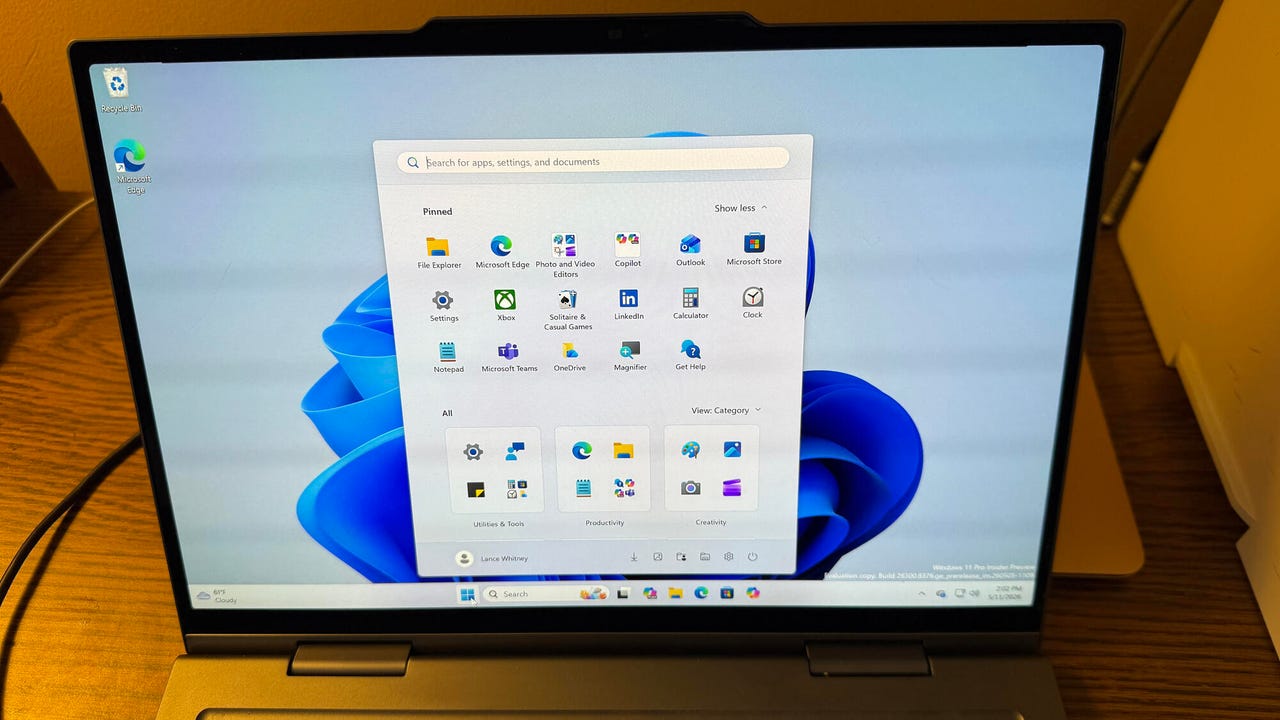
Microsoft is boosting the launch time of key Windows apps and features – here’s how


Windows 11 Insider build

Lance Whitney/ZDNET

Follow ZDNET: Add us as a preferred source on Google.


ZDNET’s key takeaways

  • Low Latency Profile aims to help Windows apps launch faster.
  • The feature works by spiking the CPU speed.
  • Early testing shows improvement.

Ever find that opening an app, triggering a menu, or running other tasks in Windows doesn’t feel as fast or as snappy as it should? You’re not alone. Microsoft is currently testing a new technology in Windows 11 designed to provide some oomph to many of the actions you perform in the OS.

Also: I tried this free Windows cleanup tool to see if it’d speed up my PC – and it worked

Currently available in the latest Windows 11 Insider builds, the new Low Latency Profile is an attempt to enhance Windows by increasing the speed and responsiveness of key tools, apps, and features, Windows Central reported on Thursday. Citing sources familiar with these plans, reporter Zac Bowden said that this can boost the launch times for tools like the Start menu and File Explorer, apps like Edge and Outlook, and features like context menus and system flyouts.

In its testing, Windows Central found that Edge and Outlook launched up to 40% faster, while the Start menu and context menus kicked off 70% faster. Low Latency Profile is also supposed to provide speed boosts to most common third-party programs, making Windows overall feel snappier.

How does it work?

Low Latency Profile works by ramping up the CPU frequency in short bursts when you launch certain apps and menus. Normally, the CPU gradually increases speed when you click buttons, open menus, or perform other actions in Windows. But with Low Latency Profile enabled, the CPU spikes its speed for anywhere from one to three seconds, like pushing down hard on the gas pedal to more quickly increase the speed of your car.

At this point in the latest Windows 11 insider build, there’s no on/off switch to enable or disable Low Latency Profile. Rather, this is an automated feature that kicks off in the background when it’s needed. It then runs without any knowledge or awareness by the user. The sources also told Windows Central that any impact on battery life or heat is minimal because the CPU boost is so short.

Also: These 5 critical Windows Defender settings are off by default – turn them on ASAP

On the plus side, any technology that can speed up key activities and tasks in Windows seems like a step in the right direction. On the minus side, Low Latency Profile has triggered complaints from several users responding to a post on X from Windows Central. Some argue that this type of technology should have been standard in Windows 11 and not a special mode that needs to be implemented. Others contend that hiking the CPU speed isn’t the ideal way to improve the overall responsiveness of Windows.

Microsoft has been facing a lot of criticism over the perceived faults and flaws in Windows 11, including its obsession with adding AI to everything. In response, the company has promised big changes in store for Windows to address its key deficiencies. Low Latency Profile is just one of many that could start to alter the perception of Windows as slow and bloated. Now it’s up to Microsoft to deliver the goods.





Source link

Leave a Reply

Subscribe to Our Newsletter

Get our latest articles delivered straight to your inbox. No spam, we promise.

Recent Reviews


Year-end. For accountants, those two words can bring on a mix of excitement and, let’s be honest, a bit of dread. It’s a whirlwind of deadlines, data, and client questions. But what if we looked at it differently this year? What if we saw it as our annual opportunity to truly shine, to go beyond the numbers and become the trusted advisors our small business clients are searching for?

The game is changing, and for the better. Small businesses aren’t just looking for someone to do their taxes; they’re looking for a partner in their success. In fact, a recent Gusto report, Beyond the Books, found that two-thirds of small businesses believe their accountant makes them more productive. They’re hungry for our guidance, and year-end is the perfect time to serve it up.

More than a checklist: a game plan for deeper client relationships

We all know the core year-end tasks like the back of our hand. But when we frame them as strategic conversations, they become opportunities to build trust and showcase our value.

Laying the foundation: Seamless reconciliation

This is where we roll up our sleeves and get into the nitty-gritty. By using tools like Xero’s bank reconciliation, we can transform a tedious task into a valuable health check for our clients’ businesses. It’s our chance to spot any red flags, clean up the books, and ensure a solid foundation for the year ahead.

People power: Payroll and contractor confidence

Payroll is more than just paychecks; it’s about people. This is our opportunity to ensure our clients are taking care of their teams. By verifying W-2s and 1099s (which Gusto can automatically generate), we’re not just ensuring compliance; we’re giving our clients peace of mind. And by making sure every contractor has a W-9 on file, we’re protecting them from future headaches.

The fun part: Uncovering savings and planning for a brighter future

This is where we really get to shine. The Beyond the Books report revealed that clients who receive strategic guidance are more than 20% more likely to recommend their accountant. Year-end is the perfect time to offer that guidance. Let’s help our clients:

  • Maximize deductions and credits: We can proactively look for opportunities clients might have missed, from R&D credits to energy-efficiency incentives.
  • Plan for tax-saving moves: A simple conversation about retirement contributions can make a huge difference in clients’ tax liability.
  • Look ahead to the new year: By reviewing their financial performance, we can help clients set realistic goals and make smarter decisions about everything from hiring to major purchases.

From compliance to consulting: The future of our profession

The truth is, our clients are ready for us to be more than just their “tax person.” The Gusto report found that the demand for advisory services in areas like HR and workforce strategy has jumped nearly 50% since 2021. They want our insights on everything from cash flow management to benefits packages.

By automating routine tasks with connected tools like Gusto and Xero, we can free up our time for what really matters: the high-value conversations that can change the trajectory of a small business. We can help our clients:

  • analyze payroll trends to make smarter hiring decisions
  • choose benefits that will help them attract and retain top talent
  • build a stronger financial foundation for the future

Here’s to a more rewarding year-end

Small business owners are passionate about what they do, and they’re looking to us for the financial expertise that can help them succeed. This year, let’s embrace our role as trusted advisors. Let’s turn the year-end crunch into a season of connection, collaboration, and celebration. Because when our clients thrive, so do we.

Learn more about Gusto and connect it to your Xero account in the Xero App Store

Was this article helpful?

YesNo


Source link