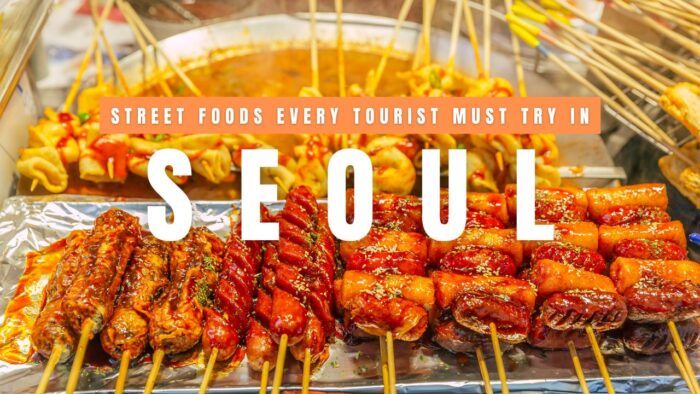

10 Must-Try Seoul Street Foods for an Unforgettable Culinary Adventure
Seoul is a city that never stops eating. From sunrise markets filled with the aroma of fresh pastries to neon-lit night streets sizzling with grills and bubbling sauces, South Korea’s capital offers one of the most exciting street food scenes in the world. For travelers, tasting street food in Seoul is more than satisfying hunger—it is a chance to experience Korean culture through flavors, traditions, and local ingredients. Whether you love spicy comfort food, crispy fried snacks, smoky skewers, or sweet desserts, every food stall has something memorable waiting.
Seoul Street Foods Every Tourist Must Try
If you are planning a food adventure in South Korea, these ten Seoul street foods deserve a place on your must-try list.
1. Tteokbokki – Korea’s Iconic Spicy Rice Cake Dish

Tteokbokki is often the first street food travelers notice in Seoul, thanks to its bright red sauce bubbling in large metal pans. This beloved dish is made with soft cylindrical rice cakes called tteok, sliced fish cakes, scallions, and sometimes boiled eggs, ramen noodles, dumplings, or melted cheese. Everything is simmered in a thick sauce made from gochujang, Korea’s famous fermented red chili paste, mixed with garlic, sugar, soy sauce, and stock.
The flavor is bold, rich, and unforgettable. The first bite brings gentle sweetness, followed by a deep spicy kick that slowly builds. The rice cakes are soft, chewy, and slightly sticky, creating a satisfying texture that perfectly absorbs the sauce. Fish cakes add savory depth, while optional toppings create even more variety.
Tteokbokki remains popular because it is affordable, filling, and comforting year-round. It is a favorite after-school snack for locals and an essential part of the food experience for tourists.
Where to try it: Myeongdong Street Food Alley, Sindang-dong Tteokbokki Town, and Gwangjang Market.
2. Hotteok – Seoul’s Famous Sweet Filled Pancake
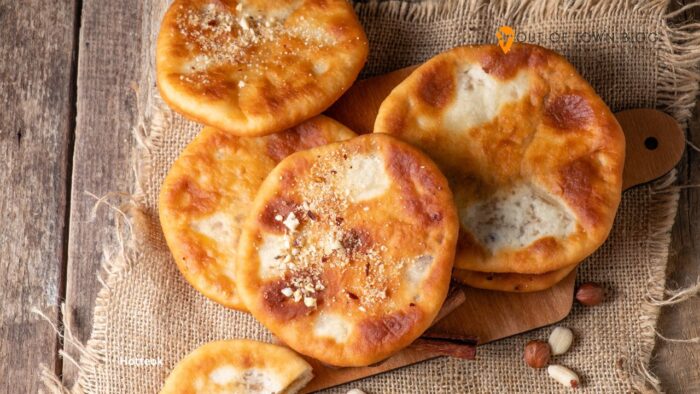
Hotteok is one of Seoul’s most comforting street snacks, especially during the colder months when warm desserts become irresistible. This traditional Korean pancake starts with a soft yeasted dough, filled with brown sugar, cinnamon, and chopped nuts such as peanuts, sunflower seeds, or walnuts. The dough is then pressed onto a hot griddle until golden brown and slightly caramelized.
When you take your first bite, the crispy exterior gives way to a warm, chewy center filled with melted syrup. The sweetness is rich but balanced, while the cinnamon adds a fragrant warmth that makes every bite feel cozy and nostalgic. The chopped nuts add a gentle crunch, creating the perfect combination of textures.
Hotteok has remained popular for generations because it is simple, affordable, and incredibly satisfying. It is the kind of snack people enjoy while walking through busy shopping streets or exploring winter markets. Many modern stalls now offer cheese, chocolate, or green tea versions, but the classic remains unbeatable.
Where to try it: Namdaemun Market, Insadong, and Myeongdong.
3. Eomuk – Korea’s Comforting Fish Cake Skewers
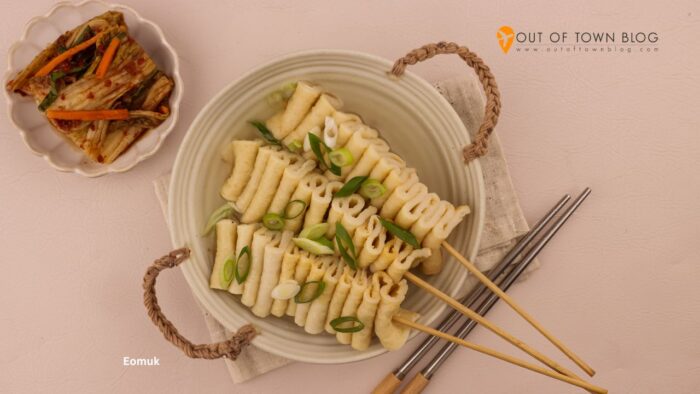
Eomuk, also called odeng, may look simple at first glance, but it delivers one of the most comforting street food experiences in Seoul. This snack is made from finely ground white fish mixed with flour, vegetables, and seasonings, then shaped into thin, folded sheets and skewered on wooden sticks. The skewers are placed in large pots of steaming anchovy or kelp broth, staying warm throughout the day.
The taste is mild, savory, and deeply satisfying. The fish cake has a soft, springy texture with subtle seafood flavor and gentle seasoning. What makes eomuk even more enjoyable is the hot broth served alongside it. Locals often sip the broth between bites, especially during cold weather, turning a simple snack into a warming meal.
Eomuk is popular because it is light yet filling, inexpensive, and widely available. It is a favorite among commuters, students, and late-night food explorers. The aroma of steaming broth often leads travelers directly to the stall before they even see it.
Where to try it: Dongdaemun, Gwangjang Market, and street stalls near subway stations.
4. Gimbap – Korea’s Favorite Grab-and-Go Roll
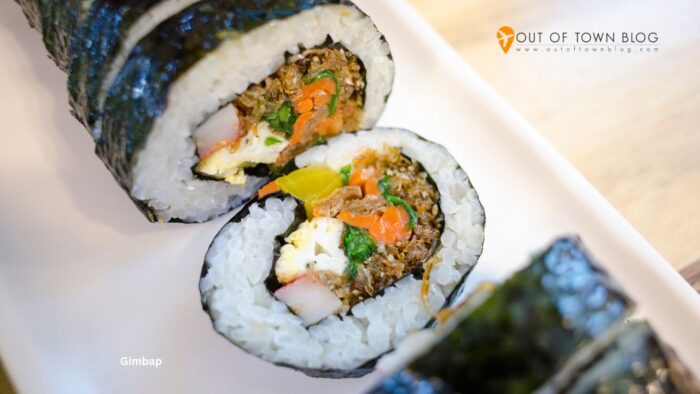
Gimbap is one of the most practical and delicious street foods in Seoul, perfect for travelers spending long days exploring the city. At first glance, it resembles sushi, but its ingredients and flavors are distinctly Korean. Sheets of roasted seaweed are layered with seasoned rice and filled with colorful ingredients such as egg omelet, pickled radish, carrots, spinach, fish cake, ham, beef, or tuna. The roll is tightly wrapped, sliced into bite-sized pieces, and lightly brushed with sesame oil.
Every bite is balanced and satisfying. The rice is soft and lightly seasoned, the vegetables add freshness and crunch, and the sesame oil creates a warm, nutty aroma. Depending on the filling, gimbap can taste savory, slightly sweet, or mildly tangy.
What makes gimbap so popular is its convenience. It is portable, nutritious, and filling without being heavy, making it ideal for busy students, office workers, and tourists on the move. Different neighborhoods offer unique variations, from spicy kimchi rolls to cheese-filled versions.
Where to try it: Hongdae, Gwangjang Market, and neighborhood snack shops.
5. Bungeoppang – The Beloved Fish-Shaped Pastry

Bungeoppang is one of Seoul’s most charming and recognizable street snacks. Shaped like a fish, this warm pastry is made in special molds filled with batter and sweet fillings, then baked until golden brown. Traditionally, the filling is sweet red bean paste made from cooked azuki beans, although modern versions may include vanilla custard, chocolate, sweet potato, or cream cheese.
The first bite is both crispy and soft. The outer shell is lightly crunchy and buttery, while the inside is warm, fluffy, and filled with smooth sweetness. The red bean filling has an earthy flavor that balances the pastry’s richness, creating a comforting taste that feels both traditional and satisfying.
Bungeoppang is especially popular during autumn and winter, when the warmth of freshly made pastries becomes irresistible. Many Koreans associate it with childhood memories, making it both nostalgic and delicious. Tourists love its playful shape, easy portability, and comforting flavor.
Where to try it: Jongno, Insadong, Myeongdong, and winter market stalls.
6. Korean Corn Dogs – Seoul’s Crispy Cheese Sensation

Korean corn dogs have become famous around the world, but tasting one fresh from a Seoul street stall is a completely different experience. Unlike traditional corn dogs, Korean versions are coated in thick yeasted batter, rolled in breadcrumbs, diced potatoes, or crunchy cereal, and deep-fried until perfectly golden. The filling may be sausage, mozzarella cheese, a fish cake, or a delicious combination of the three.
The first bite delivers an incredible crunch, followed by a soft, fluffy interior and melted cheese that stretches dramatically with every pull. The flavor is a playful mix of savory, creamy, slightly sweet, and sometimes spicy. Many vendors finish their corn dogs with sugar, ketchup, mustard, spicy sauce, or garlic seasoning, creating a surprising sweet-and-salty balance.
Their popularity comes not only from their taste but also from their visual appeal. The famous cheese pull makes them a social media favorite, while the rich flavor keeps people coming back.
Where to try it: Myeongdong, Hongdae, and youth shopping districts.
7. Twigim – Korea’s Addictive Fried Street Snacks
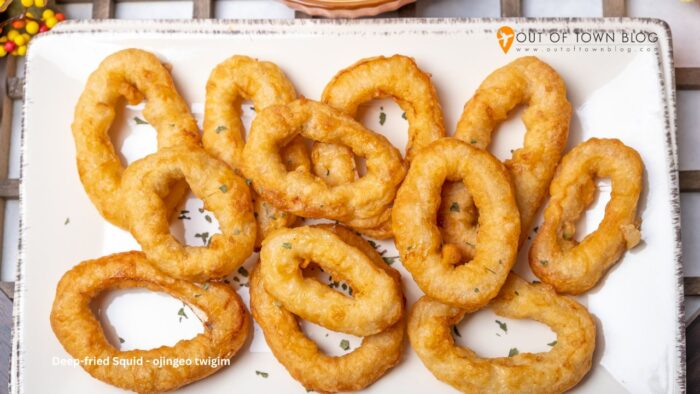
Twigim is the Korean answer to tempura and one of the most satisfying street foods in Seoul. Rather than being a single dish, twigim refers to a selection of ingredients coated in light batter and deep-fried until golden and crisp. Popular choices include squid, shrimp, sweet potato, seaweed rolls, dumplings, vegetables, and even boiled eggs.
Each piece offers a different flavor and texture, making every order feel like a small tasting adventure. The batter is crispy but not heavy, allowing the natural sweetness of vegetables or the savory richness of seafood to stand out. Many locals enjoy dipping twigim into spicy tteokbokki sauce, creating an irresistible combination of crunch, spice, and sweetness.
Twigim remains popular because it offers variety, value, and instant satisfaction. It is perfect for sharing with friends or sampling multiple flavors while exploring local markets. The sizzling sound of freshly fried twigim is part of Seoul’s street food atmosphere and impossible to ignore.
Where to try it: Gwangjang Market, Namdaemun Market, and traditional food streets.
8. Gyeranppang – Korea’s Warm and Fluffy Egg Bread
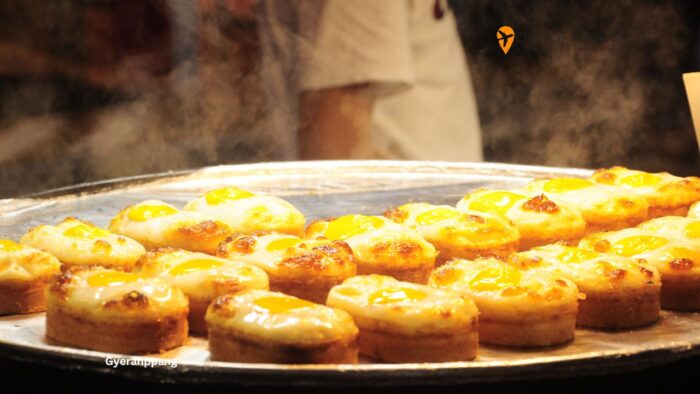
Gyeranppang, meaning “egg bread,” is a comforting snack that fills Seoul’s streets with a warm bakery aroma. This popular street food is made by pouring sweet cake batter into small rectangular molds and cracking a whole egg directly on top before baking. Some vendors add cheese, parsley, butter, bacon, or ham for extra flavor.
The result is a soft, fluffy bread with a lightly sweet taste balanced by the savory richness of the egg. The texture is moist and airy, while the baked egg creates a satisfying center that feels almost like breakfast in your hand. The buttery aroma alone is enough to attract hungry travelers from across the street.
Gyeranppang became popular because it is affordable, filling, and easy to eat on the go. It works equally well as breakfast, an afternoon snack, or late-night comfort food. Its simple ingredients and homemade flavor make it especially memorable for first-time visitors.
Where to try it: Myeongdong, university districts, and subway station exits.
9. Pajeon – Crispy Korean Scallion Pancake
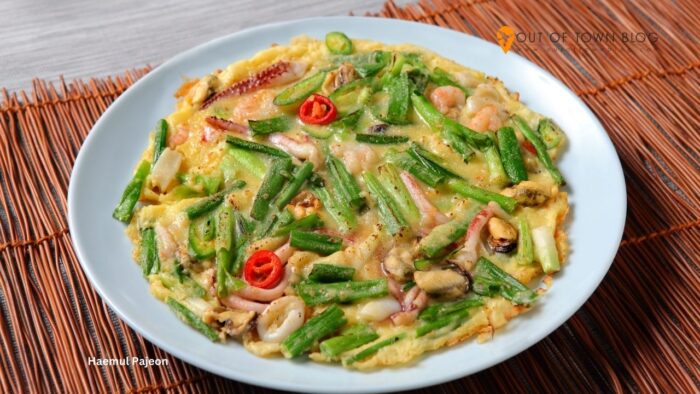
Pajeon is a savory pancake that brings together simple ingredients and bold flavor. The batter is made from flour, eggs, and water, then mixed with long green scallions and often seafood such as squid, shrimp, or clams. The mixture is spread onto a hot griddle and cooked until both sides become golden and crispy.
The taste is rich, savory, and slightly sweet from the scallions. The edges are crisp and crunchy, while the center stays soft and tender. Seafood versions add deep umami flavor, making each bite even more satisfying. Pajeon is usually served with a dipping sauce made from soy sauce, vinegar, and chili, adding brightness and depth.
It remains popular because it feels both hearty and shareable. Whether eaten as a snack or a small meal, it delivers comfort and flavor in every bite. Many locals especially crave pajeon on rainy days, making it part of Korean food culture.
Where to try it: Jongno, Gwangjang Market, and traditional food alleys.
10. Dakkochi – Smoky Korean Grilled Chicken Skewers

Dakkochi is one of Seoul’s most irresistible street foods for meat lovers. These grilled chicken skewers are made with bite-sized pieces of chicken marinated in soy sauce, garlic, sesame oil, sugar, and spicy gochujang. The chicken is threaded onto wooden skewers and grilled over open flames or charcoal until beautifully caramelized.
The aroma is impossible to ignore. As the glaze cooks, it creates slightly charred edges and a smoky sweetness that fills the air. The first bite is juicy, tender, and packed with layers of flavor—sweet, salty, smoky, and mildly spicy all at once. Some vendors add scallions, mushrooms, or peppers between the chicken pieces for extra texture.
Dakkochi is popular because it is protein-rich, easy to eat while walking, and incredibly flavorful. It is especially loved in the evening, when Seoul’s nightlife begins, and the streets come alive with food.
Where to try it: Hongdae, Myeongdong, and Seoul night markets.
Final Thoughts
Seoul’s street food scene is one of the best ways to connect with Korean culture. Every market, alley, and food stall offers flavors, traditions, and unforgettable experiences. From spicy tteokbokki to smoky dakkochi, these ten street foods represent the heart of Seoul’s culinary identity.
Arrive hungry, follow the delicious aromas, and discover why Seoul is truly a paradise for food lovers.
Seoul Travel Tour Packages You Should Try
Follow and subscribe to OutofTownBlog.com on Facebook , Twitter, Instagram, Pinterest, and YouTube for more Travel-related updates.
Read:

Stacie Harris is a local resident and reporter of the Maple Grove area. Stacie reports on medicine and science for the Maple Grove Report.