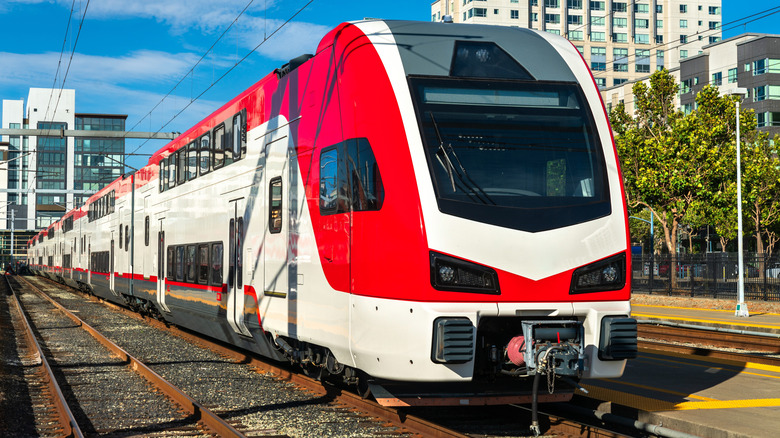

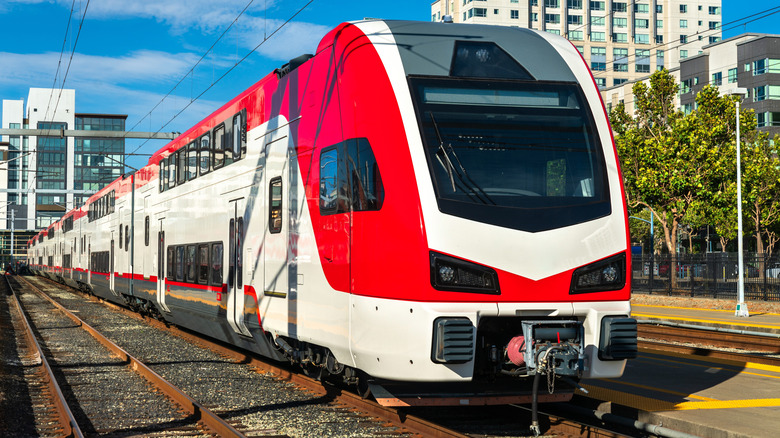
When it comes to modern transportation, it’s easy to assume that electric means traditional motors aren’t involved, as is certainly the case with most modern electric cars. That being said, so-called electric trains use diesel engines as a means of creating electricity, which allows for a more flexible and efficient operation. Though it might sound odd, the process is actually a lot more practical than it might sound.
The diesel engine itself isn’t what pushes the train forward. Instead, it drives a generator that produces electricity, which then supplies the electric motors. Those motors are what actually turn the wheels and move the train. This separation allows the engine to run at a steady, optimized range, while the motors handle the job of propulsion under heavy loads and constant speed changes.
Not all electric trains rely on diesel engines, which, in themselves, are designed to be more durable than gas engines. Some electric trains are fully powered by external electricity from overhead wires or a third rail. This method provides a continous flow of power while the train is in operation. In these systems, power is drawn directly from the rail network rather than being generated onboard the train itself. This allows the train to operate without the need of an internal combustion engine.
Diesel-electric systems and modern technologies
The diesel-electric configuration in today’s trains isn’t new, and actually dates all the way back to the 1920s. It was first used in railroad switching services, and was later integrated into locomotives. By the 1940s, the system had provided an alternative to steam engines for heavy-duty transportation. Through the years, the diesel-electric system became increasingly more common thanks to its improved efficiency over steam, and the fact that it requires less ongoing maintenance than traditional steam trains.
Despite how efficient diesel-electric systems are, modern innovations are slowly being rolled out in the industry. Rail systems are exploring technologies that can reduce emissions while also improving overall energy use, like battery-powered trains, which are being developed with the ability to run on both electrified and non-electrified sections of track. These trains would use advanced systems designed to both improve efficiency and reduce drag during operation.
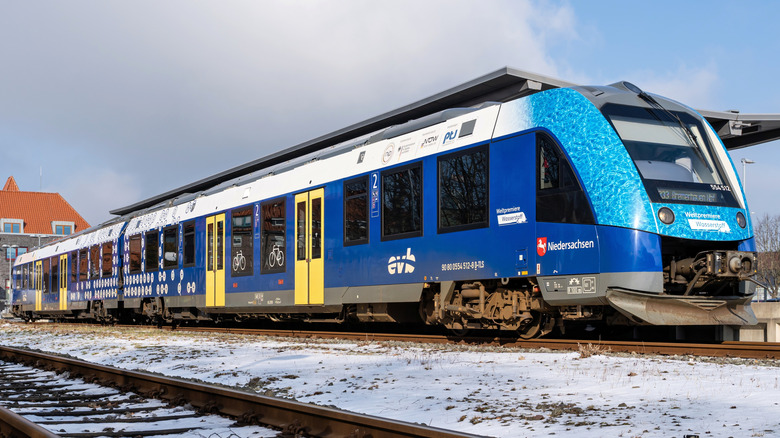
At the same time, hydrogen-powered trains are currently being tested and introduced in freight and passenger service. These trains produce zero emissions during operation, with water vapor as their only byproduct. Even though they have improved efficiency and less environmental impact, widespread adoption of hydrogen-powered trains is limited, due to high costs and ongoing testing. In terms of whether or not diesel-electric systems will one day be phased out, the industry is still very much in a transition period, so it’s likely too early to say.

Stephan is the sports journalist for the Maple Grove Report.