
Today’s pickup truck buyers tend to favor models with rear seats that seat up to six passengers. These models have evolved over the years into two primary categories: crew cab and extended cab. While there are differences between crew cab and extended cab pickup trucks, both cab configurations provide extra space behind the front seats to accommodate additional passengers or cargo.
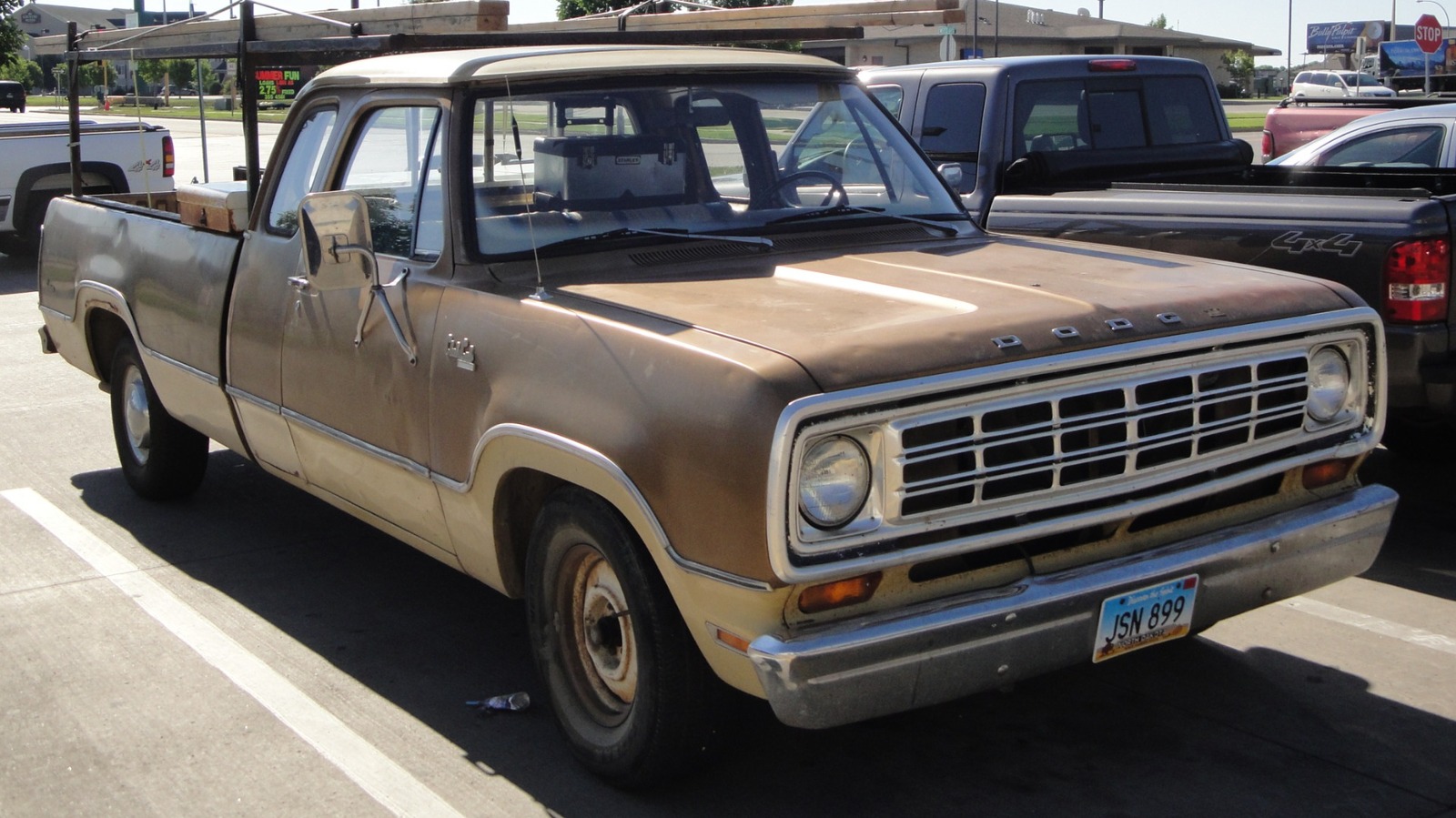
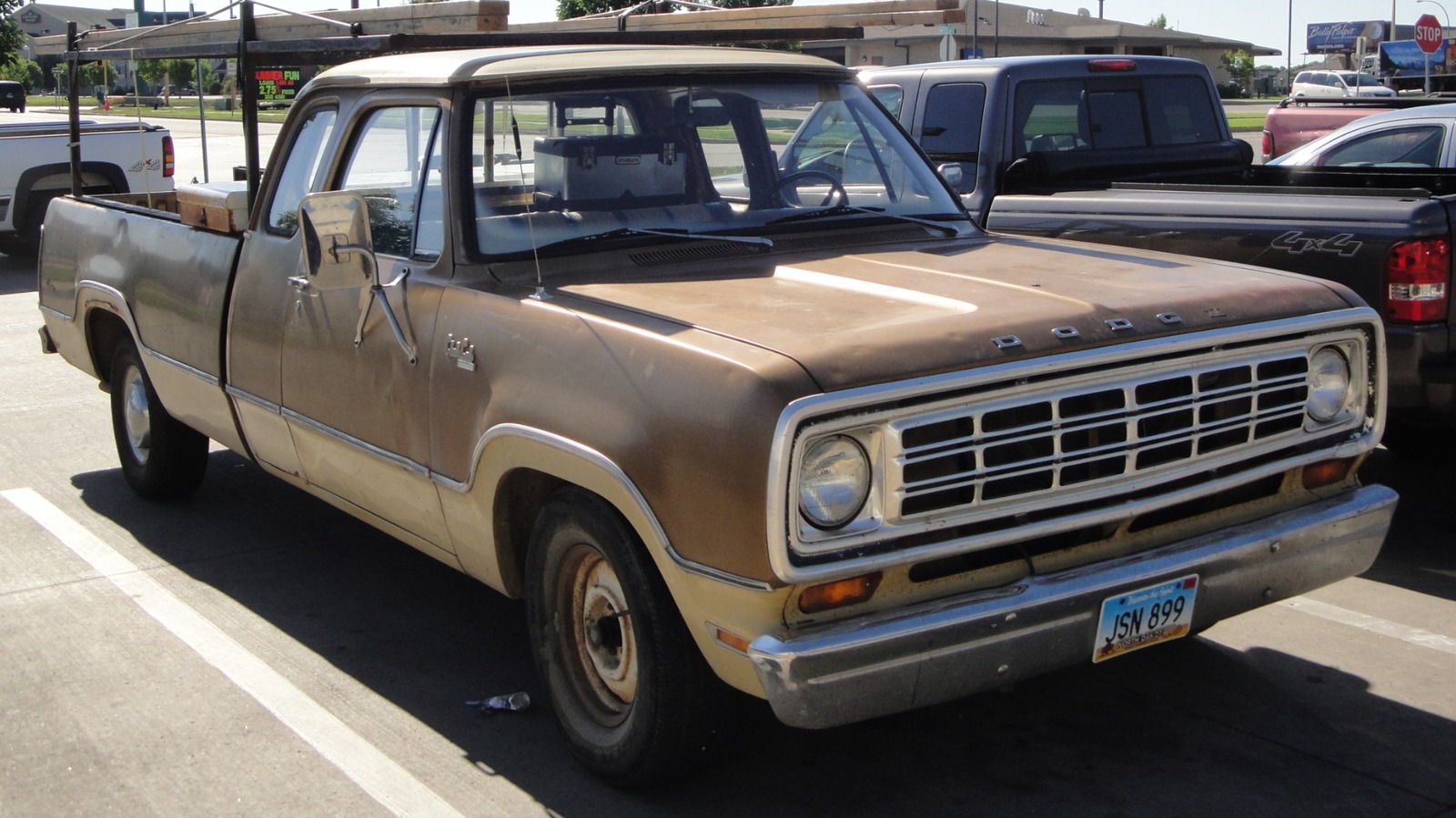
Dodge introduced the first extended cab two-door pickup truck, known as the Dodge Club Cab, for the 1973 model year. It had an extra pair of small windows located behind the doors, and offered just enough room for two additional passengers.
While the rear passenger accommodations weren’t exactly luxurious by today’s standards, the opposing jump seats offered a more comfortable place to sit than the pickup bed. When extra passenger seating wasn’t required, the jump seats folded against the rear cab walls. This allowed maximum space when carrying cargo, keeping it better away from the pickup bed’s wind and weather exposure.
Ford was next in the extended cab pickup market, launching its SuperCab option in 1974. The early SuperCab versions only had two doors, like the Dodge Club Cab. Newer Ford SuperCab and Crew Cab trucks offer a number of differences, starting with more doors for easier access.
Crew cab pickups actually came before extended cab versions
The larger-cab option for pickup trucks debuted in 1957 with the introduction of the Travelette, a three-door pickup featuring a full-size rear bench seat that seated up to six passengers across two bench seats. Don’t worry if you’ve never heard of or seen a Travelette. They were designed and marketed as work trucks meant to haul workers and materials to job sites, and built by International Harvester.
International Harvester is a brand best remembered for its school buses, though some may recall the Scout. This early 4×4 SUV was one of the coolest trucks of the 1970s, and it ultimately became the last consumer vehicle produced by International Harvester before the company ended light-duty production in 1980.
That same year, a third-party contractor began up-fitting Dodge pickups with larger cabs, a relationship that lasted a few years until Dodge began rolling them off the assembly line in 1964. Ford debuted its four-door Crew Cab pickup in 1965, and Chevy and GMC waited until the 1970s to offer their versions.

Stephan is the sports journalist for the Maple Grove Report.