United To Launch First-Ever Nonstop Flight To This Astounding Asian City


Share The Article

When you’ve had your fill of cookie-cutter vacations, there’s one destination surely to rock your socks off with its wildly diverse culture and endless wonders.

Asia.

Now, where to go within this vast continent is another question entirely, but for many Americans, it usually boils down to Thailand, Japan, or Bali.
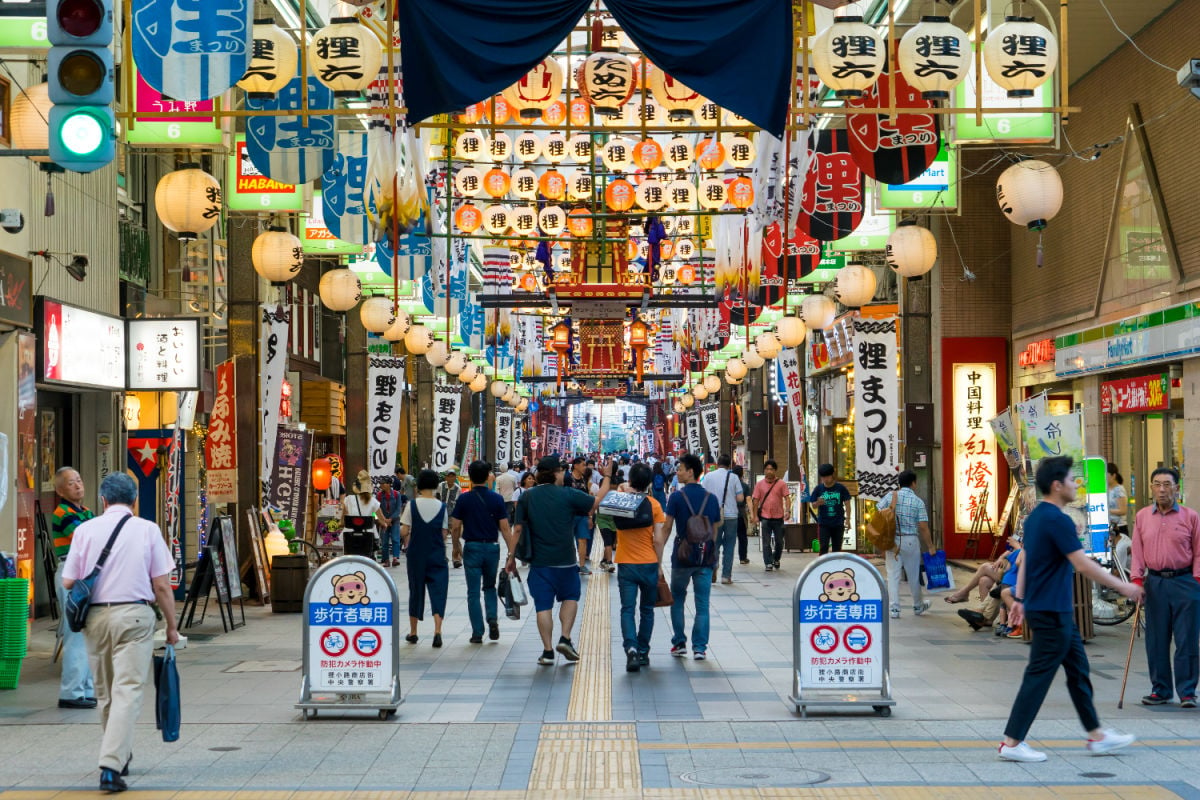
Vibrant square in Sapporo, Japan

This time, United is adding a piece to the puzzle.

Usually, travelers venturing off to Japan have one place in mind: the sprawling playground of Tokyo.

Although Osaka might have something to say about that…

That said, United is set to launch the first-ever nonstop flight from the continental U.S. to lesser-known Sapporo.

Well, lesser-known for some — I love their beer, which is their claim to fame outside of Japan’s borders.

Making history with one of Asia’s most overlooked cities now easier to reach, Americans can soon jet off to experience a completely different side of Japan, one where winter is surprisingly the peak season.

Be sure to check the latest Travel Alerts & Entry Requirements before your trip.

Will Sapporo Be Japan’s Next Hotspot?
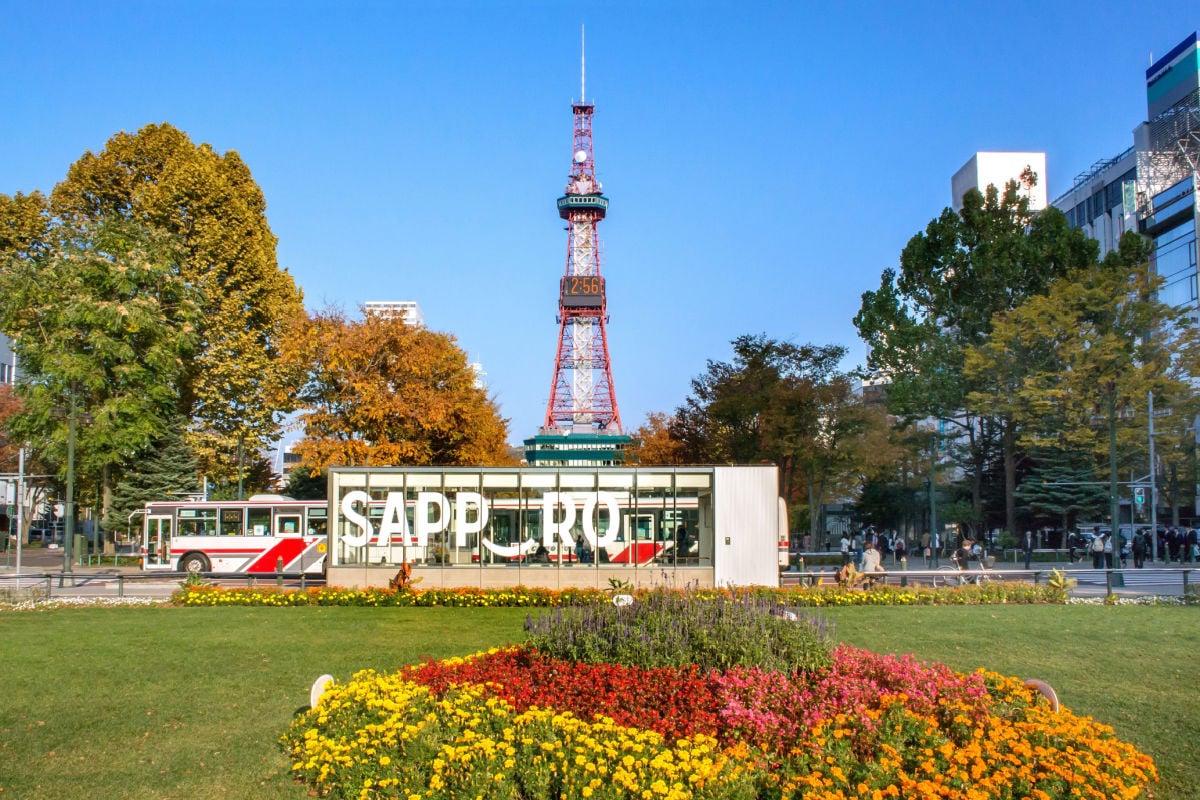
Sapporo sign in Japan

Let’s be real — Tokyo is tough to beat. There’s simply no place like it, where a city so massive can be so tamed in some ways, like being able to hear a pin drop on the metro, yet being welcomed to your hotel by robots.

Make it make sense.

That said, it may not seem like it, but the gargantuan metropolis of Tokyo merely scratches the surface of Japan’s immeasurable layers.

Before this groundbreaking flight announcement, we might’ve argued Kyushu was destined to be Japan’s new tourism hotspot.
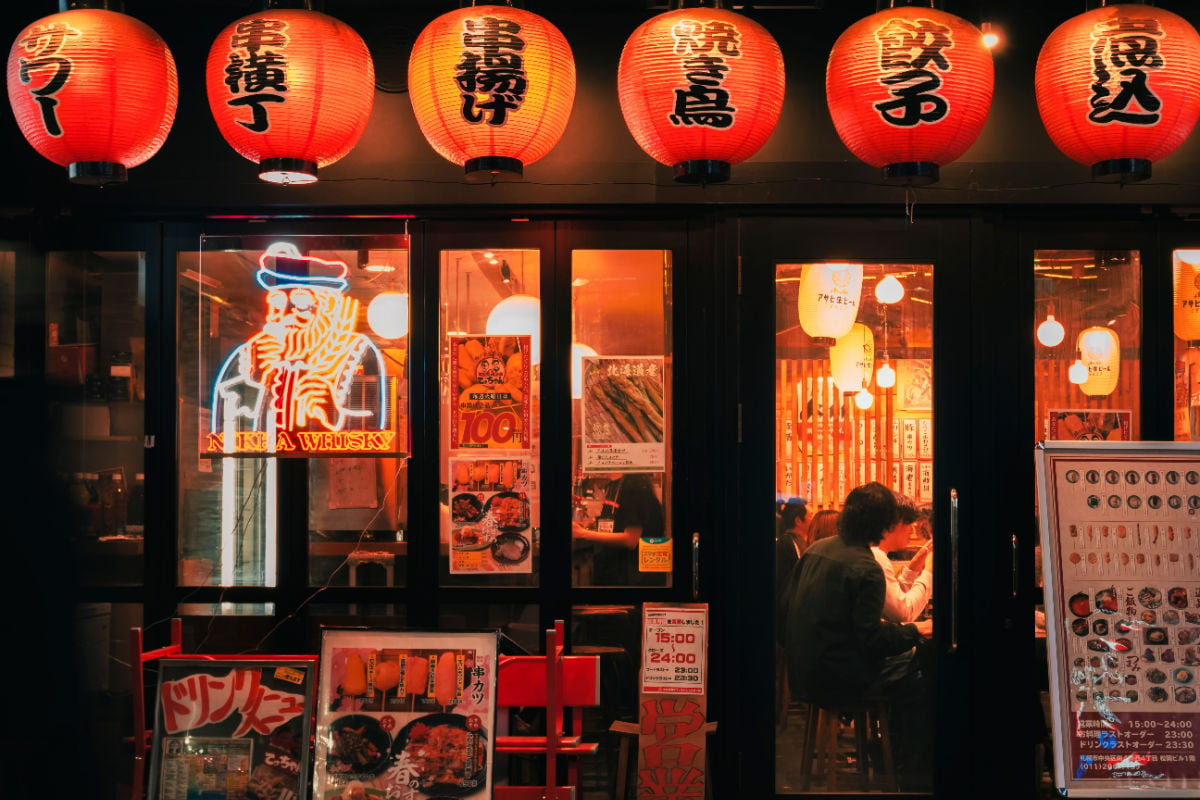
Traditional izakaya in Sapporo, Japan
VTT Studio / Shutterstock.com

But now Sapporo, located on Japan’s northern island of Hokkaido, may have cut the line despite Kyushu being promoted as more of a year-round escape with pristine beaches, natural wonders, and a focus on wellness tourism instead of how much Sapporo-style ramen you can pack in your gut.

Or maybe that’s just my M.O….

So, the question remains why did United opt for Sapporo?

Here’s why:

United said its “new nonstop service … to Sapporo makes it easier to vacation in one of Japan’s most unique destinations.”
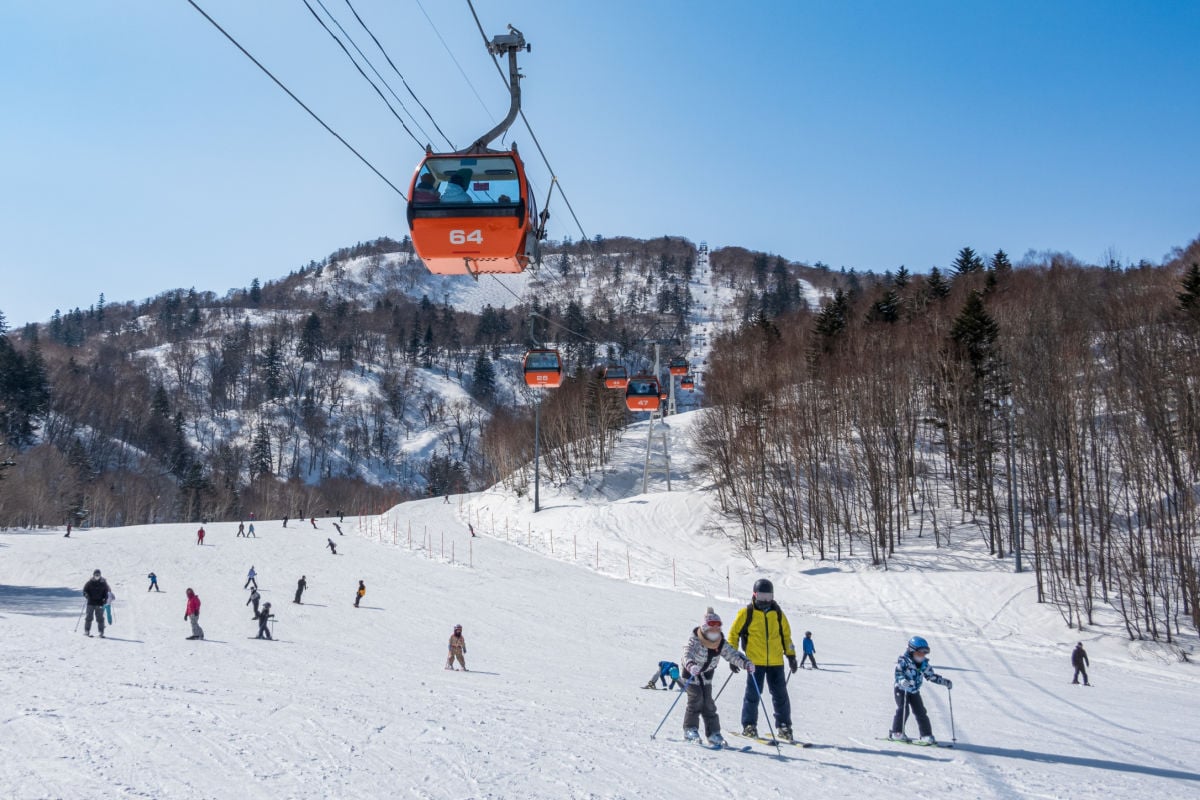
Ski resorts in Sapporo

Additionally, the popular airline highlighted skiing as the top reason to visit hence our prior winter reference.

That’s not to say you shouldn’t visit Sapporo another season, but it’s the rare type of place where its magic really comes to life with snowy ski slopes and the Sapporo Snow Festival.

But hey, we get it. Packing a winter coat takes up a lot of space.

Sapporo is still fun well beyond ski season, especially once you factor in its parks, ramen shops, nearby hot springs, and proud beer culture.
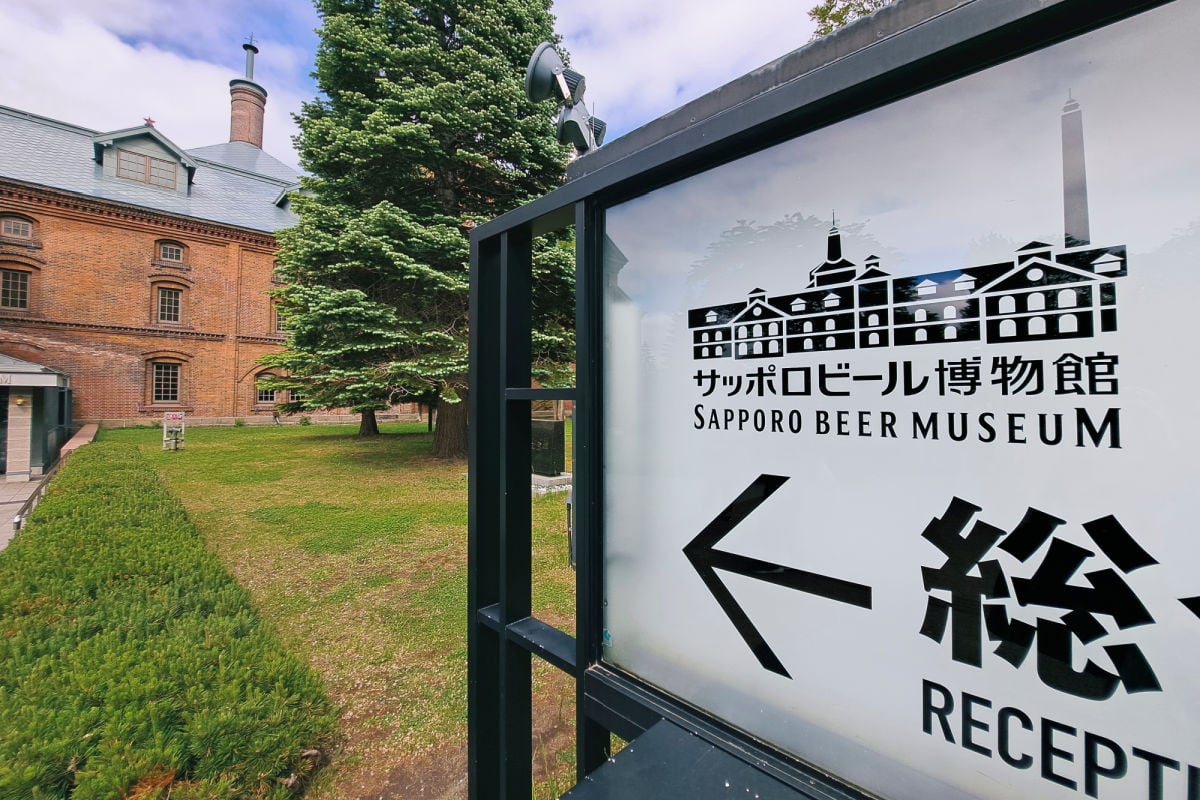
Sapporo Beer Museum
VTT Studio / Shutterstock.com

This is the birthplace of Sapporo Beer, after all, where travelers can visit the Sapporo Beer Museum, hit local beer halls, and toast to a totally different side of Japan that doesn’t require elbowing through Tokyo crowds.

San Francisco Hits Jackpot With Sapporo Flight

It makes sense San Fran would be the lucky winner for Sapporo’s first-ever U.S. flight, given the city is home to one of the few authentic Japantowns in America, along with fellow bayside neighbor San Jose.

Go ahead and take your summer vacay because this one is going to be more of a Christmas break getaway.

A United Airlines plane over a beautiful sunset

Slated to launch from San Francisco (SFO) on December 11, 2026, United will launch 3 times weekly winter seasonal service as a test run to Sapporo (CTS) with hopes to expand service if it proves popular.

Best of all, even if this is a one-and-done route, at least you did it in style. The flight will operate on a cushy Boeing 787-9 Dreamliner, my personal favorite.

How Safe Is Japan To Visit?

Well, we have good news and bad news.

Let’s start with the negative and work our way up, shall we?

Last fall, the U.S. Embassy issued what was perhaps one of its most bizarre travel alerts yet.
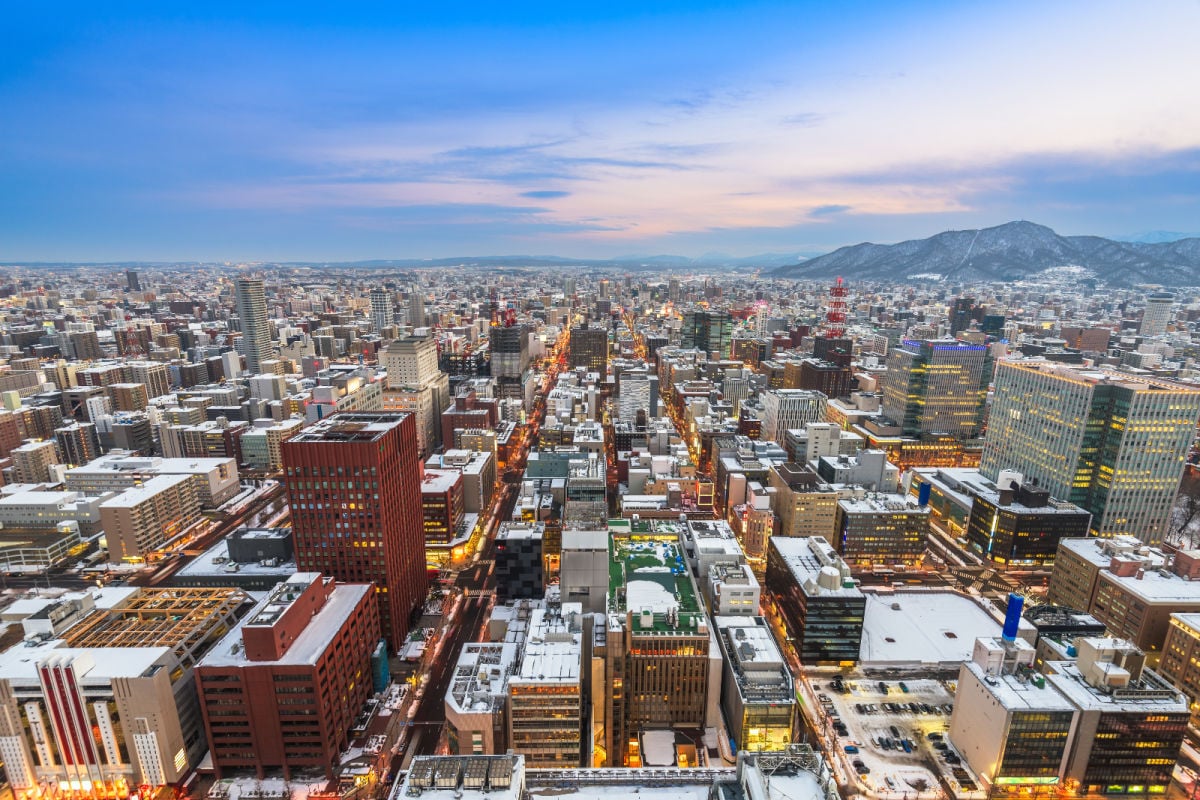
Aerial view of Sapporo, Japan skyline

Due to frequent bear sightings and attacks, authorities closed Maruyama Park in Sapporo and provided an additional warning, stating “bears have also been spotted in other residential areas in Hokkaido “.

Take that for what it’s worth, as it’s specific to Sapporo.

However, our Safety Index tool proves Japan as a whole couldn’t feel much safer, as travelers are currently scoring it with 88/100.

Piggybacking off both the alert and our real-time Safety Index score from fellow travelers, the U.S. State Department currently classifies Japan as “Level 1: Exercise Normal Precautions” — the lowest possible designation for travel advisories.


Source link

Leave a Reply

Subscribe to Our Newsletter

Get our latest articles delivered straight to your inbox. No spam, we promise.

Recent Reviews


There are places in the world where everything feels accounted for. The roads are smooth, the signs are clear, and the experience has been carefully arranged long before you arrive. Adventure exists, technically, but only within boundaries that make it predictable. Nothing unexpected happens. Nothing pushes back.

And then there are places that still feel wild.

Not reckless. Not uncomfortable. Just untamed enough that you feel like a guest rather than a consumer. Places where the land doesn’t bend to human schedules, where weather sets the tone for the day, and where nature isn’t something you observe from a distance — it’s something you move through, adapt to, and occasionally surrender to. Traveling somewhere that still feels wild changes you in quiet, persistent ways. It slows your thinking. Sharpens your senses. Reminds you how small you are — and how good that can feel.

Alaska is the clearest example we know. But the feeling itself, the pull toward the wild, extends far beyond one place on the map.

The Absence of Predictability Is the Point

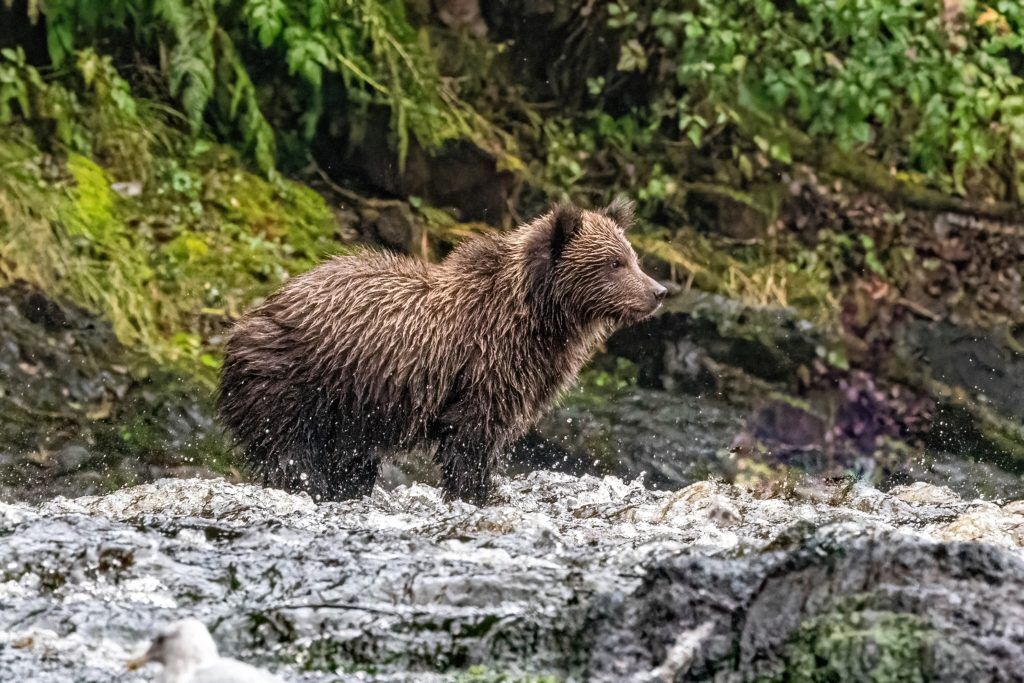
Baby bear Pavlovs Bay Alaska
Photo Credit: Jenn Coleman.

When you travel somewhere wild, certainty disappears almost immediately. Plans turn into loose outlines. Timelines soften. The assumption that you’re fully in control starts to fade — and that’s exactly where the experience opens up.

In Alaska, weather doesn’t politely cooperate. Flights wait. Boats adjust for tides. Trails change overnight. Wildlife appears on its own terms, not when you’re ready with a camera in hand. At first, this unsettles people. We’re trained to optimize travel, to squeeze value from every hour, to move efficiently from one highlight to the next.

Wild places resist that mindset. They force you to slow down and pay attention instead.

Instead of rushing, you find yourself watching clouds crawl across a mountain range or listening for the distant crack of shifting ice. You wait because someone has spotted a bear across the river, and suddenly waiting doesn’t feel like lost time — it feels like the entire point. In wild places, patience isn’t a virtue. It’s a requirement.

Nature Isn’t a Backdrop — It’s the Main Character

Endless Adventures Await-Moose - Alaska Glacier Lodge Palmer Alaska
Photo Credit: Jenn Coleman.

In many destinations, nature plays a supporting role. It’s something you admire between meals and museum visits, a scenic pause before moving on to the next activity.

In wild places, nature is the storyline.

In Alaska, the scale alone recalibrates your perspective. Mountains don’t rise politely in the distance; they loom. Glaciers don’t shimmer passively; they groan, fracture, and move. Rivers aren’t decorative — they’re powerful, cold, and very much alive. Wildlife isn’t something you visit. It’s something you encounter, often unexpectedly, and always on its own terms.

That reality changes how you move through the world. You speak more quietly. You scan the horizon. You learn to read the land not just for beauty, but for meaning — wind direction, cloud movement, water levels. You stop expecting nature to perform for you and start allowing it to lead.

Comfort Looks Different in the Wild

View from my room Homer Inn and Spa
Photo Credit: Jenn Coleman.

Traveling somewhere wild doesn’t mean giving up comfort, but it does redefine what comfort actually means. Luxury here isn’t about excess or polish. It’s about warmth after cold. Shelter after exposure. A solid meal after a long day outside.

Some of our most memorable places to stay in Alaska weren’t remarkable because of opulence, but because of where they were. Remote enough that silence felt complete. Close enough to the land that stepping outside meant being fully immersed — weather, wildlife, and all. Comfort in wild places is practical and intentional, and because of that, it feels deeply satisfying.

You notice and appreciate the basics more. Dry socks. Hot coffee. A sturdy roof during a storm. These aren’t assumed; they’re earned. And because you’re more present, they land differently. They feel grounding in a way that polished luxury sometimes doesn’t.

Your Senses Wake Up

Matanuska Glacier, Alaska
Photo Credit: Deposit Photos.

One of the quieter gifts of wild travel is how it reactivates your senses. In daily life, we filter relentlessly just to get through the day — noise, movement, light, information. Wild places strip that filter away.

You smell rain before it arrives. You hear ice shifting miles off. You notice how light changes minute by minute. In Alaska, even the air feels sharper, cleaner, alive. You become aware of your body in space — where you step, how fast you move, what’s happening around you.

This heightened awareness isn’t stressful. It’s calming. It pulls you into the present without effort or instruction. It’s mindfulness without the app, presence without performance.

You Remember What Adventure Actually Means

Hatcher Pass - Gold Cord Lake Trail Alaska
Photo Credit: Jenn Coleman.

Somewhere along the way, adventure became a marketing word. But real adventure, especially in wild places, isn’t about adrenaline or bragging rights. It’s about curiosity, humility, and uncertainty.

Adventure means not knowing exactly how the day will unfold. It means trusting guides and locals. It means adapting instead of controlling. In Alaska, that might look like hiking through mist, unsure if the clouds will lift. Kayaking through ice-dotted water where seals surface nearby. Boarding a small plane knowing weather could change everything.

And when things don’t go according to plan, that doesn’t diminish the experience — it becomes the story. Wild places remind you that the goal isn’t perfection. It’s participation.

Time Feels Different Out Here

Yllas Ski Resort Finland
Photo Credit: Jenn Coleman.

Wild destinations stretch time in ways that are hard to explain until you experience them. Days feel full without feeling rushed. Hours pass unnoticed when you’re fully engaged. Evenings arrive gently, not abruptly.

Without constant stimulation or packed schedules, your nervous system settles. You sleep more deeply. Wake earlier. Feel less urgency to check your phone. In Alaska, the light itself reshapes time, lingering late into the evening in summer, quietly reminding you that clocks are human inventions, not natural laws.

That shift doesn’t disappear when you leave. You return home more aware of how often urgency is manufactured — and more protective of your time because of it.

You Feel Like You’ve Earned the Experience

Kayaking Glacier Bay Alaska
Photo Credit: Jenn Coleman.

There’s a quiet satisfaction that comes from traveling somewhere that isn’t effortless. Wild places often require extra steps — small planes, ferries, long drives, patience. But effort creates investment.

When you arrive, you don’t feel like you stumbled into the experience. You chose it. And that choice creates respect — for the land, for the people who live there, and for the experience itself. In Alaska, simply reaching some destinations comes with stories before the stay even begins.

Wild travel doesn’t hand itself to you. It asks something in return.

Why We’re Drawn to the Wild Now More Than Ever

Waterfall Cove Alaska
Photo Credit: Jenn Coleman.

The pull toward wild places isn’t accidental. After years of constant connectivity, crowded destinations, and carefully curated experiences, many travelers are craving something real. Something grounding. Something that doesn’t ask them to perform.

Wild places offer perspective. They remind us that the world is bigger than our inboxes, that discomfort isn’t dangerous, and that awe still exists — no explanation required. Alaska sits at the heart of this longing, but it isn’t alone. You feel it in remote coastlines, high deserts, northern forests, and far-flung mountain towns around the world.

What unites them isn’t geography. It’s restraint. These places haven’t been overly softened or simplified. They still ask you to meet them where they are.

What You Take Home From a Wild Place

Hikers hiking, enjoying the view of Famous Patagonia Mount Fitz
Photo Credit: Deposit Photos.

You don’t return with just photos. You come back quieter, more observant, and more comfortable with uncertainty. You gain a clearer sense of what you actually need — and what you don’t.

Traveling somewhere that still feels wild recalibrates your sense of scale and self. It reminds you that not everything needs improvement, explanation, or monetization. Some things are powerful simply because they exist.

And once you’ve felt that — once you’ve stood somewhere that didn’t care whether you were there or not — it changes how you travel going forward. You start seeking places that ask something of you. Places that feel alive. Places that leave room for surprise.

Because wildness, in the end, isn’t something you conquer.

It’s something you experience — and carry with you long after you’ve left.

Hi! We are Jenn and Ed Coleman aka Coleman Concierge. In a nutshell, we are a Huntsville-based Gen X couple sharing our stories of amazing adventures through activity-driven transformational and experiential travel.


Source link