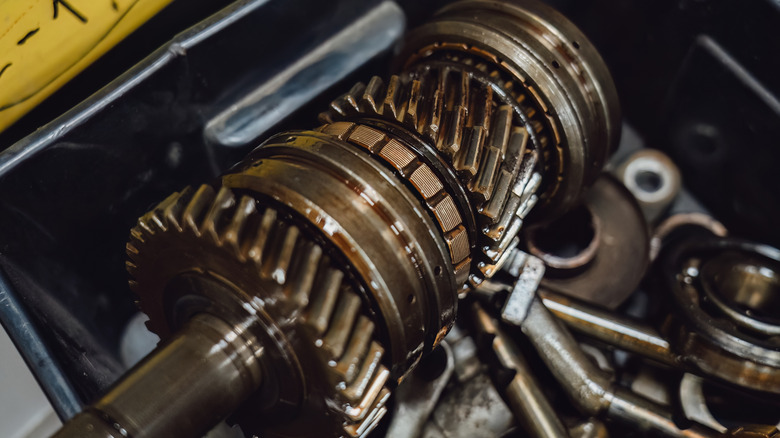

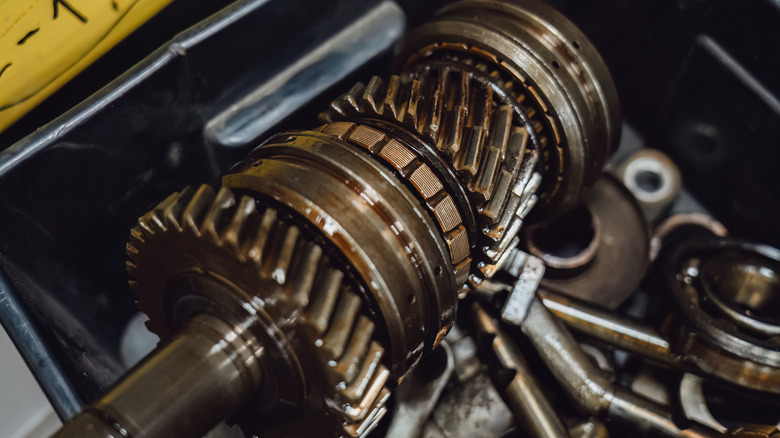
One of the cornerstones of the automotive enthusiast community today is a true manual transmission. Several types exist, ranging from traditional manuals to computerized DCTs that function as de facto automatics. What we’re discussing here is the former, either a classic manual transmission with a third pedal or an automated manual transmission with a computerized clutch. These transmissions are well-regarded for their simplicity and ruggedness, finding use in everything from sports cars to big rigs. But let’s suppose you’ve bought a used, high-mileage example; how much life is left in the transmission?
Generally, more than you’d expect. The average life expectancy for your typical passenger car manual transmission (not counting the clutch or transmission fluid, for instance) is commonly held to be around 150,000 to 200,000 miles. This translates to a real-world lifespan of around a decade of daily driving before anything major might happen, assuming it’s maintained well.
Proper maintenance applies to all transmissions, of course; it goes without saying that following the recommended service interval of any transmission will extend its lifespan. However, the driver’s involvement in gear shifts on a manual gearbox means that there’s more variability than simply keeping on top of fluid changes. Driving habits also play a crucial role in extending transmission life. Let’s dive in and discuss how to maintain and treat these transmissions, and what symptoms might present if one is about to fail.
How to prolong the life of your manual transmission
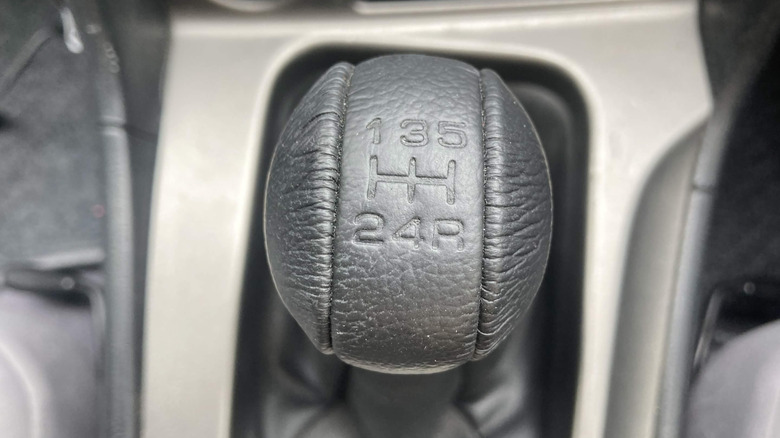
Manual transmissions have a reliability advantage over automated transmissions, and that’s just pure arithmetic. There are no computers, solenoids, or hydraulic systems required to change gears. The car doesn’t have to “think” about what gear to be in; that’s your job as the driver. Their inherent simplicity can work to your benefit, provided you don’t regularly strain the transmission components. Therein lies the problem, though, as driver error can shorten a transmission’s lifespan.
To illustrate driver error more clearly, let’s discuss how a transmission synchronizer works. A manual transmission contains two shafts: an input and an output shaft. Those shafts will spin at different speeds depending on what gear you select, and the synchronizers will synchronize one shaft with the other. In older vehicles, these synchronizers can be made of soft metals like brass. If you shift harshly and put a lot of stress on delicate components like these, your transmission could eventually stop shifting properly and need a rebuild.
The occasional stall or mis-shift, however, generally won’t damage your transmission unless you do it constantly. Beyond that, smooth shifting and not abusing your components is key. Basic practices like not riding the clutch pedal when driving, not forcing your car into gear, and shifting into neutral during extended stops help extend your transmission’s life. Moreover, all transmissions have a specific torque rating, and staying away from that limit helps keep the strain to a minimum.
Signs that your transmission is reaching the end of its service life

Suppose you just bought a high-mileage used manual car. and don’t have an idea of how the car felt when it was new. Do you have to worry about the transmission failing? Generally, no, or at least it’d be pretty obvious if it were. Transmissions are mechanical devices that feature several gears constantly spinning and meshing, which can be both a good and bad thing in this case. The good news is that problems very rarely appear suddenly, and your transmission will tell you if something’s going wrong.
There are several common manual transmission problems, each with its own implications. A slipping or rough-feeling clutch might only require a replacement clutch and not indicate a problem with the transmission itself. Strange noises or difficulty shifting may be due to old transmission fluid. Your car may get stuck in gear or suddenly jump out of a gear, the latter of which is usually a sign of worn-out synchros. These issues don’t necessarily require a rebuild, and you may only need new fluid. And yes, manual transmission fluid does, in fact, have regular service intervals.
Like anything with frequent metal-on-metal contact, however, symptoms such as heat buildup, spontaneous malfunctions, and metal flakes in the fluid indicate serious problems. If these do show up, though, then it’s time to visit the shop and take a closer look.

Stephan is the sports journalist for the Maple Grove Report.