


We don’t typically think about it much when driving, largely owing to its convenience in automation, but an automatic transmission is a highly complex device requiring specialized maintenance if it breaks. Of course, like any other intricate piece of hardware, they will break eventually, though it may not be until much of the rest of the car is replaced. With proper maintenance, automatic transmissions can last well into the six-figure mileage mark without major servicing, on average around 150,000 to 200,000 miles, according to transmission specialists.
Of course, that’s just an average — three major factors influence whether that life can be prolonged or cut in half. First, is the type of automatic transmission. By far, the most common is the traditional planetary gear-driven automatic transmission. CVTs, on the other hand, last maybe half as long as a normal automatic, and that’s accounting for its more frequent fluid changes (about 30,000 to 40,000 miles, as opposed to an auto’s 60,000-plus interval). That leads us into the second factor: a well-maintained transmission is a more durable transmission, regardless of type. The final influence isn’t the transmission itself, but rather the driver.
Unlike manual transmissions — which actually have similar average lifespans — automatics are less involved and easier to miss if you don’t adhere to the schedule, so if in doubt, always follow the owner’s manual. So, here’s why and how automatic transmissions fail, and some tips on how to keep yours running well.
How automatic transmissions fail
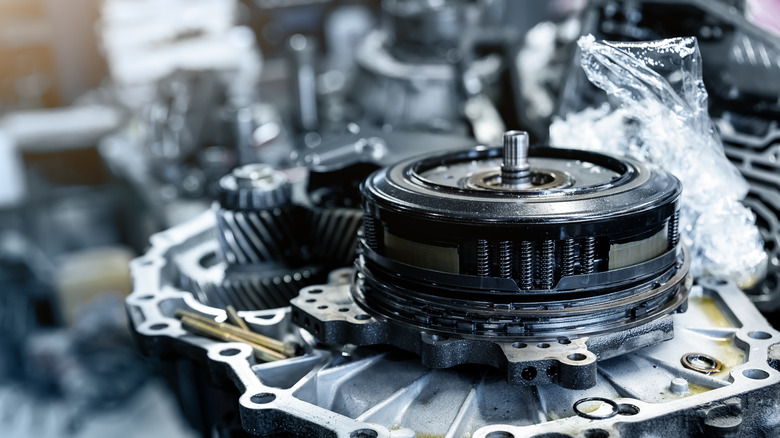
Automatic transmissions typically wear out due to negligence, improper or harsh usage, or by being a more fragile and maintenance-heavy type. The last point pertains to several types of automatics ranging from CVTs to DCTs, or dual-clutch transmissions. The more traditional automatic uses a torque converter and flexplate rather than a clutch and flywheel on a manual, with the gears arranged in a regular planetary configuration — these are the “slushboxes” you find in most auto cars with traditional gears.
These gears aren’t invincible — mechanical stress adds up every time they’re engaged, punctuated by factors like using the wrong transmission fluid, not changing the fluid on-time, or driving at or over your vehicle’s tow rating frequently, which puts more torque through the system. This leads to a buildup in heat and wear as metal contacts metal and fluid doesn’t cycle properly, leading to some telltale symptoms.
There are numerous signs that your transmission is failing, albeit some are more vague than others. More specific examples include leaking transmission fluid, grinding or loud noises coming from where the transmission is located, or the gearbox acting strangely — popping out of gears at inappropriate times, being in the wrong gear, losing the ability to shift into a specific gear, and so on. Unlike manual transmissions, which offer a direct linkage to the gearbox, automatics are typically operated by your car’s computer, so you’ll sometimes find a check-engine light with error codes linking to the transmission as well. Ignoring one or multiple of these signs is an excellent way to shorten your automatic’s life expectancy.
How to prolong your automatic transmission’s lifespan
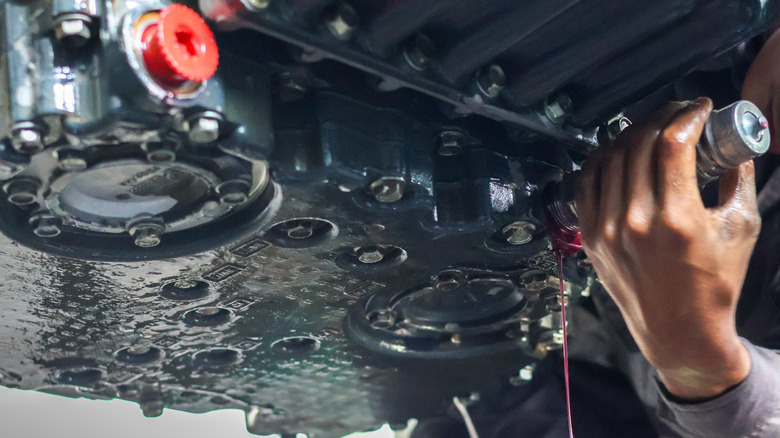
The single most important tip is to do the maintenance. Your car’s owner’s manual will list whatever automatic transmission fluid it needs and how often to change it. The interval is typically far longer than doing your own oil change, but it shouldn’t be ignored outright. Some manufacturers promise “lifetime” fluid, even going so far as to seal the casing. But a good indicator that the car is reaching its end of life is when the transmission sounds like it’s about to fall out.
Likewise, every transmission is rated for a certain amount of torque, ranging from several hundred to several thousand lb/ft in industrial applications. Whatever the case may be, your vehicle’s tow rating typically reflects this — the more you tow, the more torque is required to actually pull the weight along. More torque means more strain. Some manufacturers label this as “severe” driving conditions, necessitating more frequent maintenance to keep up with demand.
There are other more specialized tips for prolonging your automatic as well. For instance, always engage the parking brake (or emergency brake) when parking. Always come to a full stop before changing into reverse, park, or drive. Warm up your car before running the transmission hard. Lastly, don’t forget about maintenance to the transmission cooler. These all help reduce the strain you put on the complex working parts in an automatic, increasing its longevity with proper preventative maintenance.

Stephan is the sports journalist for the Maple Grove Report.