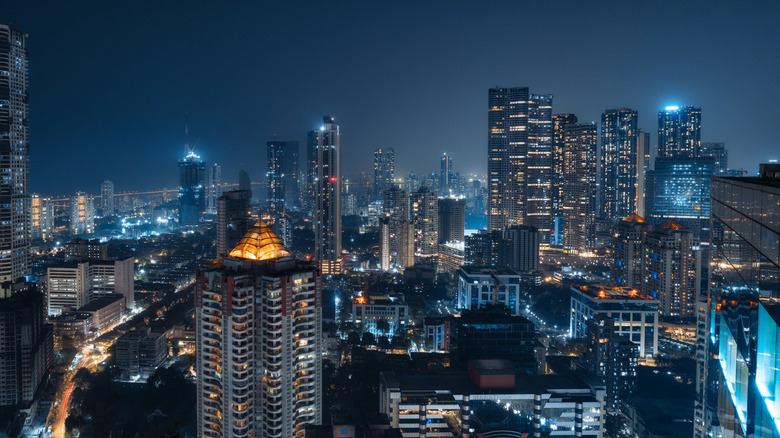

When one thinks of development, many people think about higher skyscrapers or fancy new electric cars. But in support of Sweden’s sustainability goals, Stockholm has made a more holistic bid in a greener future by testing lighting that supports urban biodiversity in its Årstskogen nature reserve. Science Direct notes the artificial light can affect nocturnal animals like bats and their flight paths in the short term.
While there are many handy uses for smart sensors in modern homes, Stockholm’s Årstskogen nature reserve area takes it to the next level. In tandem with the Environmental Administration, the nature reserve partnered with OrangeTek to conduct an experiment using its CitiSun Dual Color LED lights that uses monochromatic amber, which doesn’t have blue light, and warm LED lights between 2200K to 3000K. Starting in 2022, they tested the method of lighting in two areas: one area turned off the 2200K / 3000K lights based on timing, while the other used sensors to trigger the warm light on.
As of May 2026, OrangeTek has not revealed its official findings, so its efficacy and recommendations are still up for debate. However, Stockholm isn’t the only city to play with how light can impact both road use and living beings.
How other cities are using light for road innovation
Designed by Studio Roosegaarde, the Netherlands built a “Blade Runner” inspired 500-meter smart highway experience with a trio of neon green strips that momentarily transports you into a sci-fi movie. It also constructed a glow in the dark road for cyclists in the 2010’s. Although, the latter was positioned as more of an aesthetic choice than a simply altruistic one, since it references Van Gogh’s Starry Night heavily.
In 2024, the Malaysian government also halted its expansion plans for glow in the dark road markings. While there was promising feedback regarding its impact on road visibility, the improvement in road safety wasn’t believed to be significant enough to warrant the cost difference for decision makers. Unlike its Europe-based counterparts, the Southeast Asian country’s attempt at road innovation encountered the unique issue of humid weather, which contributed to its overall maintenance costs. Their experiment opened up a broader discussion of the importance of localization when it comes to designing emerging road lighting solutions.
While some projects focused primarily on road safety and cost savings, several European cities like Metz, Worcestershire, and Gladsaxe, have implemented red streetlights specifically with local wildlife in mind. In an effort to help create better harmony with the ecosystem, the cities ditched artificial white lights to help reduce overall disruption to bats. However, these changes don’t come without consequences, as citizens of cities like Odense have mentioned it comes with an unexpected side effect of looking “creepy.”
How light pollution affects humans
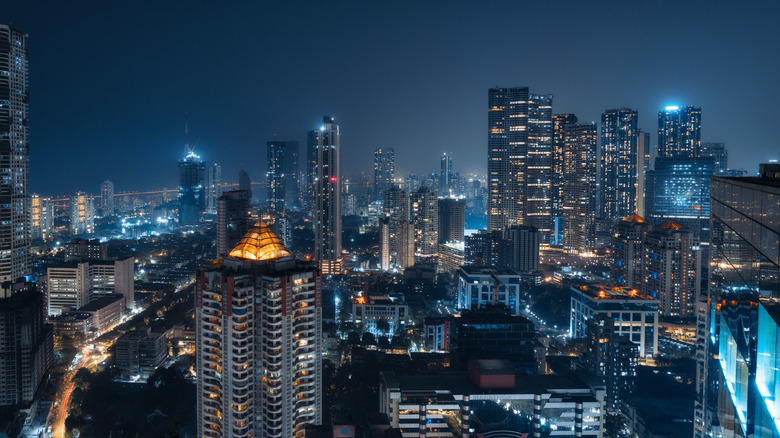
In a way, recent experiments with streetlights can signal a broader shift towards using light in urban settings to support human circadian rhythms as well. After all, people are part of the ecosystem as much as insects, birds, and bats. In 2026, a Harvard study revealed that modern LED streetlights with blue-wavelength lights contribute heavily to circadian rhythm issues, which in turn can lead to health problems that range from mental health issues to different types of cancer. Although, it’s important to take these studies with a grain of salt, since urban areas with high light pollution also tend to have tons of other possible carcinogens and factors that can impact overall health.
Apart from streetlights, everyday tech gadgets with blue light have also been shown to increase the rate of blindness in people. In particular, we’ve mentioned before that people with immune issues or those advanced in age tend to be most at risk. Because of this, many device manufacturers have added options for anti-blue light settings and filters. While the benefits of blue light blocking glasses are still up for debate, there plenty of habits that you can practice to protect your eyes, especially for people who can’t escape screen time for their daily activities. This includes changing settings like using night mode or dark mode, to applying artificial tears, investing in a humidifier, or even just taking breaks.

Stephan is the sports journalist for the Maple Grove Report.