Big users seek cleaner, cheaper energy despite shifting policy


America’s industrial future is taking shape just across the state line from Ortonville, Minnesota.

California-based Antora is commissioning one of the world’s largest battery energy storage projects next to an ethanol refinery operated by POET, the planet’s biggest biofuels producer, near Big Stone City, South Dakota.

Unlike the electrochemical batteries that support small electronics, electric vehicles and the power grid itself, Antora’s thermal battery technology converts electricity to heat and stores it in carbon blocks that remain stable at temperatures four or five times higher than a pizza oven and nearly twice as hot as a cement kiln, one of the toastiest industrial environments around. That’s plenty hot for ethanol plants’ industrial-scale dryers, which run at a few hundred degrees Fahrenheit.

Less than a year ago, the site was an empty lot. Last week, the system’s more than 200 batteries were “turning on, row by row,” said Antora cofounder and chief operating officer Justin Briggs.

The company’s batteries will closely tie POET’s plant to nearby wind farms and reduce its reliance on the aging, increasingly expensive coal-fired power plant that now supplies its steam alongside an onsite natural gas boiler. They’ll also allow POET to scale up production and inject tens of millions of additional dollars into the regional economy primarily through payments to corn growers, according to Noah Long, Antora’s director for state and regulatory affairs. (POET did not respond to requests for comment for this story.)

In 2024, former President Joe Biden’s Department of Energy gave Antora $14.5 million to expand production of a technology it said “turns low-cost renewable energy into reliable, on-demand heat and power” for industrial plants.

“President Biden is helping to scale up the next generation of clean energy solutions that will advance the nation even further toward our net-zero goals,” then Energy Secretary Jennifer Granholm said at the time. 

Those goals are gone under President Donald Trump and current Energy Secretary Chris Wright, a former fracking executive fond of sharing misinformation about renewable energy, fossil fuels and the costs of climate change. But in the Upper Midwest and elsewhere, there’s still plenty of interest in boosting industrial efficiency among plant owners, utilities, and state officials — in part because some projects create value well beyond the plant fenceline. 

In July, for example, South Dakota utility regulators approved a special rate structure for the Big Stone City batteries to cheaply soak up excess wind power that would likely go to waste otherwise due to lack of demand or available transmission capacity. The tariff, as it’s known in the industry, is backed by a 20-year electric service agreement that includes “protections for other customers.”

“It’s a win for all ratepayers if we can use that wind effectively,” Francesco Aimone, industrial electrification fellow at the Center for Climate and Energy Solutions, told MinnPost.

The tariff is not a sweetheart deal for a big new electricity customer. It’s recognition that “we are a very unique energy customer on the grid [and] what we need is different from what other customers need,” Long said.

Antora’s batteries can store and discharge power over long periods of time, which “allows us to be very selective as to when to charge and when not to charge,” Long added. “So we can be really sure that we’re using the least valuable hours on the grid.”

The system can also respond quickly if grid conditions change, Briggs said. The blocks charge off resistive heating elements — “like your toaster” — that heat up and cool down with little preamble.

Still, innovative industrial efficiency projects, and particularly first-of-a-kind partnerships like Antora and POET’s, often require favorable public policy, regulation and economics to get off the ground. Those that don’t — too many to count — can blame some combination of high upfront costs, the “spark gap” between the price of electricity and natural gas, regulatory uncertainty, inadequate public policy, and the uncomfortable (and unquantifiable) truth that sticking with a ‘good enough’ status quo is easier than going out on a limb.

Industrial energy efficiency’s quiet star of the show: MVR

Minnesota has more than 8,500 manufacturers employing around 323,000 workers, but the sector’s environmental impact is top-heavy, according to a February report prepared by 5 Lakes Energy, a Michigan clean energy consultancy.

Just 37 facilities emit 87% of Minnesota’s industrial greenhouse gas pollution, according to the 5 Lakes report. Flint Hills Resources’ Pine Bend petroleum refinery is the runaway leader, followed by U.S. Steel’s Minntac mine and ore processing plant, two northern Minnesota paper mills, another petroleum refinery, some beet sugar plants and more taconite facilities. Several biofuels plants make the top 50.

These are big, complex facilities are challenging to retrofit without significant policy support, Elizabeth Boatman, the lead consultant on 5 Lakes’ industrial decarbonization team.

On paper, it’s easier for smaller or simpler facilities to make improvements that reduce emissions, Boatman said. But the numbers need to make sense and the tradeoffs need to be manageable. They’re often skeptical of investments that take longer than a few years to pay back and reluctant to shut down production lines unless they have redundant capacity elsewhere. It can be less intrusive — and still fruitful — to make upgrades that don’t affect core production processes, like electrifying space heating, Boatman said.

“Smaller facilities function differently from an economic perspective,” she said. “It’s a difference between being able to shut down for a few days or not.”

For production itself, the most appealing investments are those that make existing processes more efficient. 

5 Lakes Energy estimates that at any given moment, Minnesota factories consume about 4.3 gigawatts of low- and medium-temperature heat energy — a couple large nuclear reactors’ worth. According to Aimone, much of that heat can be captured, upgraded and reused with existing, relatively low-cost technology that can dramatically improve process efficiency and reduce operating costs.

“The cheapest heat is the heat you already have,” Aimone said.

One quiet star of the show is mechanical vapor recompression, a technology that compresses and reheats waste vapor — often steam — and feeds the heat back into the main process. It’s perfectly suited for energy-intensive processes with high steam demand, such as grain drying, ethanol distillation and chemical synthesis, according to Ruth Checknoff, a senior director with the Renewable Thermal Collaborative.

“It’s notable how many MVR systems are already in use in the United States,” Checknoff said.

Tara Schuelke, a director with Hilmar, said on a March webinar hosted by RTC that adding an MVR system at her company’s California dairy would cut its natural gas use by more than 1 million therms per year — roughly the annual consumption of 1,000 Minnesota homes.

Aemetis, a publicly traded biofuels company, is also adding an MVR — also in California — that will be powered in part by an on-site solar array. On an earnings call earlier this month, chairman and CEO Eric McAfee said the combination of reduced natural gas consumption and increased earnings from state and federal incentives for low-carbon fuels will boost Aemetis’s annual cash flow by about $32 million.

Even promising opportunities hinge on policy and permitting 

It’s no accident that these investments are happening in California, home to some of the world’s most ambitious decarbonization policies. 

Among them is a stringent low-carbon fuel standard that rewards environmentally-friendly biofuels producers. That standard is directly relevant to companies like POET, which will likely see a significant drop in carbon intensity at its Big Stone City refinery from Antora’s thermal battery system.

Adding an MVR can reduce ethanol refineries’ carbon intensity by “six to 13 points” while cutting total plant energy consumption by 50%, according to a 2024 presentation from Energy Integration, Inc., a Colorado-based firm that designs energy recovery systems for biofuels producers. 

Plants with MVRs also use significantly less water for cooling, a plus for host communities that draw drinking water from the same sources, Bill Schafer, EII’s CEO, told MinnPost.

But those clear-cut benefits aren’t always enough to get projects over the finish line. 

EII’s presentation called out what at the time appeared to be a promising MVR opportunity at a western Minnesota ethanol plant owned by Granite Falls Energy. The company, which also owns an ethanol plant near Heron Lake, Minnesota, and did not respond to a request for comment for this story, got a $1 million grant from the United States Department of Agriculture to install an MVR that would help it boost ethanol production by up to 8.3 million gallons, reduce electricity consumption by the equivalent of nearly 60 homes each year and save almost $30 million per year, according to EII.

“Both of those plants are fantastic candidates for MVR technology,” Schafer said. “Our design [for GFE] drastically reduced the amount of natural gas they would consume.”

Those savings would have come from reduced operation of the facility’s steam boiler. Ironically, that would have put GFE out of compliance with a preexisting state air permit that required it to run the boiler enough to destroy a minimum amount of volatile organic compounds created by the facility’s drying process. Installing the MVR would have meant seeking a new permit for the boiler, “and that was scary for them,” Schafer said. 

“The biggest challenge I hear from people in Minnesota is it’s very difficult to work with state permitting,” he said.

It’s not the only one. For Minnesota manufacturers looking beyond waste heat recovery toward electrifying higher-temperature processes, affordable natural gas — which is cheaper in gas-rich North America than in most other parts of the world — is the most widespread sticking point, said Brandon Isakson, managing director for industry at Fresh Energy.

“The ‘spark gap’ is our biggest challenge for sure,” Isakson said in an interview, using the industry term for the price difference for equivalent units of electricity and gas.

The spark gap varies from state to state, but Aimone said it’s about 4 to 1 in Minnesota. Isakson said the gap could be even wider for big industrial customers that buy discounted gas directly from pipeline companies, rather than the local retail distribution utilities that serve residential and smaller commercial customers. According to the U.S. Energy Information Administration, pipeline companies delivered about 51% of industrial gas purchases in 2018, the most recent data year.

Utilities play important role in industrial energy saving projects

Isakson said he’s heard more talk of hedging gas-price volatility since the late-February outbreak of hostilities in the Middle East, along with tentative signs that some industrial companies are rethinking what it means to depend on out-of-state or out-of-country fuel supplies. In the longer run, many commodity experts expect U.S. natural gas prices to reset higher as large-scale data centers compete with existing industrial customers for pipeline gas and more liquified natural gas export terminals come online on the Gulf Coast.

“The most forward-looking companies will project [those trends] far enough out” and may conclude that it makes sense to shift off gas over time, Isakson said. 

But with the math unlikely to shift dramatically against natural gas anytime soon, individual industrial firms’ investment decisions remain dependent on utility programs, state regulation, and public policy decisions made in St. Paul and Washington. For serious industrial facilities like POET’s Big Stone City refinery, special utility tariffs like the one South Dakota regulators approved last year will be critical — perhaps along with other regulatory changes proponents say would more accurately reflect thermal batteries’ value for the electric grid.

Minnesota utilities contacted by MinnPost say they’re broadly on board with the idea of industrial efficiency and beneficial electrification. Many, including gas-only utilities like CenterPoint Energy’s Minnesota subsidiary, work closely with individual industrial customers to develop customized programs. 

A spokesperson for Xcel Energy, Minnesota’s largest investor-owned utility, told MinnPost the company’s energy efficiency rebates for large commercial and industrial customers helped save more than 300,000 dekatherms of natural gas in 2025 — about 3,000 Minnesota homes’ worth.

For CenterPoint, a relatively new Minnesota law known as the Natural Gas Innovation Act gives it more flexibility to help customers achieve more ambitious goals, Emma Ingebretsen, CenterPoint’s manager for decarbonization projects, said in an interview. 

“[This is] a new regulatory mechanism that allows us to help customers with decarbonization opportunities above and beyond what we’re able to do with traditional energy efficiency programs,” she said.

Minnesota utilities aren’t simply copy-pasting each other’s strategies, however.

Otter Tail Power, the Fergus Falls-based utility that serves POET’s Big Stone City refinery and more than 100,000 other customers in western Minnesota and the eastern Dakotas, proactively sought and received approval for thermal energy storage tariffs in Minnesota and North Dakota despite having no active projects in those states, spokesperson Stephanie Hoff told MinnPost. 

Xcel Energy, Minnesota’s largest investor-owned utility, appears more hesitant. When the Minnesota Public Utilities Commission asked stakeholders to weigh in on whether it should order Xcel to propose its own thermal battery tariff, Xcel said such a broad framework is not yet warranted for what it called an “emerging technology.” Otter Tail developed its own tariff for a single customer — POET’s Big Stone facility — with “a site-specific reliability issue” caused by an increasingly unreliable steam supplier in the coal plant next door, Xcel said. 

(Asked whether the setup at Big Stone could translate to other ethanol plants, Antora’s Briggs said it could — and to other industrial facilities, like pulp and paper, chemicals and data centers. “This was not sort of a unique situation…it comes down to the product that we’re offering: reliable energy around the clock,” he said.)

The idea of a broad thermal battery tariff has unusually wide support, however, from consumer advocates, environmental groups and industrial companies, all of which filed briefs pushing for Xcel to propose one.

“There’s not many times those three groups are on the same side of the issue,” Sydnie Lieb, a deputy commissioner with the Minnesota Department of Commerce, told MinnPost in an interview. 

Lieb’s department is among those arguing for the Xcel tariff, in part because thermal batteries that soak up excess renewable energy are “a unique opportunity for improved grid utilization, which is better for ratepayers,” Lieb said. The commission could decide on the Xcel thermal battery tariff question this summer, she added.

Whether that decision changes the math for any of Xcel’s industrial customers is a question for another day.

Editor’s note: This story is the first in a four-part series on clean energy innovations within Minnesota’s industrial sector. The series is underwritten by Fresh Energy, which like all MinnPost funders does not weigh in on editorial decisions.


Source link

Leave a Reply

Subscribe to Our Newsletter

Get our latest articles delivered straight to your inbox. No spam, we promise.

Recent Reviews


County Donegal offers an extraordinary range of accommodations perfectly positioned along the Wild Atlantic Way, from seaside spas and beachfront retreats to restored castles, Georgian country houses, golf resorts, and bustling town hotels. These curated selections cater to mature travelers seeking everything from wellness escapes and golf getaways to family adventures and romantic hideaways amid dramatic cliffs, golden beaches, and Gaelic culture. Each property blends authentic hospitality with prime locations for exploring Donegal’s rugged coastal beauty.

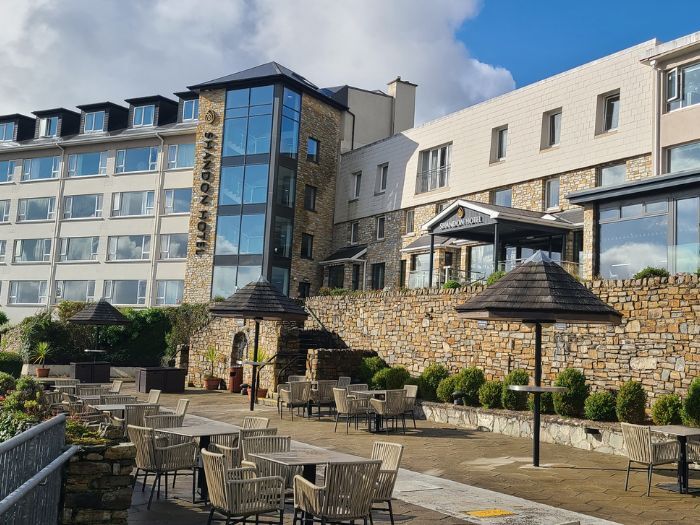
Shandon Hotel & Spa, Portnablagh

Shandon Hotel & Spa - County Donegal
Photo Credit: Margarita Ibbott.

The Shandon Hotel & Spa sits above Sheephaven Bay in Portnablagh, within easy reach of Marble Hill Strand, Dunfanaghy, and Horn Head along Donegal’s Wild Atlantic Way. Superior sea-view rooms are spacious and contemporary, with large windows framing the bay, king beds, robes, and practical touches like tea-and-coffee stations and reliable Wi-Fi that suit longer wellness-focused stays.

Guests come for the wellness offerings: a Nordic spa with an outdoor hot tub, cold plunge, thermal experiences, and signature treatments such as the Shandon Goddess Sculpt, plus an indoor pool and 24-hour gym. Dining spans from casual to refined at Beats Bar, Jonjo’s Bar, and Marbles Restaurant, all taking advantage of the coastal panoramic views for leisurely breakfasts, sunset drinks, and evening meals. Read my Hotel-Scoop Hotel review of the Shandon Hotel & Spa.
📍 View on Booking.com: Shandon Hotel & Spa

Arnold’s Hotel, Dunfanaghy

Arnold's Hotel - Bar
Photo Credit: Margarita Ibbott.

Arnold’s Hotel anchors the main street of Dunfanaghy, a lively seaside village overlooking Sheephaven Bay, minutes from Dunfanaghy Beach and the dramatic Horn Head drive. A member of the prestigious Original Irish Hotels, this long-running, family-owned property works well as a base for exploring Ards Forest Park, Doe Castle, and nearby golf while offering village pubs, cafés, and shops on the doorstep.

Rooms range from traditional to updated, many with bay or village views, and prioritize comfort and practicality for walkers, golfers, and road-trippers spending most of the day outdoors. A proud member of the Donegal Food Coast Initiative, the restaurant and bar showcase local produce and seafood, offering guests a convivial spot to end the day with an enjoyable meal without leaving the hotel.

📍View on Booking.com: Arnolds Hotel

Sandhouse Hotel & Marine Therapies, Rossnowlagh

Sandhouse Hotel & Marine Therapies
Photo Credit: Paul Ibbott.

The Sandhouse Hotel occupies a frontline position on Rossnowlagh’s Blue Flag beach between Ballyshannon and Donegal Town, placing surfers, walkers, and scenic-drive fans directly on the Wild Atlantic Way. Its setting offers uninterrupted Atlantic views and easy access to south Donegal highlights, Slieve League, and Donegal Town’s heritage sites.

Sea-view rooms lean into classic country-house character, spacious rooms, antique-style furnishings, and big windows that pull in Donegal Bay and the sound of the surf. The on-site Marine Therapies spa specializes in Atlantic seaweed baths and marine-based treatments, complemented by fireside lounges and coastal dining in the Glasshouse Restaurant, Durnish Bar, and the seasonal Surfers Bar right by the shore. Read a full hotel review by Margarita Ibbott on Hotel-Scoop – Sandhouse Hotel and Therapies
📍 View on Booking.com: Sandhouse Hotel

Lough Eske Castle, Lough Eske

Lough Eske Castle
Photo Credit: Margarita Ibbott.

Lough Eske Castle, This award-winning hotel and spa resort, occupies 43 acres of woodland on the shores of Lough Eske, approximately 5 km from Donegal Town at the foot of the Blue Stack Mountains. There is a variety of accommodation options: Courtyard Rooms, Garden Suites, and the classic sumptuous luxury of the Castle Suites. The grounds are the perfect place for a walk through the garden, soaking in the outdoor hot tub, swimming in the indoor pool, or exploring the property on the complimentary bikes.

Inside, guests find spacious, traditionally styled rooms and suites with modern comforts, as well as CARA Organic Beauty Spa, which offers massages and body treatments suited to longer, indulgent stays. Multiple dining options—from fine dining to more relaxed bar menus—make it a self-contained retreat for couples and special-occasion trips.

📍View on Booking.com: Lough Eske Castle

Harvey’s Point Lakeside Resort, Lake Eske

Harvey's Point
Photo Credit: Keryn Means via Twist Travel Magazine.

Harvey’s Point sits on the shores of Lough Eske, 11 miles (about eight kilometres) outside Donegal Town, surrounded by the Ardnamona Woods and framed by the Blue Stack Mountains along a quiet lakeside road. Originally a 19th-century cottage purchased from the Harvey brothers, the resort retains its traditional manor feel with modern amenities. The 64 spacious rooms boast views of the lake or mountains, with marble bathrooms featuring large soaker tubs or showers. For those looking for a more economical option or traveling with friends, a room at The Lodge is perfect for individuals or groups, with 13 rooms reminiscent of a cruise ship cabin and all the amenities offered to resort guests.

Lakeside Restaurant serves fine dining with panoramic lake views, while Harvey’s Bar & Terrace offers casual all-day fare, or guests can enjoy Irish whiskeys, inventive craft cocktails, and local beers in its sophisticated Octagonal Bar. Guests can partake in lakeside hikes, the private gardens on the grounds, or take a ‘painting break’ with local art teacher Conal McIntyre. EV charging stations and complimentary parking are available on-site, and nearby are bicycles, hiking, and fishing activities.

📍View on Booking.com: Harvey’s Point

Rockhill House Estate

Rockhill House Estate
Photo Credit: TBEX Events Team.

Rockhill House Estate spans 100 acres of woodland and meadows on Donegal’s hills, 30 minutes from Derry and Glenveagh National Park, providing total seclusion amid the Donegal Gaeltacht. This historic family sanctuary serves as a gateway to the Wild Atlantic Way and Causeway Coastal Route.

The estate offers 19 main-house bedrooms and 8 Coach House suites, The Wellhouse Spa, hawk walks, bee safaris, and The Church restaurant for immersive luxury escapes. Guests seeking elegant country house charm, wellness treatments, and unique estate activities find perfect refuge here.

📍 View on Booking.com: Rockhill House Estate

Rosapenna Hotel & Golf Resort, Downings

Rosapenna - Sandy Hills Links
Photo Credit: Rosapena Golf Resort.

Rosapenna Hotel & Golf Resort commands a clifftop position on Sheephaven Bay’s dunes near Downings, established as one of Ireland’s premier golf destinations along the Wild Atlantic Way. Its beachfront setting offers dramatic coastal vistas and easy access to north Donegal’s scenic drives.

Rosapenna is the proud home to three championship links courses: Sandy Hills Links, the iconic Old Tom Morris Links, and the newest course – St. Patrick’s Links. This golf resort delivers beachfront rooms, a full spa, whirlpool, steamroom, sauna, an indoor heated pool, and bay-view dining for golfers and luxury seekers. Active couples and championship players appreciate the exceptional golf calibre combined with seaside relaxation.

📍 View on Booking.com: Rosapenna Golf Resort

Redcastle Oceanfront Golf & Spa Hotel, Inishowen

Redcastle Hotel & Spa
Photo Credit: Redcastle Hotel & Spa.

Redcastle Oceanfront Golf & Spa Hotel. This luxury property is perched on the shores of Lough Foyle at the edge of the rugged Inishowen Peninsula, north of Moville and close to Malin Head- Ireland’s northernmost point along the Wild Atlantic Way. This waterfront location offers sweeping views and easy access to Inishowen’s dramatic scenery, fishing villages, Greencastle fort, and pristine beaches. 

The 4-star resort combines a private 9-hole parkland golf course, Cara Organic Beauty Spa with Voya seaweed treatments, indoor pool, and fitness facilities. Recently refurbished ocean-view rooms and suites blend modern elegance with local touches. Recently awarded Ulster Hotel Restaurant of the Year 2024 at the Yes Chef Ireland Awards, The Edge Restaurant offers an exceptional meal with stunning views of Lough Foyle. The more casual Captain’s Bar and Grill, and The Deck are great places to relax after a round of golf or a spa treatment. 

Mill Park Hotel, Donegal Town

Mills Park Hotel
Photo Credit: Keryn Means via Twist Travel Magazine.

Mill Park Hotel sits just outside historic Donegal Town, roughly a 15-minute walk from landmarks like Donegal Castle and the Old Franciscan Abbey. It works as a practical hub for exploring Donegal Bay, Slieve League Cliffs, and the Wild Atlantic Way, while still allowing you to stroll into town for shops and restaurants. While this hotel hosts many conferences and business travelers, it can also accommodate families with 2 to 3 children in the same room, offering accommodations with a queen and two twin beds, or two double beds.

One hundred and twenty rooms are tastefully furnished with flat-screen TVs, modern bathrooms, and, in some cases, views overlooking landscaped gardens, balancing comfort and value for couples, families, and groups. A leisure centre with heated adult and children’s pools, steam room, turbo jet jacuzzi, and gym, along with delicious cuisine in the bright and modern design of Chapter Twenty Restaurant, or darker, moody Granary Restaurant, gives guests resort-style conveniences without leaving town, and the quiet of a countryside stay with complimentary parking.

📍 View on Booking.com: Mill Park Hotel

Clanree Hotel, Letterkenny

Bridal Suite - Clanree Hotel - County Donegal
Photo Credit: Clanree Hotel.

Clanree Hotel sits on Letterkenny’s outskirts, overlooking Donegal Bay, just minutes from the town centre and serving as the gateway to the Wild Atlantic Way’s northern coastal stretches. Guests appreciate its convenient location for beach drives, Fanad Head, and Glenveagh National Park while enjoying urban shopping, dining, and the Cathedral of St. Eunan.

This 4-star property offers reliable comforts across 120 en-suite rooms, an indoor pool, a jacuzzi, a steam sauna, and a full Leisure Club for unwinding after nearby sightseeing. The hotel offers free parking, family rooms, conference facilities, and dining at McGettigan’s Bar & Restaurant, making it ideal for business stays, multi-generational road trips, and events.

📍 View on Booking.com: Clanree Hotel

Castle Grove Country House Hotel, near Letterkenny / Lough Swilly

Castle Grove Country House
Photo Credit: Nancy Brown.

Castle Grove Country House Hotel sits on a 250-acre private estate on the shores of Lough Swilly, down a long tree-lined avenue between Letterkenny and Rathmullan. This family-run Georgian manor offers a tranquil, away-from-it-all base that’s still convenient for exploring north Donegal beaches, horseback riding on the dunes of Bundoran, touring the Fanad peninsula, and golf courses along the Wild Atlantic Way.

Inside, the house exudes period charm: antique-filled bedrooms, open fires in drawing rooms, and a cozy bar. They are a proud member of the prestigious Blue Book and participants of the Donegal Food Coast Initiative (leaning heavily on produce from its own walled garden). Castle Grove appeals particularly to food-focused travelers, and guests favouring country-house stays over contemporary hotels. Read a full review by Nancy Brown on Hotel-Scoop.com
📍View on Booking.com: Castle Grove Country House Hotel

Allingham Arms Hotel, Bundoran

Sunrise at Allingham Arms Hotel
Photo Credit: Allingham Arms Hotel.

Allingham Arms Hotel sits right across from Bundoran’s Main Beach on the southern edge of County Donegal’s Wild Atlantic Way, just steps from the town’s surf breaks and busy promenade. This classic seaside spot works equally well for festival-goers, water sports fans, and coastal walkers who want to be close to the action but still enjoy those Atlantic views.

Inside, a traditional Irish hotel feel meets contemporary 4-star comforts, with rooms ranging from simple doubles to Nashville-themed spaces and a new “Fizz Suite.” Known for hosting Ireland’s top country music acts year-round, it offers easy access to Bundoran’s Rougey Walk and Fairy Bridges—perfect for families, couples, and adventure seekers.

📍 View on Booking.com: Allingham Arms Hotel

Rathmullan House Hotel, Rathmullan

Rathmullan House - Exterior
Photo Credit: Sharon Anderson via Rathmullan House.

Rathmullan House graces Lough Swilly’s shores in peaceful Rathmullan village, steps from a 3km sandy beach on the Fanad Peninsula’s edge. Set amid 7 acres of wooded gardens, it offers seclusion while remaining convenient for Inishowen Peninsula drives and Wild Atlantic Way coastal highlights.

Rathmullan House graces Lough Swilly’s shores in peaceful Rathmullan village, steps from a 3km sandy beach on the Fanad Peninsula’s edge. Set amid 7 acres of wooded gardens, it offers seclusion while remaining convenient for Inishowen Peninsula drives and Wild Atlantic Way coastal highlights.

📍 View on Booking.com: Rathmullan House

Ballyliffin Lodge & Spa, Ballyliffin

Ballyliffinlodge
Photo Credit: Ballyliffin Lodge Website.

Ballyliffin Lodge & Spa overlooks the Atlantic near Malin Head on the Inishowen Peninsula, positioning guests at Ireland’s northernmost tip for dramatic Wild Atlantic Way extremes. The coastal setting proves ideal for coastal hikes, birdwatching, and exploring remote headlands and sandy beaches.

Ocean-view rooms, a full spa menu with seaweed therapies, and coastal cuisine emphasize wellness and rejuvenation for adventure travelers. Couples seeking remote luxury and active explorers appreciate the marriage of rugged scenery with sophisticated relaxation.

📍 View on Booking.com: Ballyliffin Lodge & Spa

Jackson’s Hotel & Leisure Centre, Ballybofey

River Finn - Jackson's Hotel & Leisure Centre
Photo Credit Gallen Hospitality: Hotel Group.

Jackson’s Hotel sits beautifully along the River Finn, right across from the tranquil Drumboe Woods. This award-winning family hotel is the perfect hub for exploring Donegal’s natural beauty. Spend the day hiking, sightseeing, or discovering hidden gems across the county, then return to cosy firesides and hearty meals in the evening. The hotel’s traditional pub, The Thirsty Trout, is renowned for serving some of the best pints of Guinness in the area. With its unbeatable location and warm hospitality, Jackson’s Hotel is your gateway to Donegal adventures, all from the convenience of one central town.

This long-established 4-star, family-run hotel leans into classic leisure-break comforts, with an indoor pool, hot tub, sauna, and gym for downtime after a day’s driving. Guests appreciate the hearty breakfasts, relaxed Garden Restaurant, and river-view lounges. It features award-winning vegan and gluten-free options, proudly named Vegetarian/Vegan Menu of the Year at the YesChef Awards 2025. Jackson’s Hotel is a practical choice for multi-generational trips and event stays.

📍View on Booking.com: Jackson’s Hotel & Leisure Centre

Villa Rose Hotel & V-Spa, Ballybofey

Villa Rose Hotel Lobby
Photo Credit: Gallen Hospitality-Hotel Group.

Opened by the Gallen family in 2000, The Villa Rose Hotel has become one of Donegal’s most cherished spa and dining destinations. Located in the town of Ballybofey, the hotel is perfectly central, making it an ideal base for exploring all that Donegal has to offer – from rugged coastlines to rolling hills and charming villages. Guests at The Villa Rose can indulge in exquisite fine dining at Fara’s Restaurant, unwind with rejuvenating spa treatments, or relax in the thermal suite.

The appeal lies in stylish rooms and the award-winning Spa, which features a thermal suite, hydrotherapy bath, foot spas, and a menu of body and facial treatments aimed at couples or friends on a pampering break. The Forge Bar is one of the most popular places to eat, drink, and socialise in Ballybofey, Co. Donegal. Villa Rose as a polished alternative to traditional country hotels.

📍View on Booking.com: Villa Rose Hotel & V‑Spa

An Chúirt Hotel, Gweedore

An Chúirt Hotel
Photo Credit: Gallen Hospitality-Hotel Group.

For a more historic and scenic experience, An Chúirt Hotel, a beautifully restored 1830s guesthouse turned courthouse, overlooks the majestic Errigal Mountain. Ideal for hikers, families, or anyone wanting to experience authentic Donegal life, it is located in the heart of the Gaeltacht, where the Irish language is still spoken daily. The hotel’s location offers a peaceful escape while keeping you connected to the culture and stunning landscapes that make Donegal so special. Overlooking the Clady River with views of Mount Errigal and nearby lakes, placing guests close to beaches and walking routes in the northwest.

This 4-star country-house style hotel offers attractively decorated rooms with TVs, tea-and-coffee facilities, and modern bathrooms, backed by a health club with an indoor pool, fitness centre, and spa facilities. Its location at the foot of Mount Errigal makes it a strong choice for hikers and visitors wanting a deeper experience of Irish-language culture and traditional music.

📍View on Booking.com: An Chúirt Hotel

Mount Errigal Hotel, Letterkenny

Mount Errigal Hotel - Breakfast Buffet
Photo Credit: Nancy D. Brown.

Perched on the edge of Letterkenny, Mount Errigal Hotel offers views toward Mount Errigal, with easy access to Letterkenny Town Park, the golf club, leisure centre, and the town’s lively dining scene. It works perfectly as a central hub for Donegal adventures, with Glenveagh National Park and Derry just a short drive away.

The 4-star hotel delivers generous family rooms, a 20m swimming pool, sauna, steam room, jacuzzi, gym, and conference spaces for active groups seeking relaxation. Dining at Heather Restaurant and the vibrant bar cater to road trippers balancing coastal adventures with comfortable evenings. Coming in March: a full hotel review by Nancy D. Brown on Hotel-Scoop.com.

📍 View on Booking.com: Mount Errigal Hotel

McGrory’s Hotel, Culdaff

McGrory's Hotel, Culdaff
Photo Credit: Lynn O’ Neill via McGrory Hotel.

McGrory’s of Culdaff sits in the heart of Culdaff village on the Inishowen Peninsula’s northeast coast, a short drive (about 15 km) from Malin Head and within easy reach of one of Ireland’s most beautiful Blue Flag beaches. This family-run hotel makes an authentic base for exploring Ireland’s northernmost coastline, with scenic drives and coastal walks right on the doorstep.

From here, you can easily visit Malin Head, Doagh Famine Village, Dunree Fort, Mamore Gap, and
the market town of Carndonagh, all within a comfortable day-trip distance. Inside, you’ll find a cozy property with 17 individually styled bedrooms, a strong focus on local, seasonal produce at The Oyster Catcher, and a long-standing reputation for live music at the Front Bar with warm Inishowen hospitality. Guests come for the intimate atmosphere—part country inn, part music venue—which suits visitors, music lovers, and anyone seeking an authentic experience without a chain hotel vibe.

📍View on Booking.com: McGrory’s of Culdaff

Final Thoughts on Where to Stay in Donegal

Mount Errigal - An Chúirt Hotel
Photo Credit: Gallen Hospitality-Hotel Group.

From sea-facing spa suites in Portnablagh and surf hotels on Rossnowlagh Beach to castle stays on Lough Eske and character-filled country houses in the Gaeltacht, County Donegal offers a stay for every style of traveler. Whether you base yourself in a central hub like Letterkenny, hug the Wild Atlantic Way in Inishowen or along Sheephaven Bay, or opt for a romantic lakeside or golf resort, you can pair each hotel with coastal drives, cliff walks, and cultural stops that match your pace.

For mature travelers and slow explorers, the real luxury in Donegal is the combination of dramatic scenery and warm hospitality—lingering over breakfast with sea views, returning to a fireside lounge after a windy cliff walk, or unwinding in a spa after a day on the road. Use this collection of fine hotels and luxury hotel properties as a list of trusted bases across the county, then mix and match a few properties to create your own Wild Atlantic Way itinerary.

Margarita Ibbott @DownshiftingPRO

Margarita Ibbottis the creator and author ofDownshiftingPRO.com, a travel and lifestyle blog focused on travel to the US, Canada, Colombia, and Europe. This travel website brings unique insight into museums, cultural activities, and luxury accommodations. She loves a good girl’s getaway and traveling with her adult children—family travel but with cocktails. Colombian by birth, Canadian by nationality, she’s here to help others organize their lives and travels.


Source link