U.S. Travelers Feel Safer At International Beach Destinations Than At Home


Share The Article

If you have ever spent more than five minutes scrolling through a travel forum, a Facebook vacation group, or the comment section of a travel blog, you have absolutely seen this debate play out. Someone nervously asks if it is safe to book a summer trip to a place like Cancun, Cabo, or Punta Cana. Inevitably, dozens of experienced travelers immediately chime in with the exact same response: “Honestly, I feel much safer walking around my resort in Mexico than I do walking around my own downtown.”
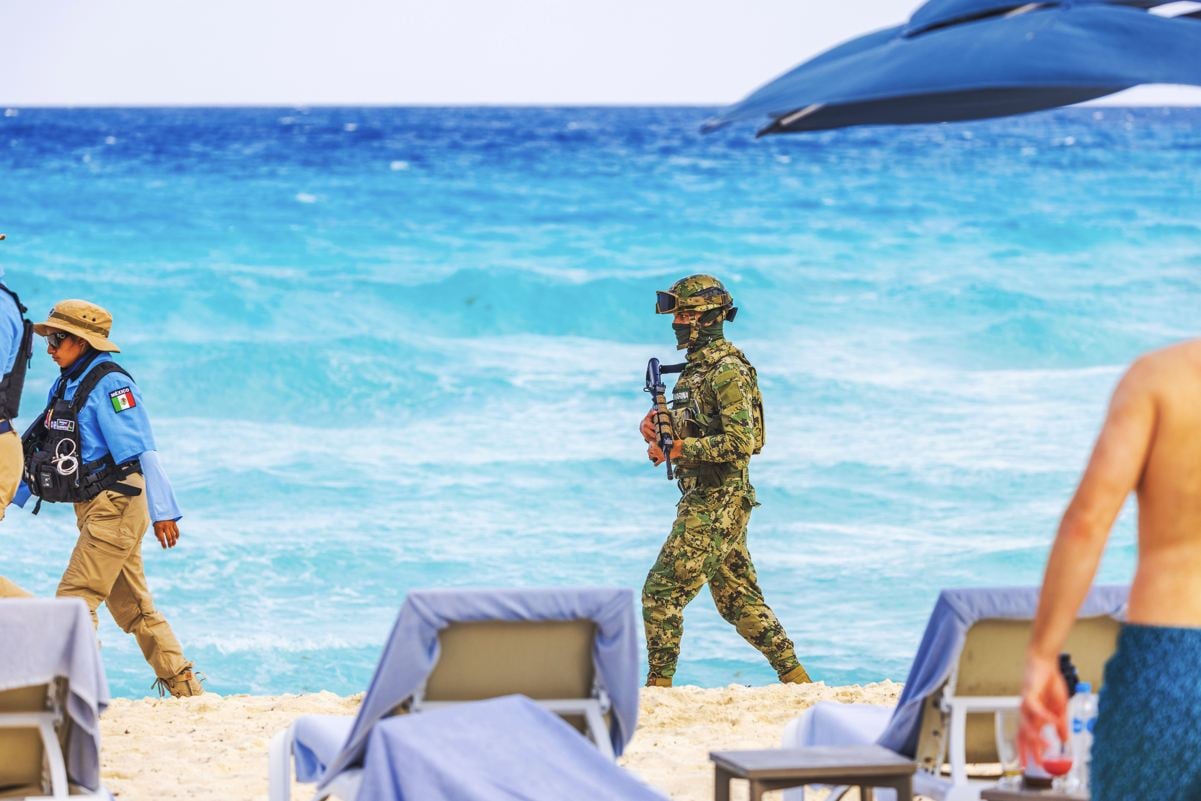
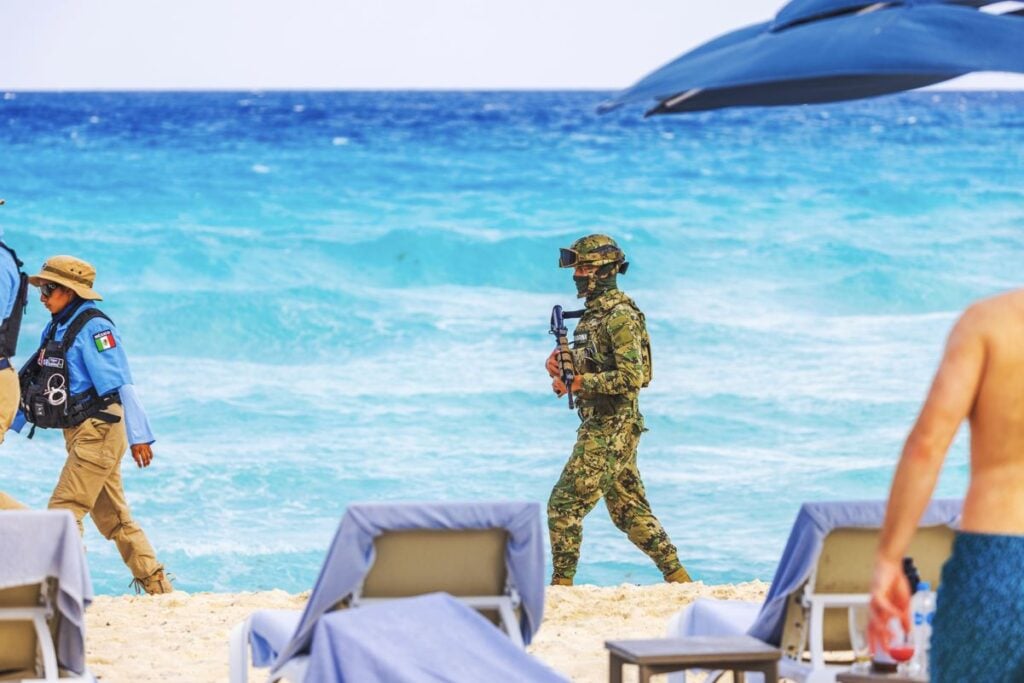
U.S. Travelers Feel Safer At International Beach Destinations Than At Home
Mulevich / Shutterstock.com

For years, that bold claim has been easily dismissed. People wrote it off as just a wild theory, a slight exaggeration, or simply the anecdotal evidence of a few lucky vacationers who happened to have a good trip.

But a massive shift just happened. Thanks to real-time data collected by the live Traveler Safety Index, that long-standing theory is no longer just an internet rumor. It is officially a proven, undeniable fact.

The Data Finally Validates The Theory

When you strip away the sensationalized headlines and ask the actual people who are currently walking the streets of these destinations, the numbers tell an incredible story. The Traveler Safety Index recently aggregated over 11,000 verified votes from real people actively traveling the globe. The results show a massive, highly counter-intuitive reality.
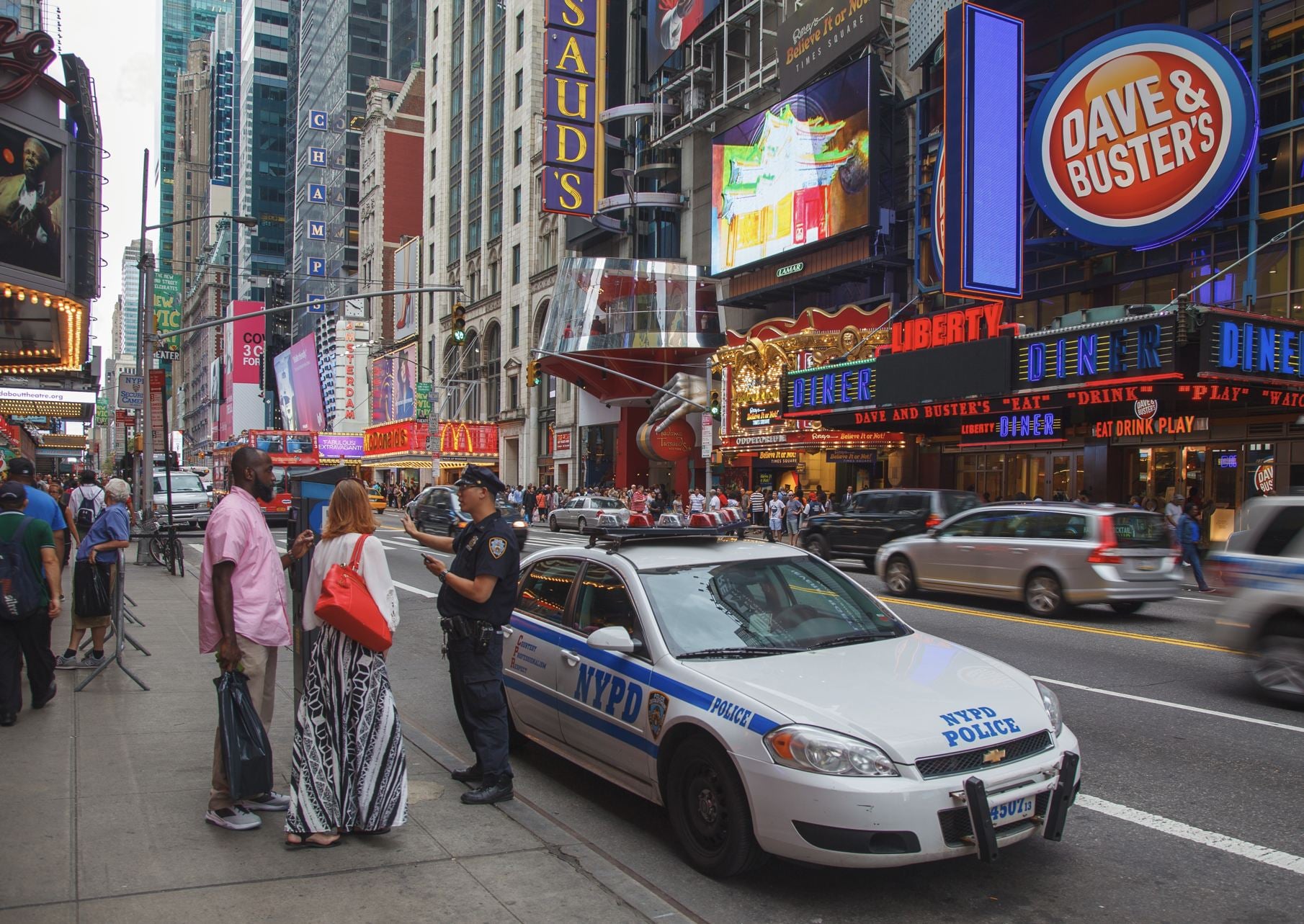
Police talk with tourists in Time Square New York
Alexandre f Fagundes / shutterstock.com

Overall, major U.S. hubs are averaging a safety score of just 76 out of 100. In massive contrast, the top international destinations are pulling in an impressive average score of 86. That is a stark 10-point gap that completely flips the traditional script on travel safety. The numbers prove that the classic American city break is actually triggering more anxiety and safety concerns than flying across the border to a foreign beach resort.

The Danger Completely Shifts

To understand exactly why Americans are feeling this way, we have to look closely at the hard numbers driving the trend. The most fascinating part of this new data is not just the overall scores, but the specific types of incidents travelers are reporting. It completely changes the conversation from “Is it dangerous?” to “What kind of danger are we actually talking about?”
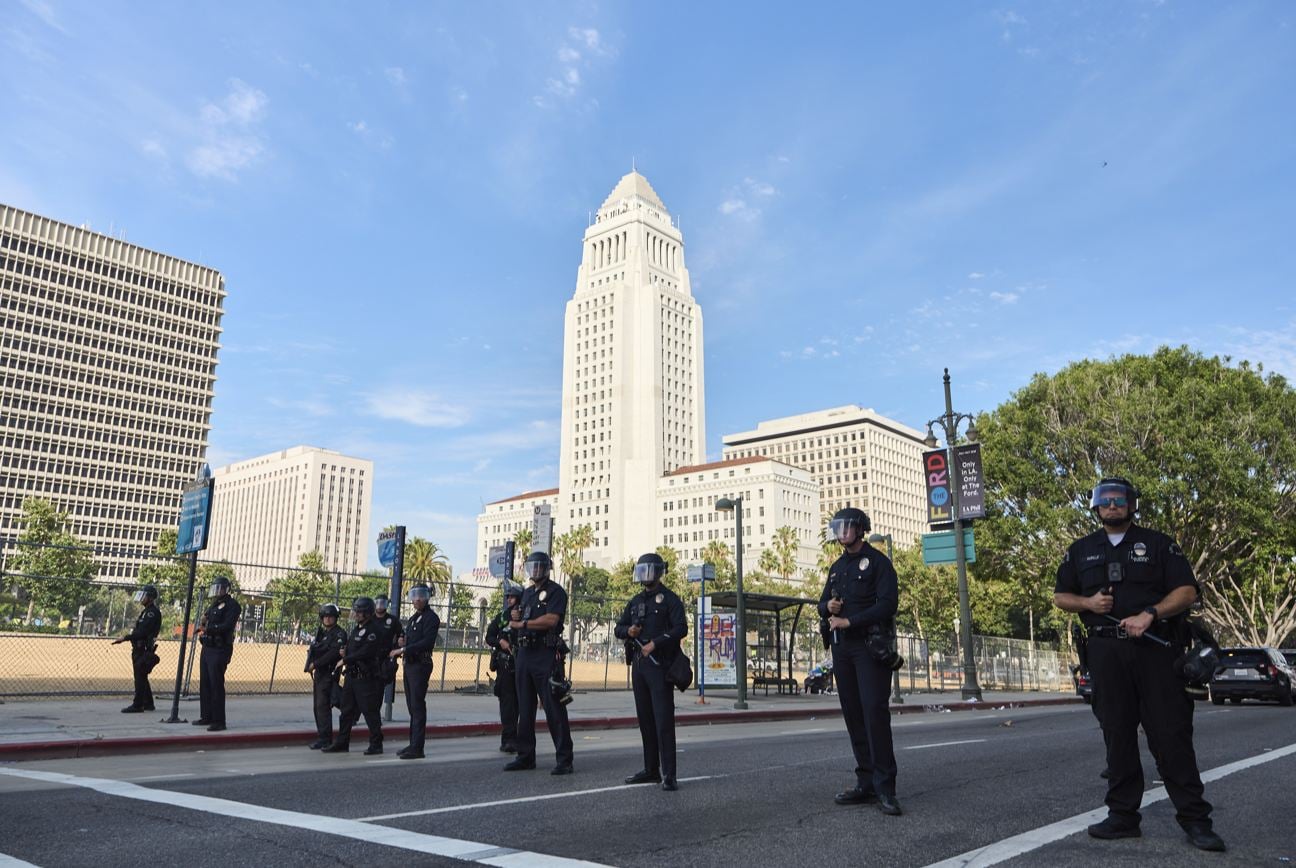
Police Officers in LA
Rudy Salgado / Shutterstock.com

Some of the most heavily trafficked airports and tourism hubs right here in the United States are seeing significant dips in traveler confidence because the nature of the threat is fundamentally different. For example, Los Angeles is currently sitting at a surprisingly low score of 68, while Atlanta is hovering right next to it with a 69. Miami sits at 73, and Houston is managing a 75.

When you look at the incident reports for these major domestic cities, travelers are flagging severe, unpredictable street crime. In Atlanta, users specifically reported armed robbery, assault, and civil unrest. Los Angeles visitors flagged drugging, armed robbery, and assault. Miami and Washington D.C. visitors reported civil unrest and harassment.

Travelers are clearly reporting that the standard hustle and bustle of major domestic cities is increasingly paired with highly volatile environments. When you visit a major U.S. city, you are stepping into a massive, functioning metropolis with all of its everyday realities. You are dealing with unpredictable, random street crime, which forces you to maintain a much higher level of situational awareness.

The single major domestic outlier in the data is Boston, which commands an impressive score of 93. Its primary concern? Two minor reports of theft. This perfectly proves the rule: walkable, highly managed city centers still make people feel completely secure.

The International Resort Bubble Is Real

So, where are travelers going to actually relax, let their guard down, and find that feeling of total security? They are heading south to the Caribbean and the broader international resort circuit.

The highest-voted international destinations completely eclipse their American counterparts in terms of pure peace of mind, and the incident reports show exactly why.

When you look at the “dangers” reported in these international beach hubs, they are almost entirely avoidable “tourist taxes” rather than random violent crime. In Cancun, out of 1,700 travelers, the top complaints were scams and transportation issues (like getting overcharged by a taxi). In Cabo, the biggest issues were scams and street vendors aggressively harassing tourists to buy souvenirs.

Yes, there are isolated reports of drugging in places like Cancun and Playa del Carmen, but these are heavily concentrated in the late-night mega-clubs, not on the beaches or inside the resorts. The data proves that visitors staying inside their resort bubbles feel completely secure, and the real danger is easily mitigated by simply avoiding the 2:00 AM party scene.

There is a massive, fundamental difference between getting overcharged for a cab ride in Mexico and worrying about an armed robbery in a domestic downtown.

Europe Remains A Fortress Of Confidence

It is not just the tropical beaches pulling in these high numbers. Traditional European summer hotspots are also thoroughly beating major U.S. cities in overall traveler confidence. Spain holds an incredibly strong 95, while Italy and Ireland are tied at 92.

Switzerland is also posting a 92, and Amsterdam sits comfortably at 90.

Again, the incident reports validate the scores. In places like Rome (88), Barcelona (73), and even Bali (75), the massive, overwhelming majority of complaints are focused on one thing: pickpockets and street scams. While having your phone swiped on the subway in Barcelona or dealing with a taxi scam in Bali is incredibly frustrating, it does not carry the same physical threat as the issues reported in domestic hubs.

European cities greatly benefit from massive pedestrian-only zones, incredible public transit networks, and a deep-rooted cafe culture that keeps eyes on the street well into the late evening. You might have to keep a hand over your wallet, but you feel completely comfortable walking back to your accommodations after dinner.

The Bottom Line For Your Summer Plans

The debate is officially over, and the internet commenters were right all along. If your ultimate goal this summer is to completely unplug, shut your brain off, and not spend your vacation worrying about your physical safety, the smartest bet is actually to grab your passport and leave the country.
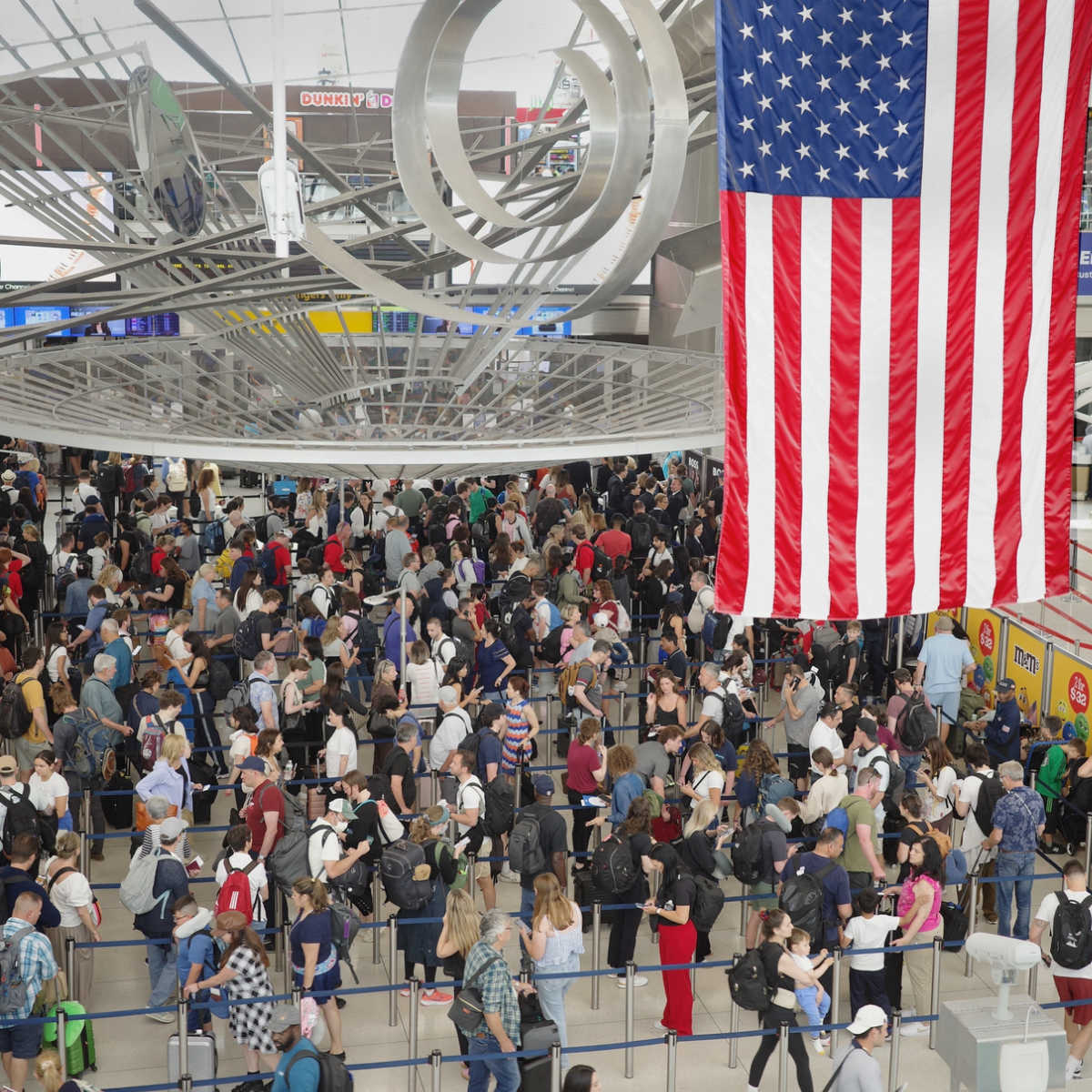
Crowded NY airport

The numbers decisively prove that international beach hubs have mastered the art of the secure, stress-free vacation. The “resort bubble” is a very real, highly effective security measure. By choosing a destination whose entire local economy is purpose-built to protect and cater to tourists, you are trading the unpredictable variables of a domestic city for the minor annoyance of a street scam. Millions of travelers are looking at that trade-off and deciding that true peace of mind is easily found just a short flight across the border.

You can check the latest Safety Score for your destination on the Traveler Safety Index and cross reference it with travel advisories issued by the US State Department.


Source link

Leave a Reply

Subscribe to Our Newsletter

Get our latest articles delivered straight to your inbox. No spam, we promise.

Recent Reviews


There are places in the world where everything feels accounted for. The roads are smooth, the signs are clear, and the experience has been carefully arranged long before you arrive. Adventure exists, technically, but only within boundaries that make it predictable. Nothing unexpected happens. Nothing pushes back.

And then there are places that still feel wild.

Not reckless. Not uncomfortable. Just untamed enough that you feel like a guest rather than a consumer. Places where the land doesn’t bend to human schedules, where weather sets the tone for the day, and where nature isn’t something you observe from a distance — it’s something you move through, adapt to, and occasionally surrender to. Traveling somewhere that still feels wild changes you in quiet, persistent ways. It slows your thinking. Sharpens your senses. Reminds you how small you are — and how good that can feel.

Alaska is the clearest example we know. But the feeling itself, the pull toward the wild, extends far beyond one place on the map.

The Absence of Predictability Is the Point

Baby bear Pavlovs Bay Alaska
Photo Credit: Jenn Coleman.

When you travel somewhere wild, certainty disappears almost immediately. Plans turn into loose outlines. Timelines soften. The assumption that you’re fully in control starts to fade — and that’s exactly where the experience opens up.

In Alaska, weather doesn’t politely cooperate. Flights wait. Boats adjust for tides. Trails change overnight. Wildlife appears on its own terms, not when you’re ready with a camera in hand. At first, this unsettles people. We’re trained to optimize travel, to squeeze value from every hour, to move efficiently from one highlight to the next.

Wild places resist that mindset. They force you to slow down and pay attention instead.

Instead of rushing, you find yourself watching clouds crawl across a mountain range or listening for the distant crack of shifting ice. You wait because someone has spotted a bear across the river, and suddenly waiting doesn’t feel like lost time — it feels like the entire point. In wild places, patience isn’t a virtue. It’s a requirement.

Nature Isn’t a Backdrop — It’s the Main Character

Endless Adventures Await-Moose - Alaska Glacier Lodge Palmer Alaska
Photo Credit: Jenn Coleman.

In many destinations, nature plays a supporting role. It’s something you admire between meals and museum visits, a scenic pause before moving on to the next activity.

In wild places, nature is the storyline.

In Alaska, the scale alone recalibrates your perspective. Mountains don’t rise politely in the distance; they loom. Glaciers don’t shimmer passively; they groan, fracture, and move. Rivers aren’t decorative — they’re powerful, cold, and very much alive. Wildlife isn’t something you visit. It’s something you encounter, often unexpectedly, and always on its own terms.

That reality changes how you move through the world. You speak more quietly. You scan the horizon. You learn to read the land not just for beauty, but for meaning — wind direction, cloud movement, water levels. You stop expecting nature to perform for you and start allowing it to lead.

Comfort Looks Different in the Wild

View from my room Homer Inn and Spa
Photo Credit: Jenn Coleman.

Traveling somewhere wild doesn’t mean giving up comfort, but it does redefine what comfort actually means. Luxury here isn’t about excess or polish. It’s about warmth after cold. Shelter after exposure. A solid meal after a long day outside.

Some of our most memorable places to stay in Alaska weren’t remarkable because of opulence, but because of where they were. Remote enough that silence felt complete. Close enough to the land that stepping outside meant being fully immersed — weather, wildlife, and all. Comfort in wild places is practical and intentional, and because of that, it feels deeply satisfying.

You notice and appreciate the basics more. Dry socks. Hot coffee. A sturdy roof during a storm. These aren’t assumed; they’re earned. And because you’re more present, they land differently. They feel grounding in a way that polished luxury sometimes doesn’t.

Your Senses Wake Up

Matanuska Glacier, Alaska
Photo Credit: Deposit Photos.

One of the quieter gifts of wild travel is how it reactivates your senses. In daily life, we filter relentlessly just to get through the day — noise, movement, light, information. Wild places strip that filter away.

You smell rain before it arrives. You hear ice shifting miles off. You notice how light changes minute by minute. In Alaska, even the air feels sharper, cleaner, alive. You become aware of your body in space — where you step, how fast you move, what’s happening around you.

This heightened awareness isn’t stressful. It’s calming. It pulls you into the present without effort or instruction. It’s mindfulness without the app, presence without performance.

You Remember What Adventure Actually Means

Hatcher Pass - Gold Cord Lake Trail Alaska
Photo Credit: Jenn Coleman.

Somewhere along the way, adventure became a marketing word. But real adventure, especially in wild places, isn’t about adrenaline or bragging rights. It’s about curiosity, humility, and uncertainty.

Adventure means not knowing exactly how the day will unfold. It means trusting guides and locals. It means adapting instead of controlling. In Alaska, that might look like hiking through mist, unsure if the clouds will lift. Kayaking through ice-dotted water where seals surface nearby. Boarding a small plane knowing weather could change everything.

And when things don’t go according to plan, that doesn’t diminish the experience — it becomes the story. Wild places remind you that the goal isn’t perfection. It’s participation.

Time Feels Different Out Here

Yllas Ski Resort Finland
Photo Credit: Jenn Coleman.

Wild destinations stretch time in ways that are hard to explain until you experience them. Days feel full without feeling rushed. Hours pass unnoticed when you’re fully engaged. Evenings arrive gently, not abruptly.

Without constant stimulation or packed schedules, your nervous system settles. You sleep more deeply. Wake earlier. Feel less urgency to check your phone. In Alaska, the light itself reshapes time, lingering late into the evening in summer, quietly reminding you that clocks are human inventions, not natural laws.

That shift doesn’t disappear when you leave. You return home more aware of how often urgency is manufactured — and more protective of your time because of it.

You Feel Like You’ve Earned the Experience

Kayaking Glacier Bay Alaska
Photo Credit: Jenn Coleman.

There’s a quiet satisfaction that comes from traveling somewhere that isn’t effortless. Wild places often require extra steps — small planes, ferries, long drives, patience. But effort creates investment.

When you arrive, you don’t feel like you stumbled into the experience. You chose it. And that choice creates respect — for the land, for the people who live there, and for the experience itself. In Alaska, simply reaching some destinations comes with stories before the stay even begins.

Wild travel doesn’t hand itself to you. It asks something in return.

Why We’re Drawn to the Wild Now More Than Ever

Waterfall Cove Alaska
Photo Credit: Jenn Coleman.

The pull toward wild places isn’t accidental. After years of constant connectivity, crowded destinations, and carefully curated experiences, many travelers are craving something real. Something grounding. Something that doesn’t ask them to perform.

Wild places offer perspective. They remind us that the world is bigger than our inboxes, that discomfort isn’t dangerous, and that awe still exists — no explanation required. Alaska sits at the heart of this longing, but it isn’t alone. You feel it in remote coastlines, high deserts, northern forests, and far-flung mountain towns around the world.

What unites them isn’t geography. It’s restraint. These places haven’t been overly softened or simplified. They still ask you to meet them where they are.

What You Take Home From a Wild Place

Hikers hiking, enjoying the view of Famous Patagonia Mount Fitz
Photo Credit: Deposit Photos.

You don’t return with just photos. You come back quieter, more observant, and more comfortable with uncertainty. You gain a clearer sense of what you actually need — and what you don’t.

Traveling somewhere that still feels wild recalibrates your sense of scale and self. It reminds you that not everything needs improvement, explanation, or monetization. Some things are powerful simply because they exist.

And once you’ve felt that — once you’ve stood somewhere that didn’t care whether you were there or not — it changes how you travel going forward. You start seeking places that ask something of you. Places that feel alive. Places that leave room for surprise.

Because wildness, in the end, isn’t something you conquer.

It’s something you experience — and carry with you long after you’ve left.

Hi! We are Jenn and Ed Coleman aka Coleman Concierge. In a nutshell, we are a Huntsville-based Gen X couple sharing our stories of amazing adventures through activity-driven transformational and experiential travel.


Source link