Why Travelers Now Plan Around How They Want to Feel


Ten years ago, a typical trip plan was flights, a hotel, and a list of things to see. That list now looks different. A growing share of travelers pack foam rollers, track their sleep across time zones, and weigh destinations partly on whether the hotel has a decent sauna.

The checklist hasn’t just expanded, it has changed shape. What follows is a look at how that shift is reshaping the way people research, book, and experience trips, and what it means if you want to plan one that actually leaves you feeling better.

Overview:
Airport building with travelers

Wellness Enters the Research Phase

Before a flight is booked, many travelers have already spent hours reading about recovery strategies, sleep support, and how to keep stress manageable on the road. Long-haul flights, jet lag, irregular eating, and the low-grade tension of moving through unfamiliar places push people to think about their bodies and minds differently than they would at home.

That research habit has expanded what travelers look up online. People exploring sleep quality and recovery routines often cross into wider health and wellbeing material, including educational resources on how various wellness approaches work in the body. Regulated platforms covering topics like what is thc and cannabinoid education sit alongside official sources such as the NHS guidance on medical cannabis, and travelers managing health conditions abroad increasingly consult both. The point isn’t any one topic. It’s the posture. Health is now something to actively support during a trip, not something to deal with only if it goes wrong.
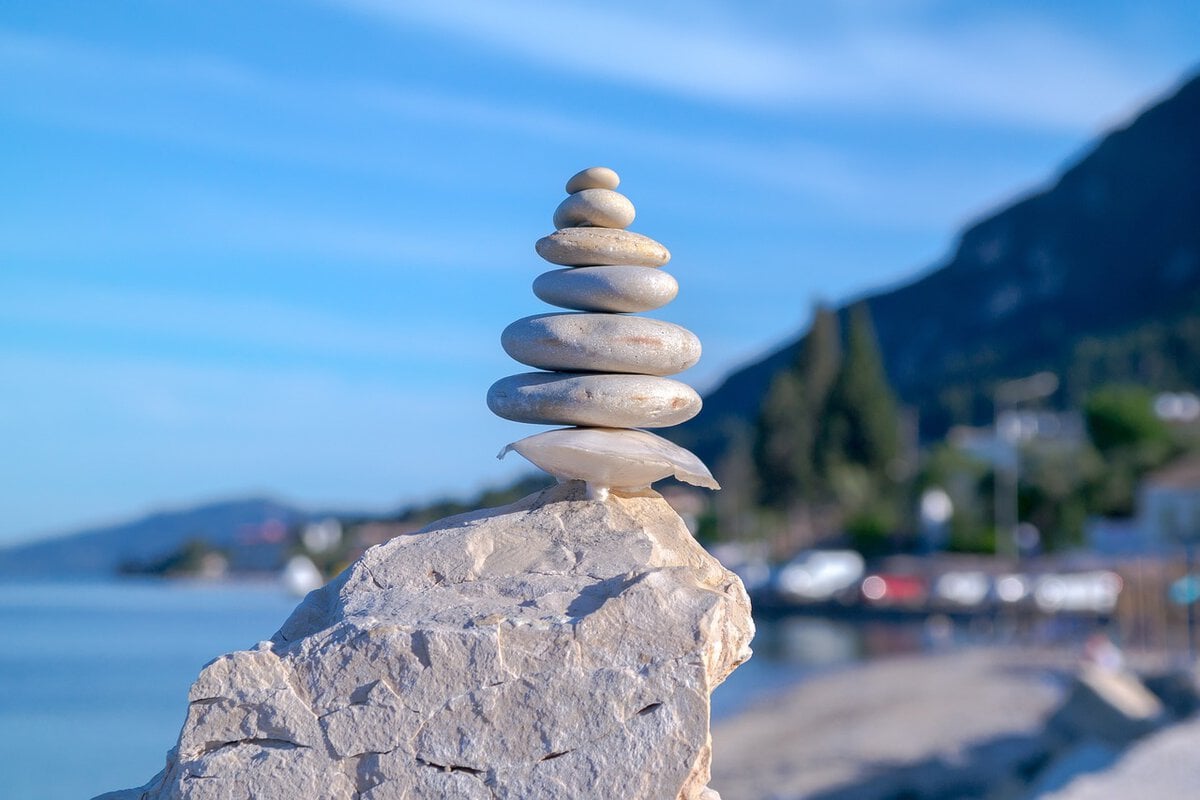
Rock balance at the shore.

Slow Travel Replaces the Highlight Reel

Slower, more intentional travel is one of the clearest behavioral shifts in tourism over the past few years. Where a trip once meant squeezing eight cities into ten days, many travelers now choose to stay longer in fewer places, and to actually rest while they are there.

Extended stays, nature retreats, and coastal escapes built around balance rather than constant movement are more common than they used to be. The appeal isn’t laziness. It’s the recognition that burnout is real, and that a trip structured to leave you exhausted often does exactly that. People come back from those trips needing a recovery week, which rather defeats the point.

Digital nomads have pushed this further. When your laptop comes with you, a destination’s quality of life matters as much as its attractions. Walkability, outdoor access, the pace of daily life. The result is a growing group of travelers who care more about feeling well in a place than about maximizing what they’ve technically seen.
Road sign to slow down

Why Wellness Tourism Keeps Growing

Yoga retreats, thermal wellness centers, spa destinations, meditation resorts, and fitness-focused travel packages keep drawing larger audiences each year. That growth isn’t marketing-driven. It reflects real demand from people who want trips that support healthier living rather than temporarily suspend it.

Hiking, mobility classes, healthy dining, and structured recovery programs are now standard offerings at properties that would have called themselves plain resorts a decade ago. Travelers looking into restorative environments, whether coastal retreats, mountain escapes, or yoga retreats in Spain built around movement and mental reset, are choosing experiences that leave them feeling rebuilt rather than drained.

The shift also runs across demographics. It isn’t a niche interest for a particular age group or income bracket. It shows up wherever people are reassessing what they actually want out of time away.
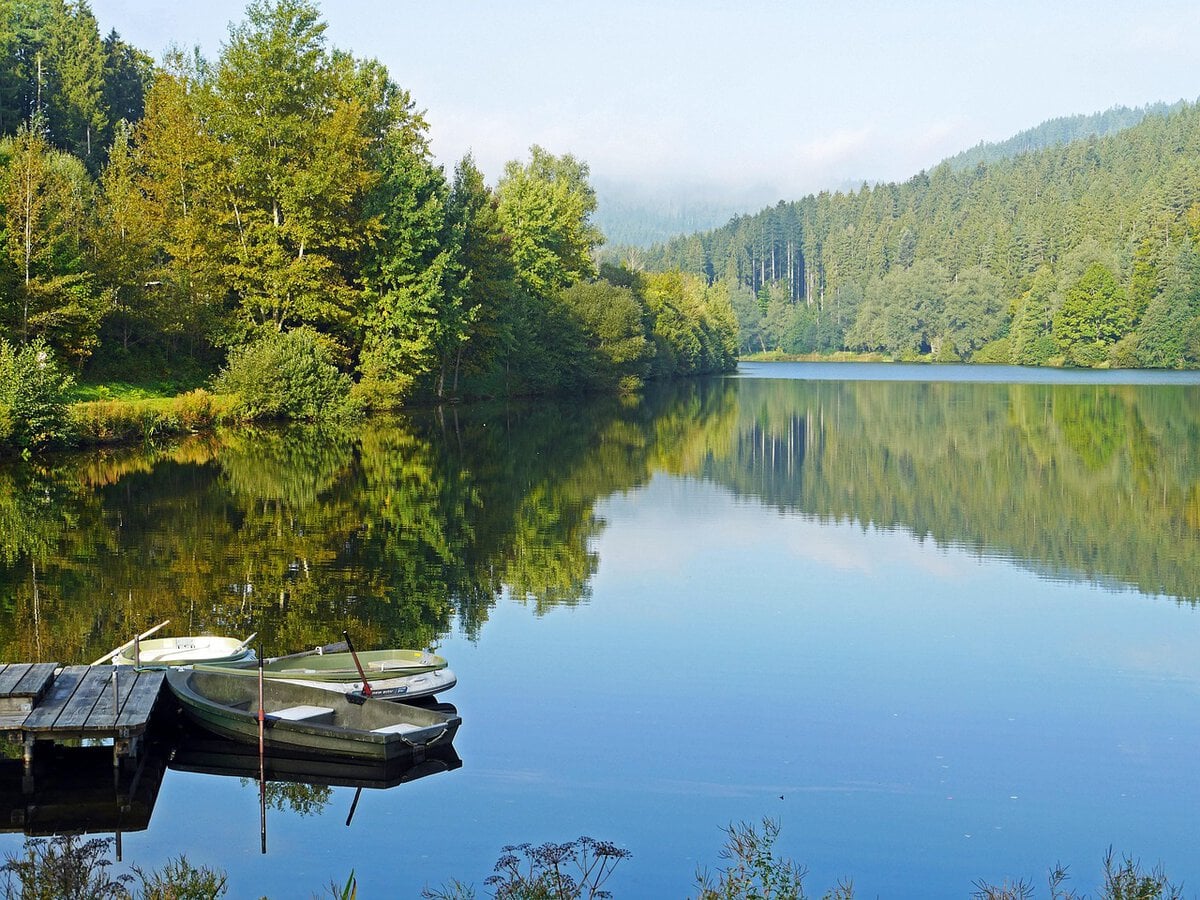
Nagoldtalsperre in the Northern Black Forest, Germany.

A phone is now a navigation tool, meditation guide, sleep tracker, healthy restaurant finder, and digital health resource, all at once, sitting in your pocket at the foot of a mountain or beside a pool in Lisbon. That capability is new, and travelers are using it.

Apps for hydration reminders, breathing exercises, fitness tracking, and mental wellness support have become part of how people manage their health on the road. Wearables add another layer, letting users monitor sleep quality, heart rate variability, and stress markers in real time. That kind of information used to require a clinical setting.

There’s a tension worth naming. Many of the same people who rely on these tools are also trying to reduce screen time during trips. The wish to disconnect, to leave the notification stream behind and simply be somewhere, sits alongside the real value of having health tools available. Neither pull is going away, and how people balance the two says a lot about what kind of traveler they are.

Healthcare Access Has Become a Destination Factor

Longer trips, remote destinations, and travelers managing chronic conditions or complex medication schedules have all pushed healthcare access up the planning list. Digital consultations, online pharmacies, travel insurance apps, and remote healthcare tools have moved from nice-to-have to genuinely important infrastructure for a meaningful share of travelers.

For people with ongoing health needs, whether a long-term condition, recovery from illness, or simply a wish to reach a healthcare professional reliably while abroad, this infrastructure directly shapes where they feel comfortable going and for how long.

It’s not a fringe concern. As more people travel for weeks or months rather than one or two-week holidays, and as older travelers spend more time abroad, the practical question of whether a destination offers reliable healthcare increasingly influences destination decisions.

What This Shift Means for Your Planning

The practical upshot is that the way you research and plan a trip has changed. Questions about a destination’s atmosphere, pace, outdoor access, and wellness infrastructure now compete with, and sometimes outrank, questions about landmarks and nightlife.

That doesn’t mean sightseeing is over, or that every trip needs to be a structured wellness retreat. It means that wanting to come back feeling better than when you left is a legitimate goal, and one that travel planning can actually serve, if you approach it that way from the start.
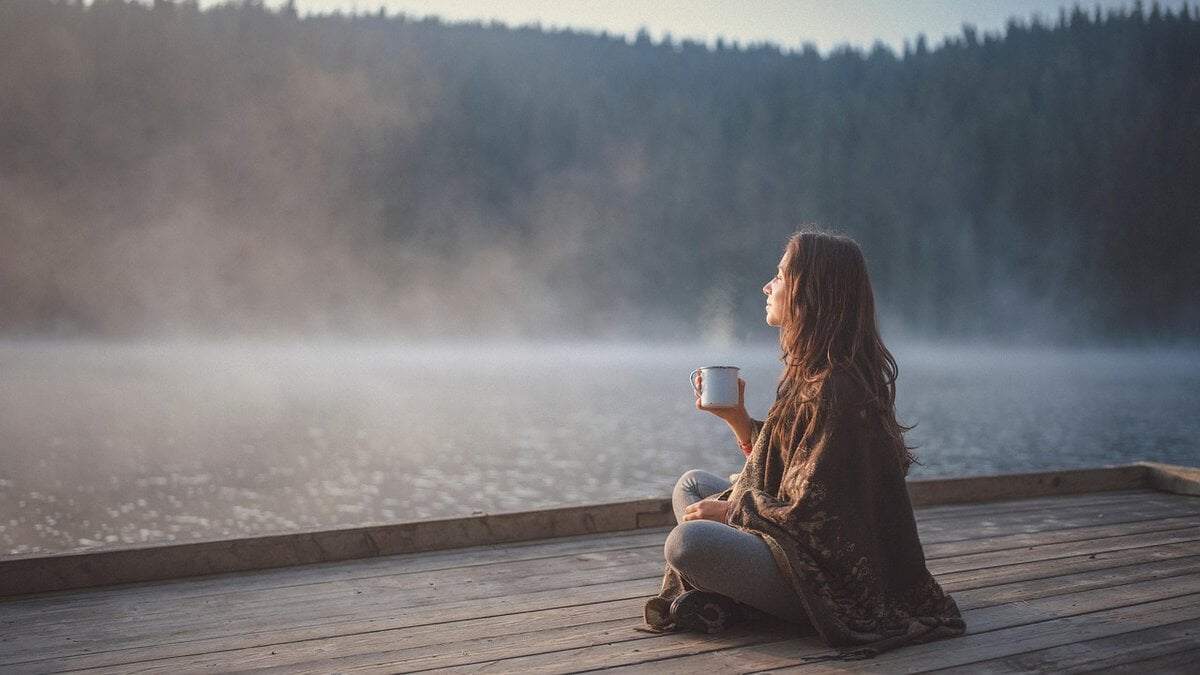
Coffee at the lake in the morning.

Practical Information

Planning a wellness-focused trip

  • Look for destinations with easy access to outdoor space, walking routes, and nature, rather than only central tourist infrastructure.
  • Stays of 10 days or longer typically allow a real shift in pace. Shorter trips can still be restorative if the itinerary isn’t overloaded.
  • Accommodations with on-site wellness facilities, healthy dining options, and nearby healthcare access reduce friction considerably.
  • Factor in time zones. Jet lag is a real recovery cost. If recovery is the goal, a closer destination may serve it better than a long-haul flight.

Costs and access

  • Retreat pricing varies widely. More affordable options are common in Spain, Portugal, Bali, and parts of Central America. Premium spa destinations in Switzerland, the Maldives, or Japan sit at the higher end.
  • Digital healthcare consultations and travel insurance with healthcare coverage are widely available, and usually reasonably priced relative to what they cover.

Frequently Asked Questions

What does wellness travel actually mean in practice?

Wellness travel is any trip structured, at least in part, around supporting physical or mental health rather than only visiting attractions. That can mean a slow-paced itinerary, staying near nature, booking a yoga or meditation retreat, or simply prioritizing sleep and downtime over packed sightseeing. There’s no minimum infrastructure required. The defining feature is intentionality about how you want to feel during and after the trip.

How is slow travel different from a regular vacation?

A regular vacation often replicates the pace of daily life in a new location, busy, full, and built around maximum output. Slow travel deliberately slows that pace, with fewer destinations, longer stays, and less scheduled activity. The goal is to spend enough time somewhere to settle into it rather than treat it as a backdrop for tourism. Travelers who try it often report lower stress and more memorable experiences than they get from destination-heavy itineraries.

What should I look for when booking a wellness retreat?

Focus on what the retreat actually delivers day to day, not how it markets itself. Look for a clear daily schedule, qualified instructors or practitioners, a manageable group size, and honest descriptions of the physical environment. Recent guest reviews help, especially the ones that say whether the experience matched the description. Some of the best-value options are small, independently run, and not heavily promoted.

How do I manage healthcare access on a longer trip?

Before you leave, check what your travel insurance covers and whether it includes digital consultations. If you manage a chronic condition or take regular medication, confirm the regulatory status of those medications in your destination country, and carry documentation from your prescribing doctor. For trips of a month or more, registering with a local general practice or identifying a nearby clinic in advance removes a lot of stress if something does come up.

Is wellness travel only for people who already have healthy habits?

No, and this is worth saying clearly. Many people choose wellness-focused travel precisely because their everyday habits have slipped and they want a reset. Being away from home, with fewer obligations and a different environment, often makes it easier to start healthier routines than trying to change them in place. You don’t need to already practice yoga or meditate to benefit from a retreat built around those things.

When is the best time to take a wellness-focused trip?

The honest answer is, before you’re fully burned out. Plan proactively rather than waiting for stress to peak. That said, shoulder seasons such as spring and autumn generally work well for wellness travel. You get fewer crowds, more temperate weather, and often better prices at retreat centers that see peak demand in summer.

  • Travel Dudes

    I’m sure you’ve had similar experiences I had whilst traveling. You’re in a certain place and a fellow traveler, or a local, tip you off on a little-known beach, bar or accommodation. Great travel tips from other travelers or locals always add something special to our travels. That was the inspiration for Travel Dudes.


    View all posts


    I’m sure you’ve had similar experiences I had whilst traveling. You’re in a certain place and a fellow traveler, or a local, tip you off on a little-known beach, bar or accommodation. Great travel tips from other travelers or locals always add something special to our travels. That was the inspiration for Travel Dudes.


Source link

Leave a Reply

Subscribe to Our Newsletter

Get our latest articles delivered straight to your inbox. No spam, we promise.

Recent Reviews


There are places in the world where everything feels accounted for. The roads are smooth, the signs are clear, and the experience has been carefully arranged long before you arrive. Adventure exists, technically, but only within boundaries that make it predictable. Nothing unexpected happens. Nothing pushes back.

And then there are places that still feel wild.

Not reckless. Not uncomfortable. Just untamed enough that you feel like a guest rather than a consumer. Places where the land doesn’t bend to human schedules, where weather sets the tone for the day, and where nature isn’t something you observe from a distance — it’s something you move through, adapt to, and occasionally surrender to. Traveling somewhere that still feels wild changes you in quiet, persistent ways. It slows your thinking. Sharpens your senses. Reminds you how small you are — and how good that can feel.

Alaska is the clearest example we know. But the feeling itself, the pull toward the wild, extends far beyond one place on the map.

The Absence of Predictability Is the Point

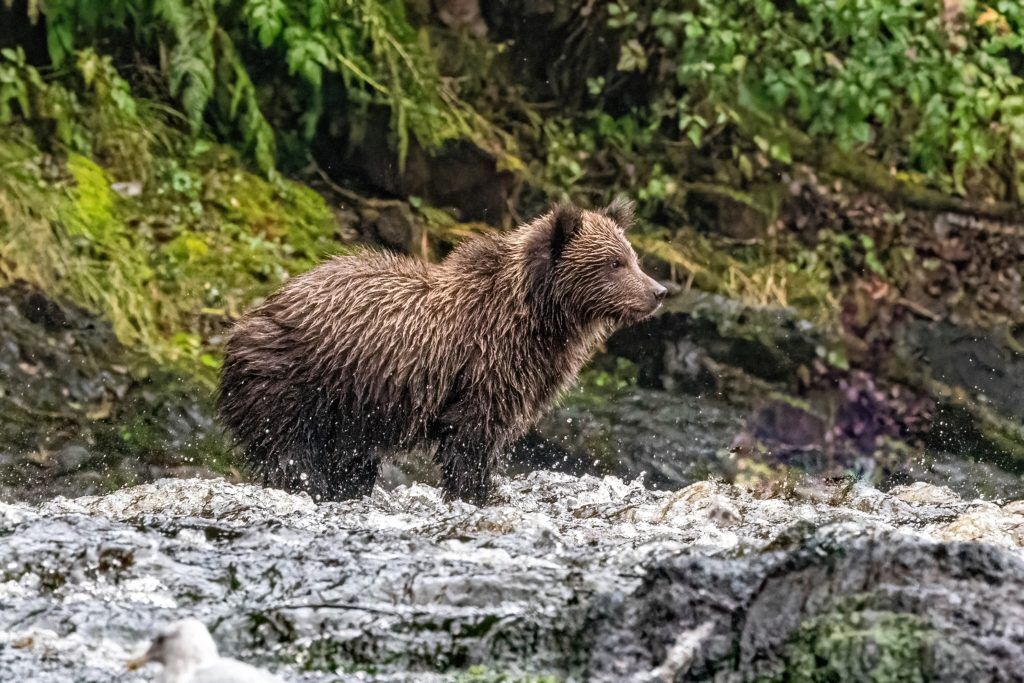
Baby bear Pavlovs Bay Alaska
Photo Credit: Jenn Coleman.

When you travel somewhere wild, certainty disappears almost immediately. Plans turn into loose outlines. Timelines soften. The assumption that you’re fully in control starts to fade — and that’s exactly where the experience opens up.

In Alaska, weather doesn’t politely cooperate. Flights wait. Boats adjust for tides. Trails change overnight. Wildlife appears on its own terms, not when you’re ready with a camera in hand. At first, this unsettles people. We’re trained to optimize travel, to squeeze value from every hour, to move efficiently from one highlight to the next.

Wild places resist that mindset. They force you to slow down and pay attention instead.

Instead of rushing, you find yourself watching clouds crawl across a mountain range or listening for the distant crack of shifting ice. You wait because someone has spotted a bear across the river, and suddenly waiting doesn’t feel like lost time — it feels like the entire point. In wild places, patience isn’t a virtue. It’s a requirement.

Nature Isn’t a Backdrop — It’s the Main Character

Endless Adventures Await-Moose - Alaska Glacier Lodge Palmer Alaska
Photo Credit: Jenn Coleman.

In many destinations, nature plays a supporting role. It’s something you admire between meals and museum visits, a scenic pause before moving on to the next activity.

In wild places, nature is the storyline.

In Alaska, the scale alone recalibrates your perspective. Mountains don’t rise politely in the distance; they loom. Glaciers don’t shimmer passively; they groan, fracture, and move. Rivers aren’t decorative — they’re powerful, cold, and very much alive. Wildlife isn’t something you visit. It’s something you encounter, often unexpectedly, and always on its own terms.

That reality changes how you move through the world. You speak more quietly. You scan the horizon. You learn to read the land not just for beauty, but for meaning — wind direction, cloud movement, water levels. You stop expecting nature to perform for you and start allowing it to lead.

Comfort Looks Different in the Wild

View from my room Homer Inn and Spa
Photo Credit: Jenn Coleman.

Traveling somewhere wild doesn’t mean giving up comfort, but it does redefine what comfort actually means. Luxury here isn’t about excess or polish. It’s about warmth after cold. Shelter after exposure. A solid meal after a long day outside.

Some of our most memorable places to stay in Alaska weren’t remarkable because of opulence, but because of where they were. Remote enough that silence felt complete. Close enough to the land that stepping outside meant being fully immersed — weather, wildlife, and all. Comfort in wild places is practical and intentional, and because of that, it feels deeply satisfying.

You notice and appreciate the basics more. Dry socks. Hot coffee. A sturdy roof during a storm. These aren’t assumed; they’re earned. And because you’re more present, they land differently. They feel grounding in a way that polished luxury sometimes doesn’t.

Your Senses Wake Up

Matanuska Glacier, Alaska
Photo Credit: Deposit Photos.

One of the quieter gifts of wild travel is how it reactivates your senses. In daily life, we filter relentlessly just to get through the day — noise, movement, light, information. Wild places strip that filter away.

You smell rain before it arrives. You hear ice shifting miles off. You notice how light changes minute by minute. In Alaska, even the air feels sharper, cleaner, alive. You become aware of your body in space — where you step, how fast you move, what’s happening around you.

This heightened awareness isn’t stressful. It’s calming. It pulls you into the present without effort or instruction. It’s mindfulness without the app, presence without performance.

You Remember What Adventure Actually Means

Hatcher Pass - Gold Cord Lake Trail Alaska
Photo Credit: Jenn Coleman.

Somewhere along the way, adventure became a marketing word. But real adventure, especially in wild places, isn’t about adrenaline or bragging rights. It’s about curiosity, humility, and uncertainty.

Adventure means not knowing exactly how the day will unfold. It means trusting guides and locals. It means adapting instead of controlling. In Alaska, that might look like hiking through mist, unsure if the clouds will lift. Kayaking through ice-dotted water where seals surface nearby. Boarding a small plane knowing weather could change everything.

And when things don’t go according to plan, that doesn’t diminish the experience — it becomes the story. Wild places remind you that the goal isn’t perfection. It’s participation.

Time Feels Different Out Here

Yllas Ski Resort Finland
Photo Credit: Jenn Coleman.

Wild destinations stretch time in ways that are hard to explain until you experience them. Days feel full without feeling rushed. Hours pass unnoticed when you’re fully engaged. Evenings arrive gently, not abruptly.

Without constant stimulation or packed schedules, your nervous system settles. You sleep more deeply. Wake earlier. Feel less urgency to check your phone. In Alaska, the light itself reshapes time, lingering late into the evening in summer, quietly reminding you that clocks are human inventions, not natural laws.

That shift doesn’t disappear when you leave. You return home more aware of how often urgency is manufactured — and more protective of your time because of it.

You Feel Like You’ve Earned the Experience

Kayaking Glacier Bay Alaska
Photo Credit: Jenn Coleman.

There’s a quiet satisfaction that comes from traveling somewhere that isn’t effortless. Wild places often require extra steps — small planes, ferries, long drives, patience. But effort creates investment.

When you arrive, you don’t feel like you stumbled into the experience. You chose it. And that choice creates respect — for the land, for the people who live there, and for the experience itself. In Alaska, simply reaching some destinations comes with stories before the stay even begins.

Wild travel doesn’t hand itself to you. It asks something in return.

Why We’re Drawn to the Wild Now More Than Ever

Waterfall Cove Alaska
Photo Credit: Jenn Coleman.

The pull toward wild places isn’t accidental. After years of constant connectivity, crowded destinations, and carefully curated experiences, many travelers are craving something real. Something grounding. Something that doesn’t ask them to perform.

Wild places offer perspective. They remind us that the world is bigger than our inboxes, that discomfort isn’t dangerous, and that awe still exists — no explanation required. Alaska sits at the heart of this longing, but it isn’t alone. You feel it in remote coastlines, high deserts, northern forests, and far-flung mountain towns around the world.

What unites them isn’t geography. It’s restraint. These places haven’t been overly softened or simplified. They still ask you to meet them where they are.

What You Take Home From a Wild Place

Hikers hiking, enjoying the view of Famous Patagonia Mount Fitz
Photo Credit: Deposit Photos.

You don’t return with just photos. You come back quieter, more observant, and more comfortable with uncertainty. You gain a clearer sense of what you actually need — and what you don’t.

Traveling somewhere that still feels wild recalibrates your sense of scale and self. It reminds you that not everything needs improvement, explanation, or monetization. Some things are powerful simply because they exist.

And once you’ve felt that — once you’ve stood somewhere that didn’t care whether you were there or not — it changes how you travel going forward. You start seeking places that ask something of you. Places that feel alive. Places that leave room for surprise.

Because wildness, in the end, isn’t something you conquer.

It’s something you experience — and carry with you long after you’ve left.

Hi! We are Jenn and Ed Coleman aka Coleman Concierge. In a nutshell, we are a Huntsville-based Gen X couple sharing our stories of amazing adventures through activity-driven transformational and experiential travel.


Source link