
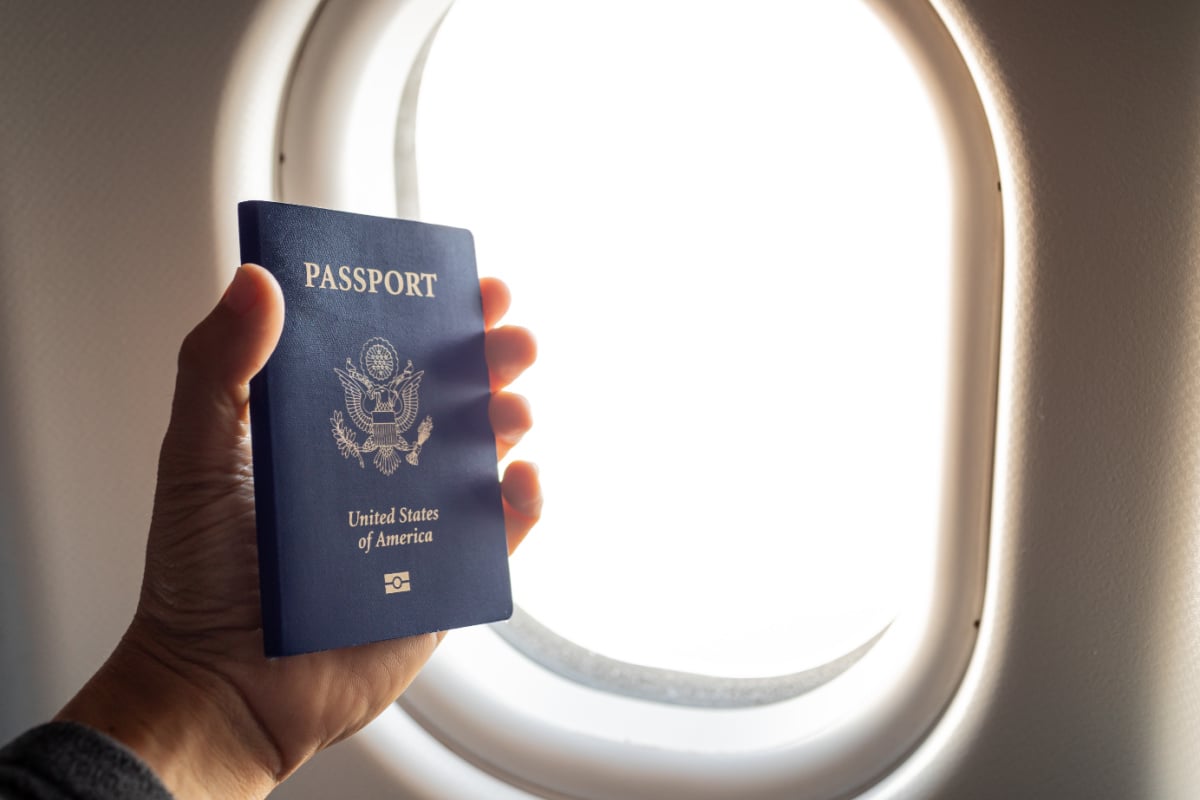
Between Europe’s new overly strict fingerprinting rules, and Thailand reducing visa-free stays’ length, it’s easy to feel as if the world isn’t exactly rolling out the red carpet to American citizens at the moment.
We won’t sugarcoat it, regardless of the side of the political spectrum you find yourself in, and we’re not here to judge. The U.S. passport has taken quite a hit lately.
We still haven’t got over the fact that China has opened visa-free access pretty much to the whole of Europe, Canada, and most of Latin America, but not the U.S. yet.
Thanks to the spate of new travel restrictions imposed on Americans, it’s been slowly slipping down the passport power ranking, which doesn’t sound too dramatic on paper, but in reality, means more paperwork, more bureaucracy, and less freedom to pack up and just wing it whenever you feel like going abroad.
Be that as it may, there’s one Asian country that’s now making it easier—well, somewhat cheaper—for Americans to visit.
Sri Lanka isn’t on the average American’s travel radar, but it offers stunning tropical nature, golden-sand beaches untouched by mass tourism, and epic train rides through mist-shrouded jungles—and now, you can visit without visa fees:
Sri Lanka Scraps Entry Fees For Americans
As of May 25, 2026, Sri Lanka has waived the tourist visa fee for travelers from roughly 40 countries, including the U.S. of A. Now, you still need to get that ETA prior to arriving, but the fee itself is now free if you’re an American citizen.
Why they don’t just get rid of the bloody thing completely, we don’t know, but there’s a long-established link between emerging economies and unnecessary bureaucratic hurdles.
But hey, let’s not be ungrateful here. For families of 4 or 5 flying to Sri Lanka for their once-in-a-lifetime vacation, that’s about $200–$250 shaved off of their vacation funds on entry fees alone.
That’s pretty much your entire food spending for a fortnight in the country, and that’s if you’re dining out lavishly.
Now, there are a couple more things you should know about the new, revamped Sri Lankan ETA, other than it’s completely free of charge:
- It’s valid for 30 days
- It allows double entry (not multiple)
- It still requires online approval before travel
Did You Have Any Idea Sri Lanka Could Be This Effortlessly Cool?
Sri Lanka has shot up the travel charts thanks to its diverse landscapes, rich culture, and jaw-dropping affordability.
It’s not exactly within easy reach for most Americans, with trips there involving at least one layover in another major Asian hub, if not multiple-day stopovers, jet lag, but it’s the kind of once-in-a-lifetime journey that pays off the minute you land somewhere like Colombo.
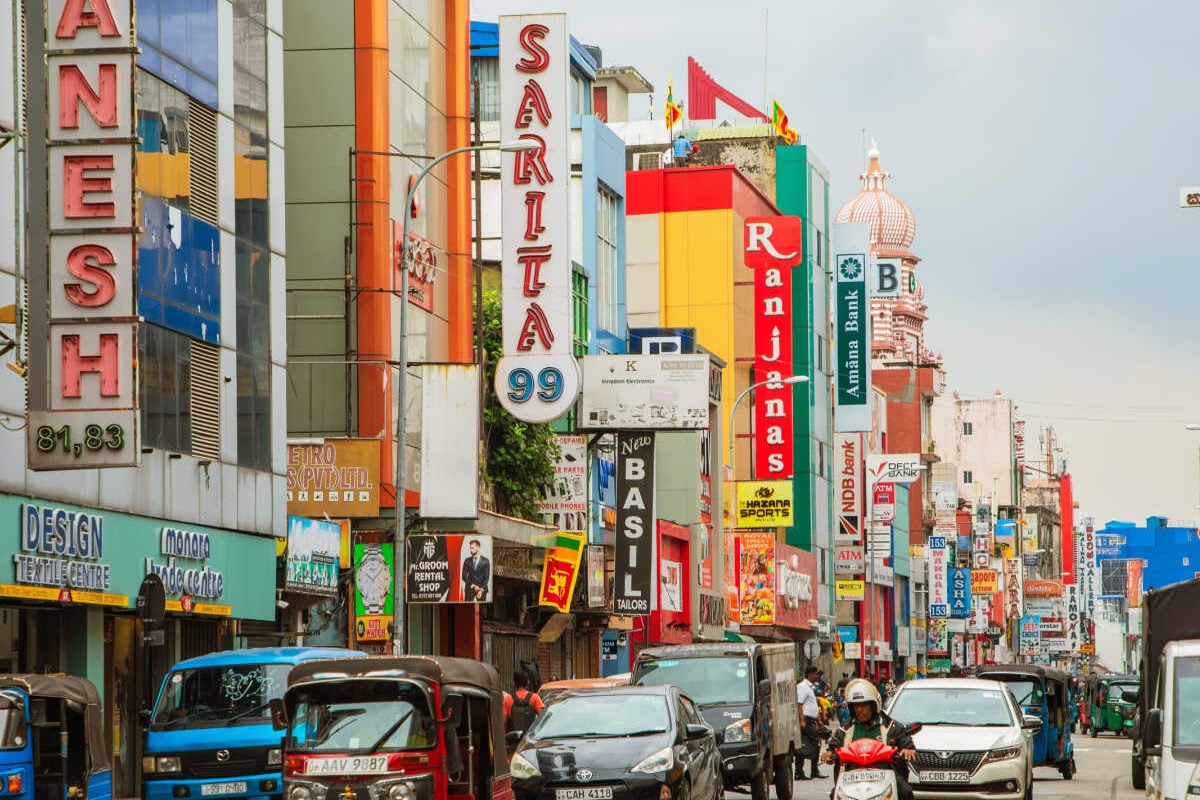
One of the most vibrant capital cities in the Orient, it takes pride in being culturally layered, architecturally eclectic, and fast-evolving. Quite honestly, not one corner of Colombo is like the other.
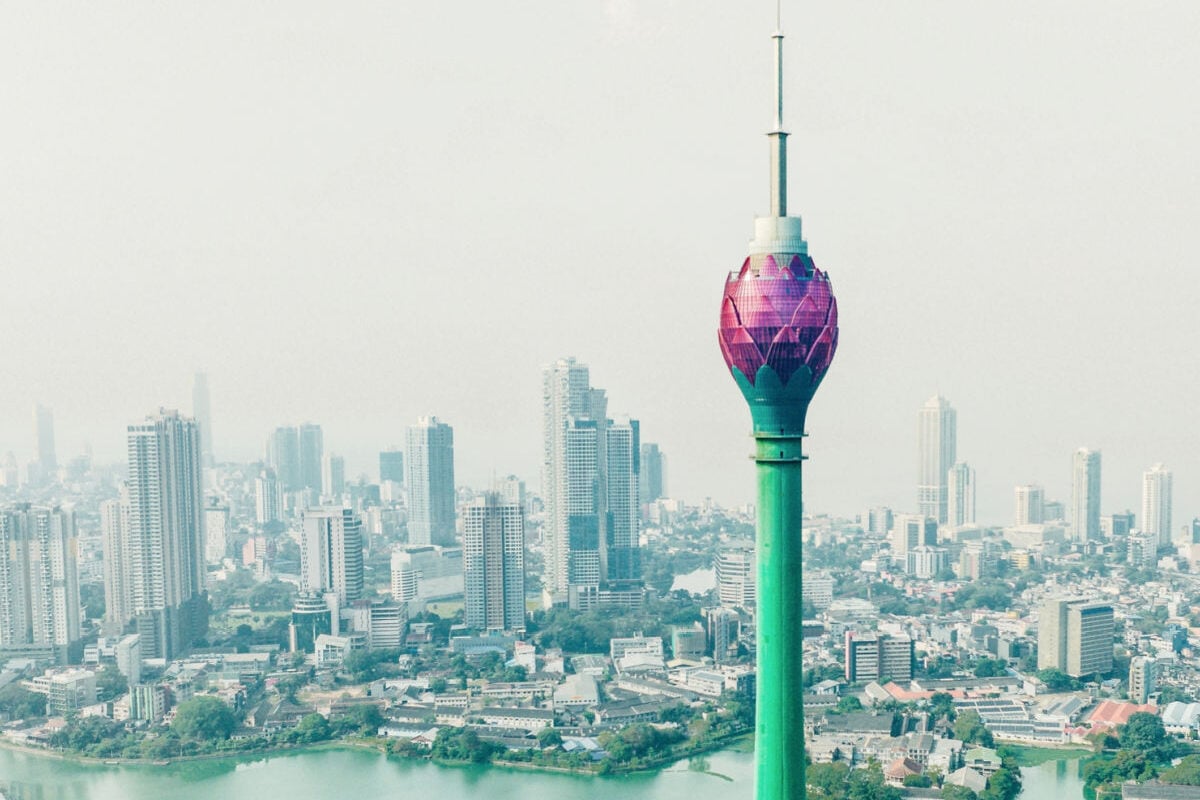
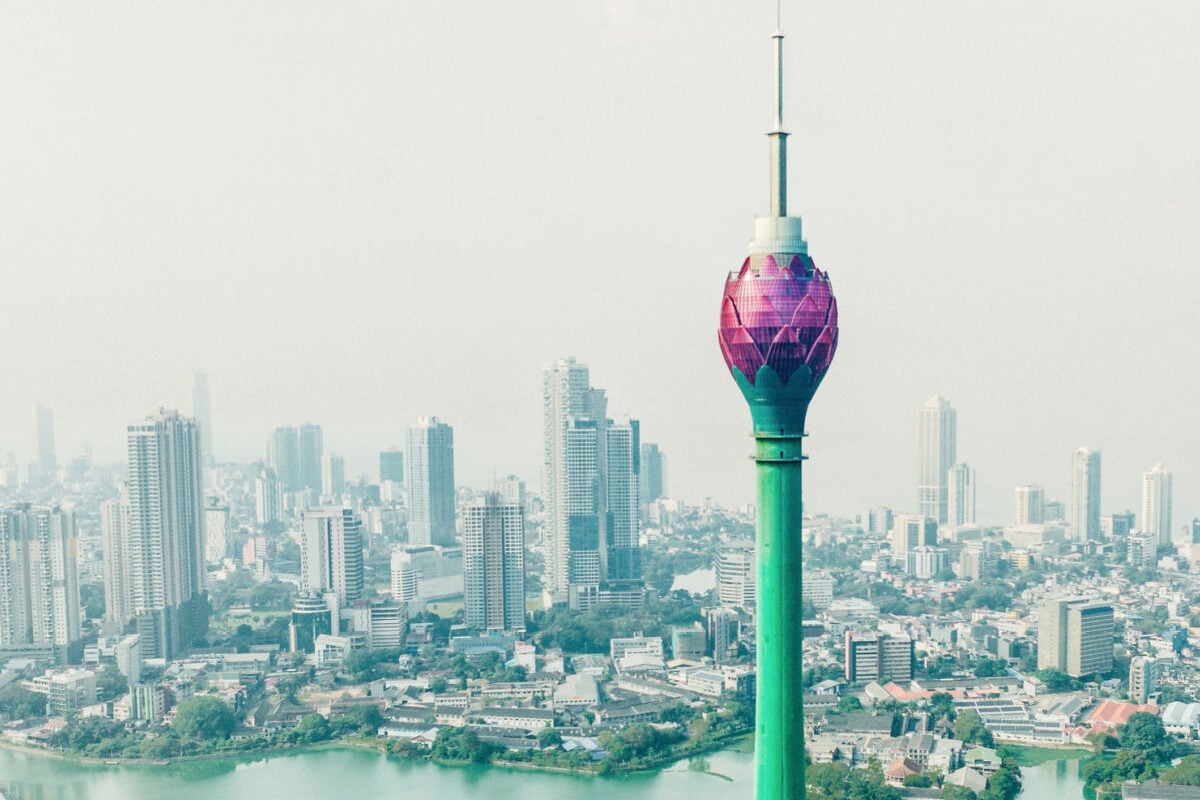
Whether it’s Pettah, where it’s Buddhist temples and native Sinhalese heritage that dominate the cultural scene, or the typically European colonial Fort district, with its arcaded avenues and elegant civic buildings that could belong somewhere in Lisbon—add to that a sea of skyscrapers—Colombo is the next Ho Chi Minh City, and you heard it here first.
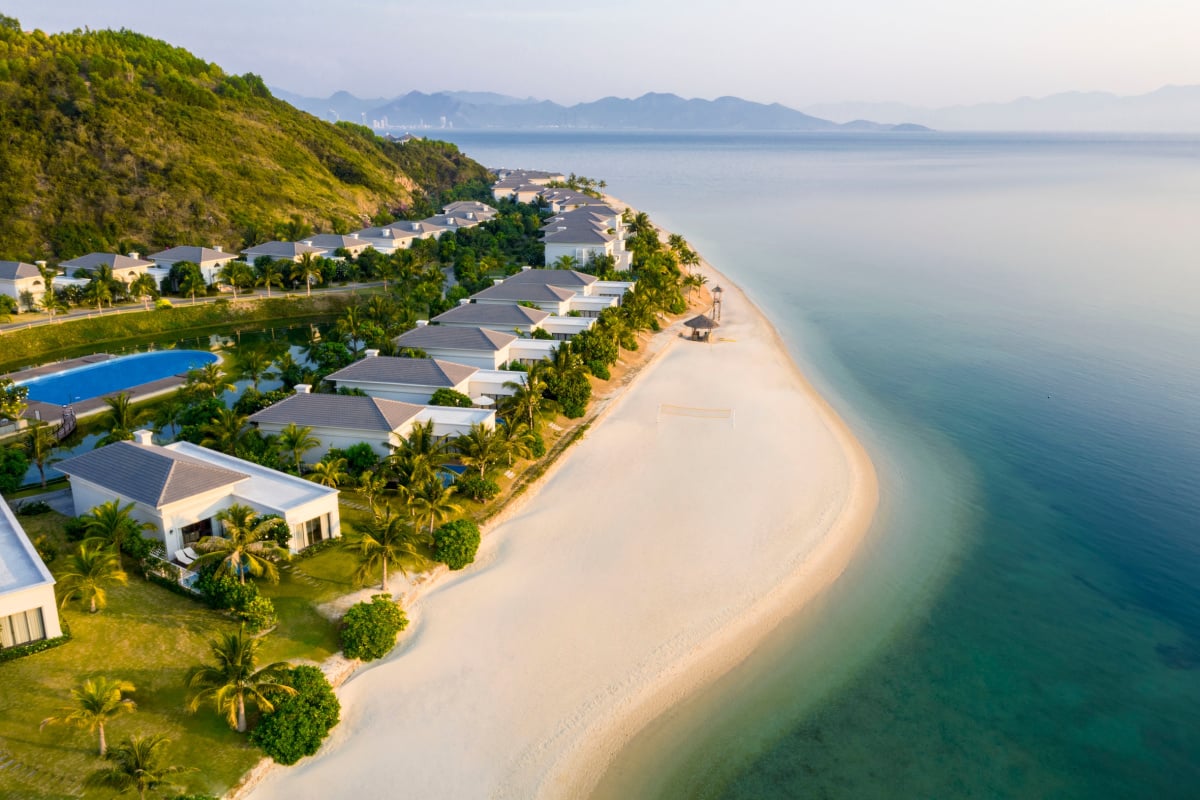
Outside Colombo, it’s all about lush nature and slow living in peaceful coastal villages.
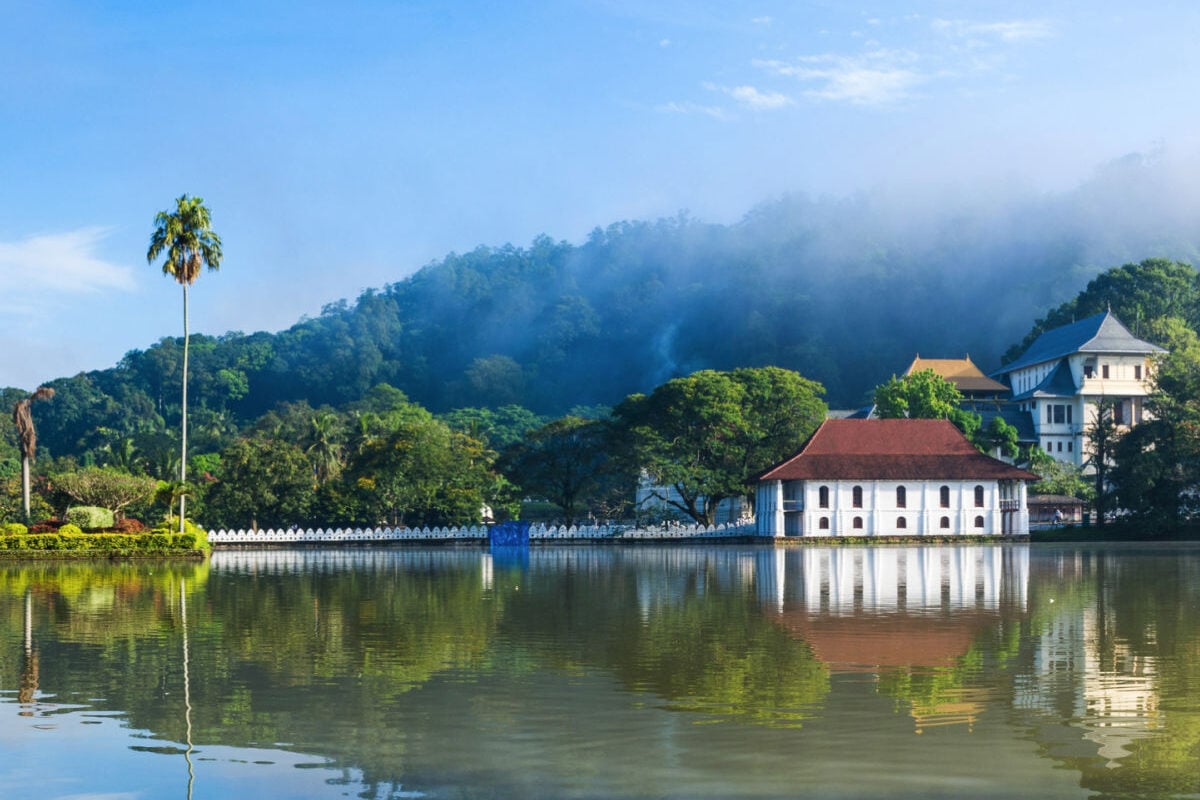
Take Kandy, for instance: as sweet as the name sounds, it’s a boho surfer’s paradise backed by laid-back youth hostels, and offering several miles of powdery golden sands.
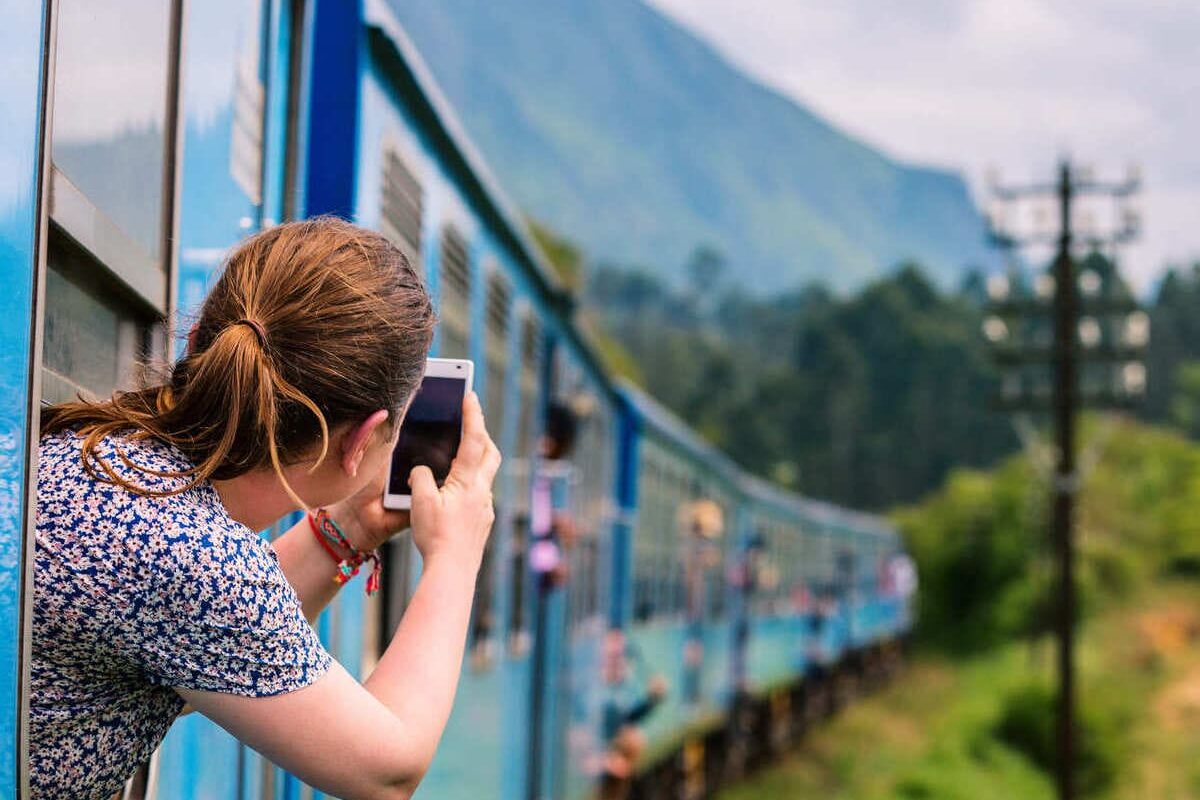
Of course, it’s not a trip to Sri Lanka until you’ve snapped the iconic photo half-hanging from the side of the blue train as it bends around a sea of jungle, on your way from Kandy to Ella.
If it’s wildlife and adventure you seek, Yala National Park, the largest national park on the island, has that and then some. Think elephants, leopards, and dusty safari tracks cutting through untamed wilderness.
How Safe Is Sri Lanka?
Now, Sri Lanka is no South Korea or Japan, meaning it’s not in the ‘pickpocketing-is-unheard-of’, futuristic, hyper-efficient, high social cohesion side of Asia. It has real Emerging Country problems, and at times, it can feel a tad rough around the edges.
You might want to steer clear of certain areas of Colombo, like Pettah or Grandpass, unless you’re traveling with a knowledgeable local you trust, and for women particularly, traveling solo around the country can carry its challenges.
You wouldn’t know this if the only Sri Lanka you know is a 16-second, dreamy sunset-filtered Insta reel sequence you saved to your bookmarks folder, and that’s why we always recommend travelers check:
1) The official Travel Advisory,
2) How the destination in question ranks on the Traveler Safety Index.
Not to be biased here as we’re the ones who developed it, but it is the single most accurate benchmark for gauging the safety situation on the ground, based on reports from actual travelers and government advisories.

In Sri Lanka’s case, it still scores a decent 75 out of 100 in safety levels.
It’s basically one of those ‘don’t mess around to find out’ kind of destinations where you don’t want to be caught walking haplessly in a deserted street at night, or leaving items unattended, like they might not be snatched in a split second.
This Is NOT The End Of The Sri Lankan Visa
Sri Lanka’s truly the new coolest kid on the block, but there was always some red tape keeping bureaucracy-wary travelers at bay.
For starters, it is not exactly a visa-free destination for most Westerners, and though the Government had been toying with easing visa rules for quite some time now, it never actually materialized.
You still needed to go online, fill out lengthy online forms, submit the documentation, wait for what felt like years—3-day deadlines that turn into a week, or in some worst-case scenarios several—and naturally, pay a $30 to $50 fee, depending on the visa requested, whether it was multiple entries, and length of stay.
Once again, Sri Lanka has not done away with the mandatory travel permit. It’s just made it a tad simpler and more straightforward to get. Plus, it’s free to apply now.
By the way, if you’re flying internationally this season, do make sure you run a little country check on the Entry Requirement Checker prior to heading to the airport.
You never know where stricter visa rules apply, and now more often than not, just grabbing your passport and dashing to the boarding gate oftentimes is not quite enough.
The Travel Off Path Advantage: Your Travel Toolkit
Subscribe To Our Latest Posts
Enter your email address to subscribe to Travel Off Path’s latest breaking travel news, straight to your inbox.


Stacie Harris is a local resident and reporter of the Maple Grove area. Stacie reports on medicine and science for the Maple Grove Report.