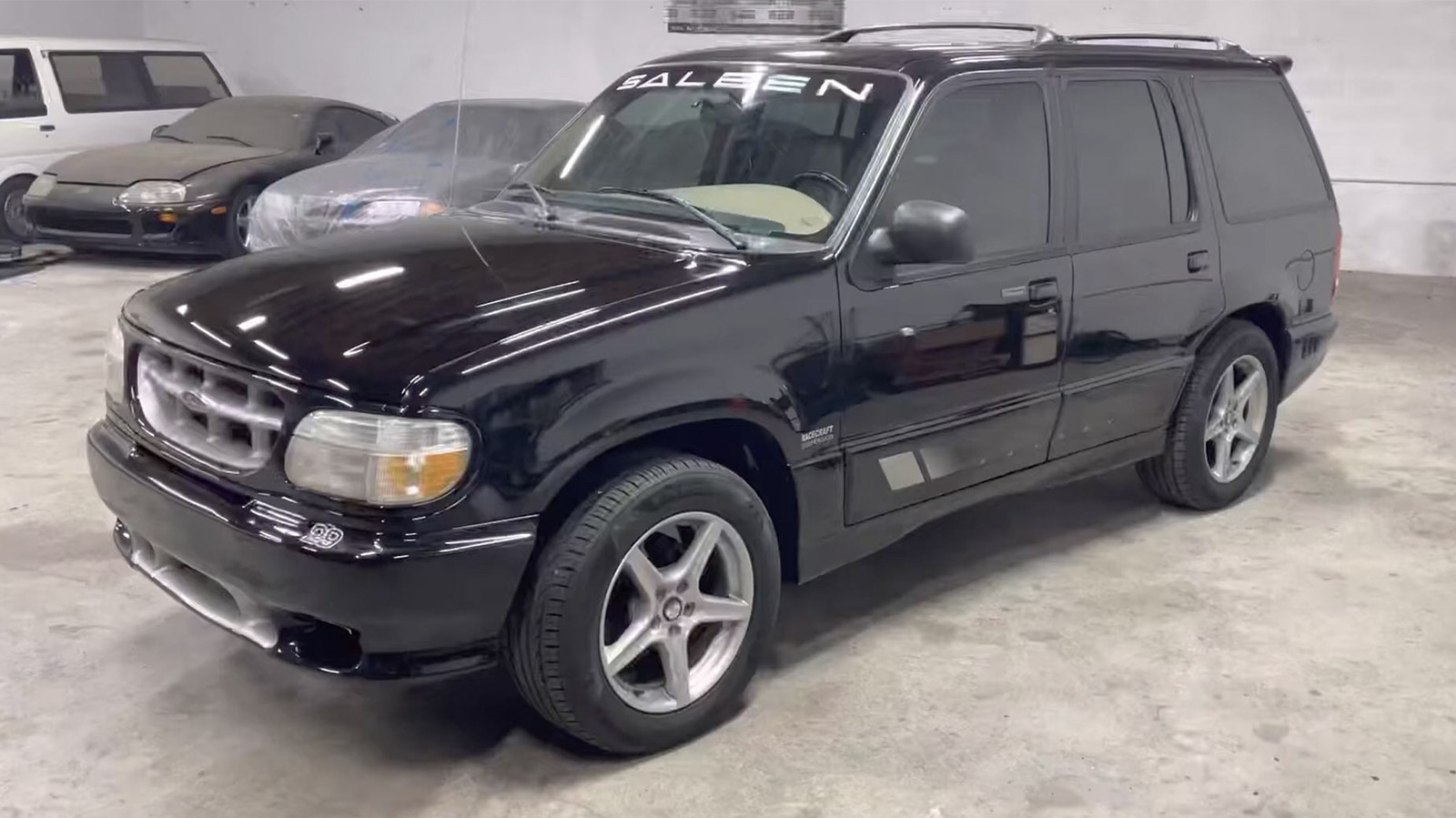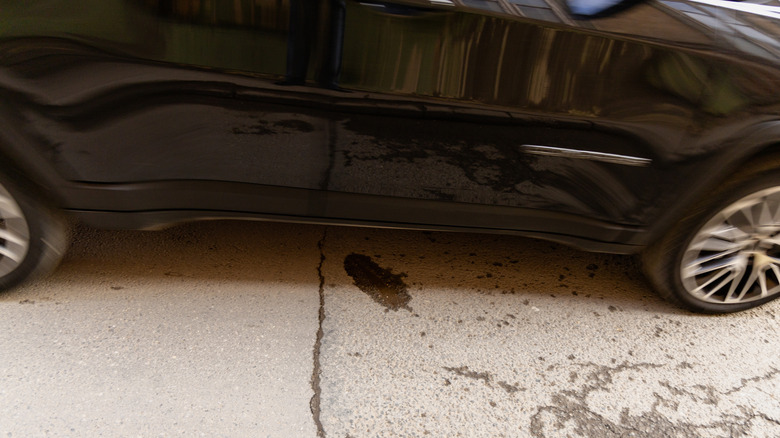

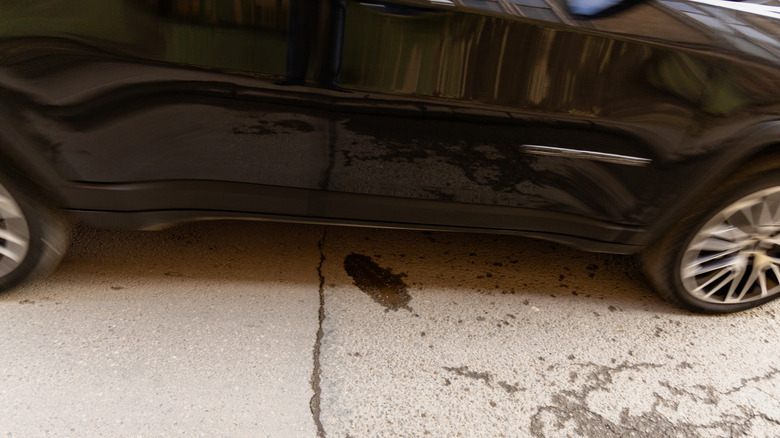
Keeping a clean driveway is about more than just pulling weeds or blowing leaves away during the fall. It’s also about preventing staining from motor oil and other engine fluids, which is a common problem with concrete driveways. Of course the best prevention is to not do any sort of DIY vehicle maintenance, including oil changes, in your driveway. If you have to use that space because you don’t have a garage, you should put cardboard down to catch any drips before working.
To prevent stains that occur outside of maintenance, you can use a concrete sealer. One option is to use a driveway sealerthat can actually penetrate the concrete itself. These products are designed to decrease the absorption of not only oil, but grease, water, and other fluids as well. You want to avoid a sealer that just sits atop the concrete and leaves behind a slick film after it’s applied; choosing one that uses a formula designed to repel oil and transmission fluid specifically makes spills easier to clean after the fact.
The reason that concrete can stain so easily has to do with its structure. While it may look solid concrete, actually has tiny spaces and channels throughout. These imperfections form as the concrete cures, making it extremely porous. The small openings inside allow liquids like oil, water, and other fluids to soak into the surface instead of just staying on top. This is why stains can set in so quickly and become difficult to remove.
The truth about concrete sealers and oil stains
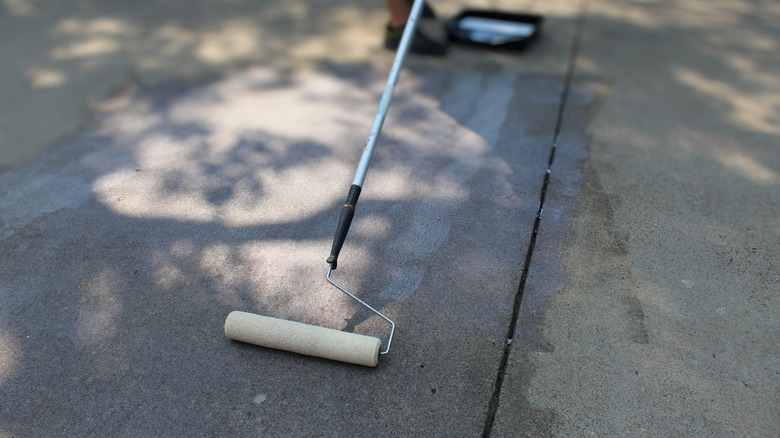
While a penetrating concrete sealer can help prevent fluids from staining your driveway, there can be a downside to using one. Depending on the product you choose, you could change the appearance or even the texture of the concrete itself. Or you could use a formula that traps moisture, needs more ongoing maintenance than expected, or wears out faster than it’s supposed to. It’s important to do your homework on the sealer you want to use and research real-world use cases on the manufacturer’s website.
Beyond prevention, cleaning up oil stains after the fact can help make your old driveway look new again. The problem is that once these stains are set in, it’s much harder to get rid of them, which means you need to take care of them as soon as possible. Cat litter, paper towels, or sawdust can be used to soak up excess oil before it has a chance to go deeper into the concrete. Then you should sweep away any dirt or debris before you begin cleaning up the stain.
When it comes to the cleaner or degreaser you use, be sure you select one that’s capable of removing oil stains. Otherwise, it may not be effective enough to get the job done. Use appropriate safety gear when applying it and then grab a cleaning brush with stiff bristles to thoroughly scrub the spot. You may need to do this more than once, especially if the stain has already set into the concrete.

Stephan is the sports journalist for the Maple Grove Report.