
New European train routes are a dime a dozen, as we say stateside.
Brand new train companies, though?
Now that’s a different story — and unquestionably one worth telling, especially when it leads to one of Central Europe’s last remaining breathtaking towns, the kind of place that will truly rock your socks off…or your Crocs off, if you packed for comfort over dignity.
Remember when Frozen came out and was all the rage?
Everyone and their child was belting out Adele Dazeem’s hit song (“Let It Go”) and seeking out the closest real-life fairytale village.
Well, they skipped one…
The Travel Off Path team is stoked to present to you Austria’s best-kept secret that’s set to be easier to reach than ever once a game-changing rail line launches from Vienna.
Be sure to check the latest Travel Alerts & Entry Requirements before your trip.
All Aboard! Vienna Is Europe’s New Springboard
Unless it’s Christmas-market season, a favorite of mine if I do say so myself, you don’t often hear about Vienna being the centerpiece of anyone’s European getaway.
Vienna realizes its gorgeous city is often an add-on when vacationing in nearby countries, so it’s seeking new ways to get you here.
Ironically, they’re also finding you new ways to get you out, but spending time and money here nonetheless…
Vienna will be home to Silverstar Railways, said to be a luxury-style train, which of course is no surprise considering the city’s magnetizing opulence from its grand boulevards to staggering imperial palaces.
Passengers can opt for an all-inclusive package along the 7-stop journey, ultimately ending up in the region of Salzkammergut, known for its wondrous lakes and sky-scraping mountain ranges.
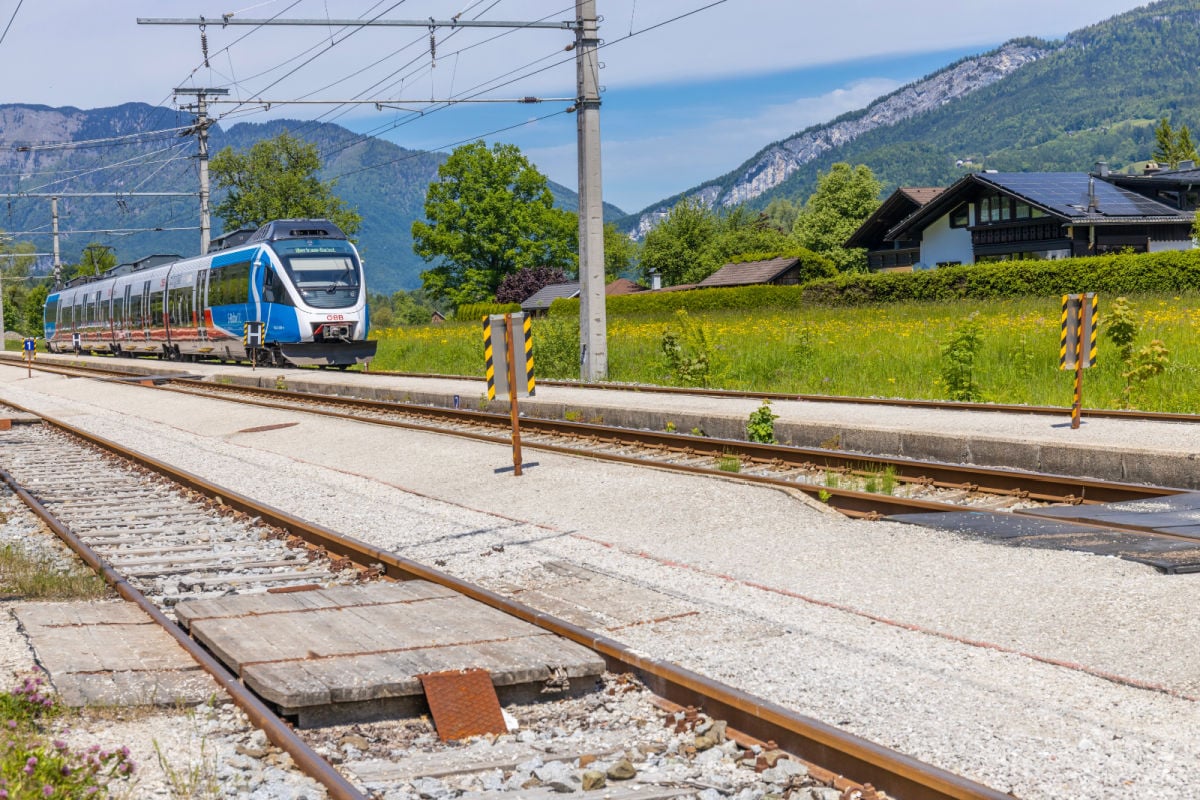
Though founded in 2024, the start-up rail operator has lofty goals over the next year, preparing to launch its first-ever route to a Frozen-esque alpine town 99% of even the most seasoned tourists skip.
That would be Bad Aussie. There’s a joke in there somewhere, but we’ll leave the punchlines up to you…
Kidding aside, Austria is about to reveal another mountainside charmer besides Salzburg once travelers discover simply that exists in the first place.
The STAR-Blue train is slated for launch May 2027, the luxe train will depart Vienna only Tuesdays and Thursdays through September before it transforms into a winter wonderland.
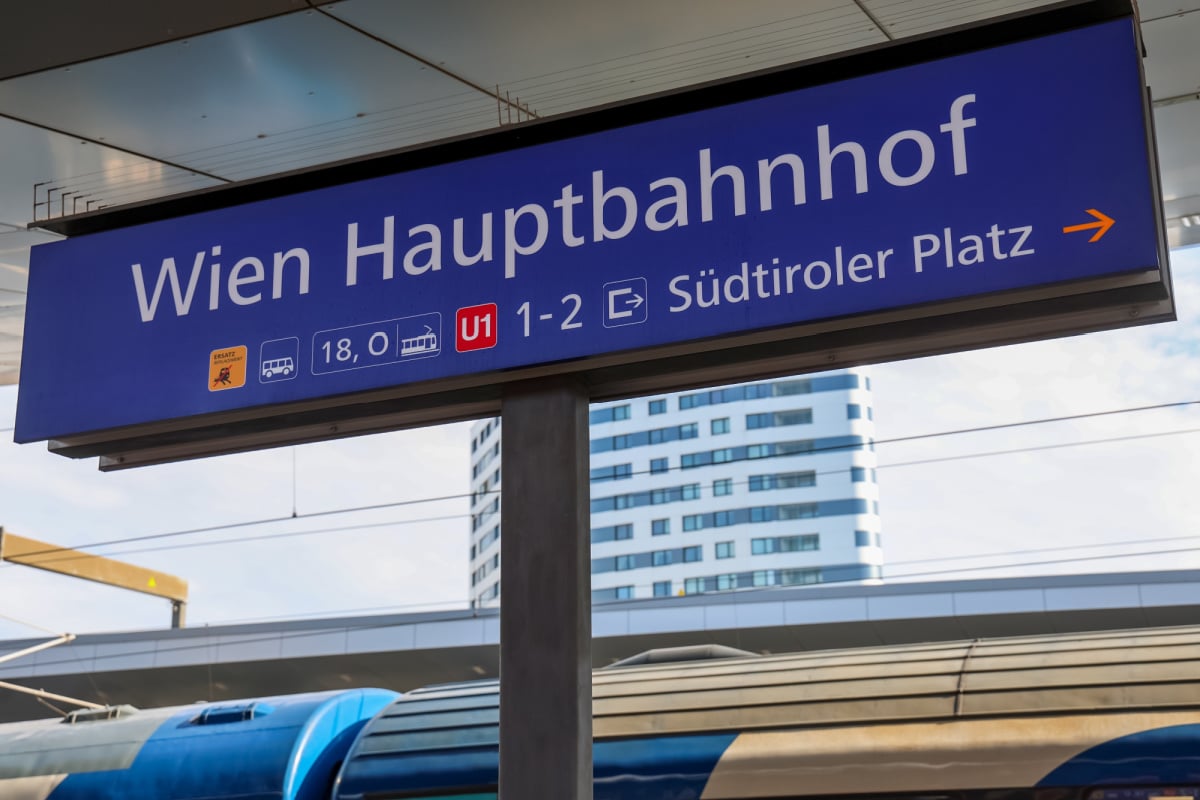
Better yet, Silverstar already has clearance to link Venice, and rumored to be chasing 6 more connections, including Slovenia and Croatia.
Here is the full route as confirmed by Silverstar’s LinkedIn post:
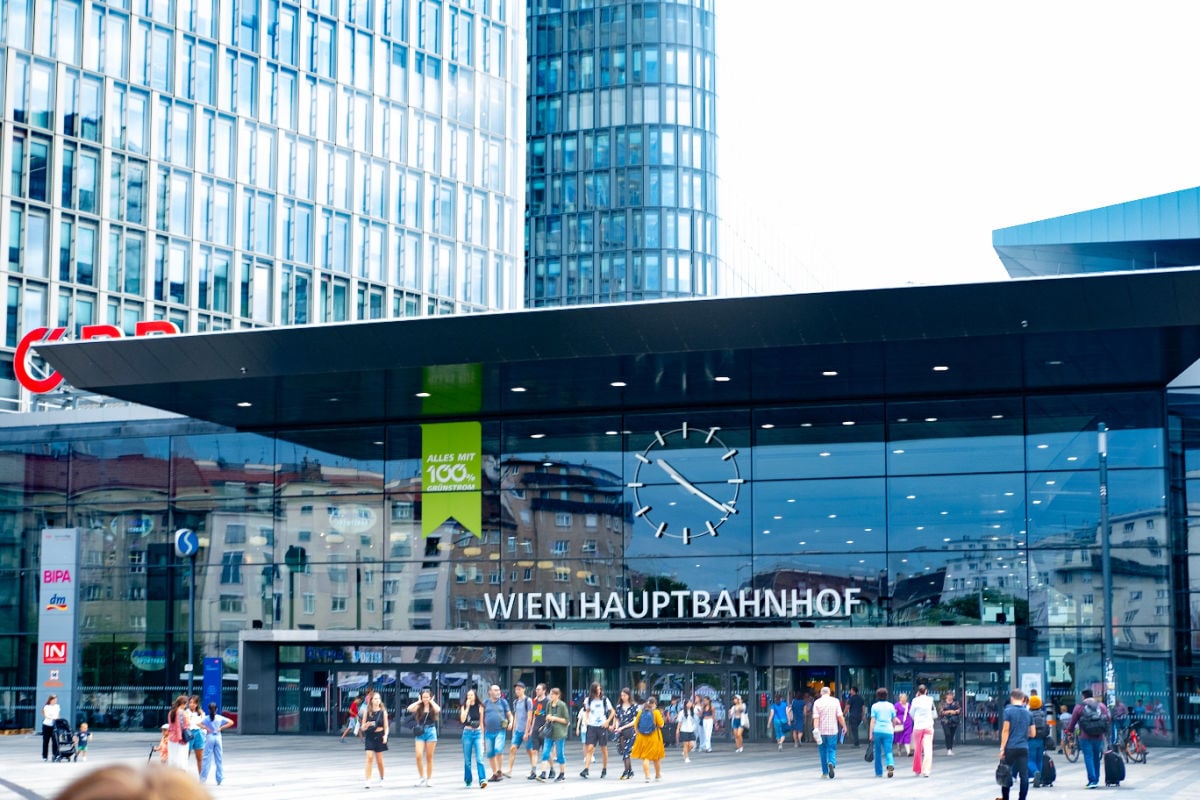
- Vienna Hauptbahnhof
- St. Pölten
- Linz
- Gmunden
- Bad Ischl
- Hallstatt
- Bad Aussee
Hallstatt’s Unknown Doppelganger
Hallstatt may not be a name you immediately recognize, but it’s the one town in Austria that became so overloaded with tourists during the Frozen craze that officials had to impose limits on visitors.
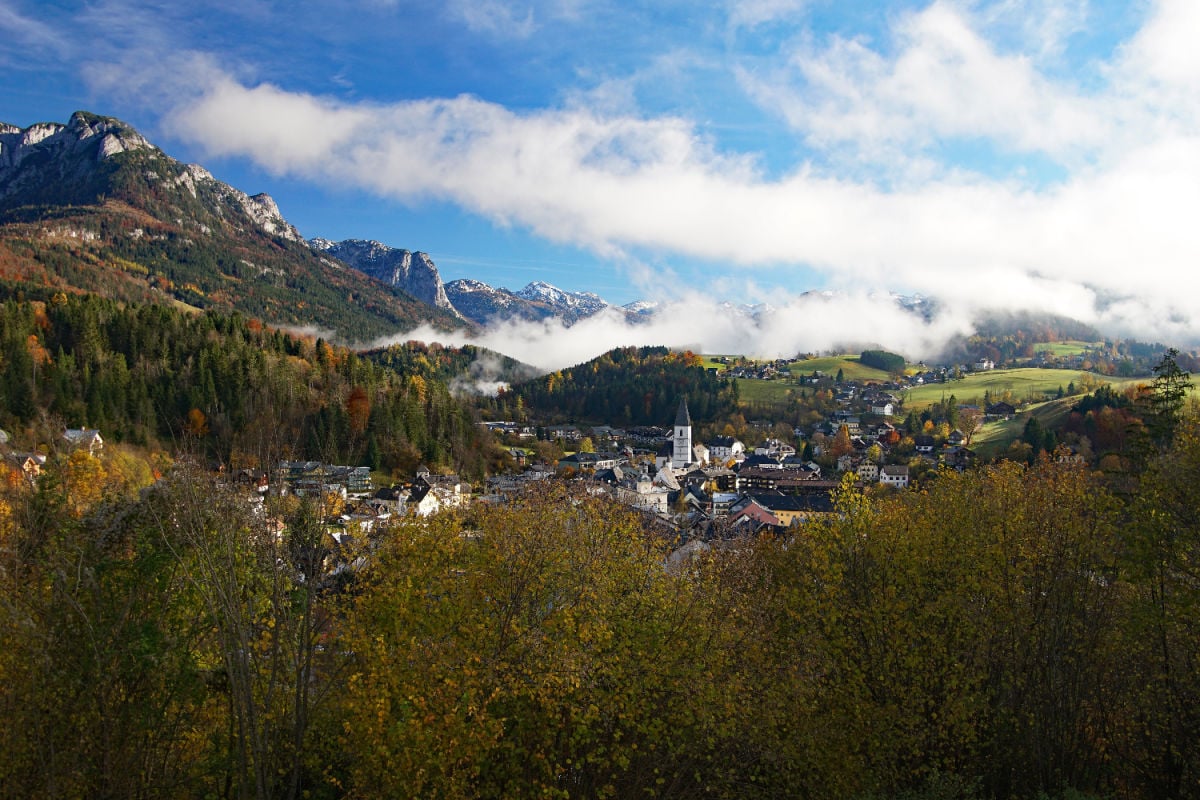
I’ve made a lot of definitely-hilarious quips about getting your eyes poked out with selfie sticks over the years, and largely that’s unrealistic.
But Hallstatt is such a tiny town, it’s not meant for people to flock here in hordes, so it could’ve actually happened.
What’s ironic is — as you can see — Bad Aussie is just one stop away. While the train route didn’t exist during the Frozen era, it still wouldn’t have been that hard to reach, being so close.
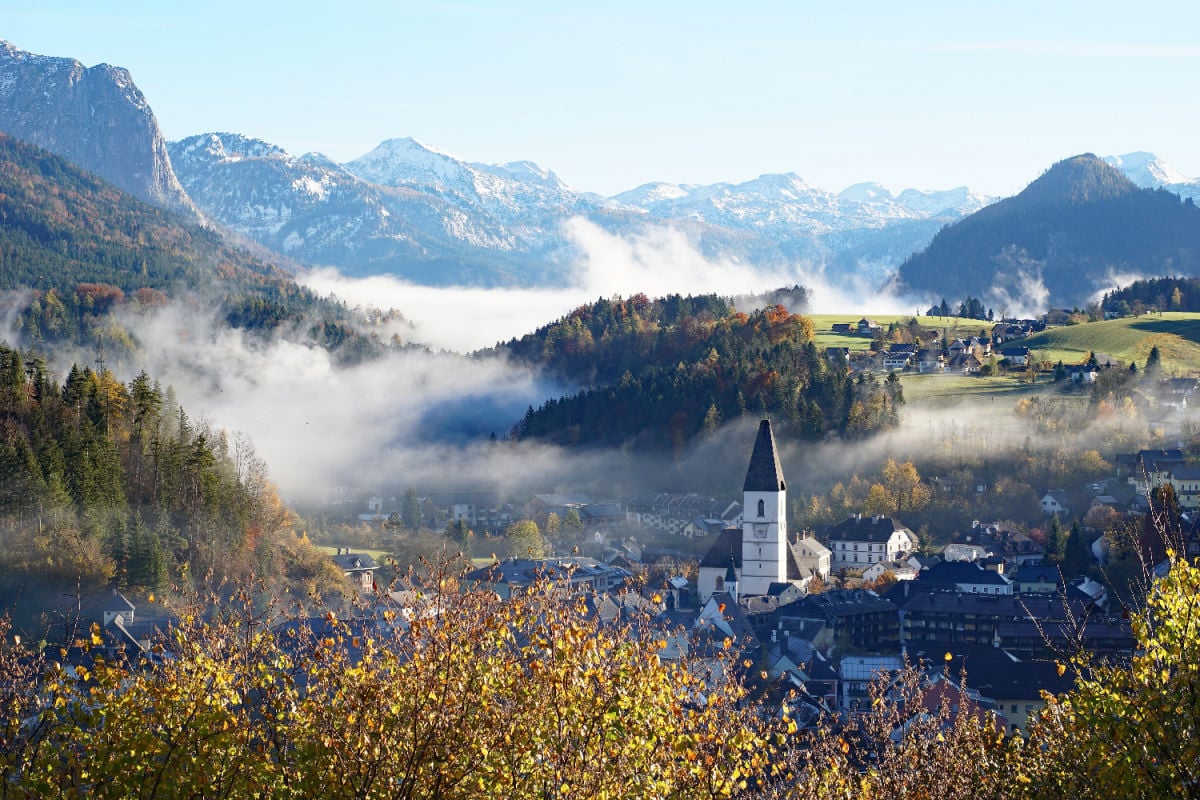
Boasting nearly an identical dreamscape of alpine chalets and sweeping mountain backdrops, now travelers can give Hallstatt a much-needed breather in favor of a spitting-image dupe that’s far less touristy and just as majestic.
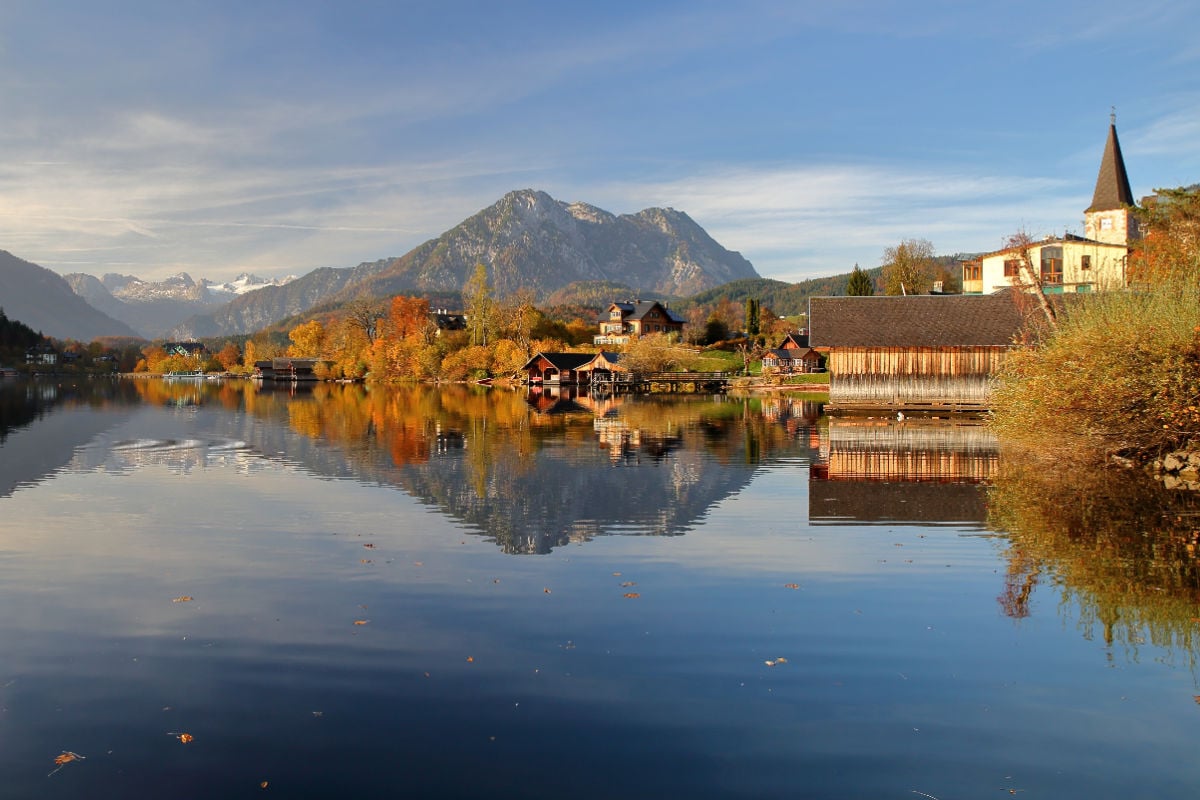
No, there’s no lake lapping at the edge of town like Hallstatt, but Bad Aussee still delivers the same magic Salzkammergut is known for, along with Lake Altaussee, Grundlsee, and Toplitzsee in close reach.
In other words, it’s Bad Auss.
I try…
Frankly, that joke gets crickets anyway since Bad Aussee is pronounced “Baht OW-zeh.”
What To Do When You Get Here
Other than gawk at its towering mountains and postcard townscape, Bad Aussie is known amongst locals for wellness tourism and Austria’s largest flower festival.
Anchored by the Narzissen Vital Resort, a saltwater spa and suite hotel beneath the Dachstein and Loser peaks.

This relaxing hotel uses natural brine from the Altaussee salt mountain, with a salt grotto, saltwater lake, and salt-inhalation steam room.
Meanwhile, I’m just stunned I found a combo that’s saltier than my ex.
Think of Bad Aussee as It’s Hallstatt’s calmer(albeit salty) cousin, yet there’s still plenty to do than take selfies and dip out.
Here are 3 must-do’s beyond its renowned spa scene:
- Lake Altaussee: Crystal-clear water, postcard mountain views, swimmable waters, and lakeside strolls just on the outskirts of town
- Loser Mountain: Scenic hiking, panoramic views, alpine drives, and one of the area’s best mountain backdrops
- Narzissenfest: A signature spring festival, with folk music and giant daffodil-covered figures paraded through town
Austria Is One Of Europe’s Safest Countries
It doesn’t matter if you’re in Vienna, Salzburg, Bad Aussee or far-reaching Vorderweißenbach, Austria has been deemed safe to visit by not only fellow travelers, but the U.S. State Department’s “Level 1: Exercise Normal Precaution” advisory — the lowest possible designation.
Travelers currently score Austria 90/100 on our very own Safety Index.


Stacie Harris is a local resident and reporter of the Maple Grove area. Stacie reports on medicine and science for the Maple Grove Report.