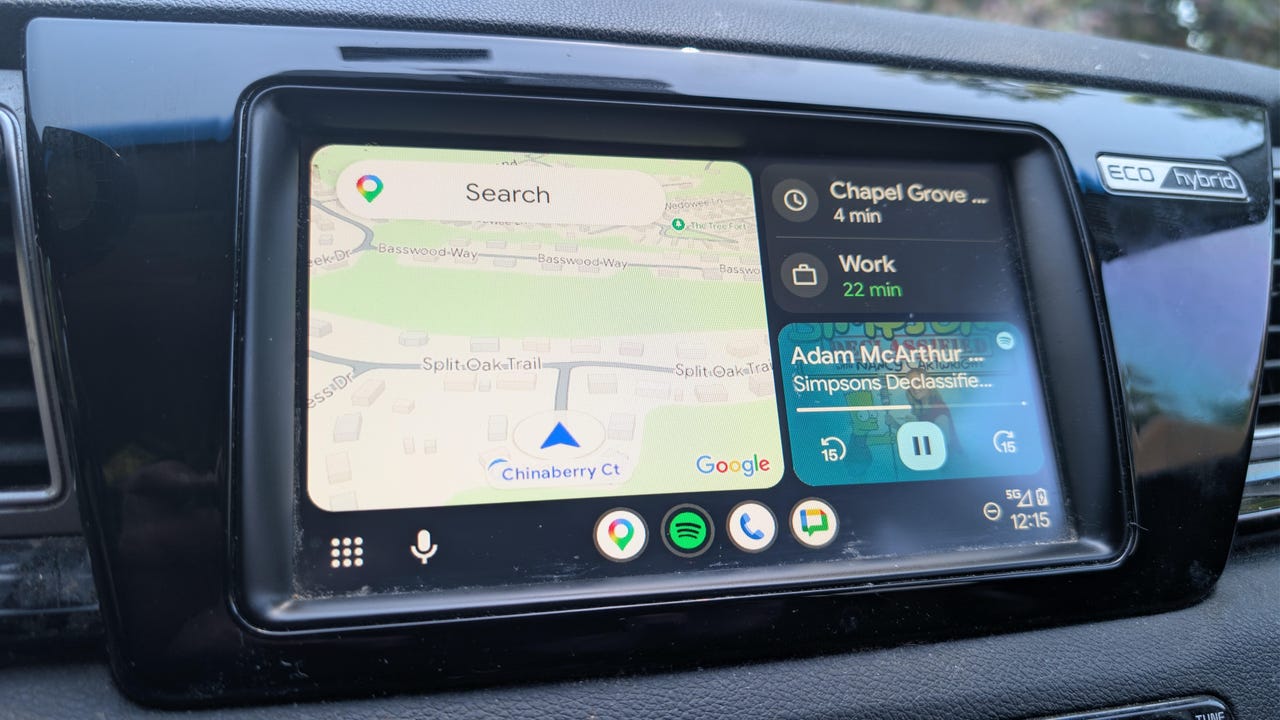
5 Android Auto mistakes you’re probably making – and how to fix them


android-auto-safety

Artie Beaty/ZDNET

Follow ZDNET: Add us as a preferred source on Google.


ZDNET’s key takeaways

  • Users make several common mistakes with Android Auto.
  • These mistakes can trigger technical issues or cause you to miss features.
  • Some mistakes concern phone settings, others involve cables. 

Android Auto can make your drive less boring, more efficient, and even safer, but only if you’re using it the right way. After spending several months getting very acquainted with Android Auto and discovering a number of new ways to use it, I’ve started noticing other drivers make the same mistakes I used to make. 

Also: 4 Android Auto developer settings that make driving so much easier – how to enable them

Chances are, you’re making at least one of these mistakes without realizing it. Not only could you be missing out on the software’s full capability, but you might also be causing issues that make Android Auto unusable. 

How to handle these 5 common mistakes

Here’s a look at some of the most common mistakes I see other drivers make with Android Auto, and what you can do to fix them. 

Mistake 1: Using a cheap cable

Connecting your phone to Android Auto with a cable from your junk drawer or from the gas station is the cause of many problems. Some cables only support data transfer at very slow speeds, or not at all, and even a damaged or old cable can cause issues. Android Auto uses a lot of data, and if you’re using a cable that’s designed for charging only, it might cause connection problems, lagging, or random dropouts. 

Also: I switched to MyRadar as my main Android Auto weather app and don’t regret it

Make sure you’re using Android Auto with a data transfer cable from a reputable brand — Anker is a good bet — and that you’re not using an unnecessarily long cable. A longer cable makes the connection susceptible to degradation. 

Mistake  2: Always connecting wirelessly

Wireless is definitely convenient, but it’s not always the best way to use Android Auto. I’ve tested both ways myself, and the wired version is noticeably faster and more responsive. A wireless connection also taxes your phone more — it uses Wi-Fi and Bluetooth constantly, which drains your battery. If you’re just connecting for music on your daily drive, you’re probably good with wireless, but if you’re running multiple apps and navigating, or settling in for a road trip, you’ll want to use a wire.

Also: Overheating from Android Auto? 8 easy fixes that effectively cooled off my phone

Mistake 3: Turning on battery optimizer/saver

There are lots of times you want to make sure an app isn’t sucking up too much battery, but this isn’t one of them. If you have battery optimizer on, which throttles apps that are hogging too much battery, or battery saver, which enacts restrictions across the board, your Android Auto will likely suffer. To make sure, head to Settings > Apps > Android Auto > Battery and choose “Unrestricted.” 

Mistake 4: Not taking advantage of offline maps

This is a mistake that can catch you off guard when you might need Android Auto most. You have the option to download a map for offline use in Google Maps, and if you’re road-tripping or you regularly drive in an area without cell service, you might lose navigation. You may never need offline maps, but the one time you do, you’ll be glad you have them. 

Mistake 5: Ignoring Gemini voice controls

If you’re under the assumption that voice controls in Android Auto are too frustrating to use because they never work (I was that way), you’re missing out, because things have gotten a lot better with Gemini. In two different trials with Gemini in Android Auto, I’ve learned that voice controls have progressed far beyond “Play a song” or “Read my texts.” I believe that Gemini integration is one of the biggest improvements to Android Auto in a long time. 

Also: These 4 Android Auto settings made my daily commute less distracting – where to find them

Android Auto is at its best when it “just works,” but small things can get in the way of a great experience. The good news is, most of those things are easy fixes once you know what to look for. 


Source link

Leave a Reply

Subscribe to Our Newsletter

Get our latest articles delivered straight to your inbox. No spam, we promise.

Recent Reviews


You’ve built your small business from the ground up. It’s your pride and joy, your financial security, and a potential legacy for your family. But what happens to your business interests after you’re gone? Without proper estate planning, your small business could face a chaotic future, disrupting operations, hurting employees, and jeopardizing your loved ones’ inheritance.

Business estate planning is your secret weapon. It’s not just for the ultra-wealthy with complex trusts and wills. For small business owners, it’s a crucial tool to ensure business continuity and protect your business value. Here’s how you can craft a comprehensive estate plan:

Know Your Business Inside and Out

The first step in your estate planning process is taking a deep dive into your business affairs. Make a list of all your business assets: equipment, inventory, intellectual property, and real estate.

Furthermore, don’t forget your business debts like loans and outstanding payments. This comprehensive list helps you understand what needs protecting and planning for in your estate planning documents.

Chart Your Business’s Future Course

What do you envision for your business after you’re gone? Should it stay in the family? Be sold to a trusted partner? Wind down entirely? This is where business succession planning comes in. It’s about deciding the future of your business in a way that honors your legacy and sets your team up for success.

Here are some questions to consider:

  • Family Business? Do you have a family member who shares your passion and has the skills to lead?
  • Trusted Partner? Is there a key employee you see as the ideal successor?
  • Time for a Change? Are you open to selling the business to ensure a smooth transition?

There’s no right or wrong answer. The key is to have open conversations with your loved ones and key employees to understand their goals and aspirations. This will guide you in crafting a business succession plan that feels right for everyone involved.

Develop a Rock-Solid Business Succession Plan

This plan outlines who will take over your business and how. You might identify a family member, a key employee, or even an outside buyer. The business succession plan should detail the transfer process, including training and timeline.

Here’s how to craft a plan as strong as your business itself:

  • Identify Your Successor: It could be a family member you’ve been mentoring, a trusted key employee, or even an outside buyer.
  • Groom Your Successor: Start by involving them in key decisions to give them opportunities to learn the ropes.
  • Plan for the Unexpected: Have a backup plan in place. Identifying another potential leader or outline a buy-out option for remaining partners.

An experienced estate planning attorney like Keele & Parke can help you draft a legally sound plan that considers state law and tax implications.

Avoid Conflict with Ironclad Sell Agreements

If you have co-owners, a sell agreement is vital. This agreement dictates what happens to a deceased or incapacitated owner’s share of the business. It prevents conflict among remaining partners and ensures a smooth ownership transition in your overall estate plan.

Wills vs. Trusts: Choosing the Right Tool

A will can designate who inherits your business assets. But the problem is it can be a slow and public process through probate court.

Here’s where a revocable living trust comes in. Think of it as a private vault that holds your business assets during your lifetime. You can name yourself as trustee, so you’re still in control.

Another thing, you can designate a successor trustee to seamlessly take over managing the business if you become disabled or pass away. This avoids probate and keeps things running smoothly for your loved ones and your employees.

Wills are still important for your overall estate plan, especially for personal assets outside the trust. But for your business, a revocable living trust offers flexibility, privacy, and peace of mind.

Minimize Estate Taxes Through Strategic Planning

Nobody wants a big chunk of their hard-earned business value going to the government after they’re gone. That’s where estate taxes come in, and they can be a real burden for your family. But don’t worry, there are smart estate planning strategies you can use to minimize the impact of these taxes.

  • Smart Business Structure: The legal entity you choose for your business can impact your estate taxes. Talk to your estate planning attorney about structuring your business as a limited liability company (LLC) or another entity that might offer tax advantages.
  • Explore Powerful Trusts: There are special types of trusts, like grantor retained annuity trusts (GRATs), that can be used to transfer ownership of your business interests to your heirs while minimizing the taxable value of those assets.

The right strategy for you will depend on your specific situation and goals. That’s why it’s crucial to work with an experienced estate planning attorney and financial advisor. They can help you create a personalized plan that minimizes your estate taxes and protects your legacy.

Don’t Neglect Your Personal Estate Plan

Your business is just one piece of the puzzle. You also need a personal estate plan that includes a will, power of attorney, and healthcare directives. Without it, your loved ones could face a legal mess during tough times. Bills might go unpaid, important decisions could be delayed, and family heirlooms could end up in the wrong hands.

An estate plan ensures your wishes are followed. It names guardians for your minor children, designates beneficiaries for your personal assets (like your home and savings), and appoints someone you trust to make healthcare decisions if you’re unable to. This gives your family peace of mind knowing they’re taken care of, even in your absence.

Life Insurance: A Lifeline for Your Loved Ones

A life insurance policy provides your beneficiaries with a lump sum of cash upon your death. This can be crucial for surviving family members or business partners, especially if they need to buy out another owner’s share through a sell agreement or pay estate taxes.

Regularly Review and Update Your Plan

Life circumstances change, and so should your estate plan. Regularly review your plan, especially after major life events like marriage, children, or changes in your business structure.

Seek Professional Guidance for a Comprehensive Plan

Business estate planning involves complex legal and financial considerations. Don’t try to go it alone. Consult with an experienced estate planning attorney specializing in business succession planning and a financial advisor with experience in small business matters. Their expertise can ensure your estate plan is comprehensive, legally sound, and achieves your goals for business continuity and protecting your loved ones.

Final Thoughts

Safeguarding your business is like protecting your family’s future. Take control. Schedule a consultation with an experienced estate planning attorney today. They’ll guide you through the process and ensure your legacy lives on.


Source link



