Lithium Batteries Won’t Stop Lighting Garbage Trucks On Fire


American households rely on a wide variety of batteries every day. You may even have a dedicated battery drawer filled with AAs, D-cell batteries, 9-volt and more. When many of these batteries die, we simply throw them in the trash and forget about them. While the EPA recommends that you recycle alkaline and zinc-carbon batteries, they are typically allowed in household trash. Lithium batteries, on the other hand, are governed by a stricter set of rules.

Lithium batteries are very different from alkaline batteries. They are found in most modern electronics like smartphones, fitness trackers, electric toothbrushes, shavers, and much more. They are rechargeable, lightweight, and have a long lifespan, making them a perfect choice for modern electronics. They should also never be thrown away in your household trash.

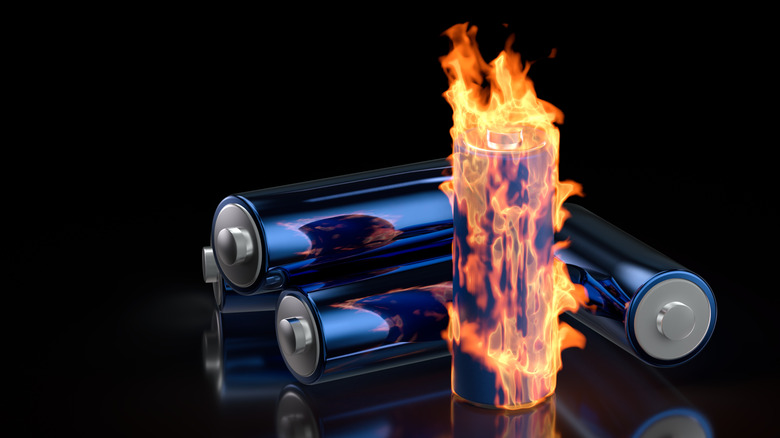
Lithium batteries are extremely flammable, especially if they overheat or are damaged or punctured. You may not notice a problem at home, but these batteries have caused both garbage truck fires and fires at dumps and recycling facilities. In late May 2026, the cities of Troy, Michigan and Roseville, California reported trash truck fires on the same day.

While concrete statistics are hard to find, the news is riddled with reports of recent garbage truck fires linked to these types of batteries, including additional incidents in Florida and Texas. These fires are not only dangerous for the drivers of the trucks and the surrounding community, but they also pose a risk to firefighters as well.

Why fires linked to lithium batteries are so dangerous
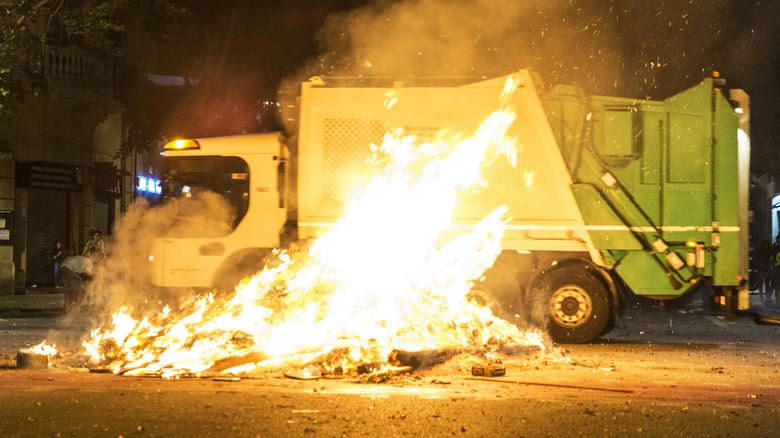
When you toss a lithium battery into the trash, it eventually ends up in a garbage truck, where it may be compressed and exposed to high heat. Once the battery ruptures, a fire can start fast and spread very quickly, either in the truck or at waste management facilities. When a fire erupts in a garbage truck, the driver often has to quickly dump the refuse on the street in order to save the truck.

These fires burn at high temperatures and can be difficult to extinguish. The batteries can also release toxic gases that are dangerous to those in the vicinity, and they can even reignite hours or days later.

To keep sanitation workers, firefighters, and even yourself safe, you should properly dispose of lithium batteries. First, place the battery in a separate plastic bag away from other trash or place tape over the battery terminals. Then, take them to a battery recycling drop-off location. If the battery is damaged, however, do not try to recycle it. Instead, contact the battery or device manufacturer for instructions on what you should do next.

Free drop-off locations are often available at electronics stores like Best Buy, hardware stores, and even some office supply stores. You can also visit Earth911 to find a recycling location for lithium batteries and other hazardous materials near you.


Source link

Leave a Reply

Subscribe to Our Newsletter

Get our latest articles delivered straight to your inbox. No spam, we promise.

Recent Reviews


We may receive a commission on purchases made from links.

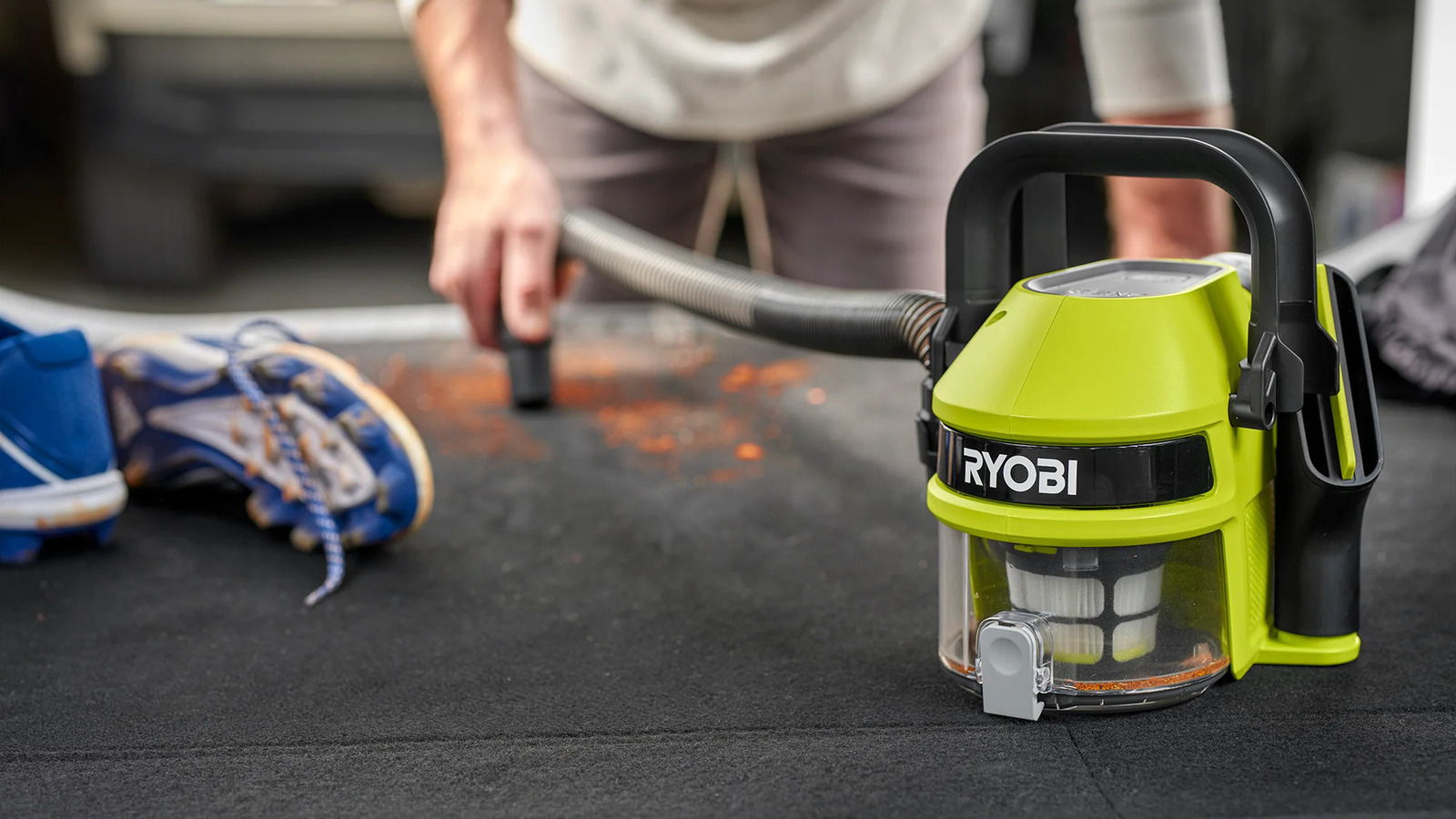
Ryobi regularly updates its lineup of cordless cleaning products with fresh additions, and one of the latest is the brand’s new 18V One+ GoGoVac. It’s available in tool-only form at Home Depot for $79, and will soon be available as part of a kit with a 2Ah battery and charger for $129. The GoGoVac is designed to combine the portability of a small handheld vacuum with the convenience of a flexible hose and crevice tool, and it looks noticeably different from the other handheld vacuums in Ryobi’s range.

A chunky handle at the top of the vacuum lets you carry it around with one hand while using the other to control the position of its hose and nozzle. The extendable hose is four feet long, helping it to reach into crevices and awkward corners that the brand’s other handheld vacuums might struggle to fit into. Ryobi also includes a pet hair tool to help remove embedded fur from furniture or flooring.

Thanks to its compact design and easy-to-grip handle, the GoGoVac is suited to a wide variety of jobs, both around the house and inside the car. Its dustbin can hold up to 16 ounces of dirt and debris, so if there are multiple smaller jobs you need to get done, you should be able to complete them without needing to repeatedly return to the trash bin. Thanks to its small size, it can also be a convenient cleaning companion for road trips and weekends away.

It’s part of Ryobi’s 18V One+ range

For Ryobi fans, a big part of the brand’s appeal comes from the fact that there are so many products that can be powered by the same 18V One+ battery packs. As well as the new GoGoVac, Ryobi’s 18V cordless tool range includes plenty of cleaning essentials, as well as a few cleaning tools you might not have realized existed. Among many other things, its current products include a carpet washer and even a submersible pool vacuum.

Another key selling point is Ryobi’s generous three-year warranty, which is included as standard with almost all of the brand’s new 18V One+ tools. The GoGoVac benefits from the same warranty, and when the GoGoVac kit launches, the included battery and charger will also receive the same period of coverage.

Compared to other Ryobi cordless vacuums, the GoGoVac packs an impressive amount of power. Its 45 inches of water (IOW) of sealed suction is almost double that of the 18V One+ powered brush hand vacuum, and slightly higher than its 18V One+ performance hand vacuum. It’s even more powerful than some of Ryobi’s range of stick vacuums, such as the classic 18V One+ stick vacuum, which has 25 IOW of sealed suction.

The removable filter promises to trap particulates collected by the vacuum’s powerful suction, but it will only be able to do its job for so long. Ryobi recommends changing the filter every 3-6 months, adding an extra cost to factor into the purchase price.


Source link