ChatGPT set for a major redesign that moves away from chat


OpenAI is preparing a significant overhaul of ChatGPT that shifts the platform’s emphasis away from conversational AI and towards agentic tools and coding capabilities, according to a report from the Financial Times.

The redesign, which the Financial Times reports could arrive within weeks, reflects a growing internal conviction at OpenAI that the chatbot format has run its course as the company’s primary product focus.

That conviction reportedly extends to at least one OpenAI employee describing the situation in stark terms, with the phrase “chat is dead” circulating internally as shorthand for the belief that AI agents represent a more commercially valuable direction than the text-based exchanges ChatGPT built its reputation on.

The revamped platform would consolidate OpenAI’s Codex coding toolset alongside its AI agent capabilities into what the company is internally calling a “superapp,” with the unified interface expected to launch first across web and mobile.

Codex stands to gain notably from the restructure, with OpenAI reportedly allocating greater resources and more prominent placement to the tool as part of its effort to close ground on Anthropic, whose Claude has drawn considerable developer attention as an agentic and coding-capable model.

Advertisement

The shift also arrives as OpenAI works towards an initial public offering, a commercial context that places pressure on the company to demonstrate revenue from its AI products rather than simply user volume from a free or low-cost chatbot experience.

The monetisation challenge that chatbots present reflects a structural tension familiar across the AI industry, where high infrastructure costs and freely accessible interfaces have historically made it difficult for companies to convert large user bases into reliable subscription or transaction revenue.

ChatGPT’s trajectory towards advertising further underlines that commercial calculus, with OpenAI having confirmed earlier in 2026 that the platform would begin serving ads to users.

OpenAI has not confirmed a specific launch date for the redesigned platform, though the Financial Times report suggests the rollout timeline sits within the next few weeks.


Source link

Leave a Reply

Subscribe to Our Newsletter

Get our latest articles delivered straight to your inbox. No spam, we promise.

Recent Reviews


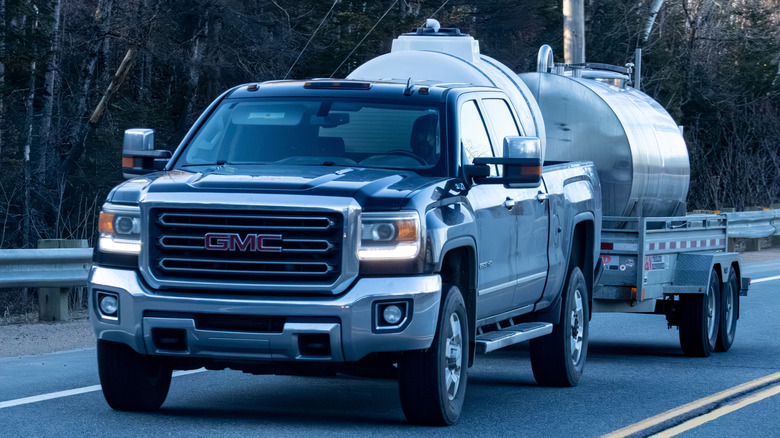
Towing can be a very stressful activity for your truck. If you think of its engine as the beating heart of your truck, then the oil flowing through it is its blood supply. Changing your truck’s oil at the proper intervals keeps it fresh and performing at its peak, which is particularly important if you regularly tow heavy loads. If you tow often and have ever wondered whether it changes how often you need to change your oil, you’re in the right place.

The stress of towing comes in many forms. Towing creates higher friction and generates more heat in your engine. These conditions will cause your oil to wear out much faster, so you should change it more often. A good rule of thumb is to change your oil twice as often as you would if you were not towing, and more frequently if you tow regularly or notice any warning signs. 

These warnings can include reduced fuel efficiency compared to what you normally experience while towing, increased vibration, smoke from your exhaust, strange smells, a noisier engine than usual, or the oil warning light coming on. Consider any of these signs as red flags — pull over and check your oil immediately before it gets any worse. If you’re feeling handy and you’d like to save some cash, it’s also pretty easy to change the oil yourself.

Other factors to bear in mind

You should be aware that towing is generally considered a “severe driving condition,” to quote the Ford F-150 manual. If you use your truck for towing, consult your owner’s manual to see if your manufacturer specifies specific service intervals for these more intense use cases. Newer trucks may also feature oil-life monitoring systems that take the added wear and tear of towing into account and can alert you when the oil needs to be changed.

Other considerations that should be part of your truck’s oil change schedule include the type of oil you use. Synthetic oil is generally preferable for engines that tow regularly, but you should always consult your owner’s manual and use what it recommends for towing or other severe uses. You should also consider the oil weight if you endure harsh winters or if your truck must operate in extreme conditions. Finally, check your oil level regularly to ensure you don’t end up towing with an engine that’s low on oil. Overall, more frequent oil changes in a truck you use for towing will pay off in many ways. It will help keep your truck’s engine in better shape, with fewer issues and less downtime. 


Source link