
When you are looking for a beach vacation that is genuinely off the beaten path, two things matter more than anything else: safety and hospitality. Finding an untouched paradise doesn’t mean much if you feel uneasy walking around at night or if the locals aren’t happy to have you there.
Unfortunately, across most of Mexico’s famous coastlines, finding that perfect balance is getting harder by the day. Hotspots like Cancun and Tulum are completely overrun by mega-resorts, massive crowds, and sky-high prices.
But if you look just outside the typical tourist zones, one of the last true frontiers for beach tourism is quietly waiting for you.
Traveling anywhere that feels genuinely undiscovered without being welcomed by the locals can make a sketchy situation even sketchier. Fortunately for you, one of Mexico’s last true frontiers for beach tourism actually wants you to visit. Finding a welcoming, untouched beach town is somewhat of a unicorn sighting in the day and age of massive mega-resorts and overtourism protests across the globe.
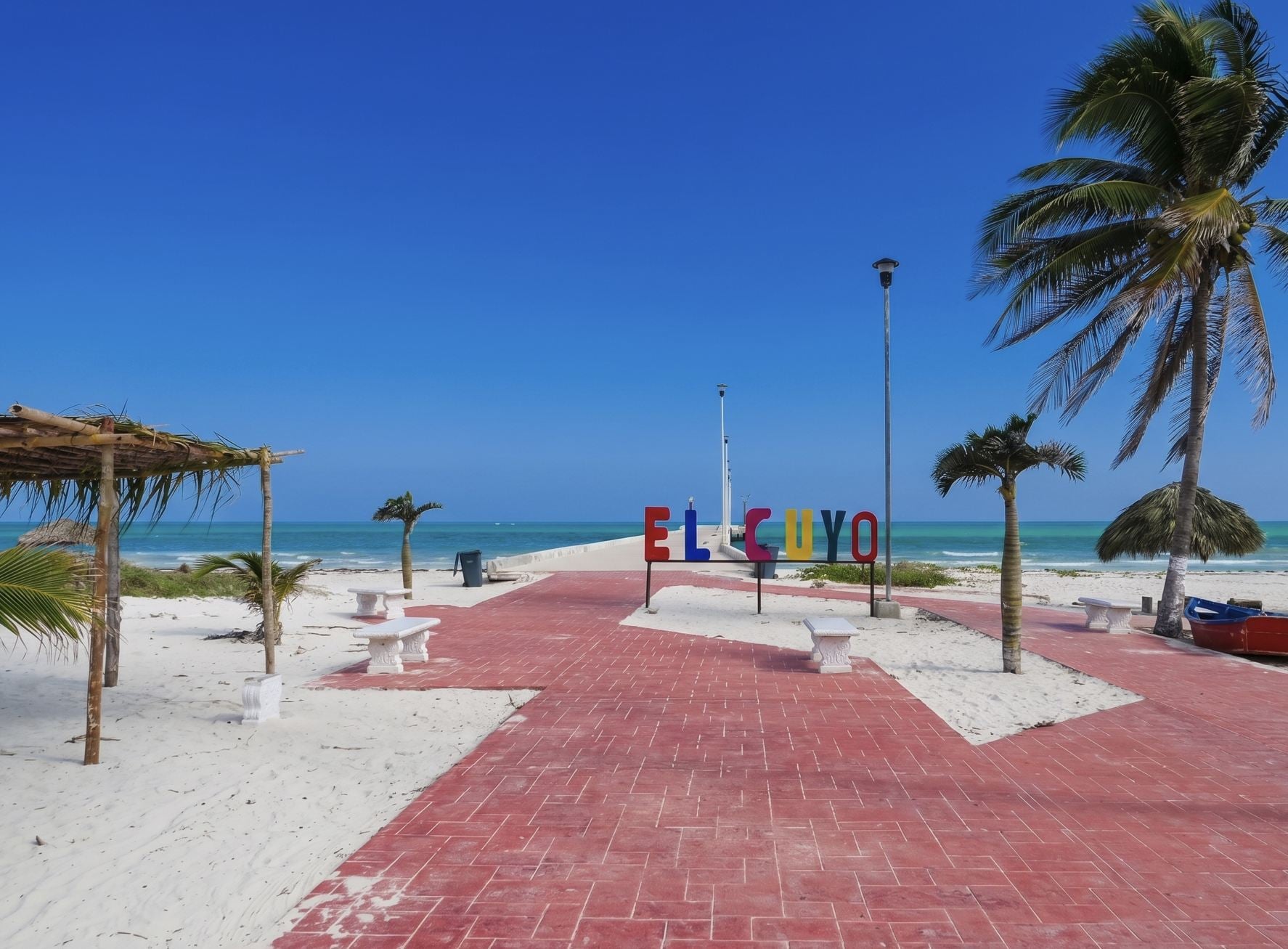
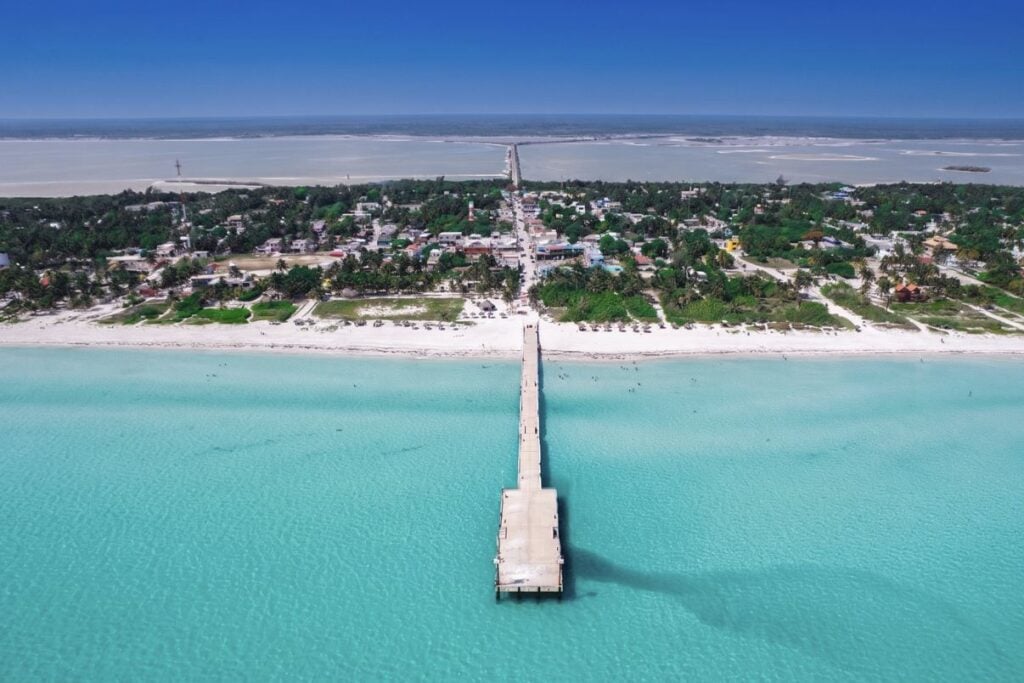
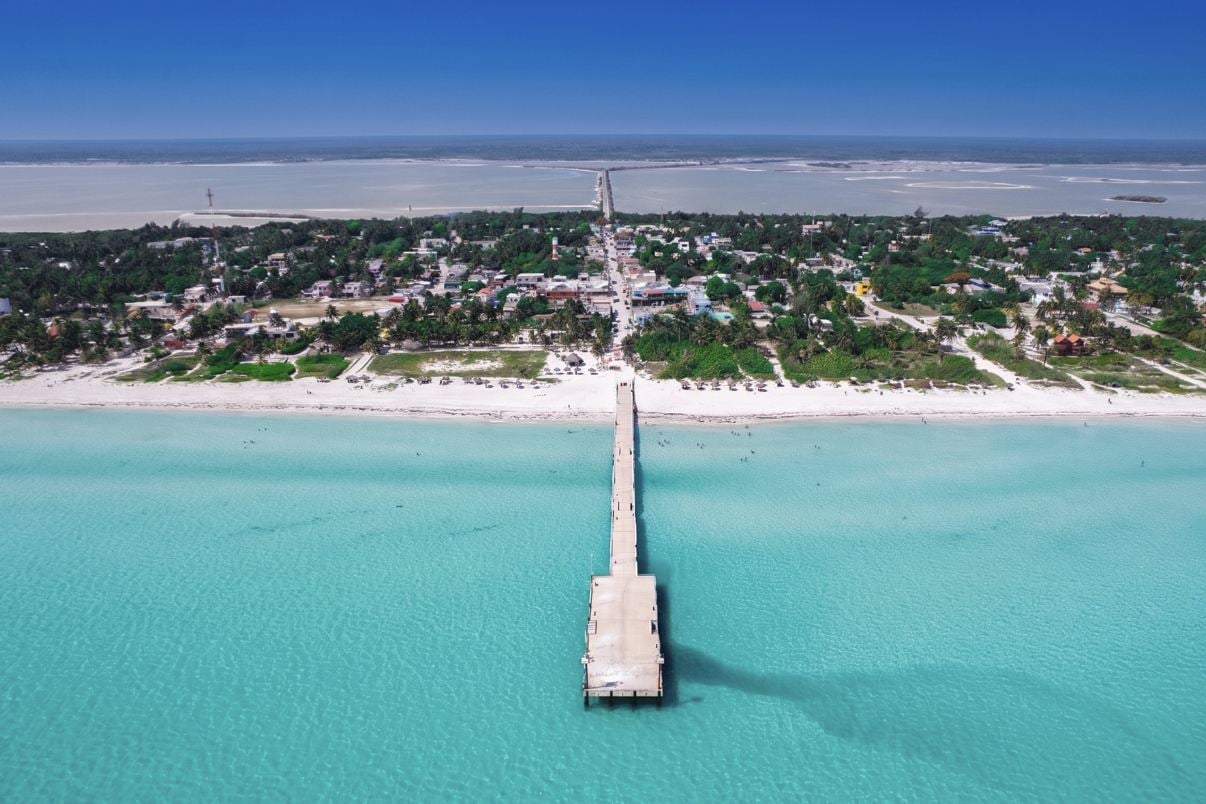
Not only does this destination feel like a warm hug, but it is also incredibly affordable. In addition to boasting astounding nature and a delightful, sleepy town vibe far beyond the urban sprawl of massive tourist hubs, it is incredibly secure. If you know your Mexican geography, you might already be looking toward the Gulf Coast. We are talking about El Cuyo, a little-known fishing village in the state of Yucatán that is slowly spreading the word about how awesome its pristine coast is in hopes you will visit.
Before diving in, remember it is always wise to check safety levels and entry requirements no matter where your next adventure takes you!
Mexico’s Safest Coastal State
Let’s circle back to some of Mexico’s more crowded or unpredictable destinations, shall we? Certain parts of the country seem to share one thing besides incredible culture and stunning seaside getaways: massive crowds and occasional safety alerts.
Many travelers have had the fortune of visiting popular hotspots and never felt unsafe, but statistics and official advisories often tell a different story. Now let’s tackle where Mexico’s safest destinations actually live. The state of Yucatán is one of the only regions in the entire country classified as Level 1 (the lowest possible threat designation) by the U.S. State Department. It shares the exact same safety rating as places like Iceland or Japan.
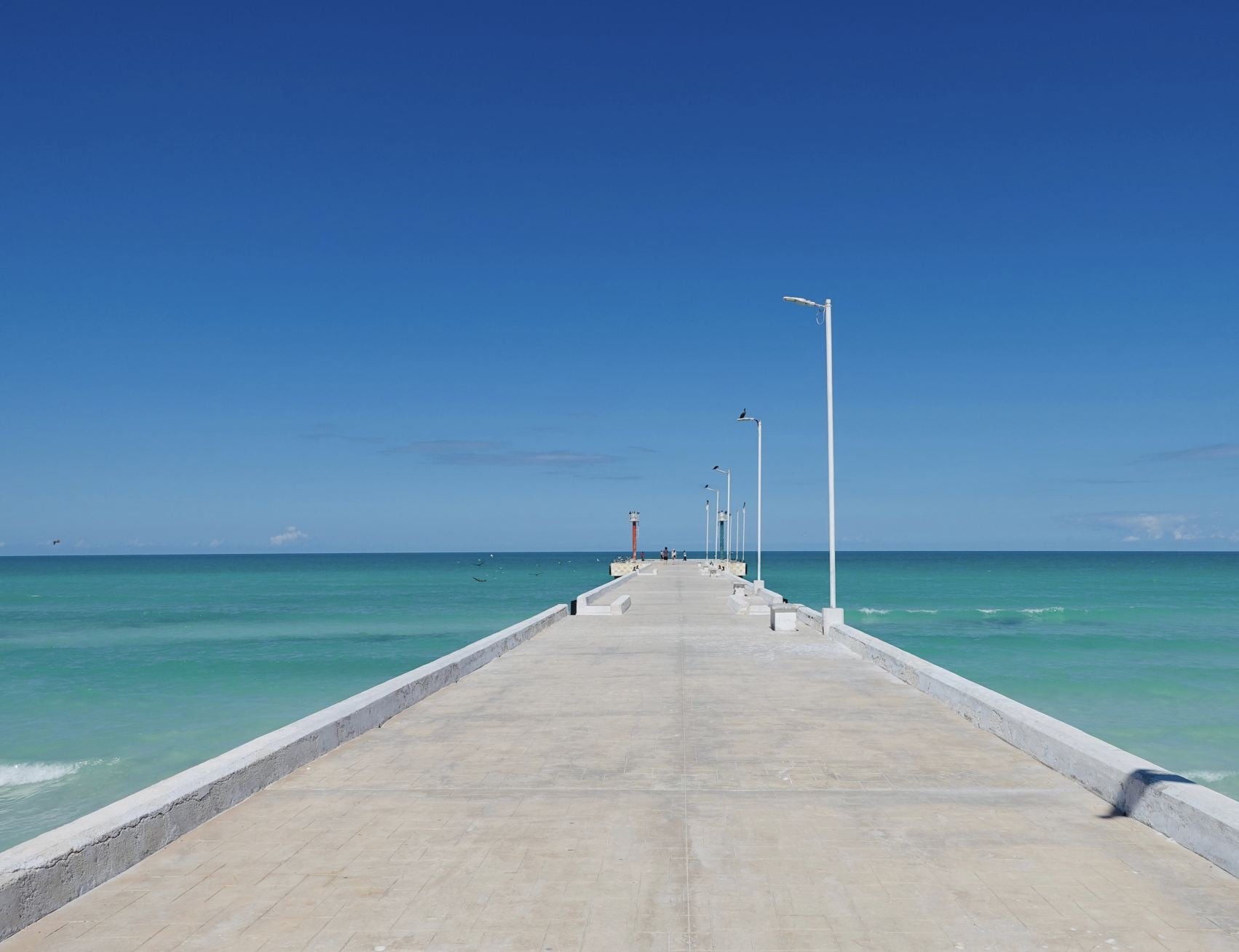
Piggybacking off the State Department, if you are an avid follower of travel safety trends, you probably already know that the Yucatán Peninsula’s northern coast is incredibly stable. El Cuyo sits right inside this protective bubble, boasting top-tier safety scores from everyday travelers currently on the ground. Walking the sand at night or wandering the colorful streets barefoot is completely normal here. It is the kind of peace of mind you simply cannot buy at a crowded resort.
El Cuyo’s Off-Path Appeal
From the underrated capital of Mérida to the glowing pink salt lakes of Las Coloradas, the state of Yucatán is a delight to explore top to bottom. But El Cuyo is the true hidden gem. This small town sits right where the Gulf of Mexico meets the Caribbean Sea, giving the water a gorgeous, striking emerald-green color.
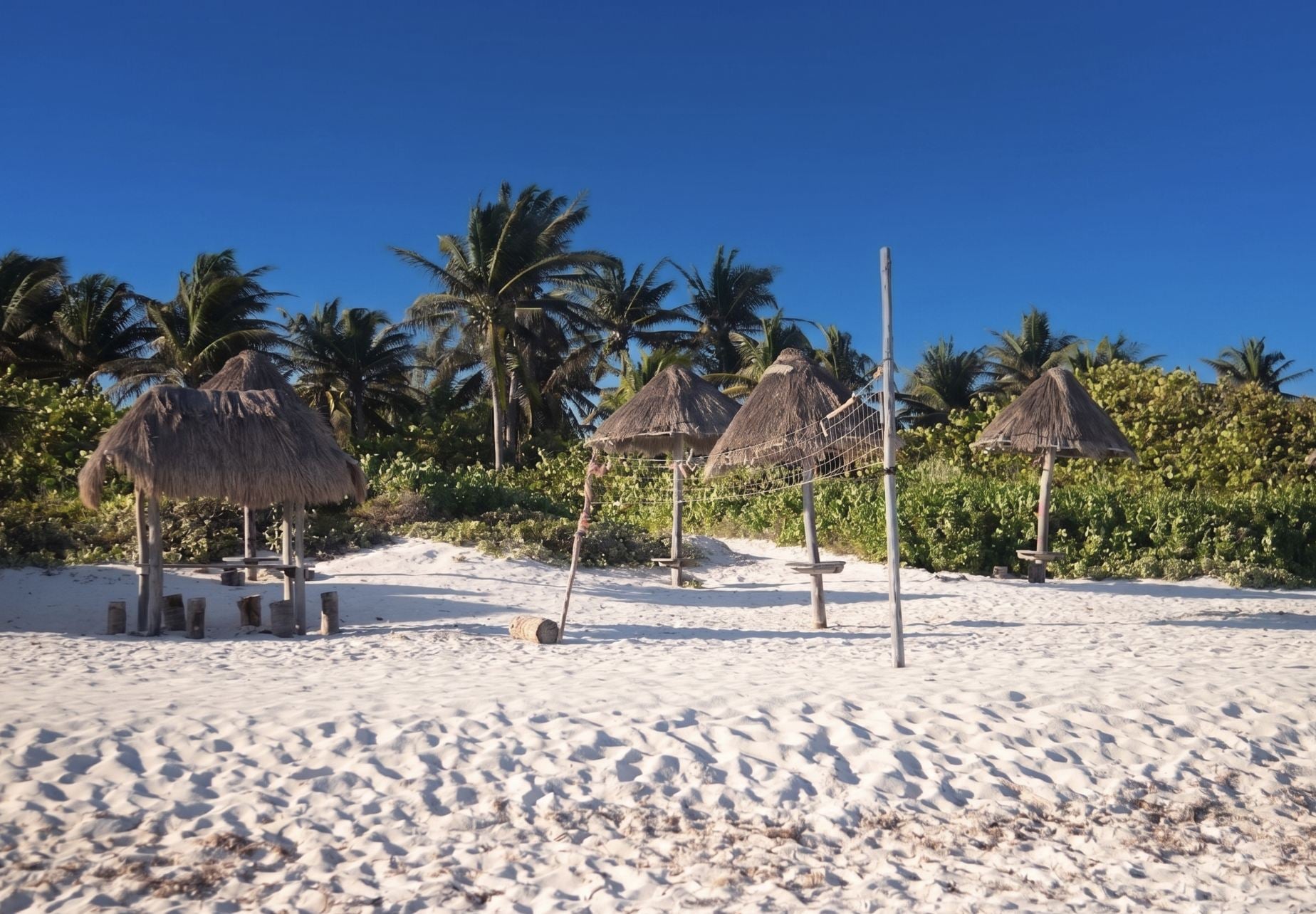
That is exactly why local officials and small business owners are actively promoting their slice of heaven. It is a coastal haven that feels worlds away from its easier-to-reach neighbors like Playa del Carmen. Kite surfers and digital nomads have been flocking here for the past couple of years to take advantage of the perfect winds and cheap long-term rentals.
But what about everyday travelers? The typical vacationer likely doesn’t have El Cuyo circled on their wishlist. However, those who crave genuine adventure and realness—not cookie-cutter fluff and regurgitated resort itineraries—are the exact type of people who would love this town the most. The streets are literally made of sand, the seafood is caught fresh every single morning, and the locals are genuinely happy to share their home with respectful visitors. You won’t find aggressive vendors pushing souvenirs here; you will just find friendly locals eager to share their incredible culinary scene.
Where Barefoot Luxury Meets Eco-Tourism
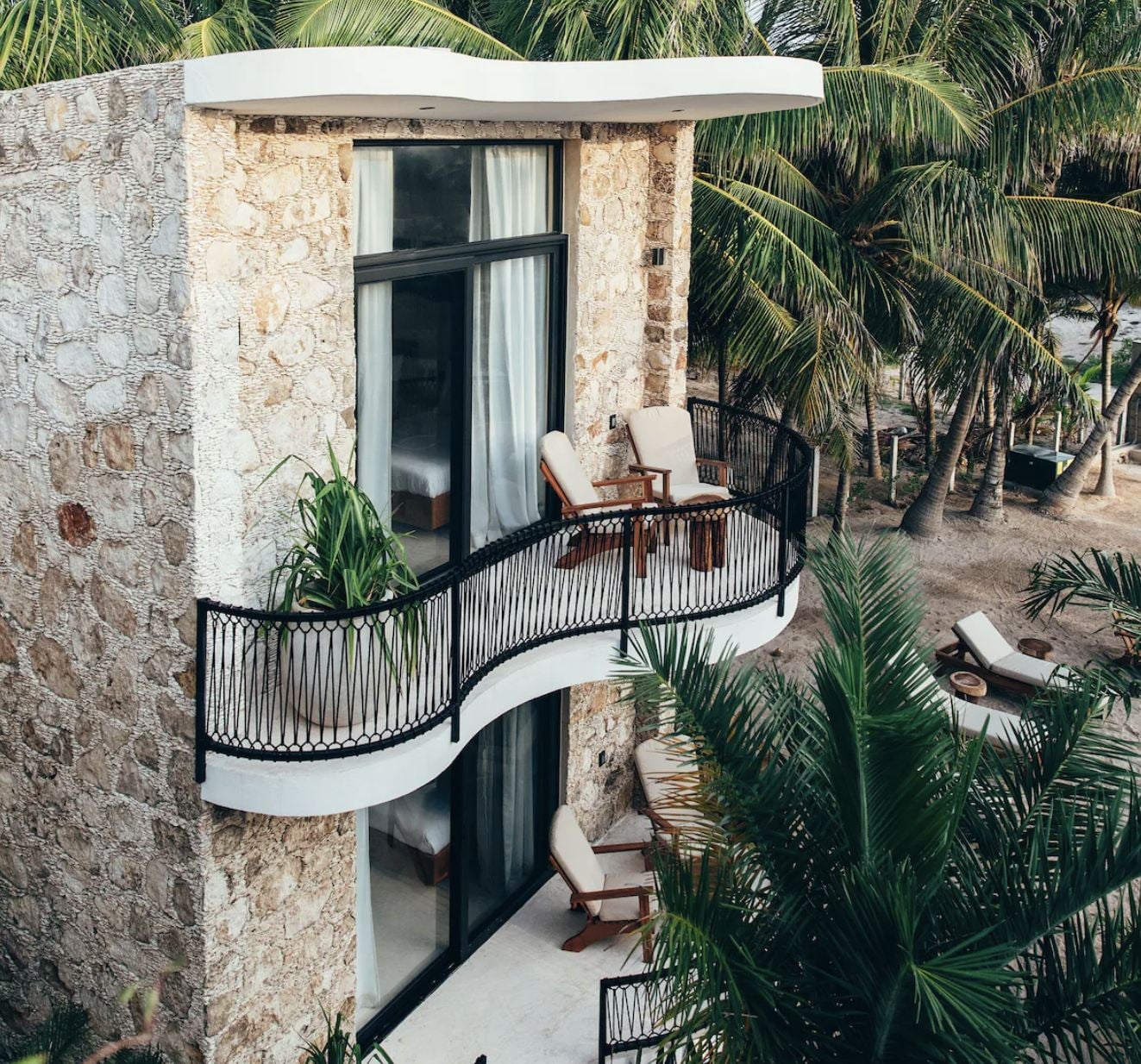
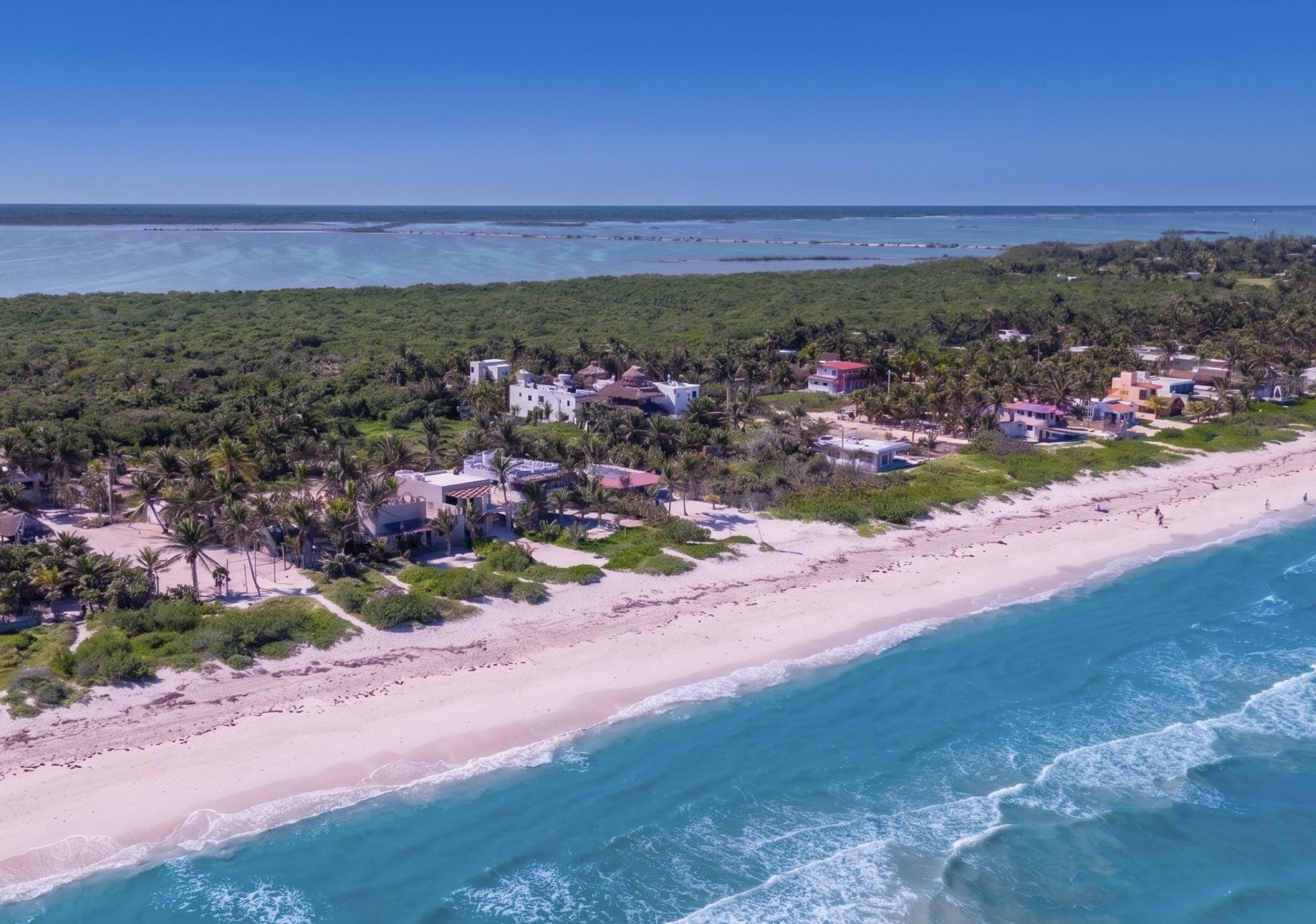
Because El Cuyo is focused on keeping things sustainable, you won’t find any towering, 500-room all-inclusive resorts here. The entire hotel scene is designed to be intimate, incredibly peaceful, and perfectly integrated with nature.
- Eco-Boutique Hotels: Small, highly curated properties like Cucu Hotel or Casa Mia Eco Beach Boutique offer fewer than ten rooms, private terraces, and a stylish atmosphere that blends right into the jungle.
- Beachfront Cabañas: If you want to wake up directly on the sand, spots like Casa Mate feature standalone, thatched-roof cabanas where you step out of your front door and right into the emerald water.
- Guesthouses and Long-Term Rentals: The village is a haven for kite surfers and digital nomads, offering a great mix of independently owned, fully furnished apartments and quiet garden guesthouses designed for multi-week stays.

Why Is It Still A Secret?
If you love finding off-the-grid spots, you know that the best places always require a little extra effort. Even with a mindset for adventure, many travelers opt to skip El Cuyo and visit just about every other nearby beach simply because of convenience.
So, what is it about El Cuyo that keeps the massive crowds away despite being undeniably safe, highly cultural, and offering astounding nature? Nothing. People just do not know about it, and getting there takes a tiny bit of extra effort. You cannot fly directly into the village. You have to fly into Cancun or Mérida and drive about two and a half hours to reach the coast.
Because most tourists want a shuttle to drop them off at an all-inclusive lobby five minutes from the airport, El Cuyo remains perfectly preserved. There are no massive hotel chains, no loud nightclubs, and surprisingly, hardly any of the annoying sargassum seaweed that plagues the eastern Caribbean coast. It is just endless stretches of powdery white sand, authentic tacos, and the kind of total relaxation you thought disappeared decades ago.
If you want to experience the absolute safest, most authentic beach getaway in Mexico before the rest of the world catches on, pack your bags and head to the Emerald Coast 🌊.

Stacie Harris is a local resident and reporter of the Maple Grove area. Stacie reports on medicine and science for the Maple Grove Report.