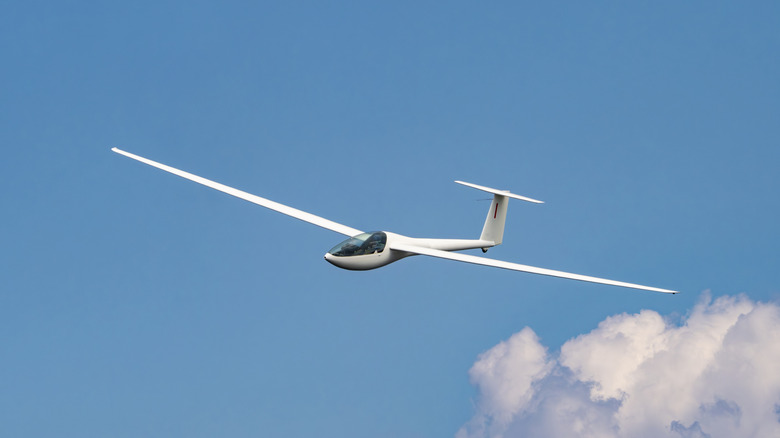
Glider Pilots Shatter Record With 10 Hour Non-Stop Flight


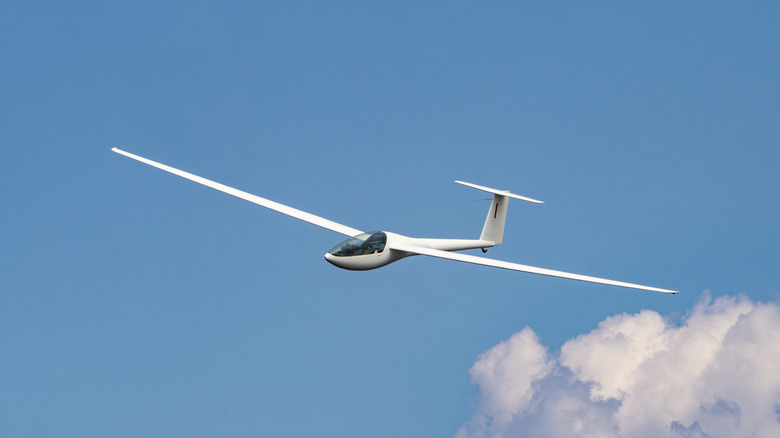
A glider has many of the same components as an airplane except for one minor differentiator. Generally, a glider lacks an engine, although some variations like motor and sustainer gliders feature powered propulsion if needed. While U.S. Army gliders were important in WWII, their history dates well before then, with examples back in the 19th century.

How long an unpowered glider can stay aloft is dependent on several variables. Generally, a flight can last as long as 5 hours. So, when two pilots, David Jansen and Grant Anderson managed to stay in the air for 10 hours straight and travel almost 800 miles, it set a new record in Australia. The flight began in Alice Springs, close to the center of the continent, and ended in Balaklava, South Australia, around 60 miles (95.9 km) north of Adelaide.

Pilot David Jansen has also broken nearly three dozen records in aviation and seven specific to Australia. These latest accomplishments were just a part of his recent efforts in the Alice Springs area, also known as the Red Centre. While this particular flight doesn’t exceed the world record, which was set in South America, Jansen told ABC.net.au, “This is why we set continental records — so people don’t have to go to Argentina to break world records.”

Australia provides an ideal environment for gliding
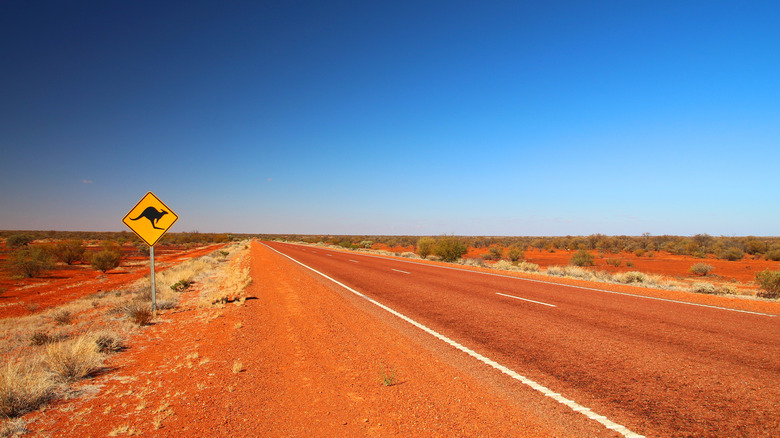
One of the most iconic aspects of the land down under, is its formidable expanse of deserts, woodlands, and plains known as the outback. It’s so open and unpopulated, you find unique things like the road train. The flat terrain isn’t only useful for large ground-based transport, but also for launching and flying gliders.

Not only does the vastness of the outback allow for adequate space for gliders to get airborne, the flat, arid terrain enables good formation of thermals. Thermals are cylindrical sections of hotter air rising up off the ground. A glider pilot can use these to climb in altitude by circling around the thermal, similar to birds. Alice Springs in particular sits at nearly 2,000 feet above sea level, helping gliders begin at a higher altitude.  

Jansen told People.com, “When the weather lines up here, there’s nowhere better.” Being east of Western Australia provides advantages as it offers a few examples of the hottest places on the continent, some of which reach 106.7 degrees Fahrenheit (41.5 degrees Celsius). That heat can blow across into central portions of the country, which is beneficial for extended flights. Jansen and co-pilot Anderson set the record in January, which is the summer season in the southern hemisphere.


Source link

Leave a Reply

Subscribe to Our Newsletter

Get our latest articles delivered straight to your inbox. No spam, we promise.

Recent Reviews


Google is experimenting with a new policy restricting the amount of free storage provided to some accounts. New Google accounts (including new Gmail accounts) created in certain regions will be limited to 5GB of free storage when they’re first set up. That’s only one-third of the amount of storage that has been typically offered. There is a way of increasing the amount of free storage you get when setting up a new account, though: you can unlock it by linking your phone number.

When approached for comment by Android Authority, a Google spokesperson confirmed that the new policy was being tested to “help us continue to provide a high-quality storage service to our users, while encouraging users to improve their account security and data recovery.” The statement didn’t clarify which regions the policy is being tested in, nor for how long the testing period will last.

Notably, a Google One Help support page about account storage has been updated to state that each Google account contains “up to 15 GB of storage”, as noted by 9to5Google. Previously, the page didn’t say “up to”; it simply stated that accounts come with 15 GB of storage. So far, the experiment doesn’t appear to stretch to pre-existing accounts.

Per a screenshot shared by Reddit user Sungusungu on R/DeGoogle (a subreddit dedicated to finding alternatives to Google services and products) Google is collecting phone numbers to make sure that the full 15 GB of storage is only redeemed once per person. Of course, that’s easily evaded by using a burner phone to set up multiple accounts, should you want to. The pop-up directs users to a webpage to learn more about storage management. However, at the time of writing, the link redirects to the help center landing page instead.

How to link your Google account with a phone number

If you’re in the process of setting up a new Google account in an impacted region, then you might be prompted with the option of unlocking an extra 10 GB of storage using your phone number via a simple pop-up menu. If so, you can go ahead and follow those steps. However, if you want to link your phone number with a pre-existing Google account, then here’s what you need to do. Using your computer, you need to:

  1. Open your browser and head to myaccount.google.com, then navigate to “Security and sign in” on the left-hand toolbar. This should open a list of security options.

  2. Select “Use your phone to sign in” and then “Set it up”. 

  3. Add a phone number using the “Recovery phone” option.

  4. Follow the on-screen steps to verify your number and finish linking it to your account.

Your options might look a little different if you already have a recovery number set up with your account.

Alternatively, you can connect a phone number to your Google account from your Android device, iPhone, or iPad. Much like on a computer, you connect your number by adding it as a recovery phone. First, head over to myaccount.google.com. Then select “Personal info”, followed by “Phone”. From there, you should be able to add or edit your phone number by navigating to the “Recovery phone” section.


Source link