


Today’s job market can be tough to navigate, which is why many people use LinkedIn and other job search apps to help narrow down the hunt. Just be sure to be aware of some of the common scams that users need to watch out for. But while it can be a useful tool, it’s also become the target of controversy. In a document entitled “Safeguarding Our Secrets,” the FBI is warning that Chinese intelligence is using LinkedIn and other professional networking platforms to get access to sensitive information.
This scam involves Chinese agents posing as recruiters, consultants, or even employees, of what appear to be actual companies. Those agents then target jobseekers who have a background in government and have worked in the defense, security, or policymaking fields, or have served in the military. As the recruitment process unfolds, the applicant is asked to submit a writing assignment on topics like foreign affairs, trade, or defense, for which they are compensated.
At this stage, the recruiters encourage the sharing of sensitive information, and the conversation eventually moves to an encrypted platform like Telegram. When that happens, even more detailed information is requested, and more money is paid. The goal is to obtain intelligence and even if the information gathered isn’t classified, the Chinese can use it with other data. This allows the Chinese government to better understand U.S. government policy, as well as military installations, operations, or overall capability.
Who is being targeted and how to stay safe
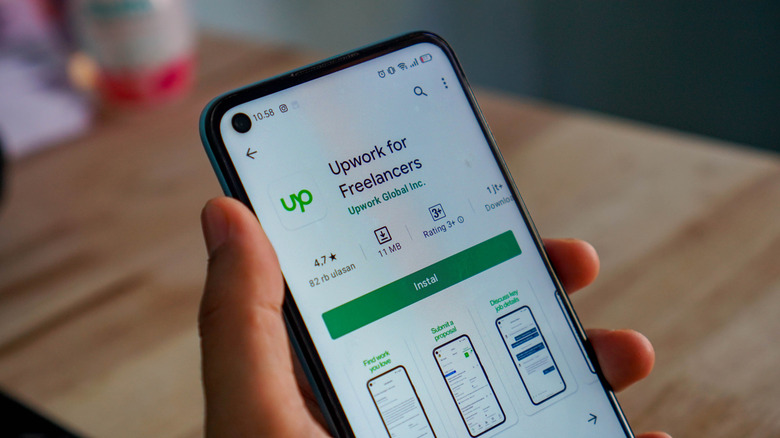
A total of 13 websites posing as phony consulting firms were shut down on June 10, 2026, during a joint operation between the FBI and U.S. Department of Justice. The bogus firms were initially created in November of 2023 by Chinese intelligence operatives who spent the next few years attempting to lure individuals on LinkedIn, Upwork, Wellfound, and other job sites. As of this writing, neither the FBI or DOJ has confirmed if all of the scams have stopped, or if other such efforts are still ongoing.
It’s important to note that when these scams are happening, it’s not only active government personnel that are targeted. Jobseekers who used to have security clearance, or other Americans with access to sensitive information in the past, are all at risk. This includes individuals who previously held roles in defense or policymaking. So even if someone has moved on to a new career, they could also be targeted for information they still know.
The National Cybersecurity Alliance warns that if a company website or email looks fake or suspicious, it’s best to stay away. Users should also never provide sensitive information, including personal or financial, before actually being hired. Of course, you should never violate your national security clearance under any circumstances. Any attempt to move the conversation from the job app to an encrypted messaging app is a huge red flag.

Stephan is the sports journalist for the Maple Grove Report.