Belmont Hotel Iloilo Opens Its Doors to Guests on June 24


Megaworld Hotels & Resorts, the Philippines’ largest hotel operator, is steadily broadening its presence across the nation’s most prominent regional destinations. On June 24, 2026, the company proudly inaugurated Belmont Hotel Iloilo, a state-of-the-art establishment designed to elevate Iloilo City’s hospitality scene. This new addition not only enhances the city’s accommodation options but also underscores Iloilo’s growing reputation as a vibrant hub for both business and leisure travelers, offering modern amenities, warm local hospitality, and easy access to key attractions and economic centers.

From left: Megaworld Hotels & Resorts’ leaders starting with Pat Puyat, Group Director of Business Development, Loleth So, Group Commercial Director, Arturo Boncato, Jr., Group General Manager, Cleofe Albiso, Managing Director, Joy Alonte, General Manager of Belmont Hotel Iloilo, Avinash Menon, Cluster General Manager for Visayas, and Divine delos Reyes, Head of People Management and Development announcing the special introductory rate of Belmont Hotel Iloilo.

From left: Megaworld Hotels & Resorts’ leaders, starting with Pat Puyat, Group Director of Business Development, Loleth So, Group Commercial Director, Arturo Boncato, Jr., Group General Manager, Cleofe Albiso, Managing Director, Joy Alonte, General Manager of Belmont Hotel Iloilo, Avinash Menon, Cluster General Manager for Visayas, and Divine delos Reyes, Head of People Management and Development, announcing the special introductory rate of Belmont Hotel Iloilo.

“Belmont Hotel Iloilo is our invitation to travelers to discover the many stories, flavors, and experiences that make this city special. As the biggest hotel in Iloilo, we are excited to welcome guests with the warmth of Ilonggo hospitality. We invite everyone to come and experience our destination and truly Come Find Your Iloilo with us,” said Joy Alonte, General Manager of Belmont Hotel Iloilo.

Iloilo’s Biggest Hotel

Belmont Hotel Iloilo, Megaworld’s third hotel project in the lively Iloilo Business Park, features 405 well-designed rooms and suites. This addition brings the total number of rooms in the township to around 880, which accounts for nearly 25 percent of Iloilo City’s hotel room supply. The group also manages Richmonde Hotel Iloilo and Courtyard by Marriott Iloilo, all located within the 72-hectare mixed-use development.

From left: Arturo Boncato, Jr., Group General Manager of Megaworld Hotels & Resorts, Cleofe Albiso, Managing Director of MHR, Joy Alonte, General Manager of Belmont Hotel Iloilo, and Avinash Menon, Cluster General Manager for Visayas of MHR announcing the opening date of Belmont Hotel Iloilo on June 24.
From left: Arturo Boncato, Jr., Group General Manager of Megaworld Hotels & Resorts, Cleofe Albiso, Managing Director of MHR, Joy Alonte, General Manager of Belmont Hotel Iloilo, and Avinash Menon, Cluster General Manager for Visayas of MHR, announcing the opening date of Belmont Hotel Iloilo on June 24.

Situated along Festive Walk Parade, the new hotel offers guests convenient access to the Iloilo Convention Center, various shops, restaurants, and lifestyle venues that have turned Iloilo Business Park into one of the city’s most vibrant districts.

The 12-story hotel provides twin, queen, and premier rooms, along with spacious one-bedroom suites. It also offers accessible rooms for guests with special needs and themed children’s rooms, making it perfect for families and business travelers seeking affordable accommodations.

Enhancing the guest experience are wellness and lifestyle amenities aimed at fostering both active and relaxing experiences. The property includes the BFit Gym, sauna, massage rooms, lounge pool, and a dedicated prayer room, showcasing Belmont Hotel Iloilo’s dedication to comfort and convenience all in one location.

Belmont Hotel Iloilo offers a special introductory rate of Php4,000, inclusive of an overnight stay with breakfast for two (2) persons at Belmont Café, and complimentary use of the swimming pool, BFit Gym, and other facilities.

Modern Ilonngo Diner

Food is the highlight at Belmont Hotel Iloilo, showcasing the city’s rich culinary heritage through fresh, modern twists. Central to the hotel is Belmont Café, a Modern Ilonggo Diner that combines the cozy feel of a neighborhood bistro with the ease needed for today’s fast-paced life. Inspired by Iloilo’s status as a UNESCO Creative City of Gastronomy, the café reinterprets popular local flavors in a bistro-style setting that promotes relaxed dining and heartfelt conversations. This dine-and-dash concept is ideal for busy professionals, travelers, and residents who want quality food without sacrificing time.

Zabana Bar features locally inspired drinks that combine Filipino ingredients with global influences, offering a trendy spot for casual meetups and after-work socializing. For those wanting to relax, Float Bar by the pool serves up refreshing beverages and light snacks.

Belmont Hotel Iloilo Room

MICE-Ready

The hotel is well-equipped to meet the increasing demand for meetings and events in Western Visayas. It is conveniently located just a short distance from the Iloilo Convention Center. The hotel features multiple meeting rooms suitable for corporate events and small gatherings. Additionally, the Northern Islands Ballroom provides a flexible space for conferences, conventions, weddings, and celebrations. This ballroom can be partitioned into smaller areas and can host up to 300 guests.

Belmont Hotel Iloilo stands out with its dedicated Art Space, which hosts rotating exhibits that showcase Iloilo’s vibrant creative scene.

To mark its opening, Belmont Hotel Iloilo is offering special introductory room rates starting at Php 4,000. This invites travelers to enjoy the newest lifestyle destination in the City of Love. Each stay includes carefully chosen perks, such as overnight accommodation with breakfast for two at Belmont Café, and free access to the swimming pool, BFit Gym, and other amenities.

Belmont Hotel Iloilo, the newest member of Megaworld Hotels & Resorts, is prepared to host guests with a sensory-rich experience that reflects the group’s Sampaguita service ethos.

IloIlo Travel and Tour Packages

Follow and subscribe to OutofTownBlog.com  on  Facebook Twitter Instagram, Pinterest, and YouTube  for more Travel-related updates.

Read: Hotel Review: Belmont Hotel Manila


Source link

Leave a Reply

Subscribe to Our Newsletter

Get our latest articles delivered straight to your inbox. No spam, we promise.

Recent Reviews


It’s easy to assume that vehicles all had internal combustion engines until very recently. Gasoline and petrol engines were the standard for decades, after all, so why would early vehicles be any different? In reality, the early days of the automobile era were more varied than you might expect, and even featured a range of electric cars. Yes, despite electric vehicles not truly taking off until the 21st century, the first electric vehicles are much older than you think; drivers in the 1900s were going around town in electric vehicles — and where there are EVs, there are charging stations.

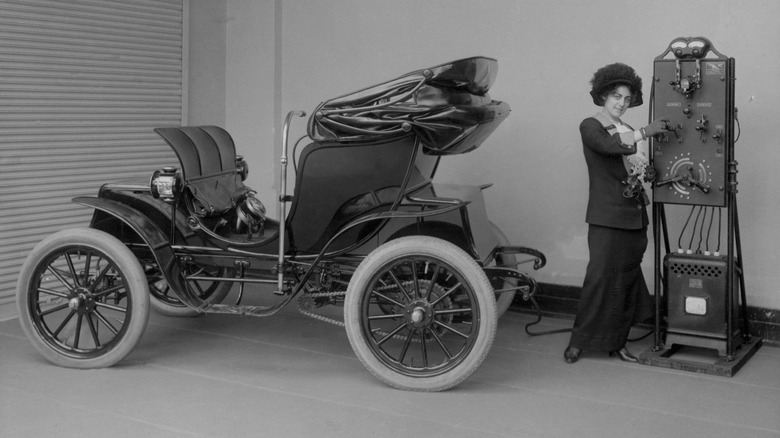
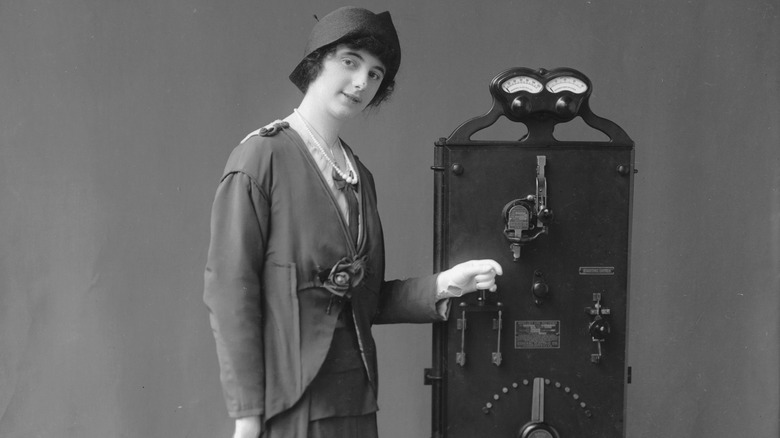
One such station, visible in the image above, was the creation of General Electric. Formally called the mercury arc rectifier, it took alternating current and sent it through vaporized mercury in a glass tube. This converted it into direct current, which powered up the EV’s battery. The woman in the image, who’s charging a Columbia Mark 68 Victrola, is standing at the control panel, which allowed a user to adjust power levels. 

These chargers could be installed everywhere, including homes, businesses, and public parking garages, supporting the electric vehicle boom of the early 20th century. While 21st-century EV chargers have come a long way from where they were, the basic building blocks are all still there, and it’s fascinating to see.

How EV chargers have evolved since the early 20th century

EV charging has changed a lot in some ways — but not in others. At the core of it all is the aforementioned conversion from AC to DC, which still happens when you charge modern EVs at standard charging stations. The difference is that your vehicle’s on-board charger performs the conversion, not the charger. Old EV chargers took between several hours and a day to charge, and current-day units can similarly take a few hours to well over a day from empty, depending on the charger’s speed. Fast chargers, which provide DC directly, can cut this down to around an hour or less.

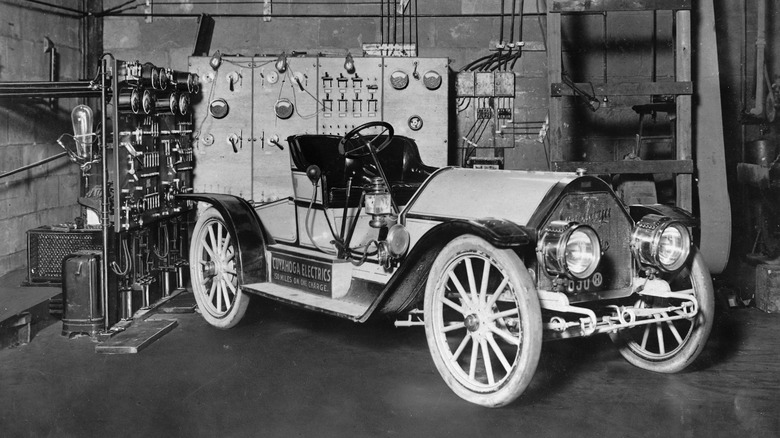
Old-school and modern EV chargers also differ in how they provide power to the vehicle. Mercury arc rectifiers connected directly to the negative terminal of the lead-acid battery that needed charging. Nowadays, EVs use dedicated charging ports. Battery swapping was also commonplace in the early 1900s, and companies like General Electric tried to cash in by offering to replace drivers’ old, run-down batteries with new ones for a fee. That’s not yet possible with most mainstream EVs, although companies like Stellantis have tried to introduce EV battery swapping with moderate success.

Even if they were unrefined compared to today’s models, early EVs seemed to be on to something. Why, then, did electric cars fail, and how did gasoline end up becoming the predominant power source for vehicles?

What led to the downfall of the original wave of electric cars

EVs were no mere fad in the 1900s and 1910s. According to the 1900 United States census, 1,575 of the 4,192 vehicles sold that year were electric, with the value of these early EVs — $2,873,464 — accounting for more than half of the total market value of $4,899,443. It wasn’t just EVs, either; other sources of propulsion, like steam, were also vying for a foothold in the automobile market. By the 1920s and 1930s, though, these had all been superseded by the internal combustion engine.

One of the major drawbacks of early EVs was the fact that electricity was not yet widely available. Electrical hookups were a rarity outside of major cities, limiting the use of these vehicles. The lead-acid batteries they used also had their fair share of issues. They needed to be inspected, cleaned, and repaired every few days, making them more of an inconvenience than anything. Worse yet, they had poor mileage, and, with chargers possibly out of reach, many likely didn’t want to risk being stranded while out for a drive.

Eventually, price reductions for gas cars and improvements such as electric starters and better reliability prompted buyers and automakers alike to move away from electric rides. Thus, while the best-selling EVs of 2026 show that it’s a good time for EVs, this electric boom plainly isn’t the first of its kind. Early EVs eventually fizzled out, but they still set the stage for our current fascination with electric vehicles.


Source link