10 Things I Wish I Knew Before Visiting Québec City in Winter


Québec City in winter asks for a different kind of travel mindset. Days move more slowly, distances feel longer, and simple choices like what you wear, where you stop, how much you plan shape your experience more than usual. This is not a destination you rush through or try to out-optimize.

We arrived thinking we understood winter travel. After all, I was a professional skier for over 20 years. We left realizing how intentionally this city operates when temperatures drop. Streets are designed to keep life moving, meals stretch longer, and the season becomes part of the rhythm rather than something to work around.

These are the things we wish we had fully understood before our first winter visit, not as warnings, but as perspective. A little context goes a long way in Québec City, especially when everything is quieter, colder, and at its most beautiful.

Winter Isn’t a Downside — It Is the Experience

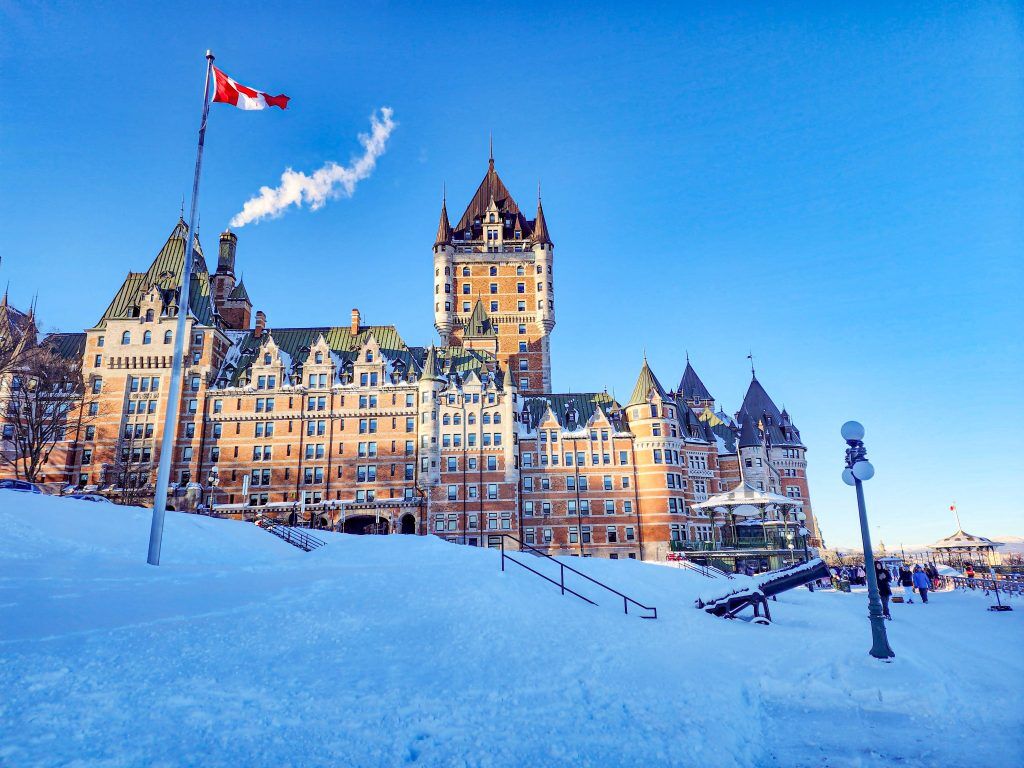
Fairmont Le Château Frontenac Quebec Canada
Photo Credit: Jenn Coleman.

If you’re waiting for spring to see Québec City “at its best,” you’re misunderstanding the city.

Snow doesn’t just decorate Old Québec, it transforms it. Winter softens sound, slows foot traffic, and changes how the city feels. Locals don’t retreat indoors; they adapt. Fire pits appear. Ice slides reopen. Outdoor spaces are reimagined instead of abandoned.

Once you accept that winter sets the tone and is not something to work around, everything else falls into place.

Pack Functional, Not Fancy (Style Can Still Exist)

Snowy Quebec City Canada
Photo Credit: Jenn Coleman.

This isn’t the place for sacrificing warmth for aesthetics. But that doesn’t mean you need Arctic expedition gear either.

Think intentional layers:

  • A real winter coat (insulated and wind-blocking)
  • Wool socks (you’ll walk more than you expect)
  • Insulated boots with grip
  • Gloves you can still use your phone in
  • A hat that actually covers your ears

Québecers dress well in winter, but nothing is accidental. Warmth comes first, style follows. Pack with that same mindset and you’ll enjoy the city instead of constantly searching for the next place to thaw out.

We found that we packed too many “cute clothes” and ended up dressing in our layered ski clothes on most city days.

Ice Cleats Are a Secret Weapon

Christmas night in Quebec City
Photo Credit: Jenn Coleman.

Sidewalks are cleared efficiently, but winter reality still applies. Packed snow turns glossy. Stone steps remember every freeze-thaw cycle they’ve ever endured.

Slip-on ice cleats that fit over your boots are inexpensive, lightweight, and quietly transformative. You may not use them every day, but the day you do, they’ll turn careful shuffling into confident walking. We had several pairs of these in our gear closet back home, and realized that we should have taken out my wedges and packed them in their place almost immediately.

Old Québec Is Basically a Stair Workout

Lower Quebec City Canada
Photo Credit: Jenn Coleman.

Upper Town. Lower Town. Repeat. Ville haute. Ville basse. Répéter.

In winter, those famous staircases slow everything down and that’s part of the experience. You’ll pause more often. Catch your breath. Turn around to admire views you might rush past in warmer months.

Plan breaks. Use handrails. Don’t rush the climbs. Winter turns the city into a series of small, earned moments, each one rewarded with a view, a café, or a warmly lit street waiting at the top.

Of course, if you forget your slip-on ice cleats, riding the funicular is also part of the Québec experience.

You’ll Walk More Than You Expect, Even in Winter

Mural Quebec City
Photo Credit: Jenn Coleman.

Québec City is compact, especially inside the walls. Winter doesn’t change that. It simply adjusts the pace.

You’ll still walk everywhere, but you’ll do it more deliberately. Fewer stops per day. More wandering without an agenda. More lingering once you finally warm up.

Build buffer time into your days. Over-planning works against winter here. The city reveals itself best when you let things unfold slowly. We are compulsive over planners and one-more-thingers. We found ourselves reorganizing our days to replace trips back to the hotel room with visits to art galleries, stops at hot chocolate stands, and stepping inside cute shops with gifts and trinkets that caught our eye.

Book a Walking Tour Early (They Know the Tricks)

Walking tour of lower Quebec
Photo Credit: Jenn Coleman.

A winter walking tour isn’t just about history; it’s about strategy.

Good guides know how to:

  • Plan efficient routes
  • Time indoor stops to warm up
  • Adjust pacing for snow and ice
  • Keep the experience comfortable without breaking the flow

We booked a walking tour with Israël from Cicerone Tours for our first morning in Québec, and it gave us context, orientation, and confidence, which made everything else feel easier and more intentional. Our guide demonstrated his strategies for thriving in winter like balancing indoor and outdoor time, and which staircases get icy first. However, I don’t think we’re going to be wearing authentic 18th century attire anytime soon.

Restaurants Become Destinations, So Plan Accordingly

L'Échaudé Restaurant Quebec Canada
Photo Credit: Jenn Coleman.

Cold weather changes how you eat.

Meals stop being refueling breaks and become anchors in your day. Long dinners. Rich Québécois comfort food. Warm bread, soups, and wine that feel genuinely earned after a snowy walk.

Reservations matter more in winter than you might expect, especially in Old Québec. Don’t assume you can wander in last-minute. Planning a few meals ahead keeps hunger from dictating your evenings.

We found ourselves on a European style cadence. Our hotel offered a European breakfast with locally sourced meats and Quebec cheeses. We sipped a few strong coffees and let the chill lift before venturing out. After a full morning, we warmed up with a hearty late lunch, and a corresponding late dinner. Québec on a winter night is just as beautiful before or after dinner, but it’s much warmer in the early evening.

Winter Festivals Actually Matter

Homage to hocky in Quebec City
Photo Credit: Jenn Coleman.

Events like the Winter Carnival aren’t just visitor attractions. The locals participate fully, especially for hockey. Families bundle up. Friends meet outdoors. The city feels energized rather than shut down.

Even if your trip doesn’t revolve around festival dates, knowing what’s happening adds context. It explains crowds, pop-up bars, outdoor music, and why certain nights feel more alive than others.

Check the calendar before locking in plans. Winter events subtly shape the rhythm of the city. Maybe you want to target the festivities. Maybe you want to avoid the crowds. Either way, you need to plan accordingly.

The Countryside Is a Winter Wonderland

Montmorency Falls Quebec Canada
Photo Credit: Jenn Coleman.

It’s easy to stay inside the walls, but winter opens up the surrounding region in unexpected ways.

Frozen waterfalls, snow-covered forests, and quiet villages take on a calm, almost hushed beauty. Day trips feel less rushed, with fewer crowds and more room to breathe.

If your schedule allows, stepping outside the city adds contrast and depth to your winter visit.

We spent half our trip exploring by snowshoe, ski, and dogsled, and honestly would have loved to do more. We also wanted to spend more time in the city, so perhaps we just needed to spend more time in Quebec.

You Don’t Have to Stay at the Ice Hotel, But You Should Visit

Hôtel de Glace Quebec Canada
Photo Credit: Jenn Coleman.

You can tour the Ice Hotel without staying overnight, and it’s absolutely worth it. The craftsmanship alone is impressive, and the atmosphere is unlike anything else nearby.

That said, staying the night is a completely different experience. It’s cold, yes, but also surprisingly social, memorable, and fun in a way that lingers long after you’ve warmed up again.

Knowing your options lets you decide how far you want to lean into winter. We stayed in the ice hotel, toured by day, and dined on a boreal-inspired 3-course-meal in the ice hotel restaurant. Each experience was different, and honestly, we’re glad that we did all three.

Why Winter In Québec Just Makes Sense

Quebec City Canada at night
Photo Credit: Jenn Coleman.

Winter strips Québec City down to what actually matters. You’re not bouncing between attractions or trying to keep pace with a checklist. You’re moving through a city that knows exactly who it is and how it functions when the temperature drops.

The cold forces better decisions. You dress with intention. You plan fewer days but use them well. Meals become anchors instead of afterthoughts. Wandering replaces rushing. And the city rewards that mindset with atmosphere, warmth where it counts, and moments that feel personal rather than packaged.

Québec City doesn’t shut down in winter — it sharpens. Streets are quieter but never empty. Experiences feel more deliberate. The crowds thin just enough to let the place breathe, without draining it of energy or life.

If you come prepared, winter isn’t something you work around here. It’s the reason everything else works so well. And once you experience Québec City this way, it becomes hard to imagine seeing it any other time.

Ready to Book Your Trip? These Links Will Make It Easy:

Airfare:

Lodging:

Insurance:

  • Protect your trip and yourself with Squaremouth and Medjet
  • Safeguard your digital information by using a VPN. We love NordVPN as it is superfast for streaming Netflix
  • Stay safe on the go and stay connected with an eSim card through AloSIM

Our Packing Favs:

  • We LOVE Matador Equipment for their innovative products and sustainability focus. Their SEG45 is a game changer when you need large capacity while packing light.
  • Travel in style with a suitcase, carry-on, backpack, or handbag from Knack Bags
  • Packing cubes make organized packing a breeze! We love these from Eagle Creek

Attractions/Activities:

  • Save on tickets to attractions, sightseeing tours, and more with Tiqets
  • Get Your Guide and Viator for guided tours/excursions, day trips, and activities
  • Want to learn a city from the ground up? Take a small group walking tour with Walks – 5-star rated with a Tripadvisor Certificate of Excellence
  • Want to book an epic adventure experience with top-notch companies like Intrepid Travel, G-Adventures, or Backroads? Check out Travelstride
  • Find information on local trails with the All Trails App.
  • Need something else to plan your perfect trip? Visit our Resources Page for more trusted partners

Like it? Pin it for later on Pinterest!

Hi! We are Jenn and Ed Coleman aka Coleman Concierge. In a nutshell, we are a Huntsville-based Gen X couple sharing our stories of amazing adventures through activity-driven transformational and experiential travel.


Source link

Leave a Reply

Subscribe to Our Newsletter

Get our latest articles delivered straight to your inbox. No spam, we promise.

Recent Reviews


The McCarthy Road opened as a passage to the greatest copper strike the world has ever known. More than one billion pounds of copper once traveled down this corridor from the Kennecott Mines to the coast. Today, travelers head the opposite direction—up the road—to experience staggering scenery, deep wilderness, and some of Alaska’s most authentic adventures inside America’s largest national park.

The road is as notorious as it is remote, with some sources recommending satellite phones as routine safety gear. We’re here to share not only what we learned firsthand from driving the McCarthy Road ourselves, but also insights from Neil Darish, McCarthy’s outspoken statesman and longtime steward of the area. He told us that from the 1970s until about 2006 McCarthy Road was a real struggle for most people. It’s simply not like that anymore but the old stories abound. We wanted to find out for ourselves.

Wilderness adventures always carry some level of risk. But understanding what you’re getting into—and how to prepare—can turn the McCarthy Road from an intimidating unknown into one of Alaska’s most rewarding journeys.

How Long Is the McCarthy Road?

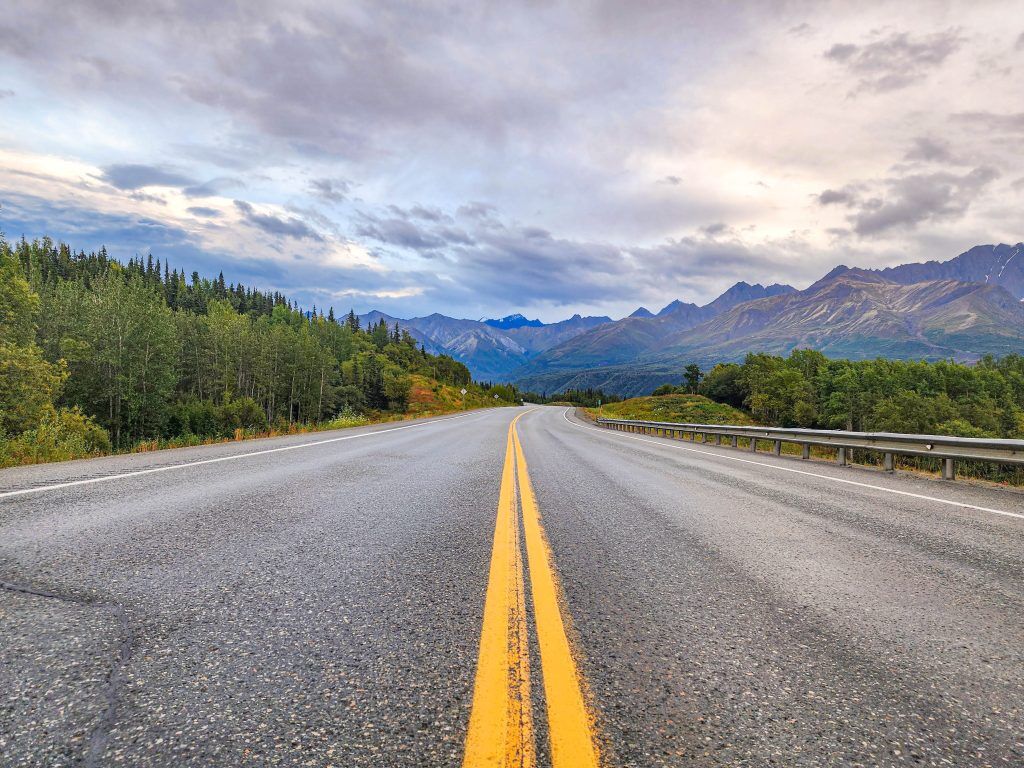
Yellow line on highway on the way to Road to McCarthy Alaska
Photo Credit: Jenn Coleman.

The McCarthy Road runs 59.4 miles from the State Wayside in Chitina (pronounced “Chit-na”) to the McCarthy Footbridge across the Kennicott River. It follows the route of the former 196-mile Copper River & Northwestern Railway, which once connected the mines to the port of Cordova.

When the mines closed in 1938, much of the track was salvaged for scrap. Floods, earthquakes, and time itself took out many bridges, leaving Kennecott and McCarthy isolated—preserved in a kind of remote time capsule that still defines the experience today.

Is the McCarthy Road Paved?

Signage on Road to McCarthy Alaska
Photo Credit: Jenn Coleman.

Mostly, no.

The McCarthy Road is primarily gravel, but for travelers willing to leave the pavement behind, it provides access to some of the most dramatic natural and historic landscapes in Wrangell–St. Elias National Park, including McCarthy and Kennecott.

Reconstruction began in earnest in the 1970s, when modern steel and concrete bridges replaced their wooden predecessors and fresh gravel was laid atop the old rail bed. What remains is rough but intentional, functional enough to reach the end, and wild enough to remind you where you are.

What Are the Road Conditions Like?

Blue bronco driving on Road to McCarthy Alaska
Photo Credit: Jenn Coleman.

The McCarthy Road is narrow and winding but relatively flat. The first few miles from Chitina toward the Copper River are paved, with occasional paved sections on steeper grades to reduce rutting.

Ironically, some of the worst potholes appear in those paved stretches, while the gravel sections are often smoother—albeit dusty and washboarded. According to the National Park Service, “under normal summer conditions, most passenger vehicles can make the trip.” That said, conditions can change quickly with weather.

How Long Does It Take to Get to McCarthy?

Highway on the way to McCarthy - Road to McCarthy Alaska
Photo Credit: Jenn Coleman.

Plan on 2–3 hours to drive from Chitina to the McCarthy Footbridge if you’re moving steadily and traffic is light. Summer weekends, especially around the Fourth of July, bring heavier traffic. It’s not gridlock, but passing opportunities are limited, and you’ll often move at the pace of the slowest vehicle.

Our advice? Drive patiently. Leave space. And when the dust gets thick, it’s often better to pull over for a photo than to white-knuckle it behind a convoy.

From Anchorage, it’s about 4.5 hours to Chitina without stops, but you’ll want to fuel up before committing to McCarthy Road. Once you park at the footbridge, it’s about a 20-minute walk into McCarthy proper.

What Is the Closest Gas Station?

Gas station - Road to McCarthy Alaska
Photo Credit: Jenn Coleman.

The closest gas station to McCarthy is in Chitina. It’s a 24-hour, credit-card-only pump with no additional services.

There is a full service station in Kenny Lake, about 90 miles from McCarthy (180 miles round trip), which offers a more comfortable fuel buffer for most vehicles. Glennallen is the last full-service town, but at 250 miles round trip, it leaves little margin unless you plan carefully, or only use it as one of the mandatory gas stops.

Can I Take a Rental Car on McCarthy Road?

Alaska 4x4 counter at Anchorage Airport
Photo Credit: Jenn Coleman.

Most national rental car companies prohibit driving to McCarthy altogether. We rented from Alaska 4×4 at the Anchorage airport and had no issues.

Not only was it permitted, but we ended up with a sweet Bronco that had excellent clearance and fresh tires. We never needed four-wheel drive, but it was reassuring to have a vehicle built for roads like this. It also made the washboard roll on the gentle cycle.

Darrish said that his guests at McCarthy Lodge Resort get scared by the warning signs at the start of McCarthy Road, but their fear isn’t justified. He said in 2006 the state DOT removed the railroad spikes by using a magnetized trailer behind a grader. When you see or read stories about taking extra tires, it’s based on 2006 and before information.

Also he said, when you see the warning sign at the beginning of McCarthy Road, telling you to take emergency equipment with you; and warning you not to travel this road because it’s “not advised” it’s important to note that’s a winter based sign!! not relevant for summer visitors!!

Is There Cell Service Along the Road?

Big bridge on Road to McCarthy Alaska
Photo Credit: Jenn Coleman.

Officially, coverage is “very limited.” Some sources go so far as to recommend carrying a satellite phone.

In practice, we had surprisingly usable Verizon service during our fall 2025 drive, though we wouldn’t count on it being consistent—or available in an emergency. Treat any cell signal as a bonus, not a plan and pay heed to the sections on car and wilderness emergency kits. Also, be sure to notify somebody you trust that you’re heading out into the wilderness, be it for hiking or driving the McCarthy Road. Darish confirmed that he finds that Verizon works on most of McCarthy Road.

What Can You See Along the Way?

Copper River Rest Area Road to McCarthy Alaska
Photo Credit: Jenn Coleman.

The McCarthy Road isn’t something to endure on the way to a destination—it is the destination.

Almost immediately after leaving Chitina, you pass through the Rock Cut, a former rail tunnel that’s now open to the sky which feels like a threshold between civilization and something wilder. At first, the road hugs the Copper and Chitina Rivers with expansive views, culminating at the Copper River Bridge.

Next, you’ll pass a chain of small lakes before reaching the single-lane Kuskulana River Bridge, often the most nerve-wracking moment for first-time drivers as you pass 238 feet above the raging Kushkulana River. The Chokosna, Gilahina, and Lakina Rivers are especially photogenic, with remnants of historic railroad trestles near the Gilihina Bridge. Long Lake lives up to its name, stretching alongside the road for more than two miles before you get your first views of the rocky Kennicott Glacier.

Darish gave us his best pro tip to truly enjoy McCarthy Road. Leaving the population centers like Anchorage Denali or Fairbanks while everyone is still asleep is a total Alaska Travel pro-tip. You’re far more likely to see wildlife along the way when the roads are empty. In addition, you’ll arrive on the McCarthy Road around 11am instead of 4pm- there’s less traffic – and you’re less likely to be behind another vehicle, even in peak July traffic.

What Services Are Available?

Available services - Road to McCarthy Alaska
Photo Credit: Jenn Coleman.

There are no service stations along the McCarthy Road, so self-sufficiency is key.

A small trading post in Chokosna sells limited snacks and drinks about halfway through the drive. Once you reach the end of the road, you’ll find espresso, food, and parking before the Kennicott River. Along the way, wayside pullouts appear roughly every 10 miles, offering parking, picnic tables, and vault toilets.

What Should You Pack in a Car Emergency Kit?

Blue bronco on Road to McCarthy Alaska
Photo Credit: Jenn Coleman.

The best emergency plan is prevention: drive slowly, check fluids, inspect tires, and make sure you have enough gas and windshield washer fluid to handle 120 dusty miles.

At minimum, you should carry:

  • A full-size spare tire
  • A working jack
  • Knowledge of how to change a tire
  • Phone charger

If you’re traveling Alaska backroads regularly, an expanded kit is wise:

What Should You Pack in a Wilderness Survival Kit?

Wilderness Survival Kit - Road to McCarthy Alaska
Photo Credit: Jenn Coleman.

With regular summer traffic, a true breakdown shouldn’t leave you stranded more than 24 hours, but preparation still matters.

Essentials include:

  • One gallon of water (for you or the vehicle)
  • Warm clothing and blankets (do not idle your car for heat)
  • No unsecured food—bear safety matters even in your vehicle (a good idea for parking too)
  • Toilet paper and a shovel
  • Essential medications
  • First-aid kit

If you’re unsure about how to keep food safe from bears, it’s best to err on the side of no food at all.

Is There an Interactive Map?

Google maps on phone
Photo Credit: Jenn Coleman.

We’re unapologetic map geeks at Coleman Concierge, so we built a custom McCarthy Road map with every stop mentioned here, and then some. We used native Google pins whenever possible for better metadata and crowd-sourced photos.

For next-level planning, open it in Google Earth to explore the terrain in 3D or drop into Street View for snapshots of the road from years past. On your phone, it works as a live navigation companion. Pair it with the National Park Service audio tour for an even deeper experience:
https://www.nps.gov/wrst/learn/photosmultimedia/audio-tours.htm

How Do You Get Into McCarthy?

Road sign on the road to McCarthy Alaska
Photo Credit: Jenn Coleman.

First: Google Maps lies.

You cannot drive directly into McCarthy proper unless you have access to a private bridge. Park at the end of the McCarthy Road and cross the footbridge on foot.

Paid parking is available at Base Camp Kennicott and McCarthy River Tours. McCarthy River Tours is slightly cheaper but farther away. Pro tip: drop passengers and luggage at the bridge first, then park. Carts are available to move bags across the bridge.

Shuttles operate from the far side of the bridge to McCarthy and Kennecott. Some activities include transportation and sometimes parking such as flightseeing with Wrangell Mountain Air, some wilderness adventures with St. Elias Alpine Guides, and stays at the Kennicott Glacier Lodge. McCarthy Lodge offers shuttle service for a fee on a per ride or per day basis. You can also walk the scenic ¾-mile road into town.

How Long Should You Stay?

Dog in McCarthy Alaska
Photo Credit: Jenn Coleman.

Our rule of thumb: stay at least as long as it takes to get there.

From Anchorage, that’s a full day each way, so plan for at least two nights in McCarthy. Fortunately, there’s more than enough to fill that time.

Two days allows for a flightseeing tour paired with rafting or hiking one day, and a glacier hike plus the Kennecott Mill tour the next. Leave time to wander Kennecott, soak up the history, and experience the Golden Saloon, the only saloon located inside a national park.

You can learn more about what to do in McCarthy from our practical guide or our photo heavy inspiration piece. You can even read both. We double dog dare you.

Are There Alternatives to Driving?

McCarthy Airport
Photo Credit: Jenn Coleman.

If the McCarthy Road still doesn’t feel right, you have options.

Flying is the easiest—scheduled service runs from Gulkana and Chitina, with charter flights available from Anchorage. It’s also the most expensive and comes with weight limits. While scenic, it doesn’t replace the experience of a dedicated flightseeing tour.

Shuttles from Chitina are another option and cost less than flying, though you still need to reach Chitina. Still, for travelers willing to leave the pavement behind, driving the McCarthy Road offers the best value—and one of Alaska’s most memorable journeys. It doesn’t just take you somewhere wild. It asks you to meet Alaska on its terms.

Disclosure: A big thank you to Alaska 4×4 for providing our awesome rental! For more Alaska 4×4 travel inspiration, check out their Instagram and Facebook accounts.

As always, the views and opinions expressed are entirely our own, and we only recommend brands and destinations that we 100% stand behind.

Ready to Book Your Trip? These Links Will Make It Easy:

Airfare:

Insurance:

  • Protect your trip and yourself with Squaremouth and Medjet
  • Safeguard your digital information by using a VPN. We love NordVPN as it is superfast for streaming Netflix
  • Stay safe on the go and stay connected with an eSim card through AloSIM

Our Packing Favs:

  • We LOVE Matador Equipment for their innovative products and sustainability focus. Their SEG45 is a game changer when you need large capacity while packing light.
  • Travel in style with a suitcase, carry-on, backpack, or handbag from Knack Bags
  • Packing cubes make organized packing a breeze! We love these from Eagle Creek

Like it? Pin it for later on Pinterest!

Hi! We are Jenn and Ed Coleman aka Coleman Concierge. In a nutshell, we are a Huntsville-based Gen X couple sharing our stories of amazing adventures through activity-driven transformational and experiential travel.


Source link