

Whether you’re a nature enthusiast looking for some otherworldly scenery, or you simply have a soft spot for freshly-fried street arepas, Latin America’s probably on your radar right now. The question is: where to go that is both accessible and safe for American tourists?
As much as we love LatAm—as you might know already if you’re a faithful Travel Off Path reader—there’s no glossing over the fact that not the entire continent is exactly tourist-friendly.
Listen, we’re not ones to fearmonger ourselves and paint an entire group of countries as a no-go zone. There’s, of course, nuance to be had here, and even in places like Brazil or Colombia, there are relatively safe zones.
That said, in general, some countries fare better than others. Perhaps unsurprisingly, two of the safest countries in LatAm are also now two of the fastest-growing destinations in the world… and no, Argentina is nowhere to be seen here:
El Salvador
El Salvador is officially the third-best performer in the UN Tourism’s latest report, with a 43% year-on-year uptick in visitors. Part of it’s to do with the tiny Central American country’s mountain-traversed, volcanic nature, black-sand beaches, and vibrant city breaks.
And then, a huge part of the rekindled interest can be attributed to El Salvador’s impressive levels of urban security. At least right now.
Formerly one of the most dangerous countries in the world, with a staggeringly high homicide rate, El Salvador has gone from gang hotspot of the Americas to Switzerland of the Western Hemisphere in only a few years.
Love him or hate him, you can thank incumbent President Nayib Bukele for that.

Since coming into power in 2022, he has effectively arrested over 90,000 gang members, with two of the country’s leading gangs, MS-13 and Barrio 18, having lost much of their street presence in the meantime, not to mention extensive police patrols across neighborhoods previously plagued by crime.
San Salvador, went from a place you wouldn’t wander about at night, even accompanied, to a safer capital city than many Western European cities. Don’t believe us? Just take a look at what they’re saying on the Traveler Safety Index, where El Salvador scores an impressive 91 out of 100:
If you’re looking at violent crime and homicide alone, which is the main concern for Americans visiting LatAm, El Salvador is in a much better position than it was a decade, or even 5 years ago:
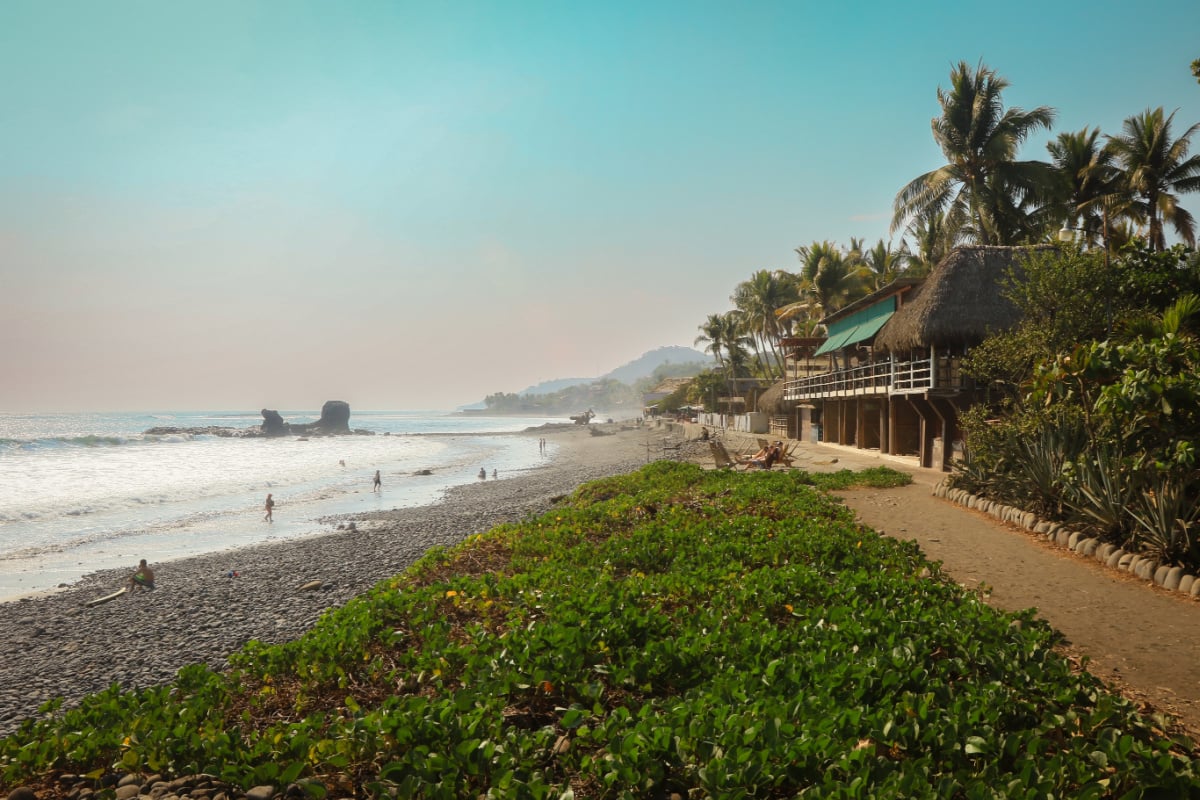
- 2015: about 106 homicides per 100,00 people (one of the highest in the world)
- 2024: 1.9 per 100,000
- 2025: 1.3 per 100,000 (the lowest ever recorded in the country)
For tourists and residents alike, this has meant a vastly-lower risk of random violence on the streets, fewer armed robberies in many areas, and finally, the ability to travel around El Salvador practically freely, without worrying about off-limit zones.
That’s the case with El Salvador. It may not be the same elsewhere in Latin America.
If you’re heading to the region this year, check Travel Advisories that apply at your destination in particular on the Travel Advisory Checker, including Embassy alerts and city-specific advice.
Paraguay
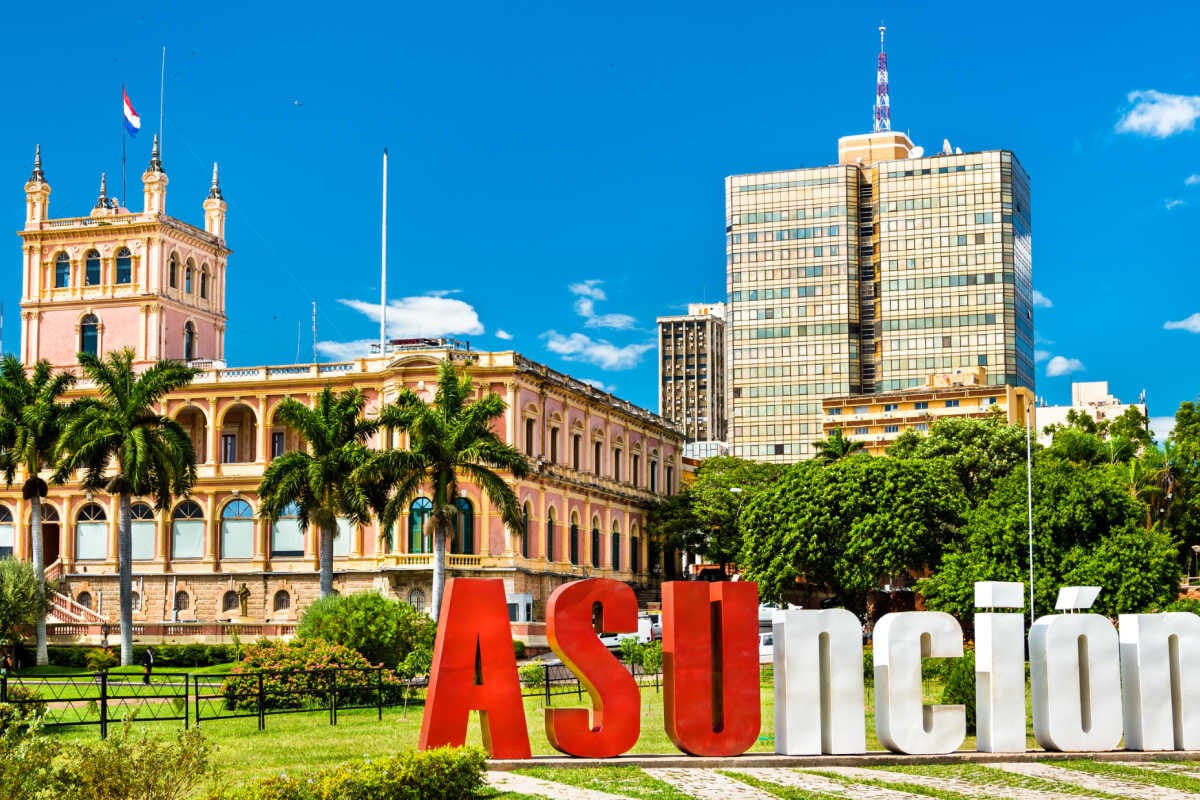
Weirdly enough, the fastest-growing destination worldwide is the landlocked, offbeat Latin country of Paraguay, sandwiched between the tourism powerhouses of Argentina and Brazil.
We maybe wouldn’t class Paraguay as ‘bucket list’ destination like other countries in the vicinity, but it does its own set of unique strengths that often go unacknowledged. For starters, you won’t have find huge crowds or inflated prices here like in neighboring Brazil.
Hotels, food, and transportation are generally cheaper, with every $100 you spend here stretching much further than it would elsewhere. In sum, it’s great if you’re traveling on a budget.
On top of that, the nature is Brazil-level of incredible, just way less spread out, and easier to access: the Pantanal, shared with Brazil itself and Bolivia, is a prime spot for wildlife viewing, while El Chaco is an expansive dry forest, home to jaguars, giant anteaters, and literally hundreds of bird species.
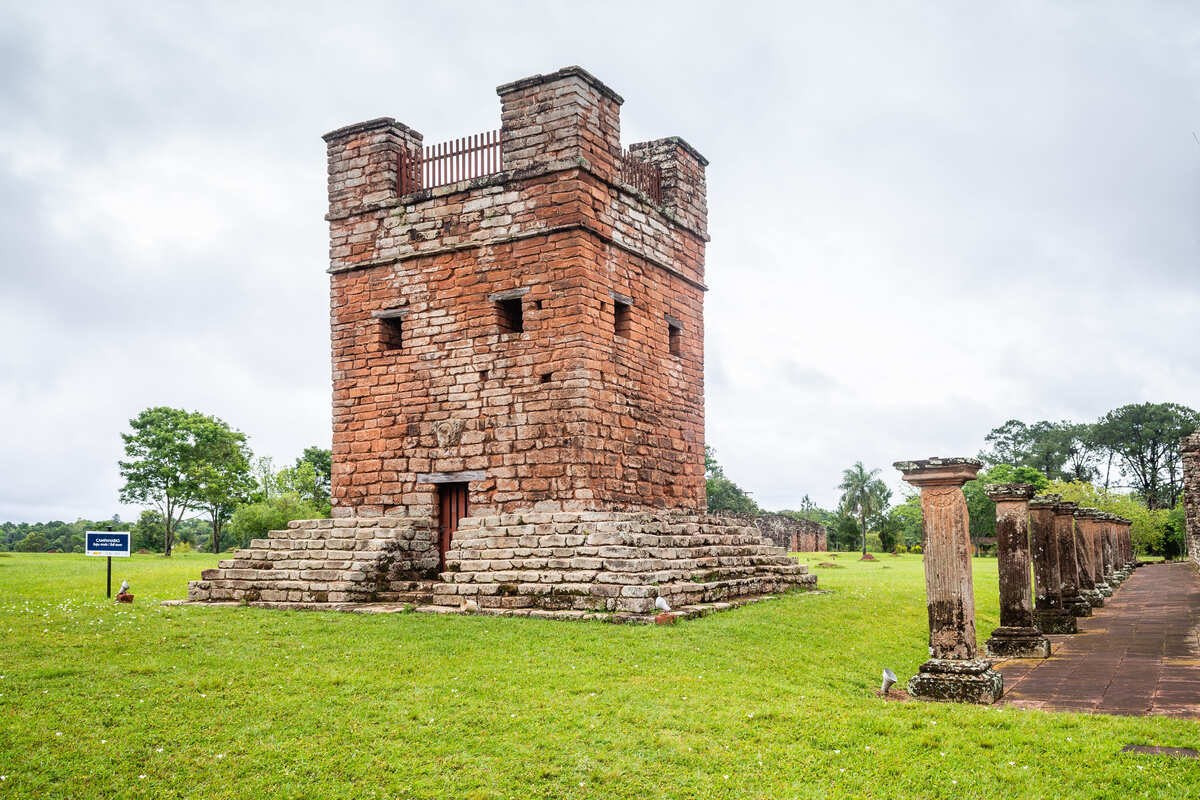
Last but certainly not least, the History here is soooo underrated: the Jesuit Mission Ruins are a UNESCO World Heritage Site, and arguably one of the prettiest colonial sites south of the Equator line.
Regarding safety, Paraguay is a very different story from El Salvador, though the outcomes are pretty… similar.
It, too, ranks Level 1 on the U.S. Travel Advisory, which means Americans are not only not discouraged from visiting, but they may exercise normal precautions when doing so. That’s the same classification traditionally-safe countries like Switzerland and Iceland enjoy.
Unlike El Salvador, however, Paraguay has always been one of the safer countries in LatAm.
- It never had major gangs like MS-13
- It does have drug trafficking, but gangs don’t control entire neighborhoods or extort ordinary people on the scale seen elsewhere in the continent
- The low population density helps: there’s about 7 million people spread over 157,048 square miles, and any violent crime that does occur is often restricted to major urban centers
- Violence is concentrated and often linked exclusively to drug trafficking, organized crime, or border regions
This is how safe travelers have been feeling in Paraguay at the minute, as per the Traveler Safety Index: a respectable score of 84 out of 100, thank you very much.
Last year, Paraguay’s homicide rate had fallen to around 6.1 per 100,000, somewhat higher than El Salvador, sure, but still way lower than the Latin American average, especially places like Colombia (25.8/100,000) and Brazil (16.0/100,000).
To translate these numbers, the average tourist is much less likely to encounter this in Paraguay in countries where gangs run amok.
The most common issues in Paraguay are:
- Pickpocketing
- Phone theft
- Petty scams (rather than violent crime)
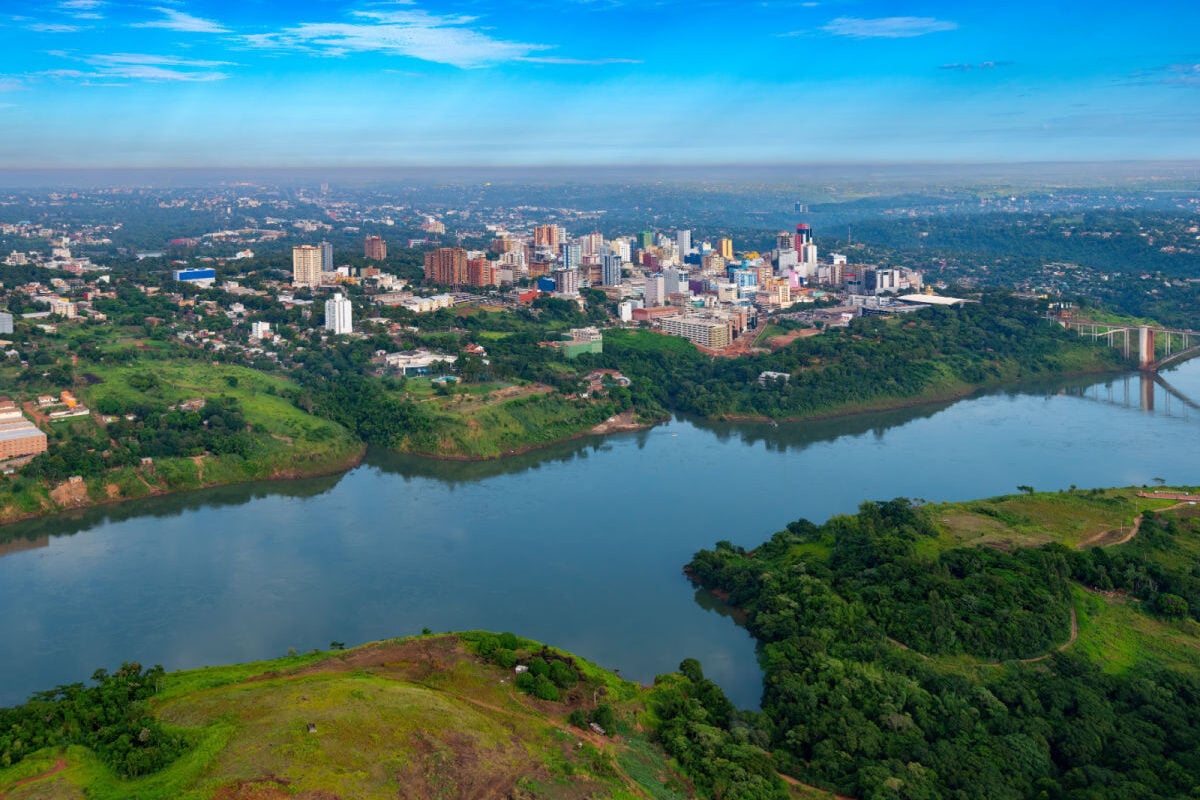
The biggest risk areas are… you guessed it, restricted to the border with Brazil, and to a lesser extent, fellow landlocked nation Bolivia.
You might want to steer clear of places like Ciudad del Este, unless you’re really keen on bargaining for cheap perfume imports from the Middle East, and Pedro Juan Caballero.
I don’t know, man, there’s something about three-name cities that just reeks of trouble.


Stacie Harris is a local resident and reporter of the Maple Grove area. Stacie reports on medicine and science for the Maple Grove Report.