
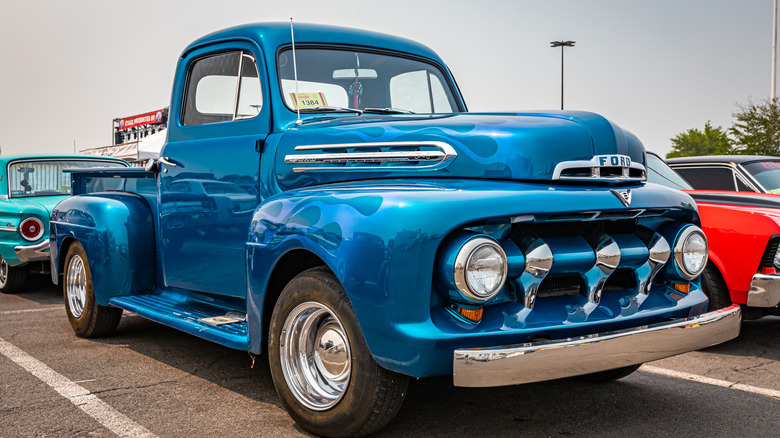
Once the vehicle of choice for farmers and laborers, the truck has undergone a sensational glow-up in the U.S., transforming from a mere tool into a status symbol. In 2025, the best-selling vehicle in America wasn’t an SUV or a sedan, but the Ford F-Series of pickup trucks. In fact, of the top 25 bestselling vehicles last year, six of them were pickup trucks, almost 25%.
Consumers select trucks over other vehicles for a variety of reasons. They’re perfect for towing campers, boats and other heavy loads. The open bed allows drivers to haul large items that may not fit in an SUV, and owners can also move messy loads like mulch, construction materials, lumber and more. They’re a great choice if you frequently navigate rough terrain, and many are large enough that you can still bring along the whole family when necessary. Pickup trucks are also much more luxurious than they used to be, offering a wide array of modern amenities like heated seats and steering wheels, sunroofs, and infotainment systems with large touchscreens.
Not everyone wants the newest or shiniest toy, however. Classic cars, including pickup trucks, offer simplicity on multiple levels that appeals to many buyers. Forget complex sensors and electronics, classic vehicles have simpler, old-school design that allows enthusiasts to maintain a vehicle on their own. Older trucks still offer that rugged appeal, but with a classic style not found in modern offerings. Some simply want them for their sentimental value. Here are three classic trucks that still rev up buyers.
Chevrolet C10
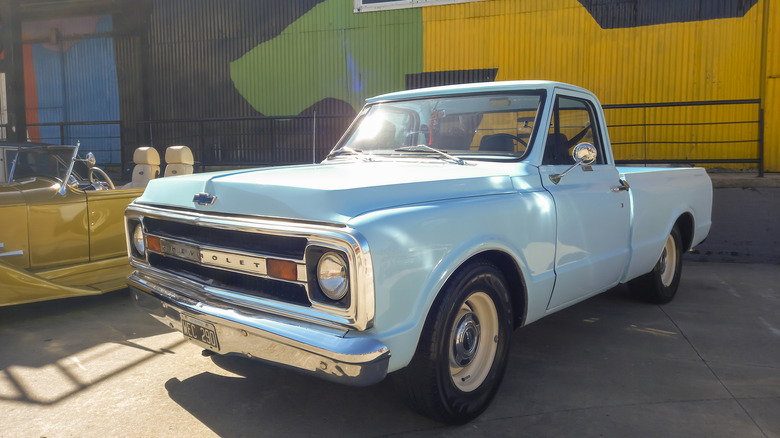
The Chevy C10 is viewed as an iconic piece of automotive history. Manufactured between 1960 and 1987, it’s known to boast a reliable drive even today. Not to be confused with the four-wheel drive K10, the C models offered only two-wheel drive. The C10’s timeless design is probably what comes to mind when many people think about a “classic pickup truck.” It debuted with a more streamlined look than most of its predecessors, with a wraparound windshield and a large, silver grille. The new coil-spring suspension gave it a more comfortable ride as well.
The first generation, which was produced through 1966, was made with an inline-six or a V8 engine. It was available with a narrow bed or in a more streamlined design with a wider bed. Today, we consider bespoke materials or massage seats top-tier features in cars, but the addition of air conditioning, more comfortable seats, and power steering in the second generation of C10 were considered premium options at the time. The exterior was also modified for a sleeker look and an updated grille. The third generation brought a boxier look and larger windows, along with safety improvements, an automatic transmission and power brakes.
The second generation C10 is the most popular model for buyers to restore or modify. Prices range from about $10,000 for an unrestored model to more than $100,000 for meticulously restored and updated second generation C10s.
Jeep CJ-8 Scrambler
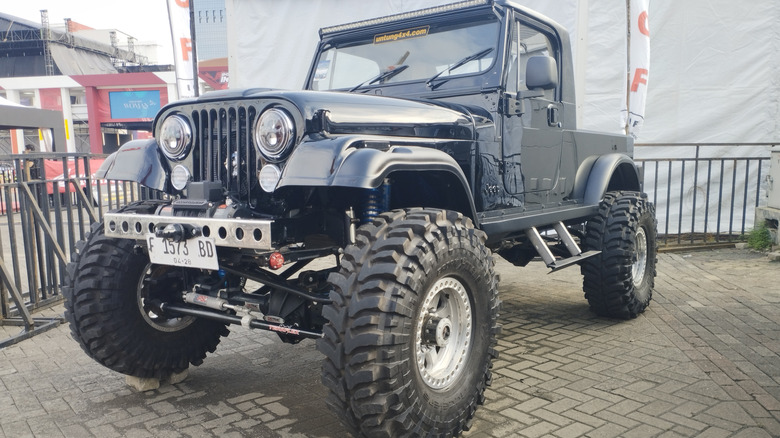
Produced from 1981 through 1986, the distinctive Jeep CJ-8 Scrambler offered the brand’s legendary off-road capability with pickup practicality and was unlike anything else on the market at the time. Setting the blueprint for today’s Jeep Gladiator, the Scrambler could carry up to 1,500 pounds in its bed. Debuting with an odd half-year model, the 1981½ through 1983 models offered a four-cylinder engine putting out only 82 horsepower. In 1984, Jeep updated the Scrambler with a larger four-cylinder with 105 horsepower or a six-cylinder with 115 horsepower.
Inside, a half-cab design offered two seats, and buyers could also opt for an optional soft-top version or a hardtop with metal doors and four seats, along with an extended cargo bed. Buyers looking for a rugged daily driver were likely satisfied with the standard vinyl seats. The optional Laredo package upgraded to cloth seats, carpeting, and a tilt steering wheel. If you wanted more perks, you had to select one of the optional trim packages. Jeep even produced a special edition for the 1984 Summer Olympics, which were held in Los Angeles, and a Levi’s edition with denim-covered seats.
Today, the Jeep Scrambler is popular with collectors, so expect to pay a premium for one in good condition and low mileage. It was replaced with the Wrangler in 1987, and ultimately only a little under 28,000 were made.
1956 Ford F100
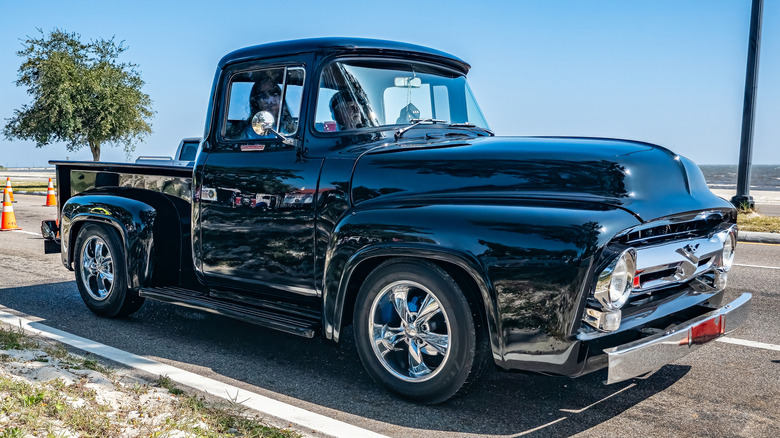
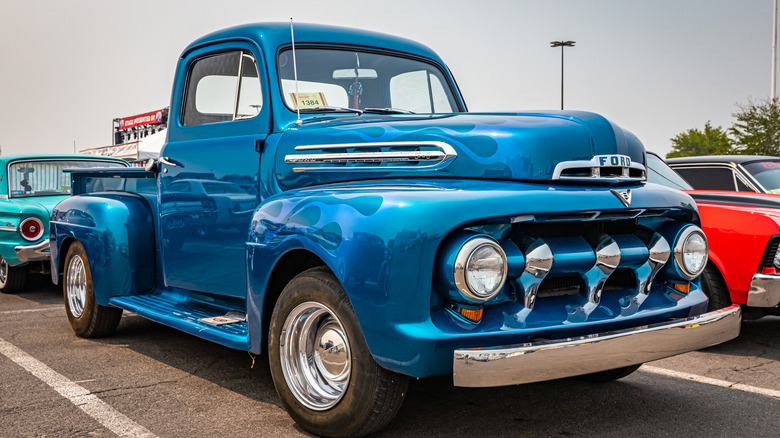
Ford launched the F100 series more than 70 years ago in 1953, but the 1956 model remains the most coveted by collectors. Considered one of the most iconic pickup trucks in American history, Ford produced the F100 for 30 years, and the F-Series is the best-selling truck in the U.S. today. Ford introduced the F100 as it celebrated its 50th anniversary in a post-World War II era that saw new demand for trucks that could serve as both a daily driver and a workhorse. Replacing the F1, the F100 had a larger, more comfortable interior and a more powerful engine, and could haul more than its predecessor.
The 1956 F100 was only produced for one year and had an eye-catching design that still turns heads today. The sleeker design was showcased with a wraparound windshield, and buyers could also add a huge rear window for almost unlimited visibility. Under the hood, Ford added a powerful V8 engine, and this model even had optional seat belts. Ford also advertised the “Lifeguard” steering wheel, which was designed to give drivers extra protection in case of an accident.
If you want to add this limited-run Ford to your collection, Autotrader lists the average price at over $55,000. Unrestored models are available for much less, while low-mileage restored options can run into six figures.

Stephan is the sports journalist for the Maple Grove Report.