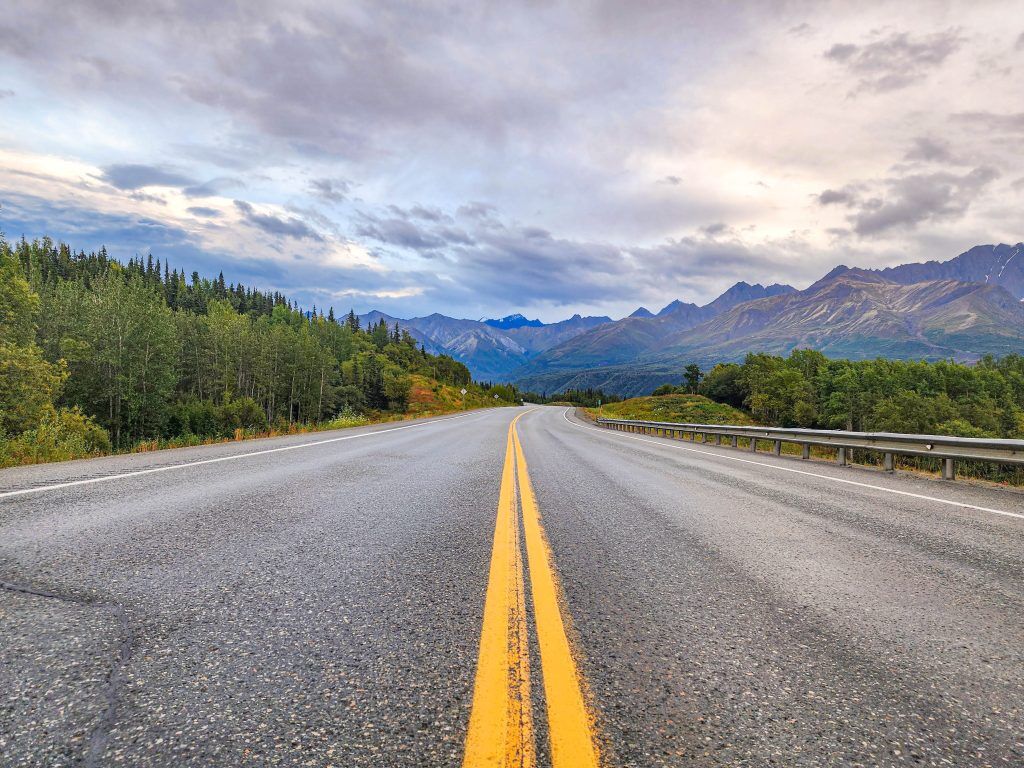
15 Luxury Travel Secrets Frequent Travelers Swear By


Luxury travel isn’t just about five-star hotels, first-class seats, or expensive excursions. True luxury is about knowing how to travel smarter, deeper, and better. It’s about unlocking experiences that feel exclusive not because they cost the most, but because they maximize comfort, access, and unforgettable moments.

After years of exploring everything from remote Alaskan wilderness lodges and African safaris to European winter escapes and luxury mountain resorts, we’ve learned that the difference between a good vacation and an extraordinary one often comes down to insider knowledge.

The truth is, many travelers unknowingly leave better rooms, VIP perks, smoother logistics, and richer experiences on the table simply because they don’t know what to ask for or when to act.

Whether you’re planning a bucket-list adventure, luxury getaway, or simply want to elevate your next trip, these are the travel secrets seasoned travelers consistently use to make every journey feel more seamless, rewarding, and memorable.

Book the Experience, Not Just the Destination

Bahia Agua Verde Baja with UnCruise Safari Voyager anchored
Photo Credit: Jenn Coleman.

Many travelers obsess over where they’re going but underestimate how they experience it.

For example, visiting Alaska can mean vastly different things depending on whether you’re on a crowded cruise ship, staying roadside, or flying into a remote lodge like those tucked deep inside a National Park. The same destination can feel ordinary or extraordinary based entirely on your approach.

Luxury travelers prioritize immersive access:

  • Small-ship expeditions over mega cruises
  • Boutique lodges over generic chains
  • Guided local expertise over self-guided guesswork
  • Shoulder season timing over peak crowds

In short, the framework of your trip often matters more than the location itself.

Shoulder Season Is Often the Sweet Spot

Hiking Deer Valley
Photo Credit: Jenn Coleman.

One of the most overlooked travel strategies is avoiding peak season whenever possible.

The best luxury experiences often happen just outside the busiest travel windows, when:

  • Prices are lower
  • Crowds are thinner
  • Service is more personalized
  • Upgrades are easier to secure
  • Destinations feel more authentic

Think Québec City before the holiday rush, Deer Valley during summer operations, or safari destinations right before high-season demand spikes.

Frequent travelers know that perfect timing can create better experiences than simply booking the “most popular” dates.

Relationships Matter More Than Rewards Programs

Marriott Mena House
Photo Credit: Jenn Coleman.

Points and miles are valuable, but relationships often open doors faster.

Building loyalty with:

  • Boutique hotels
  • Tourism boards
  • Tour operators
  • Local guides
  • Luxury travel advisors

can lead to unexpected perks like room upgrades, custom itineraries, private tours, and insider access.

A thoughtful email, repeat visit, or genuine connection can sometimes outperform elite status.

Luxury is often personal, and hospitality insiders remember thoughtful travelers.

Don’t Underestimate Regional Airports

Photo Credit: Jenn Coleman.

Major hubs aren’t always the smartest play.

Savvy travelers frequently leverage smaller airports to:

  • Avoid long security lines
  • Reduce delays
  • Gain easier access to final destinations
  • Improve overall travel flow

For example:

  • Flying to Los Angeles? Consider Ontario, Burbank, or John Wayne
  • Using regional Alaska airports for wilderness access
  • Considering alternative ski gateways for mountain destinations

Smaller airports can dramatically reduce logistical headaches while enhancing comfort.

Premium Economy Can Be the Hidden Winner

young passenger sleeping in the business class
Photo Credit: Deposit Photos.

First class is wonderful, but premium economy often delivers the best value-to-comfort ratio.

On many international routes, premium economy offers:

  • More legroom
  • Better recline
  • Priority boarding
  • Improved meals
  • Significantly lower costs than business class

For travelers who want elevated comfort without overextending budgets, this can be one of the smartest upgrades available.

Luxury travel doesn’t always mean spending the most; it means spending strategically.

Travel Insurance Is a Luxury Tool, Not an Extra Expense

Suitcase and tourist stuff with inscription travel insurance on wooden background
Photo Credit: Deposit Photos.

Many travelers treat insurance as optional until something goes wrong.

Frequent travelers know that comprehensive coverage can protect against:

  • Medical emergencies
  • Trip cancellations
  • Weather disruptions
  • Lost baggage
  • Supplier insolvency

Particularly for adventure travel, remote destinations, cruises, or international itineraries, travel insurance is less about fear and more about preserving investment.

Peace of mind is an underrated luxury.

Packing Functional Beats Packing Fashionable

Cube meshed bags with rolled clothes, t-shirt, pants. Set of travel organizer to help packing luggage easy, well organized
Photo Credit: Deposit Photos.

Instagram may tempt travelers to prioritize aesthetics, but experienced travelers know function wins.

This means:

  • Layering strategically
  • Investing in weatherproof gear
  • Prioritizing footwear
  • Using compression packing cubes
  • Packing for destination realities, not photo fantasies

From Arctic excursions to European winters, being properly equipped enhances every experience.

Comfort unlocks confidence, spontaneity, and endurance.

Guided Experiences Often Deliver Better ROI
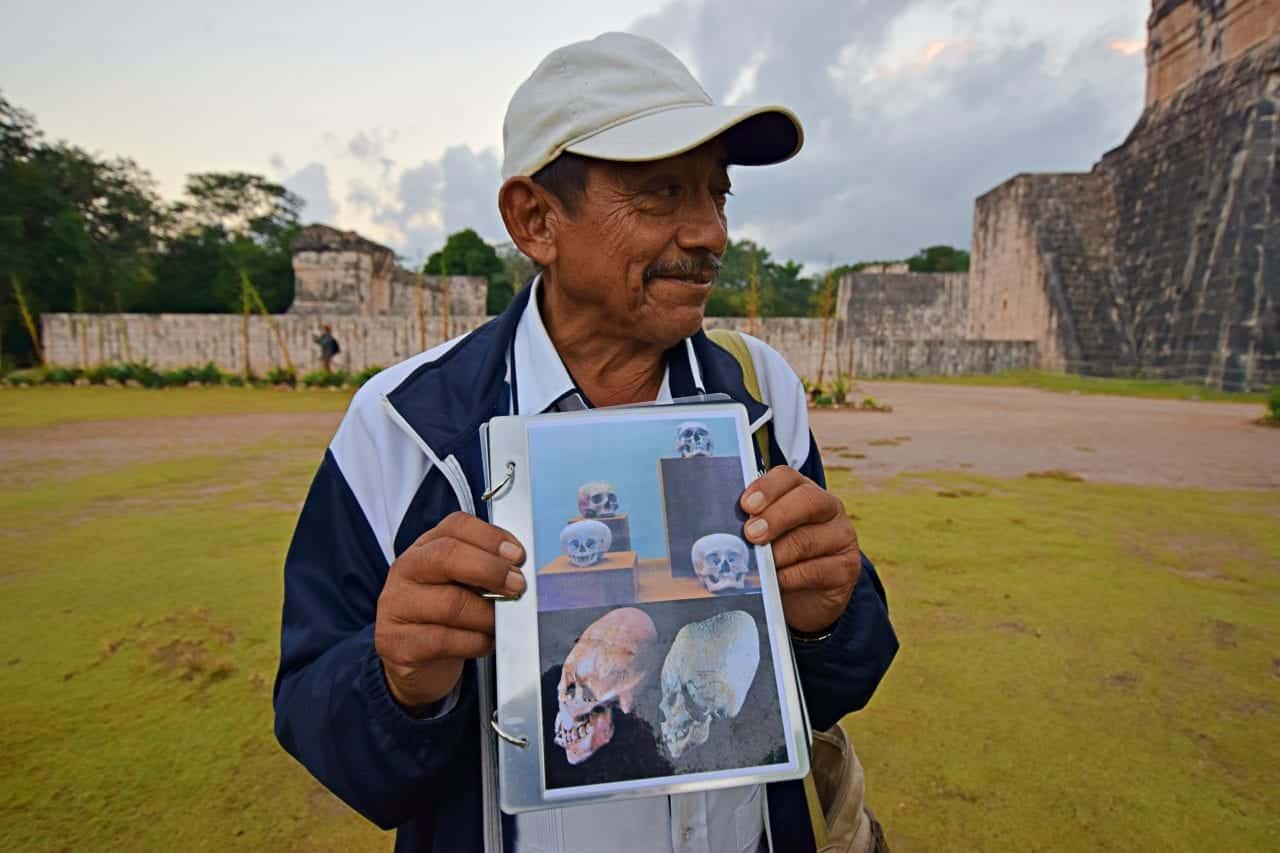
Chinchen-Itza-guide
Photo Credit: Jenn Coleman.

Some travelers avoid tours assuming DIY saves money.

But expert-led experiences often provide:

  • Priority access
  • Historical depth
  • Logistical ease
  • Hidden gems
  • Time savings

Whether it’s glacier kayaking in Alaska, food tours in Québec City, or safari operations in Tanzania, guided experiences can dramatically elevate value.

The right guide transforms travel from sightseeing into storytelling.

Splurge Selectively

Our room Escarpment Luxury Lodge Tanzania Africa
Photo Credit: Jenn Coleman.

Not every part of your trip requires maximum spending.

Frequent travelers often prioritize splurging on:

  • Exceptional accommodations
  • Unique excursions
  • Better transportation logistics
  • Prime location

while saving on:

  • Casual meals
  • Basic souvenirs
  • Overhyped tourist traps

Strategic spending creates luxury without unnecessary waste.

Social Media Can Be a Research Tool (If Used Correctly)

Social Media
Photo Credit: Deposit Photos.

Platforms like Instagram, TikTok, and Pinterest can provide real-world destination insights beyond polished tourism campaigns.

Use them to evaluate:

  • Seasonal conditions
  • Crowd levels
  • Hidden experiences
  • Hotel room realities
  • Food quality

However, seasoned travelers cross-reference heavily to separate viral hype from authentic value.

Visual research can sharpen planning when used wisely.

Slow Travel Often Creates Richer Memories

Sharah Luxury Camp in Wadi Rum
Photo Credit: Jenn Coleman.

Trying to see everything often leads to burnout.

Luxury travelers increasingly embrace slower itineraries that allow:

  • Deeper cultural immersion
  • Reduced transit fatigue
  • Better spontaneity
  • More meaningful connections
  • Genuine relaxation

Sometimes spending four days in one remarkable place creates more lasting memories than racing through five cities.

Professional Photography Matters More Than You Think

Kakabeka Falls Provincial Park Thunder Bay Ontario Canada
Photo Credit: Jenn Coleman.

Exceptional destinations deserve more than rushed smartphone snapshots.

Whether through professional shoots, strategic self-photography, or content planning, preserving travel memories thoughtfully enhances long-term value.

For creators, brands, or even personal archives, documenting travel well can extend the experience far beyond the trip itself.

Food Is Often the Fastest Path to Authentic Culture

Graze Madison
Photo Credit: Jenn Coleman.

Local cuisine often reveals more about a place than attractions alone.

Frequent travelers prioritize:

  • Regional specialties
  • Farmers markets
  • Local culinary tours
  • Family-owned establishments
  • Signature dishes

From Wisconsin’s evolving farm-to-table scene to Puerto Rican classics or Alaskan seafood, food often becomes one of the strongest emotional anchors of travel.

Flexibility Is the Ultimate Luxury

Baby bear Pavlovs Bay Alaska
Photo Credit: Jenn Coleman.

Rigid itineraries can limit opportunity.

Leaving room for weather shifts, local recommendations, or unexpected adventures often leads to the best experiences.

Some of our most unforgettable moments happened because we stayed adaptable:

  • Wildlife encounters
  • Seasonal events
  • Last-minute upgrades
  • Unique excursions

The ability to pivot is often where true magic lives.

Luxury Is Ultimately About Access, Ease, and Meaning

Sandals Royal Curacao Resort Beach
Photo Credit: Jennifer Coleman.

At its best, luxury travel isn’t defined solely by price tags.

It’s about:

  • Better access
  • Greater comfort
  • Enhanced personalization
  • Deeper immersion
  • Smarter choices

The most memorable journeys aren’t always the most expensive, they’re the most intentional.

Final Thoughts

Fairmont Le Château Frontenac Quebec Canada
Photo Credit: Jenn Coleman.

Travel has never been more accessible, but truly exceptional travel still relies on knowledge, strategy, and experience.

The travelers who consistently create unforgettable journeys aren’t necessarily spending the most. They’re leveraging smarter timing, better logistics, deeper relationships, and a willingness to prioritize meaningful experiences over superficial ones.

Whether you’re dreaming of wilderness lodges in Alaska, luxury ski resorts, historic winter cities, or international adventures, these insider strategies can elevate nearly any journey.

Because in the end, the real luxury isn’t just where you go.

It’s how well you know how to experience it.


Hi! We are Jenn and Ed Coleman aka Coleman Concierge. In a nutshell, we are a Huntsville-based Gen X couple sharing our stories of amazing adventures through activity-driven transformational and experiential travel.


Source link

Leave a Reply

Subscribe to Our Newsletter

Get our latest articles delivered straight to your inbox. No spam, we promise.

Recent Reviews


The McCarthy Road opened as a passage to the greatest copper strike the world has ever known. More than one billion pounds of copper once traveled down this corridor from the Kennecott Mines to the coast. Today, travelers head the opposite direction—up the road—to experience staggering scenery, deep wilderness, and some of Alaska’s most authentic adventures inside America’s largest national park.

The road is as notorious as it is remote, with some sources recommending satellite phones as routine safety gear. We’re here to share not only what we learned firsthand from driving the McCarthy Road ourselves, but also insights from Neil Darish, McCarthy’s outspoken statesman and longtime steward of the area. He told us that from the 1970s until about 2006 McCarthy Road was a real struggle for most people. It’s simply not like that anymore but the old stories abound. We wanted to find out for ourselves.

Wilderness adventures always carry some level of risk. But understanding what you’re getting into—and how to prepare—can turn the McCarthy Road from an intimidating unknown into one of Alaska’s most rewarding journeys.

How Long Is the McCarthy Road?

Yellow line on highway on the way to Road to McCarthy Alaska
Photo Credit: Jenn Coleman.

The McCarthy Road runs 59.4 miles from the State Wayside in Chitina (pronounced “Chit-na”) to the McCarthy Footbridge across the Kennicott River. It follows the route of the former 196-mile Copper River & Northwestern Railway, which once connected the mines to the port of Cordova.

When the mines closed in 1938, much of the track was salvaged for scrap. Floods, earthquakes, and time itself took out many bridges, leaving Kennecott and McCarthy isolated—preserved in a kind of remote time capsule that still defines the experience today.

Is the McCarthy Road Paved?

Signage on Road to McCarthy Alaska
Photo Credit: Jenn Coleman.

Mostly, no.

The McCarthy Road is primarily gravel, but for travelers willing to leave the pavement behind, it provides access to some of the most dramatic natural and historic landscapes in Wrangell–St. Elias National Park, including McCarthy and Kennecott.

Reconstruction began in earnest in the 1970s, when modern steel and concrete bridges replaced their wooden predecessors and fresh gravel was laid atop the old rail bed. What remains is rough but intentional, functional enough to reach the end, and wild enough to remind you where you are.

What Are the Road Conditions Like?

Blue bronco driving on Road to McCarthy Alaska
Photo Credit: Jenn Coleman.

The McCarthy Road is narrow and winding but relatively flat. The first few miles from Chitina toward the Copper River are paved, with occasional paved sections on steeper grades to reduce rutting.

Ironically, some of the worst potholes appear in those paved stretches, while the gravel sections are often smoother—albeit dusty and washboarded. According to the National Park Service, “under normal summer conditions, most passenger vehicles can make the trip.” That said, conditions can change quickly with weather.

How Long Does It Take to Get to McCarthy?

Highway on the way to McCarthy - Road to McCarthy Alaska
Photo Credit: Jenn Coleman.

Plan on 2–3 hours to drive from Chitina to the McCarthy Footbridge if you’re moving steadily and traffic is light. Summer weekends, especially around the Fourth of July, bring heavier traffic. It’s not gridlock, but passing opportunities are limited, and you’ll often move at the pace of the slowest vehicle.

Our advice? Drive patiently. Leave space. And when the dust gets thick, it’s often better to pull over for a photo than to white-knuckle it behind a convoy.

From Anchorage, it’s about 4.5 hours to Chitina without stops, but you’ll want to fuel up before committing to McCarthy Road. Once you park at the footbridge, it’s about a 20-minute walk into McCarthy proper.

What Is the Closest Gas Station?

Gas station - Road to McCarthy Alaska
Photo Credit: Jenn Coleman.

The closest gas station to McCarthy is in Chitina. It’s a 24-hour, credit-card-only pump with no additional services.

There is a full service station in Kenny Lake, about 90 miles from McCarthy (180 miles round trip), which offers a more comfortable fuel buffer for most vehicles. Glennallen is the last full-service town, but at 250 miles round trip, it leaves little margin unless you plan carefully, or only use it as one of the mandatory gas stops.

Can I Take a Rental Car on McCarthy Road?

Alaska 4x4 counter at Anchorage Airport
Photo Credit: Jenn Coleman.

Most national rental car companies prohibit driving to McCarthy altogether. We rented from Alaska 4×4 at the Anchorage airport and had no issues.

Not only was it permitted, but we ended up with a sweet Bronco that had excellent clearance and fresh tires. We never needed four-wheel drive, but it was reassuring to have a vehicle built for roads like this. It also made the washboard roll on the gentle cycle.

Darrish said that his guests at McCarthy Lodge Resort get scared by the warning signs at the start of McCarthy Road, but their fear isn’t justified. He said in 2006 the state DOT removed the railroad spikes by using a magnetized trailer behind a grader. When you see or read stories about taking extra tires, it’s based on 2006 and before information.

Also he said, when you see the warning sign at the beginning of McCarthy Road, telling you to take emergency equipment with you; and warning you not to travel this road because it’s “not advised” it’s important to note that’s a winter based sign!! not relevant for summer visitors!!

Is There Cell Service Along the Road?

Big bridge on Road to McCarthy Alaska
Photo Credit: Jenn Coleman.

Officially, coverage is “very limited.” Some sources go so far as to recommend carrying a satellite phone.

In practice, we had surprisingly usable Verizon service during our fall 2025 drive, though we wouldn’t count on it being consistent—or available in an emergency. Treat any cell signal as a bonus, not a plan and pay heed to the sections on car and wilderness emergency kits. Also, be sure to notify somebody you trust that you’re heading out into the wilderness, be it for hiking or driving the McCarthy Road. Darish confirmed that he finds that Verizon works on most of McCarthy Road.

What Can You See Along the Way?

Copper River Rest Area Road to McCarthy Alaska
Photo Credit: Jenn Coleman.

The McCarthy Road isn’t something to endure on the way to a destination—it is the destination.

Almost immediately after leaving Chitina, you pass through the Rock Cut, a former rail tunnel that’s now open to the sky which feels like a threshold between civilization and something wilder. At first, the road hugs the Copper and Chitina Rivers with expansive views, culminating at the Copper River Bridge.

Next, you’ll pass a chain of small lakes before reaching the single-lane Kuskulana River Bridge, often the most nerve-wracking moment for first-time drivers as you pass 238 feet above the raging Kushkulana River. The Chokosna, Gilahina, and Lakina Rivers are especially photogenic, with remnants of historic railroad trestles near the Gilihina Bridge. Long Lake lives up to its name, stretching alongside the road for more than two miles before you get your first views of the rocky Kennicott Glacier.

Darish gave us his best pro tip to truly enjoy McCarthy Road. Leaving the population centers like Anchorage Denali or Fairbanks while everyone is still asleep is a total Alaska Travel pro-tip. You’re far more likely to see wildlife along the way when the roads are empty. In addition, you’ll arrive on the McCarthy Road around 11am instead of 4pm- there’s less traffic – and you’re less likely to be behind another vehicle, even in peak July traffic.

What Services Are Available?

Available services - Road to McCarthy Alaska
Photo Credit: Jenn Coleman.

There are no service stations along the McCarthy Road, so self-sufficiency is key.

A small trading post in Chokosna sells limited snacks and drinks about halfway through the drive. Once you reach the end of the road, you’ll find espresso, food, and parking before the Kennicott River. Along the way, wayside pullouts appear roughly every 10 miles, offering parking, picnic tables, and vault toilets.

What Should You Pack in a Car Emergency Kit?

Blue bronco on Road to McCarthy Alaska
Photo Credit: Jenn Coleman.

The best emergency plan is prevention: drive slowly, check fluids, inspect tires, and make sure you have enough gas and windshield washer fluid to handle 120 dusty miles.

At minimum, you should carry:

  • A full-size spare tire
  • A working jack
  • Knowledge of how to change a tire
  • Phone charger

If you’re traveling Alaska backroads regularly, an expanded kit is wise:

What Should You Pack in a Wilderness Survival Kit?

Wilderness Survival Kit - Road to McCarthy Alaska
Photo Credit: Jenn Coleman.

With regular summer traffic, a true breakdown shouldn’t leave you stranded more than 24 hours, but preparation still matters.

Essentials include:

  • One gallon of water (for you or the vehicle)
  • Warm clothing and blankets (do not idle your car for heat)
  • No unsecured food—bear safety matters even in your vehicle (a good idea for parking too)
  • Toilet paper and a shovel
  • Essential medications
  • First-aid kit

If you’re unsure about how to keep food safe from bears, it’s best to err on the side of no food at all.

Is There an Interactive Map?

Google maps on phone
Photo Credit: Jenn Coleman.

We’re unapologetic map geeks at Coleman Concierge, so we built a custom McCarthy Road map with every stop mentioned here, and then some. We used native Google pins whenever possible for better metadata and crowd-sourced photos.

For next-level planning, open it in Google Earth to explore the terrain in 3D or drop into Street View for snapshots of the road from years past. On your phone, it works as a live navigation companion. Pair it with the National Park Service audio tour for an even deeper experience:
https://www.nps.gov/wrst/learn/photosmultimedia/audio-tours.htm

How Do You Get Into McCarthy?

Road sign on the road to McCarthy Alaska
Photo Credit: Jenn Coleman.

First: Google Maps lies.

You cannot drive directly into McCarthy proper unless you have access to a private bridge. Park at the end of the McCarthy Road and cross the footbridge on foot.

Paid parking is available at Base Camp Kennicott and McCarthy River Tours. McCarthy River Tours is slightly cheaper but farther away. Pro tip: drop passengers and luggage at the bridge first, then park. Carts are available to move bags across the bridge.

Shuttles operate from the far side of the bridge to McCarthy and Kennecott. Some activities include transportation and sometimes parking such as flightseeing with Wrangell Mountain Air, some wilderness adventures with St. Elias Alpine Guides, and stays at the Kennicott Glacier Lodge. McCarthy Lodge offers shuttle service for a fee on a per ride or per day basis. You can also walk the scenic ¾-mile road into town.

How Long Should You Stay?

Dog in McCarthy Alaska
Photo Credit: Jenn Coleman.

Our rule of thumb: stay at least as long as it takes to get there.

From Anchorage, that’s a full day each way, so plan for at least two nights in McCarthy. Fortunately, there’s more than enough to fill that time.

Two days allows for a flightseeing tour paired with rafting or hiking one day, and a glacier hike plus the Kennecott Mill tour the next. Leave time to wander Kennecott, soak up the history, and experience the Golden Saloon, the only saloon located inside a national park.

You can learn more about what to do in McCarthy from our practical guide or our photo heavy inspiration piece. You can even read both. We double dog dare you.

Are There Alternatives to Driving?

McCarthy Airport
Photo Credit: Jenn Coleman.

If the McCarthy Road still doesn’t feel right, you have options.

Flying is the easiest—scheduled service runs from Gulkana and Chitina, with charter flights available from Anchorage. It’s also the most expensive and comes with weight limits. While scenic, it doesn’t replace the experience of a dedicated flightseeing tour.

Shuttles from Chitina are another option and cost less than flying, though you still need to reach Chitina. Still, for travelers willing to leave the pavement behind, driving the McCarthy Road offers the best value—and one of Alaska’s most memorable journeys. It doesn’t just take you somewhere wild. It asks you to meet Alaska on its terms.

Disclosure: A big thank you to Alaska 4×4 for providing our awesome rental! For more Alaska 4×4 travel inspiration, check out their Instagram and Facebook accounts.

As always, the views and opinions expressed are entirely our own, and we only recommend brands and destinations that we 100% stand behind.

Ready to Book Your Trip? These Links Will Make It Easy:

Airfare:

Insurance:

  • Protect your trip and yourself with Squaremouth and Medjet
  • Safeguard your digital information by using a VPN. We love NordVPN as it is superfast for streaming Netflix
  • Stay safe on the go and stay connected with an eSim card through AloSIM

Our Packing Favs:

  • We LOVE Matador Equipment for their innovative products and sustainability focus. Their SEG45 is a game changer when you need large capacity while packing light.
  • Travel in style with a suitcase, carry-on, backpack, or handbag from Knack Bags
  • Packing cubes make organized packing a breeze! We love these from Eagle Creek

Like it? Pin it for later on Pinterest!

Hi! We are Jenn and Ed Coleman aka Coleman Concierge. In a nutshell, we are a Huntsville-based Gen X couple sharing our stories of amazing adventures through activity-driven transformational and experiential travel.


Source link